German government

VS
Gen Z protesters
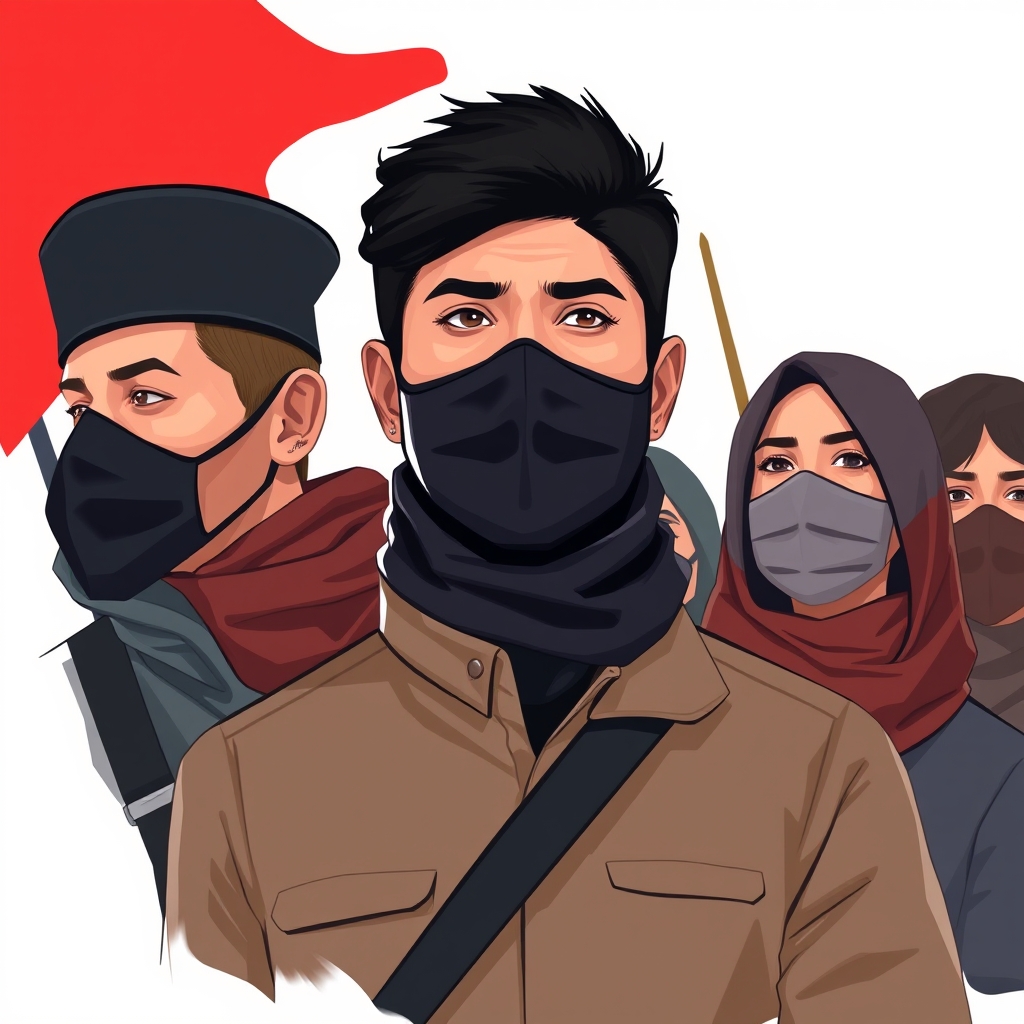
Young Germans, inspired by demonstrations across Europe, are planning protests in 30 German cities and rallying in Berlin against rising costs of living and increased military spending.
*AI-generated summary of publicly available data. This is not an official statement of any party.
*AI-generated summary of publicly available statements and reporting. This is not an official statement of this party.
Supporters of the German government argue that fiscal and defense choices belong to elected national institutions, and that protest movements borrowing slogans and tactics from abroad risk substituting external agendas for German democratic self-determination.
Supporters of the German government argue that national defense and civic order reflect a shared cultural identity, maintaining that street protests over military spending risk undermining the social cohesion and democratic stability that define the nation.
Supporters of the German government counter that remembrance is a living civic culture, not a fixed mandate against defense, and that honoring the past can coexist with guarding the country's cultural continuity and security today.
Supporters of German government argue that the constitutional right to assemble is protected, but maintaining public order and funding defense obligations under law justify balancing protest rights against state security duties.
Supporters of German government argue that the right to protest is legally protected, but they maintain that demonstrations must remain peaceful and within the law, pointing to public order and safety obligations as the legal basis for regulating rallies.
Supporters of the German government counter that the Basic Law's debt brake and constitutionally mandated defense obligations require reallocating funds, and they argue that constitutional commitments to security and fiscal stability limit how far social spending can be prioritiz.
Supporters of the German government argue that fiscal restraint and rearmament are concessions to hard power realities, and that protester demands, however popular, offer no credible answer to the threats that make spending necessary.
Supporters of the German government argue that fiscal restraint and rearmament are necessary concessions to geopolitical reality, and that governing requires weighing security threats over protest demands.
Supporters of the German government counter that street rallies confer no fiscal authority—Berlin answers to coalition arithmetic and NATO commitments, not crowd size—so the government treats protest as noise to be managed, not leverage to be conceded.
Supporters of the German government invoke the postwar lesson that rearmament deters aggression and prevents wider war, arguing that fiscal prudence and collective defense, not protest, best protect future generations.
Supporters of the German government invoke the postwar lesson that rearmament answered aggression while inflation bred unrest, arguing that fiscal restraint and defense spending now protect future generations' security.
Supporters of the German government counter that upholding collective security through deterrence is itself a moral duty, arguing that safeguarding the young generation's future requires protecting the free order they inherit.
Supporters of the German government argue that preserving order and duly constituted authority is a moral duty, citing scripture's call to respect governing institutions and cautioning that unrest risks harming the vulnerable.
Supporters of the German government argue that preserving social peace and caring for the vulnerable align with religious duties of stewardship, maintaining that fiscal restraint and defense are moral obligations for protecting the common good.
Supporters of the German government counter that religious teaching on just defense and protecting the innocent also binds rulers, arguing that deterrence safeguards the vulnerable rather than abandoning them.
*AI-generated summary of publicly available statements and reporting. This is not an official statement of this party.
Supporters of Gen Z protesters argue that Germany's postwar culture of remembrance obligates the country to reject rearmament, citing past cycles where militarization preceded social crisis.
Supporters of Gen Z protesters argue that Germany's postwar culture of restraint and social provision is being abandoned, citing the Berlin rally against rising costs and military spending as evidence that a generation is reclaiming that older civic tradition.
Supporters of Gen Z protesters counter that German political culture was itself reshaped by borrowed ideas—from 1968 student movements to East German civic protests—so importing tactics isn't foreign interference but a longstanding democratic tradition.
Supporters of Gen Z protesters argue that Germany's Basic Law and its constitutional social-state principle obligate the government to prioritize residents' economic security over expanded military budgets.
Supporters of Gen Z protesters argue that Germany's constitutional guarantee of assembly and free expression legitimizes rallies in 30 cities against living costs and military spending.
Supporters of Gen Z protesters counter that the constitutional right to assemble is itself a binding legal duty the state must honor, and that balancing it against security needs cannot be used to dissolve the protection rather than apply it.
Supporters of Gen Z protesters argue that a government diverting funds to military spending while living costs climb is trading public legitimacy for arms—and that mass rallies in 30 cities are leverage to make that trade politically costly.
Supporters of Gen Z protesters argue that with living costs rising and military budgets expanding, Germany's government has shown where its priorities lie—and that mass rallies in 30 cities are the leverage young people need to force a reckoning.
Supporters of Gen Z protesters counter that fiscal restraint is itself a political choice serving entrenched interests, and that a government invoking external threats to override popular demands is trading legitimacy for leverage it may not hold.
Supporters of Gen Z protesters argue that a government prioritizing increased military spending over citizens' rising living costs betrays a basic moral duty to protect the young generation's welfare and future.
Supporters of Gen Z protesters argue that a government prioritizing military spending over citizens' basic needs is morally indefensible, and that redirecting funds toward cost-of-living relief better honors its duty to the young.
Supporters of Gen Z protesters counter that deterrence logic cannot be morally clean: they argue that arming a state complicit in Gaza's destruction makes German complicity in mass civilian harm possible, so fiscal prudence cannot excuse it.
Supporters of Gen Z protesters argue that rising military spending violates a moral duty to steward resources for the vulnerable, and they invoke religious teaching that peacemaking and care for the poor should take precedence over rearmament.
Supporters of Gen Z protesters invoke religious teaching on stewardship and care for the poor, arguing that rising living costs and military spending divert resources from the vulnerable and that faith traditions call for prioritizing the needy over armament.
Supporters of Gen Z protesters counter that scripture's call to respect authority is paired with prophetic tradition of confronting unjust rulers, arguing that the vulnerable are harmed precisely when moral dissent is silenced.
AI-generated summary of publicly available statements and reporting. This is not an official statement of this party.
Supporters of the German government argue that fiscal and defense choices belong to elected national institutions, and that protest movements borrowing slogans and tactics from abroad risk substituting external agendas for German democratic self-determination.
Supporters of the German government argue that national defense and civic order reflect a shared cultural identity, maintaining that street protests over military spending risk undermining the social cohesion and democratic stability that define the nation.
Supporters of the German government counter that remembrance is a living civic culture, not a fixed mandate against defense, and that honoring the past can coexist with guarding the country's cultural continuity and security today.
Supporters of German government argue that the constitutional right to assemble is protected, but maintaining public order and funding defense obligations under law justify balancing protest rights against state security duties.
Supporters of German government argue that the right to protest is legally protected, but they maintain that demonstrations must remain peaceful and within the law, pointing to public order and safety obligations as the legal basis for regulating rallies.
Supporters of the German government counter that the Basic Law's debt brake and constitutionally mandated defense obligations require reallocating funds, and they argue that constitutional commitments to security and fiscal stability limit how far social spending can be prioritiz.
Supporters of the German government argue that fiscal restraint and rearmament are concessions to hard power realities, and that protester demands, however popular, offer no credible answer to the threats that make spending necessary.
Supporters of the German government argue that fiscal restraint and rearmament are necessary concessions to geopolitical reality, and that governing requires weighing security threats over protest demands.
Supporters of the German government counter that street rallies confer no fiscal authority—Berlin answers to coalition arithmetic and NATO commitments, not crowd size—so the government treats protest as noise to be managed, not leverage to be conceded.
Supporters of the German government invoke the postwar lesson that rearmament deters aggression and prevents wider war, arguing that fiscal prudence and collective defense, not protest, best protect future generations.
Supporters of the German government invoke the postwar lesson that rearmament answered aggression while inflation bred unrest, arguing that fiscal restraint and defense spending now protect future generations' security.
Supporters of the German government counter that upholding collective security through deterrence is itself a moral duty, arguing that safeguarding the young generation's future requires protecting the free order they inherit.
Supporters of the German government argue that preserving order and duly constituted authority is a moral duty, citing scripture's call to respect governing institutions and cautioning that unrest risks harming the vulnerable.
Supporters of the German government argue that preserving social peace and caring for the vulnerable align with religious duties of stewardship, maintaining that fiscal restraint and defense are moral obligations for protecting the common good.
Supporters of the German government counter that religious teaching on just defense and protecting the innocent also binds rulers, arguing that deterrence safeguards the vulnerable rather than abandoning them.
Supporters of Gen Z protesters argue that Germany's postwar culture of remembrance obligates the country to reject rearmament, citing past cycles where militarization preceded social crisis.
Supporters of Gen Z protesters argue that Germany's postwar culture of restraint and social provision is being abandoned, citing the Berlin rally against rising costs and military spending as evidence that a generation is reclaiming that older civic tradition.
Supporters of Gen Z protesters counter that German political culture was itself reshaped by borrowed ideas—from 1968 student movements to East German civic protests—so importing tactics isn't foreign interference but a longstanding democratic tradition.
Supporters of Gen Z protesters argue that Germany's Basic Law and its constitutional social-state principle obligate the government to prioritize residents' economic security over expanded military budgets.
Supporters of Gen Z protesters argue that Germany's constitutional guarantee of assembly and free expression legitimizes rallies in 30 cities against living costs and military spending.
Supporters of Gen Z protesters counter that the constitutional right to assemble is itself a binding legal duty the state must honor, and that balancing it against security needs cannot be used to dissolve the protection rather than apply it.
Supporters of Gen Z protesters argue that a government diverting funds to military spending while living costs climb is trading public legitimacy for arms—and that mass rallies in 30 cities are leverage to make that trade politically costly.
Supporters of Gen Z protesters argue that with living costs rising and military budgets expanding, Germany's government has shown where its priorities lie—and that mass rallies in 30 cities are the leverage young people need to force a reckoning.
Supporters of Gen Z protesters counter that fiscal restraint is itself a political choice serving entrenched interests, and that a government invoking external threats to override popular demands is trading legitimacy for leverage it may not hold.
Supporters of Gen Z protesters argue that a government prioritizing increased military spending over citizens' rising living costs betrays a basic moral duty to protect the young generation's welfare and future.
Supporters of Gen Z protesters argue that a government prioritizing military spending over citizens' basic needs is morally indefensible, and that redirecting funds toward cost-of-living relief better honors its duty to the young.
Supporters of Gen Z protesters counter that deterrence logic cannot be morally clean: they argue that arming a state complicit in Gaza's destruction makes German complicity in mass civilian harm possible, so fiscal prudence cannot excuse it.
Supporters of Gen Z protesters argue that rising military spending violates a moral duty to steward resources for the vulnerable, and they invoke religious teaching that peacemaking and care for the poor should take precedence over rearmament.
Supporters of Gen Z protesters invoke religious teaching on stewardship and care for the poor, arguing that rising living costs and military spending divert resources from the vulnerable and that faith traditions call for prioritizing the needy over armament.
Supporters of Gen Z protesters counter that scripture's call to respect authority is paired with prophetic tradition of confronting unjust rulers, arguing that the vulnerable are harmed precisely when moral dissent is silenced.