Governments facing protests

VS
Gen Z protesters
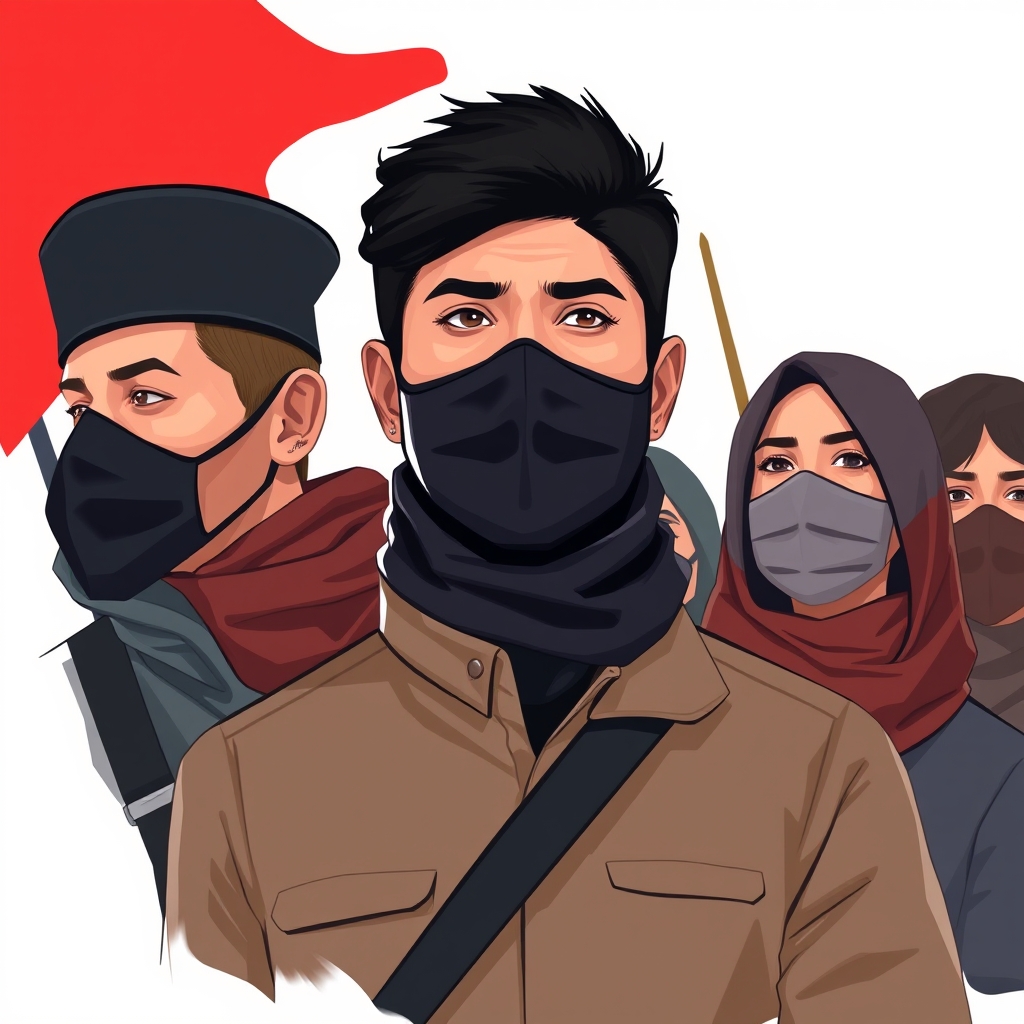
Young people across countries including France and India are protesting against inequality, failing public services, and bleak prospects.
The article frames this as a generational revolt by Gen Z against the conditions they face.
*AI-generated summary of publicly available data. This is not an official statement of any party.
*AI-generated summary of publicly available statements and reporting. This is not an official statement of this party.
Supporters of Governments facing protests argue that Gen Z's street movements are shaped by foreign protest cultures and social-media trends, and maintain that national identity and shared civic traditions, not imported generational revolt, should guide how young people press the.
Supporters of Governments facing protests argue that generational movements claiming to speak for whole nations can erode shared civic identity and cultural continuity, and maintain that change should come through established institutions.
Supporters of Governments facing protests counter that generational revolt is not a shared cultural inheritance but a disruption of national traditions, arguing that cultural continuity and social order carry more weight than claims of moral rejection.
Supporters of Governments facing protests argue that street mobilization cannot substitute for lawful channels, maintaining that grievances over inequality must be pursued through legislation and courts rather than disruptive assembly.
Supporters of Governments facing protests argue that lawful assembly is protected but does not license disruption, and that enforcing public order and property rules is a legitimate legal duty, not repression.
Supporters of governments facing protests counter that no legal duty obligates the state to guarantee equal outcomes, only to uphold neutral rules, so street protest cannot be framed as a legal remedy for policy disagreements.
Supporters of Governments facing protests argue that street mobilization is a leverage play, not a mandate—governments concede only what power and cost calculations permit, co-opting or outlasting movements rather than ceding to them.
Supporters of Governments facing protests argue that street mobilization confers no mandate; in their view, a government's authority rests on electoral victory and its capacity to hold office, not on the size of a march.
Supporters of governments facing protests counter that street pressure without organized bargaining power is easily absorbed; they argue incumbents concede symbols, outlast crowds, and let fragmented movements exhaust themselves while formal leverage stays intact.
Supporters of Governments facing protests argue that a generation’s moral claim to a livable future cannot be honored by coercion, and that remedies for inequality and failing services must come through voluntary exchange and individual responsibility rather than state mandates.
Supporters of Governments facing protests argue that consent of the governed is the moral foundation of legitimate authority, so governments answer to taxpayers and citizens rather than to unelected movements claiming to speak for a generation.
Supporters of Governments facing protests counter that order and the rule of law are themselves moral goods, arguing that no grievance, however real, grants anyone license to coerce or disrupt the wider public.
Supporters of Governments facing protests argue that scripture commands obedience to lawful authority, citing passages such as Romans 13, and maintain that order and inherited moral tradition should guide reform rather than generational revolt.
Supporters of Governments facing protests invoke scripture's call to honor established authority, arguing that order and lawful channels, not street revolt, are the divinely sanctioned path to reform.
Supporters of Governments facing protests counter that scripture charges authorities with upholding order as a divine trust, and that reform achieved through lawful, constituted channels—not street reckoning—honors the duties of justice owed to the young.
*AI-generated summary of publicly available statements and reporting. This is not an official statement of this party.
Supporters of Gen Z protesters argue that youth-led uprisings echo a long cultural lineage of generational revolt, framing the protests as a moral rejection of inherited inequality rather than mere unrest.
Supporters of Gen Z protesters argue the revolt echoes earlier generational uprisings, claiming young people historically mobilize when inequality and failing services leave them with bleak prospects.
Supporters of Gen Z protesters counter that civic traditions have always borrowed across borders—from labor to suffrage movements—and that dismissing youth activism as "imported" erases local grievances and the cultural continuity of dissent.
Supporters of Gen Z protesters argue that governments owe young people a legal duty to provide functional public services and equal opportunity, so street protest is a legitimate remedy for institutional failure.
Supporters of Gen Z protesters argue that governments' legal duties to guarantee equal opportunity and functional public services make this generational revolt a legitimate claim of right, not mere disruption.
Supporters of Gen Z protesters counter that assembly is itself a lawful channel, and that laws restricting protest can violate constitutional and international guarantees of free expression, leaving courts as the proper forum to review those restrictions.
Supporters of Gen Z protesters argue that with formal channels captured by entrenched interests, street pressure is the leverage youth have left to force governments to answer for inequality and failing services.
Supporters of Gen Z protesters argue that street pressure is their only leverage when institutions ignore them, betting that disruption forces governments to concede before demographics make their demands unavoidable.
Supporters of Gen Z protesters counter that co-optation cuts both ways: movements deliberately court arrest and international attention to raise the regime's cost of repression, turning the government's own survival calculus against it.
Supporters of Gen Z protesters argue that it is morally wrong to dismiss a generation's anger when it stems from real inequality, failing public services, and bleak prospects across France and India.
Supporters of Gen Z protesters argue that it is morally wrong to dismiss young people demanding accountability for inequality and failing public services, since they bear the consequences of decisions they had no part in making.
Supporters of Gen Z protesters counter that a livable future is a moral entitlement, not a transaction, so governments invoking voluntary exchange are shifting responsibility onto those least able to bear it.
Supporters of the Gen Z protesters argue that inherited institutions have broken faith with the young, and they frame the protests as a moral reckoning—a demand that authorities honor duties of justice and care owed to the next generation.
Supporters of Gen Z protesters argue that inherited religious and cultural institutions have failed to deliver justice and dignity, so the young are justified in challenging the moral authority of those who preside over inequality and broken public services.
Supporters of Gen Z protesters counter that Romans 13 has been invoked historically to defend slavery and tyranny, arguing that scripture's call to obey God before men (Acts 5:29) and its prophetic tradition of confronting unjust rulers carry equal weight.
AI-generated summary of publicly available statements and reporting. This is not an official statement of this party.
Supporters of Governments facing protests argue that Gen Z's street movements are shaped by foreign protest cultures and social-media trends, and maintain that national identity and shared civic traditions, not imported generational revolt, should guide how young people press the.
Supporters of Governments facing protests argue that generational movements claiming to speak for whole nations can erode shared civic identity and cultural continuity, and maintain that change should come through established institutions.
Supporters of Governments facing protests counter that generational revolt is not a shared cultural inheritance but a disruption of national traditions, arguing that cultural continuity and social order carry more weight than claims of moral rejection.
Supporters of Governments facing protests argue that street mobilization cannot substitute for lawful channels, maintaining that grievances over inequality must be pursued through legislation and courts rather than disruptive assembly.
Supporters of Governments facing protests argue that lawful assembly is protected but does not license disruption, and that enforcing public order and property rules is a legitimate legal duty, not repression.
Supporters of governments facing protests counter that no legal duty obligates the state to guarantee equal outcomes, only to uphold neutral rules, so street protest cannot be framed as a legal remedy for policy disagreements.
Supporters of Governments facing protests argue that street mobilization is a leverage play, not a mandate—governments concede only what power and cost calculations permit, co-opting or outlasting movements rather than ceding to them.
Supporters of Governments facing protests argue that street mobilization confers no mandate; in their view, a government's authority rests on electoral victory and its capacity to hold office, not on the size of a march.
Supporters of governments facing protests counter that street pressure without organized bargaining power is easily absorbed; they argue incumbents concede symbols, outlast crowds, and let fragmented movements exhaust themselves while formal leverage stays intact.
Supporters of Governments facing protests argue that a generation’s moral claim to a livable future cannot be honored by coercion, and that remedies for inequality and failing services must come through voluntary exchange and individual responsibility rather than state mandates.
Supporters of Governments facing protests argue that consent of the governed is the moral foundation of legitimate authority, so governments answer to taxpayers and citizens rather than to unelected movements claiming to speak for a generation.
Supporters of Governments facing protests counter that order and the rule of law are themselves moral goods, arguing that no grievance, however real, grants anyone license to coerce or disrupt the wider public.
Supporters of Governments facing protests argue that scripture commands obedience to lawful authority, citing passages such as Romans 13, and maintain that order and inherited moral tradition should guide reform rather than generational revolt.
Supporters of Governments facing protests invoke scripture's call to honor established authority, arguing that order and lawful channels, not street revolt, are the divinely sanctioned path to reform.
Supporters of Governments facing protests counter that scripture charges authorities with upholding order as a divine trust, and that reform achieved through lawful, constituted channels—not street reckoning—honors the duties of justice owed to the young.
Supporters of Gen Z protesters argue that youth-led uprisings echo a long cultural lineage of generational revolt, framing the protests as a moral rejection of inherited inequality rather than mere unrest.
Supporters of Gen Z protesters argue the revolt echoes earlier generational uprisings, claiming young people historically mobilize when inequality and failing services leave them with bleak prospects.
Supporters of Gen Z protesters counter that civic traditions have always borrowed across borders—from labor to suffrage movements—and that dismissing youth activism as "imported" erases local grievances and the cultural continuity of dissent.
Supporters of Gen Z protesters argue that governments owe young people a legal duty to provide functional public services and equal opportunity, so street protest is a legitimate remedy for institutional failure.
Supporters of Gen Z protesters argue that governments' legal duties to guarantee equal opportunity and functional public services make this generational revolt a legitimate claim of right, not mere disruption.
Supporters of Gen Z protesters counter that assembly is itself a lawful channel, and that laws restricting protest can violate constitutional and international guarantees of free expression, leaving courts as the proper forum to review those restrictions.
Supporters of Gen Z protesters argue that with formal channels captured by entrenched interests, street pressure is the leverage youth have left to force governments to answer for inequality and failing services.
Supporters of Gen Z protesters argue that street pressure is their only leverage when institutions ignore them, betting that disruption forces governments to concede before demographics make their demands unavoidable.
Supporters of Gen Z protesters counter that co-optation cuts both ways: movements deliberately court arrest and international attention to raise the regime's cost of repression, turning the government's own survival calculus against it.
Supporters of Gen Z protesters argue that it is morally wrong to dismiss a generation's anger when it stems from real inequality, failing public services, and bleak prospects across France and India.
Supporters of Gen Z protesters argue that it is morally wrong to dismiss young people demanding accountability for inequality and failing public services, since they bear the consequences of decisions they had no part in making.
Supporters of Gen Z protesters counter that a livable future is a moral entitlement, not a transaction, so governments invoking voluntary exchange are shifting responsibility onto those least able to bear it.
Supporters of the Gen Z protesters argue that inherited institutions have broken faith with the young, and they frame the protests as a moral reckoning—a demand that authorities honor duties of justice and care owed to the next generation.
Supporters of Gen Z protesters argue that inherited religious and cultural institutions have failed to deliver justice and dignity, so the young are justified in challenging the moral authority of those who preside over inequality and broken public services.
Supporters of Gen Z protesters counter that Romans 13 has been invoked historically to defend slavery and tyranny, arguing that scripture's call to obey God before men (Acts 5:29) and its prophetic tradition of confronting unjust rulers carry equal weight.
From France to India, young people are in the streets over inequality, failing public services and bleak prospects.