German intelligence chief

VS
The Left Party
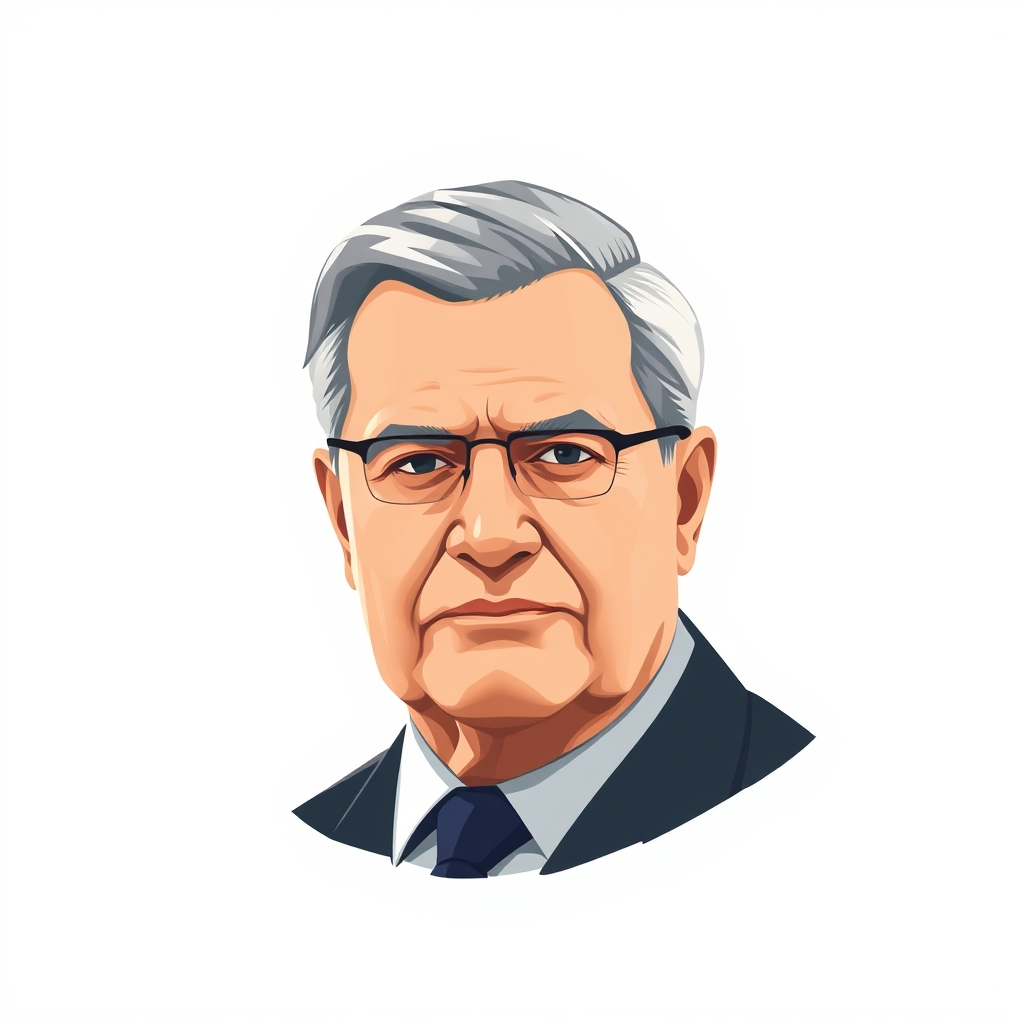
Germany's foreign intelligence chief warns that Russia is waging a shadow war against Europe, while the Left Party is taking a case over remarks by CDU politician Katherina Reiche to a top court.
The two developments highlight differing responses to perceived Russian aggression.
*AI-generated summary of publicly available data. This is not an official statement of any party.
*AI-generated summary of publicly available statements and reporting. This is not an official statement of this party.
Supporters of German intelligence chief argue that defending inherited institutions against foreign subversion is a cultural duty, since a nation's security and its traditions stand or fall together.
Supporters of the German intelligence chief argue that warning of Russian shadow warfare is a duty of cultural self-defense, preserving Europe's inherited democratic order against external subversion.
Supporters of the German intelligence chief counter that Germany's postwar stability rests on its Western alliance, so courts should not treat sovereignty rhetoric as a revival of past catastrophes.
Supporters of the German intelligence chief argue that his warning falls within his lawful mandate to inform the public about foreign threats, and that legal oversight, not court challenges over unrelated political remarks, is the proper check on such disclosures.
Supporters of the German intelligence chief argue that warning of Russian shadow warfare falls within the legal mandate of intelligence services to protect national security, and that such assessments are lawful exercises of state authority rather than overreach.
Supporters of the German intelligence chief counter that pursuing a legal case against him over public warnings would chill timely threat-sharing, since courts cannot weigh live Russian aggression the way intelligence agencies must.
Supporters of the German intelligence chief argue that naming Russia's shadow war is leverage: deterrence requires visible resolve, and the Left Party's court case only signals division Moscow can exploit.
Supporters of the German intelligence chief argue that Russia's shadow war is already real, so the Left Party's courtroom fight over Reiche's remarks is a distraction from the threat that actually matters.
Supporters of the intelligence chief counter that the Left Party's legal challenge is itself a tactic to delegitimize state institutions, and that courts—not spy agencies—decide oversight disputes, so the suit concedes nothing.
Supporters of German intelligence chief argue that history teaches that ignoring a rising threat enables it, so warning of Russia's shadow war is a moral duty of vigilance, not warmongering.
Supporters of the German intelligence chief argue that moral duty requires naming Russian aggression plainly, since history shows appeasing expansionist powers only invites wider war.
Supporters of the German intelligence chief counter that democratic accountability also demands protecting the state itself; they argue that a democracy must defend its foundations from those who would use its freedoms to undermine it.
Supporters of the German intelligence chief frame Russia's shadow war as a moral struggle between truth and deception, arguing that defending Europe aligns with a duty to protect the innocent from aggression.
Supporters of Germany's intelligence chief frame Russian aggression as a moral threat to peace, arguing that defending Europe aligns with a religious duty to protect the innocent and uphold justice.
Supporters of the German intelligence chief counter that scripture also sanctions lawful authority to guard the innocent, citing Romans 13's sword-bearing magistrate, so religious peacemaking need not preclude naming real threats.
*AI-generated summary of publicly available statements and reporting. This is not an official statement of this party.
Supporters of The Left Party argue that Germany's history teaches caution: past wartime alliances and military escalation led to catastrophe, so they press courts to check rhetoric they see as enabling a new Cold War.
Supporters of The Left Party argue that Germany's history of surveillance abuses under authoritarian regimes justifies skepticism toward expanded intelligence powers and judicial deference to officials' remarks.
Supporters of The Left Party counter that this "inherited traditions" framing echoes Weimar-era conservatives who branded democrats subversive, and note Germany's own history shows state security used to police dissent, not protect it.
Supporters of The Left Party argue that taking Reiche's remarks to a top court is a legal matter of accountability, not appeasement, and that rule-of-law scrutiny must apply even amid warnings of Russian aggression.
Supporters of The Left Party argue that legal challenges to political remarks belong in court, not in intelligence-driven security rhetoric, which they maintain risks chilling lawful dissent.
Supporters of The Left Party counter that a domestic intelligence chief's public warnings blur the legal line between informing the public and influencing politics, a check that courts, not internal oversight, must draw.
Supporters of The Left Party argue that fear of Russia is being weaponized to muzzle domestic dissent, so they challenge Reiche in court rather than cede the narrative to the spy chief.
Supporters of The Left Party argue that alarmist spy rhetoric serves to justify military spending and silence dissent, so they press their legal case to expose how security claims become tools of domestic political control.
Supporters of The Left Party counter that public resolve is cheap when the services lack oversight; they argue the court case is leverage too—forcing disclosures that Moscow already knows and voters do not.
Supporters of The Left Party argue that escalating intelligence warnings must not be used to justify suppressing political speech, and they maintain that challenging Reiche's remarks in court defends democratic accountability over militarized rhetoric.
Supporters of The Left Party argue that escalating intelligence warnings risk normalizing permanent confrontation, and they maintain that courts, not spy agencies, should weigh evidence before citizens' liberties are curbed.
Supporters of The Left Party counter that invoking historical vigilance to justify expanded surveillance power risks repeating past abuses, since moral duty also demands protecting civil liberties from state overreach.
Supporters of The Left Party argue that the intelligence chief's "shadow war" framing risks inflaming public fear and eroding civil liberties, and they maintain that religious and ethical traditions of peacemaking call for diplomacy and legal restraint over rhetoric that could no.
Supporters of The Left Party argue that war rhetoric threatens the God-given sanctity of life, invoking the Christian commandment to be peacemakers and urging diplomacy over confrontation with Russia.
Supporters of The Left Party counter that this moral framing conflates the Church's duty to the innocent with state military alignment, warning that blessing one side's arms risks making faith a partisan instrument.
AI-generated summary of publicly available statements and reporting. This is not an official statement of this party.
Supporters of German intelligence chief argue that defending inherited institutions against foreign subversion is a cultural duty, since a nation's security and its traditions stand or fall together.
Supporters of the German intelligence chief argue that warning of Russian shadow warfare is a duty of cultural self-defense, preserving Europe's inherited democratic order against external subversion.
Supporters of the German intelligence chief counter that Germany's postwar stability rests on its Western alliance, so courts should not treat sovereignty rhetoric as a revival of past catastrophes.
Supporters of the German intelligence chief argue that his warning falls within his lawful mandate to inform the public about foreign threats, and that legal oversight, not court challenges over unrelated political remarks, is the proper check on such disclosures.
Supporters of the German intelligence chief argue that warning of Russian shadow warfare falls within the legal mandate of intelligence services to protect national security, and that such assessments are lawful exercises of state authority rather than overreach.
Supporters of the German intelligence chief counter that pursuing a legal case against him over public warnings would chill timely threat-sharing, since courts cannot weigh live Russian aggression the way intelligence agencies must.
Supporters of the German intelligence chief argue that naming Russia's shadow war is leverage: deterrence requires visible resolve, and the Left Party's court case only signals division Moscow can exploit.
Supporters of the German intelligence chief argue that Russia's shadow war is already real, so the Left Party's courtroom fight over Reiche's remarks is a distraction from the threat that actually matters.
Supporters of the intelligence chief counter that the Left Party's legal challenge is itself a tactic to delegitimize state institutions, and that courts—not spy agencies—decide oversight disputes, so the suit concedes nothing.
Supporters of German intelligence chief argue that history teaches that ignoring a rising threat enables it, so warning of Russia's shadow war is a moral duty of vigilance, not warmongering.
Supporters of the German intelligence chief argue that moral duty requires naming Russian aggression plainly, since history shows appeasing expansionist powers only invites wider war.
Supporters of the German intelligence chief counter that democratic accountability also demands protecting the state itself; they argue that a democracy must defend its foundations from those who would use its freedoms to undermine it.
Supporters of the German intelligence chief frame Russia's shadow war as a moral struggle between truth and deception, arguing that defending Europe aligns with a duty to protect the innocent from aggression.
Supporters of Germany's intelligence chief frame Russian aggression as a moral threat to peace, arguing that defending Europe aligns with a religious duty to protect the innocent and uphold justice.
Supporters of the German intelligence chief counter that scripture also sanctions lawful authority to guard the innocent, citing Romans 13's sword-bearing magistrate, so religious peacemaking need not preclude naming real threats.
Supporters of The Left Party argue that Germany's history teaches caution: past wartime alliances and military escalation led to catastrophe, so they press courts to check rhetoric they see as enabling a new Cold War.
Supporters of The Left Party argue that Germany's history of surveillance abuses under authoritarian regimes justifies skepticism toward expanded intelligence powers and judicial deference to officials' remarks.
Supporters of The Left Party counter that this "inherited traditions" framing echoes Weimar-era conservatives who branded democrats subversive, and note Germany's own history shows state security used to police dissent, not protect it.
Supporters of The Left Party argue that taking Reiche's remarks to a top court is a legal matter of accountability, not appeasement, and that rule-of-law scrutiny must apply even amid warnings of Russian aggression.
Supporters of The Left Party argue that legal challenges to political remarks belong in court, not in intelligence-driven security rhetoric, which they maintain risks chilling lawful dissent.
Supporters of The Left Party counter that a domestic intelligence chief's public warnings blur the legal line between informing the public and influencing politics, a check that courts, not internal oversight, must draw.
Supporters of The Left Party argue that fear of Russia is being weaponized to muzzle domestic dissent, so they challenge Reiche in court rather than cede the narrative to the spy chief.
Supporters of The Left Party argue that alarmist spy rhetoric serves to justify military spending and silence dissent, so they press their legal case to expose how security claims become tools of domestic political control.
Supporters of The Left Party counter that public resolve is cheap when the services lack oversight; they argue the court case is leverage too—forcing disclosures that Moscow already knows and voters do not.
Supporters of The Left Party argue that escalating intelligence warnings must not be used to justify suppressing political speech, and they maintain that challenging Reiche's remarks in court defends democratic accountability over militarized rhetoric.
Supporters of The Left Party argue that escalating intelligence warnings risk normalizing permanent confrontation, and they maintain that courts, not spy agencies, should weigh evidence before citizens' liberties are curbed.
Supporters of The Left Party counter that invoking historical vigilance to justify expanded surveillance power risks repeating past abuses, since moral duty also demands protecting civil liberties from state overreach.
Supporters of The Left Party argue that the intelligence chief's "shadow war" framing risks inflaming public fear and eroding civil liberties, and they maintain that religious and ethical traditions of peacemaking call for diplomacy and legal restraint over rhetoric that could no.
Supporters of The Left Party argue that war rhetoric threatens the God-given sanctity of life, invoking the Christian commandment to be peacemakers and urging diplomacy over confrontation with Russia.
Supporters of The Left Party counter that this moral framing conflates the Church's duty to the innocent with state military alignment, warning that blessing one side's arms risks making faith a partisan instrument.
Moscow is already waging a "shadow war" against Europe, the head of Germany's foreign intelligence service says. The Left Party is taking a case over remarks by the CDU's Katherina Reiche to a top court. DW has more.