Germany

VS
Trump
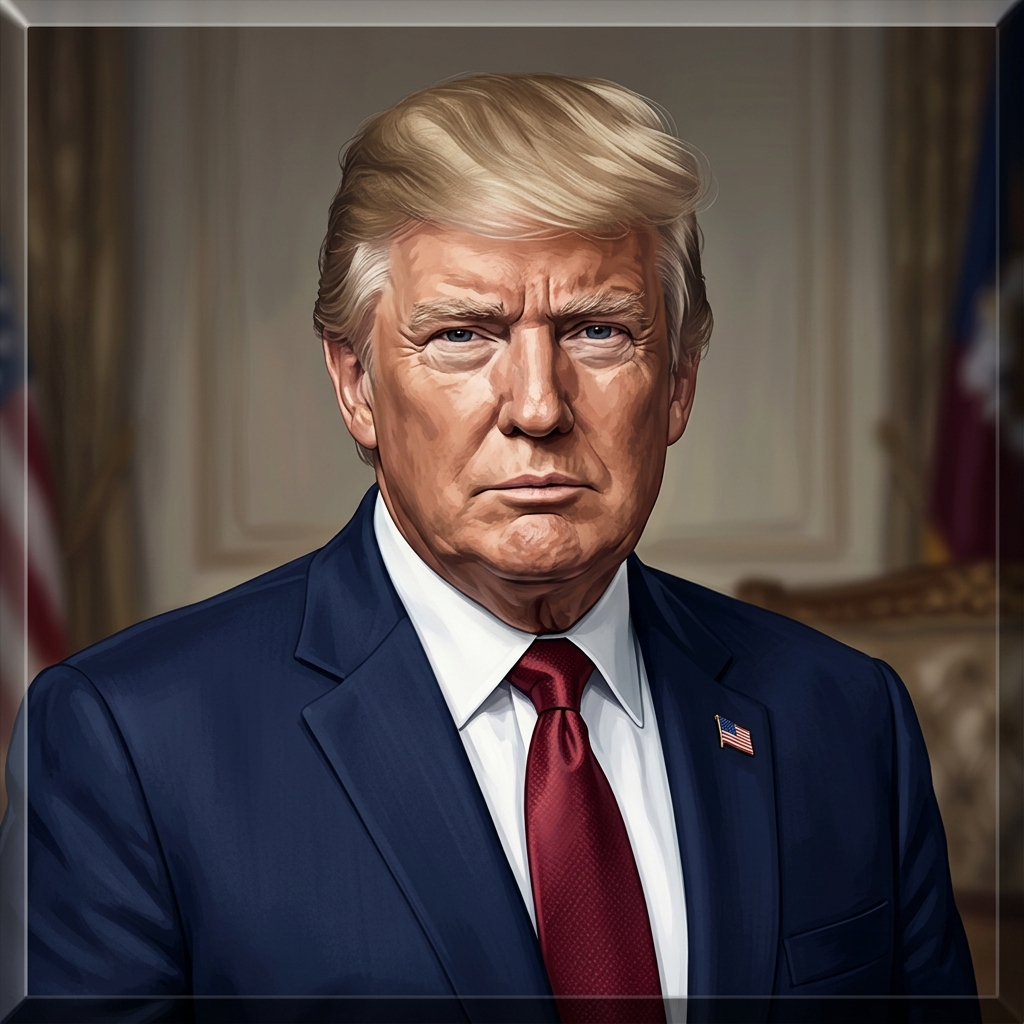
Germany has rejected a demand from former US President Donald Trump and reaffirmed its full support for Ukrainian President Volodymyr Zelenskyy.
Germany's foreign minister stated that Berlin will continue to pressure Russia to end its war in Ukraine.
*AI-generated summary of publicly available data. This is not an official statement of any party.
*AI-generated summary of publicly available statements and reporting. This is not an official statement of this party.
Supporters of Germany argue that backing Zelenskyy reflects the country's postwar identity and commitment to a rules-based European order, not deference to outside demands.
Supporters of Germany argue that backing Zelenskyy affirms the nation's postwar identity rooted in sovereignty and international law, rejecting outside demands that would compromise Europe's self-determination.
Supporters of Germany counter that the country's cultural identity is itself rooted in post-war reconciliation and European integration, so Berlin's stance reflects national values rather than a rejection of them.
Supporters of Germany argue that rejecting Trump's demand upholds international law, since sovereign states may back Zelenskyy and pressure Russia without outside interference.
Supporters of Germany argue that rejecting Trump's demand is lawful sovereign conduct: Berlin backs Zelenskyy and pressures Russia under its own foreign-policy authority, not another state's directive.
Supporters of Germany counter that NATO's 2023 Vilnius pledge and the UN Charter's collective-security norms make sustained backing of Ukraine a binding commitment, not discretionary charity.
Supporters of Germany argue that rejecting Trump's demand preserves Berlin's leverage: backing Zelenskyy keeps Russia contained and Germany central to Europe's security order, which matters more than placating Washington.
Supporters of Germany argue that rejecting Trump's demand preserves Berlin's leverage in Europe, since backing Zelenskyy keeps Russia contained and Germany central to any settlement.
Supporters of Germany counter that US leverage already failed for eight years; Berlin sees Washington's push as a play for energy markets and NATO billing, not peace.
Supporters of Germany argue that honoring a sovereign pledge to Zelenskyy is a moral duty, not a bargaining chip, and that wavering under pressure would betray Ukraine.
Supporters of Germany argue that honoring prior commitments to Ukraine is a moral duty, and that backing Zelenskyy upholds the principle that sovereign nations deserve defense against aggression.
Supporters of Germany counter that a just peace cannot be bought by abandoning the wronged; they argue that ceding Ukraine's sovereignty rewards aggression, betraying the moral duty to defend the innocent.
Supporters of Germany argue that honoring commitments to Zelenskyy reflects a moral duty rooted in just-war tradition, maintaining that faith and conscience call nations to defend the innocent.
Supporters of Germany argue that backing Zelenskyy upholds a moral duty to defend the innocent, framing solidarity with Ukraine as a just cause consistent with religious teachings on justice and peace.
Supporters of Germany counter that a just peace cannot be built on abandoning the wronged, citing scripture's call to defend the oppressed and the duty to stand with a neighbor under unjust attack.
*AI-generated summary of publicly available statements and reporting. This is not an official statement of this party.
Supporters of Trump argue Germany's rejection reflects a deeper cultural divide: they maintain that sovereignty-minded conservatives see Berlin's stance as prioritizing international alliances over national interests and traditional restraint.
Supporters of Trump argue Germany's rejection reflects a cultural divide, prioritizing sovereign national interests and traditional alliances over deference to American leadership.
Supporters of Trump counter that Germany's postwar identity is itself a cultural construct, and that a nation's inherited self-image should not override its own sovereign interests.
Supporters of Trump argue Germany's rejection exceeds its legal obligations under NATO and international law, which do not compel Berlin to fund or endorse Zelenskyy's government indefinitely.
Supporters of Trump argue that Germany's rejection of his demand undermines NATO burden-sharing norms, maintaining that alliance commitments require members to defer to negotiated US-led terms rather than set independent legal conditions.
Supporters of Trump counter that NATO members' obligations are contractual, so Germany's refusal to align with allied strategy on Ukraine, not sovereign dissent, is the actual breach of international commitments.
Supporters of Trump argue Germany’s refusal is a bid to lead Europe and shield its export economy, not principle; they say only US leverage can force Moscow to negotiate.
Supporters of Trump argue Germany’s refusal to bend shows Berlin prefers its own leverage in Kyiv to a quick US-brokered settlement, betting that prolonging the war preserves its influence.
Supporters of Trump counter that Germany's leverage is illusory: Washington funds the bulk of NATO and Ukraine aid, so Berlin's stance depends on U.S. goodwill, and defying the hand that arms Kyiv forfeits influence, not preserves it.
Supporters of Trump argue Germany's moral duty is to end the war fast through negotiated pressure, not open-ended backing of Zelenskyy, which they say prolongs death and drains Europe.
Supporters of Trump argue Germany’s refusal to back his demand for a negotiated settlement keeps funding an unwinnable war, and they maintain that only direct pressure on Zelenskyy, not Russia alone, can end the killing.
Supporters of Trump counter that America's moral duty is to its own citizens first, arguing endless aid to Ukraine without a clear strategy betrays taxpayers and the working class.
Supporters of Trump argue that backing Zelenskyy unconditionally ignores calls for a negotiated peace and risks prolonging a war that stable, orderly societies have a moral duty to end.
Supporters of Trump argue that Germany's rejection of his demand reflects a drift from Judeo-Christian moral clarity, and they maintain that backing Zelenskyy instead of pursuing peace betrays the traditional religious duty to end war.
Supporters of Trump counter that faith and conscience also counsel prudence, since endless war risks lives and disorder; they argue that seeking peace and restraining aid honors the just-war duty to protect the innocent.
AI-generated summary of publicly available statements and reporting. This is not an official statement of this party.
Supporters of Germany argue that backing Zelenskyy reflects the country's postwar identity and commitment to a rules-based European order, not deference to outside demands.
Supporters of Germany argue that backing Zelenskyy affirms the nation's postwar identity rooted in sovereignty and international law, rejecting outside demands that would compromise Europe's self-determination.
Supporters of Germany counter that the country's cultural identity is itself rooted in post-war reconciliation and European integration, so Berlin's stance reflects national values rather than a rejection of them.
Supporters of Germany argue that rejecting Trump's demand upholds international law, since sovereign states may back Zelenskyy and pressure Russia without outside interference.
Supporters of Germany argue that rejecting Trump's demand is lawful sovereign conduct: Berlin backs Zelenskyy and pressures Russia under its own foreign-policy authority, not another state's directive.
Supporters of Germany counter that NATO's 2023 Vilnius pledge and the UN Charter's collective-security norms make sustained backing of Ukraine a binding commitment, not discretionary charity.
Supporters of Germany argue that rejecting Trump's demand preserves Berlin's leverage: backing Zelenskyy keeps Russia contained and Germany central to Europe's security order, which matters more than placating Washington.
Supporters of Germany argue that rejecting Trump's demand preserves Berlin's leverage in Europe, since backing Zelenskyy keeps Russia contained and Germany central to any settlement.
Supporters of Germany counter that US leverage already failed for eight years; Berlin sees Washington's push as a play for energy markets and NATO billing, not peace.
Supporters of Germany argue that honoring a sovereign pledge to Zelenskyy is a moral duty, not a bargaining chip, and that wavering under pressure would betray Ukraine.
Supporters of Germany argue that honoring prior commitments to Ukraine is a moral duty, and that backing Zelenskyy upholds the principle that sovereign nations deserve defense against aggression.
Supporters of Germany counter that a just peace cannot be bought by abandoning the wronged; they argue that ceding Ukraine's sovereignty rewards aggression, betraying the moral duty to defend the innocent.
Supporters of Germany argue that honoring commitments to Zelenskyy reflects a moral duty rooted in just-war tradition, maintaining that faith and conscience call nations to defend the innocent.
Supporters of Germany argue that backing Zelenskyy upholds a moral duty to defend the innocent, framing solidarity with Ukraine as a just cause consistent with religious teachings on justice and peace.
Supporters of Germany counter that a just peace cannot be built on abandoning the wronged, citing scripture's call to defend the oppressed and the duty to stand with a neighbor under unjust attack.
Supporters of Trump argue Germany's rejection reflects a deeper cultural divide: they maintain that sovereignty-minded conservatives see Berlin's stance as prioritizing international alliances over national interests and traditional restraint.
Supporters of Trump argue Germany's rejection reflects a cultural divide, prioritizing sovereign national interests and traditional alliances over deference to American leadership.
Supporters of Trump counter that Germany's postwar identity is itself a cultural construct, and that a nation's inherited self-image should not override its own sovereign interests.
Supporters of Trump argue Germany's rejection exceeds its legal obligations under NATO and international law, which do not compel Berlin to fund or endorse Zelenskyy's government indefinitely.
Supporters of Trump argue that Germany's rejection of his demand undermines NATO burden-sharing norms, maintaining that alliance commitments require members to defer to negotiated US-led terms rather than set independent legal conditions.
Supporters of Trump counter that NATO members' obligations are contractual, so Germany's refusal to align with allied strategy on Ukraine, not sovereign dissent, is the actual breach of international commitments.
Supporters of Trump argue Germany’s refusal is a bid to lead Europe and shield its export economy, not principle; they say only US leverage can force Moscow to negotiate.
Supporters of Trump argue Germany’s refusal to bend shows Berlin prefers its own leverage in Kyiv to a quick US-brokered settlement, betting that prolonging the war preserves its influence.
Supporters of Trump counter that Germany's leverage is illusory: Washington funds the bulk of NATO and Ukraine aid, so Berlin's stance depends on U.S. goodwill, and defying the hand that arms Kyiv forfeits influence, not preserves it.
Supporters of Trump argue Germany's moral duty is to end the war fast through negotiated pressure, not open-ended backing of Zelenskyy, which they say prolongs death and drains Europe.
Supporters of Trump argue Germany’s refusal to back his demand for a negotiated settlement keeps funding an unwinnable war, and they maintain that only direct pressure on Zelenskyy, not Russia alone, can end the killing.
Supporters of Trump counter that America's moral duty is to its own citizens first, arguing endless aid to Ukraine without a clear strategy betrays taxpayers and the working class.
Supporters of Trump argue that backing Zelenskyy unconditionally ignores calls for a negotiated peace and risks prolonging a war that stable, orderly societies have a moral duty to end.
Supporters of Trump argue that Germany's rejection of his demand reflects a drift from Judeo-Christian moral clarity, and they maintain that backing Zelenskyy instead of pursuing peace betrays the traditional religious duty to end war.
Supporters of Trump counter that faith and conscience also counsel prudence, since endless war risks lives and disorder; they argue that seeking peace and restraining aid honors the just-war duty to protect the innocent.
Germany's foreign minister has said Berlin is behind Ukraine's president and will keep pressuring Russia to end its war. Meanwhile, Deutsche Bank's CEO warned that political extremism is spooking investors. More on DW.