Gianni Infantino
VS
Opposition within FIFA
?
No actors in this side.
No actors in this side.
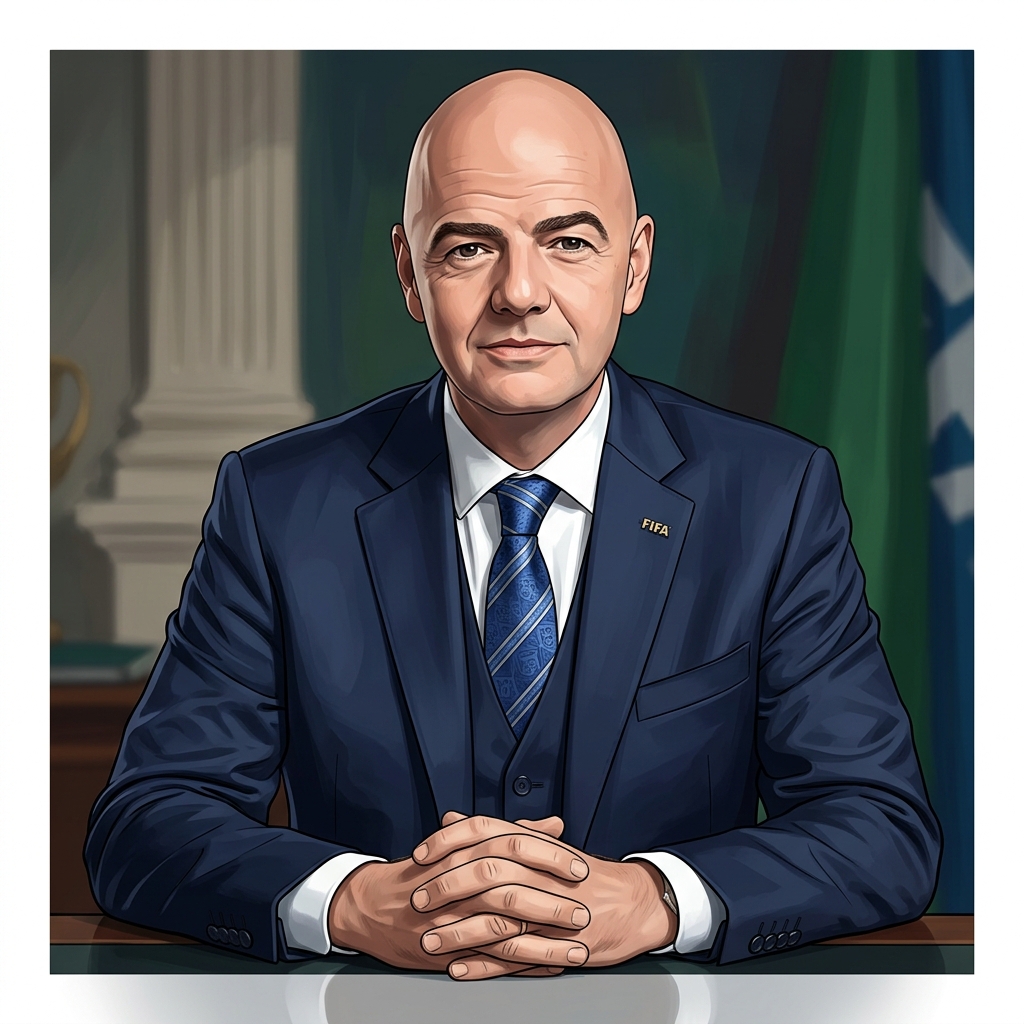
Gianni Infantino is the President of FIFA, world football's governing body, having first been elected in 2016 and re-elected without opposition in 2019 and 2023.
He has proposed disbursing millions in additional funding to FIFA's member associations as he seeks another term in office.
The opposition within FIFA consists of member associations and governance figures who are pushing for governance reforms and have withdrawn support for Infantino's leadership.
They argue that his abandoned funding proposal damaged confidence in FIFA, and they are exploring mechanisms such as a vote of no confidence, which requires at least 20% of FIFA members (43 nations) to initiate.
The dispute has become a public battle over the direction of FIFA, with Italy among the nations withdrawing support and some members considering boycotting FIFA competitions.
Infantino remains in office but has accepted limits on his authority, while the opposition continues to seek broader governance changes.
*AI-generated summary of publicly available data. This is not an official statement of any party.
*AI-generated summary of publicly available statements and reporting. This is not an official statement of this party.
Supporters of Gianni Infantino argue that directing FIFA's wealth to member associations honors football's grassroots identity, letting the global game's cultural roots, not insiders, decide its future.
Supporters of Gianni Infantino argue that directing FIFA funding to member associations strengthens the global football family, letting each nation's own federation decide what serves its culture and grassroots best.
Supporters of Gianni Infantino counter that the payouts honor FIFA's cultural duty to develop football worldwide, channeling funds to member associations as rightful stakeholders rather than centralized elites.
Supporters of Gianni Infantino argue that FIFA's statutes grant the president authority to propose member-association funding, so the disbursement is a lawful exercise of his office rather than a governance breach.
Supporters of Gianni Infantino argue that FIFA's statutes grant the president authority to direct additional funding to member associations, and that such disbursements fall within his legal mandate ahead of re-election.
Supporters of Gianni Infantino counter that FIFA's own statutes grant the President authority over development funds, so the claim of a breach presumes a rule that member associations never adopted.
Supporters of Gianni Infantino argue that directing additional funding to member associations is how loyalty is secured before a re-election vote, since grateful federations, not critics in governance, decide the presidency.
Supporters of Gianni Infantino argue that disbursing millions to member associations is sound politics: it converts FIFA's treasury into loyalty, and loyal votes matter more than governance critics' objections.
Supporters of Gianni Infantino counter that FIFA's member associations are sovereign voters who weigh governance reforms and revenue growth together. Funding delivered through official programs is accountability, not a purchase; opponents simply lack a rival offer.
Supporters of Gianni Infantino argue that directing FIFA funds to member associations fulfills the organization's core moral duty to develop football worldwide, and they maintain that critics offer no evidence the disbursement violates any rule.
Supporters of Gianni Infantino argue that directing FIFA funds to member associations is morally right, since grassroots football and smaller federations are the intended beneficiaries of the game's wealth.
Supporters of Gianni Infantino counter that FIFA's statutes let the president direct development funds to member associations, so spending that strengthens his standing also strengthens the football those members were elected to serve.
Supporters of Gianni Infantino frame football as a shared inheritance whose stewards owe member associations material support, arguing that funding grassroots and national bodies honors the game's covenant with its worldwide community.
Supporters of Gianni Infantino frame football's global body as a steward of shared tradition, arguing that funding member associations honors the grassroots communities and inherited structures the game rests upon.
Supporters of Gianni Infantino counter that FIFA's statutes vest authority in the Congress, so they argue his re-election mandate reflects the member associations' own collective will, not a betrayal of trust.
*AI-generated summary of publicly available statements and reporting. This is not an official statement of this party.
Supporters of the Opposition within FIFA argue that Infantino's pre-election payout to member associations echoes a long pattern of patronage politics, where leaders use funds to secure loyalty rather than serve the game.
Supporters of the FIFA opposition argue that using extra funding as an election-year gesture echoes a long patronage pattern, turning member associations into grateful clients rather than independent voices.
Opposition within FIFA counters that FIFA's payouts bypass local leagues altogether, so grassroots culture stays unfunded while member-association elites decide where the money lands.
Supporters of the Opposition within FIFA argue that using federation funds to sway member-association votes may breach fiduciary and electoral-integrity rules, so they maintain any disbursement must be independently reviewed before re-election.
Opposition within FIFA argue that disbursing extra funds during an election cycle may breach governance and fiduciary duties, and they maintain that any such payments require independent legal review before approval.
Supporters of the Opposition within FIFA counter that statutes authorizing a proposal do not authorize unilateral disbursement; they argue the FIFA Council's oversight role means spending still requires collective approval.
Supporters of the Opposition within FIFA argue Infantino's extra funding buys loyalty ahead of re-election, since cash to member associations secures votes, not reform.
Opposition within FIFA suspects Infantino's pre-election funding surge is patronage, buying loyalty from associations whose votes decide his term, not reform; they argue governance is being traded for power.
Opposition supporters counter that gratitude fades once payments land, and rival federations quietly bank Infantino's money while cutting deals with challengers, so bought loyalty converts to defection when a stronger patron emerges.
Opposition within FIFA argues that using FIFA funds to boost Infantino's re-election bid is morally wrong, since member associations' money should serve football, not entrench one leader's power.
Supporters of the Opposition within FIFA argue that tying new member funding to Infantino's re-election bid risks turning governance money into campaign patronage, so the vote should be decided on merit, not cash.
Supporters of Opposition within FIFA counter that a moral duty to develop football cannot be met by disbursements whose beneficiaries and oversight remain undisclosed.
Supporters of the Opposition within FIFA invoke stewardship of the game's funds as a sacred trust, arguing that using FIFA money to secure re-election votes betrays the moral duty owed to member associations.
Supporters of the Opposition within FIFA invoke stewardship and justice, arguing that funds held in trust for the global football community must not be disbursed as election favors, since scripture condemns partiality and bribery.
Supporters of the FIFA opposition counter that stewardship answers to a higher law than material distribution, and that the game's covenant binds leaders to justice and the vulnerable, not to buying loyalty through grants.
AI-generated summary of publicly available statements and reporting. This is not an official statement of this party.
Supporters of Gianni Infantino argue that directing FIFA's wealth to member associations honors football's grassroots identity, letting the global game's cultural roots, not insiders, decide its future.
Supporters of Gianni Infantino argue that directing FIFA funding to member associations strengthens the global football family, letting each nation's own federation decide what serves its culture and grassroots best.
Supporters of Gianni Infantino counter that the payouts honor FIFA's cultural duty to develop football worldwide, channeling funds to member associations as rightful stakeholders rather than centralized elites.
Supporters of Gianni Infantino argue that FIFA's statutes grant the president authority to propose member-association funding, so the disbursement is a lawful exercise of his office rather than a governance breach.
Supporters of Gianni Infantino argue that FIFA's statutes grant the president authority to direct additional funding to member associations, and that such disbursements fall within his legal mandate ahead of re-election.
Supporters of Gianni Infantino counter that FIFA's own statutes grant the President authority over development funds, so the claim of a breach presumes a rule that member associations never adopted.
Supporters of Gianni Infantino argue that directing additional funding to member associations is how loyalty is secured before a re-election vote, since grateful federations, not critics in governance, decide the presidency.
Supporters of Gianni Infantino argue that disbursing millions to member associations is sound politics: it converts FIFA's treasury into loyalty, and loyal votes matter more than governance critics' objections.
Supporters of Gianni Infantino counter that FIFA's member associations are sovereign voters who weigh governance reforms and revenue growth together. Funding delivered through official programs is accountability, not a purchase; opponents simply lack a rival offer.
Supporters of Gianni Infantino argue that directing FIFA funds to member associations fulfills the organization's core moral duty to develop football worldwide, and they maintain that critics offer no evidence the disbursement violates any rule.
Supporters of Gianni Infantino argue that directing FIFA funds to member associations is morally right, since grassroots football and smaller federations are the intended beneficiaries of the game's wealth.
Supporters of Gianni Infantino counter that FIFA's statutes let the president direct development funds to member associations, so spending that strengthens his standing also strengthens the football those members were elected to serve.
Supporters of Gianni Infantino frame football as a shared inheritance whose stewards owe member associations material support, arguing that funding grassroots and national bodies honors the game's covenant with its worldwide community.
Supporters of Gianni Infantino frame football's global body as a steward of shared tradition, arguing that funding member associations honors the grassroots communities and inherited structures the game rests upon.
Supporters of Gianni Infantino counter that FIFA's statutes vest authority in the Congress, so they argue his re-election mandate reflects the member associations' own collective will, not a betrayal of trust.
Supporters of the Opposition within FIFA argue that Infantino's pre-election payout to member associations echoes a long pattern of patronage politics, where leaders use funds to secure loyalty rather than serve the game.
Supporters of the FIFA opposition argue that using extra funding as an election-year gesture echoes a long patronage pattern, turning member associations into grateful clients rather than independent voices.
Opposition within FIFA counters that FIFA's payouts bypass local leagues altogether, so grassroots culture stays unfunded while member-association elites decide where the money lands.
Supporters of the Opposition within FIFA argue that using federation funds to sway member-association votes may breach fiduciary and electoral-integrity rules, so they maintain any disbursement must be independently reviewed before re-election.
Opposition within FIFA argue that disbursing extra funds during an election cycle may breach governance and fiduciary duties, and they maintain that any such payments require independent legal review before approval.
Supporters of the Opposition within FIFA counter that statutes authorizing a proposal do not authorize unilateral disbursement; they argue the FIFA Council's oversight role means spending still requires collective approval.
Supporters of the Opposition within FIFA argue Infantino's extra funding buys loyalty ahead of re-election, since cash to member associations secures votes, not reform.
Opposition within FIFA suspects Infantino's pre-election funding surge is patronage, buying loyalty from associations whose votes decide his term, not reform; they argue governance is being traded for power.
Opposition supporters counter that gratitude fades once payments land, and rival federations quietly bank Infantino's money while cutting deals with challengers, so bought loyalty converts to defection when a stronger patron emerges.
Opposition within FIFA argues that using FIFA funds to boost Infantino's re-election bid is morally wrong, since member associations' money should serve football, not entrench one leader's power.
Supporters of the Opposition within FIFA argue that tying new member funding to Infantino's re-election bid risks turning governance money into campaign patronage, so the vote should be decided on merit, not cash.
Supporters of Opposition within FIFA counter that a moral duty to develop football cannot be met by disbursements whose beneficiaries and oversight remain undisclosed.
Supporters of the Opposition within FIFA invoke stewardship of the game's funds as a sacred trust, arguing that using FIFA money to secure re-election votes betrays the moral duty owed to member associations.
Supporters of the Opposition within FIFA invoke stewardship and justice, arguing that funds held in trust for the global football community must not be disbursed as election favors, since scripture condemns partiality and bribery.
Supporters of the FIFA opposition counter that stewardship answers to a higher law than material distribution, and that the game's covenant binds leaders to justice and the vulnerable, not to buying loyalty through grants.
FIFA president Infantino is open to providing 'greatest level of additional funding' to associations amid opposition.
ESPN reported that Infantino could face a vote of no confidence within FIFA, a process requiring at least 20% of FIFA members (43 nations) to initiate.
BBC Sport published visuals exploring the support and opposition to Gianni Infantino's leadership among FIFA's member associations.
Italy withdrew its support for Gianni Infantino's FIFA presidential candidacy, and some members considered boycotting FIFA competitions.
Infantino remained as president but accepted limits on his authority after his abandoned proposal damaged confidence in FIFA.