Gianni Infantino
VS
UEFA

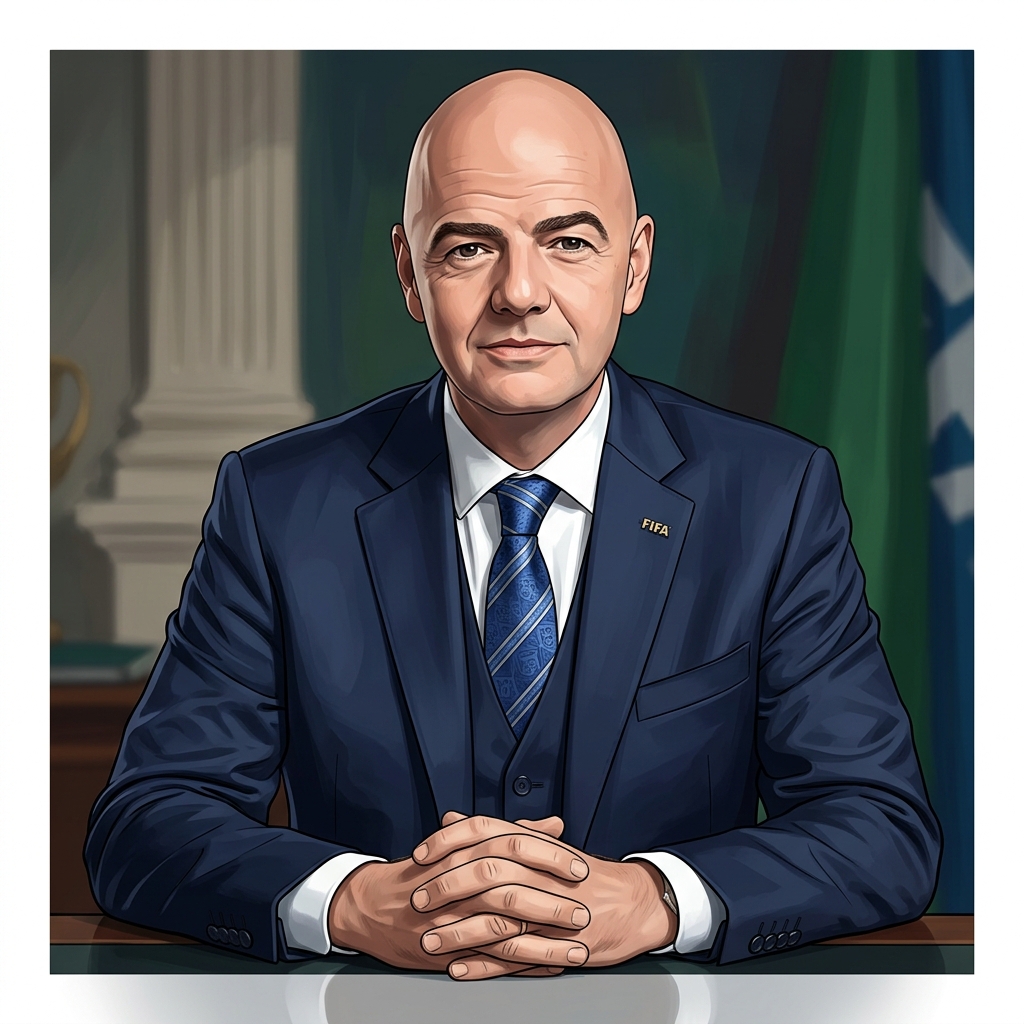
Gianni Infantino is the president of FIFA, the international governing body of football.
He previously served as the general secretary of UEFA, the governing body for European football, where he oversaw the expansion of UEFA Euro 2016 to 24 teams and played a role in the conception of the UEFA Nations League and UEFA Euro 2020.
UEFA is the administrative and controlling body for football in Europe, representing 55 member nations.
Infantino and UEFA now have conflicting interests over his leadership of FIFA.
UEFA has lost confidence in Infantino, particularly after his failed plan to sell a stake in future World Cup profits to private investors.
In response, UEFA's 55 member nations agreed to boycott the World Cup and all other FIFA competitions, and UEFA has threatened FIFA with legal action over the failed investment plan.
Calls are growing from UEFA federations to back a challenger against Infantino, who could be left in an untenable position.
*AI-generated summary of publicly available data. This is not an official statement of any party.
*AI-generated summary of publicly available statements and reporting. This is not an official statement of this party.
Supporters of Gianni Infantino argue that the focus on his private life distracts from his cultural role as guardian of football’s global unity, with UEFA’s vague payment confirming nothing.
Supporters of Gianni Infantino argue that the focus on his private life distracts from his cultural role as a defender of football's global unity, treating the UEFA payment as a standard personnel matter that respects individual dignity.
Supporters of Gianni Infantino counter that UEFA’s procedural secrecy masks a cultural elite shielding its own, while FIFA’s president champions transparent global standards over insular, self-serving discretion.
Supporters of Gianni Infantino argue that the presumption of innocence governs, as no tribunal has adjudicated the relationship claim, and UEFA’s confirmed “departure payment” remains legally distinct from any admission of liability.
Supporters of Gianni Infantino argue that UEFA's admitted 'departure payment' is a routine contractual settlement, not evidence of wrongdoing, and that no legal breach or confirmed relationship has been established.
Supporters of Gianni Infantino counter that the settlement’s legality does not settle the conflict-of-interest question, noting Swiss prosecutors’ records show the payment, though contractual, was tied to a secret pact that UEFA’s own statutes would have barred.
Supporters of Gianni Infantino argue UEFA’s vague “departure payment” admission is a calculated distraction, not proof—pointing out that no relationship is confirmed and that Infantino’s denials carry more weight than a body with a vested interest in tarnishing FIFA’s leader.
Supporters of Gianni Infantino argue the payment was routine severance, and UEFA’s silence on the relationship proves the accusation is a power play to weaken FIFA’s president.
Supporters of Gianni Infantino counter that UEFA’s ledger is a distraction; the payment’s existence is the only hard fact, and Infantino’s silence on the affair is a power move that leaves UEFA’s moral high ground exposed as theater.
Supporters of Gianni Infantino argue that presumption of innocence is a moral cornerstone, and that UEFA's own admission of a routine departure payment, without confirming any relationship, leaves the allegation unproven and unfairly tarnishes his reputation.
Supporters of Gianni Infantino argue that presumption of innocence is a moral bedrock, insisting the denial stands unless verified evidence emerges.
Supporters of Gianni Infantino counter that institutional secrecy shields misconduct, not privacy, and that UEFA’s ‘departure payment’ signals a moral failure to uphold transparency over a former employee’s alleged harassment claims.
Supporters of Gianni Infantino argue that scripture warns against bearing false witness, and they point to his denial as a stand for truth against unverified accusations.
Supporters of Gianni Infantino argue that, as scripture teaches, one must not bear false witness, and his denial reflects a commitment to truth over speculation.
Supporters of Gianni Infantino counter that transparency without mercy fails the divine standard of forgiveness, as scripture warns against condemning the innocent on suspicion alone.
*AI-generated summary of publicly available statements and reporting. This is not an official statement of this party.
Supporters of UEFA argue that the organization’s handling reflects institutional discretion, prioritizing procedural confidentiality over tabloid speculation about private conduct.
Supporters of UEFA argue that institutional discretion protects long-standing workplace norms and reputations, viewing the acknowledgment of a lawful departure payment as upholding procedural tradition over speculative personal claims.
Supporters of UEFA counter that Infantino’s private life is inseparable from his public role, as cultural guardianship demands moral example, not vague payments that obscure accountability.
Supporters of UEFA argue the 'departure payment' was a lawful contractual settlement, not evidence of wrongdoing, and that Infantino's denial of a relationship remains unrefuted by any official finding.
Supporters of UEFA argue that the body's legal duty is confidentiality in settlement agreements, and its acknowledgment of a 'departure payment' satisfies disclosure obligations without validating personal allegations.
Supporters of UEFA counter that the presumption of innocence does not shield procedural integrity, as regulatory bodies may act on credible evidence without a criminal verdict, and the confirmed “departure payment” legally signals a settlement, not exoneration.
Supporters of UEFA argue that acknowledging the payment while omitting the affair is a calculated play—it neutralizes scandal without surrendering leverage over Infantino, whose denial keeps the focus on FIFA’s credibility, not UEFA’s ledger.
Supporters of UEFA argue the 'departure payment' was a routine settlement to avoid legal risk, not an admission of scandal, and that Infantino's denial conveniently shifts blame onto the body while protecting his own power.
Supporters of UEFA counter that the payment’s very vagueness signals deliberate concealment—a pattern where Infantino’s denials, not evidence, protect a power structure that rewards silence over transparency.
Supporters of UEFA argue that the body’s acknowledgment of a ‘departure payment’ reflects a legal obligation to respect employee confidentiality, not an admission of the alleged relationship, and that the moral duty lies in protecting a former staffer’s privacy from speculative s.
Supporters of UEFA argue that an unconfirmed personal relationship must not overshadow the organization's commitment to fair employment practices, insisting that any departure payment was a lawful settlement, not an admission of wrongdoing.
Supporters of UEFA counter that moral leadership demands transparency, not legal minimalism; a routine payment still warrants full disclosure, and public trust in football’s governance outweighs personal reputation.
Supporters of UEFA argue that its acknowledgment of a departure payment reflects institutional integrity, honoring scriptural duties of transparency and justice in all dealings, even amid unverified allegations.
Supporters of UEFA maintain that the body’s handling of the confidential departure payment reflects a proper, orderly process, consistent with its duty to preserve institutional discretion and avoid public scandal.
Supporters of UEFA counter that scripture also commands leaders to be above reproach, and that Infantino’s denial cannot stand against documented inquiries, for the truth is revealed by evidence, not by words alone.
AI-generated summary of publicly available statements and reporting. This is not an official statement of this party.
Supporters of Gianni Infantino argue that the focus on his private life distracts from his cultural role as guardian of football’s global unity, with UEFA’s vague payment confirming nothing.
Supporters of Gianni Infantino argue that the focus on his private life distracts from his cultural role as a defender of football's global unity, treating the UEFA payment as a standard personnel matter that respects individual dignity.
Supporters of Gianni Infantino counter that UEFA’s procedural secrecy masks a cultural elite shielding its own, while FIFA’s president champions transparent global standards over insular, self-serving discretion.
Supporters of Gianni Infantino argue that the presumption of innocence governs, as no tribunal has adjudicated the relationship claim, and UEFA’s confirmed “departure payment” remains legally distinct from any admission of liability.
Supporters of Gianni Infantino argue that UEFA's admitted 'departure payment' is a routine contractual settlement, not evidence of wrongdoing, and that no legal breach or confirmed relationship has been established.
Supporters of Gianni Infantino counter that the settlement’s legality does not settle the conflict-of-interest question, noting Swiss prosecutors’ records show the payment, though contractual, was tied to a secret pact that UEFA’s own statutes would have barred.
Supporters of Gianni Infantino argue UEFA’s vague “departure payment” admission is a calculated distraction, not proof—pointing out that no relationship is confirmed and that Infantino’s denials carry more weight than a body with a vested interest in tarnishing FIFA’s leader.
Supporters of Gianni Infantino argue the payment was routine severance, and UEFA’s silence on the relationship proves the accusation is a power play to weaken FIFA’s president.
Supporters of Gianni Infantino counter that UEFA’s ledger is a distraction; the payment’s existence is the only hard fact, and Infantino’s silence on the affair is a power move that leaves UEFA’s moral high ground exposed as theater.
Supporters of Gianni Infantino argue that presumption of innocence is a moral cornerstone, and that UEFA's own admission of a routine departure payment, without confirming any relationship, leaves the allegation unproven and unfairly tarnishes his reputation.
Supporters of Gianni Infantino argue that presumption of innocence is a moral bedrock, insisting the denial stands unless verified evidence emerges.
Supporters of Gianni Infantino counter that institutional secrecy shields misconduct, not privacy, and that UEFA’s ‘departure payment’ signals a moral failure to uphold transparency over a former employee’s alleged harassment claims.
Supporters of Gianni Infantino argue that scripture warns against bearing false witness, and they point to his denial as a stand for truth against unverified accusations.
Supporters of Gianni Infantino argue that, as scripture teaches, one must not bear false witness, and his denial reflects a commitment to truth over speculation.
Supporters of Gianni Infantino counter that transparency without mercy fails the divine standard of forgiveness, as scripture warns against condemning the innocent on suspicion alone.
Supporters of UEFA argue that the organization’s handling reflects institutional discretion, prioritizing procedural confidentiality over tabloid speculation about private conduct.
Supporters of UEFA argue that institutional discretion protects long-standing workplace norms and reputations, viewing the acknowledgment of a lawful departure payment as upholding procedural tradition over speculative personal claims.
Supporters of UEFA counter that Infantino’s private life is inseparable from his public role, as cultural guardianship demands moral example, not vague payments that obscure accountability.
Supporters of UEFA argue the 'departure payment' was a lawful contractual settlement, not evidence of wrongdoing, and that Infantino's denial of a relationship remains unrefuted by any official finding.
Supporters of UEFA argue that the body's legal duty is confidentiality in settlement agreements, and its acknowledgment of a 'departure payment' satisfies disclosure obligations without validating personal allegations.
Supporters of UEFA counter that the presumption of innocence does not shield procedural integrity, as regulatory bodies may act on credible evidence without a criminal verdict, and the confirmed “departure payment” legally signals a settlement, not exoneration.
Supporters of UEFA argue that acknowledging the payment while omitting the affair is a calculated play—it neutralizes scandal without surrendering leverage over Infantino, whose denial keeps the focus on FIFA’s credibility, not UEFA’s ledger.
Supporters of UEFA argue the 'departure payment' was a routine settlement to avoid legal risk, not an admission of scandal, and that Infantino's denial conveniently shifts blame onto the body while protecting his own power.
Supporters of UEFA counter that the payment’s very vagueness signals deliberate concealment—a pattern where Infantino’s denials, not evidence, protect a power structure that rewards silence over transparency.
Supporters of UEFA argue that the body’s acknowledgment of a ‘departure payment’ reflects a legal obligation to respect employee confidentiality, not an admission of the alleged relationship, and that the moral duty lies in protecting a former staffer’s privacy from speculative s.
Supporters of UEFA argue that an unconfirmed personal relationship must not overshadow the organization's commitment to fair employment practices, insisting that any departure payment was a lawful settlement, not an admission of wrongdoing.
Supporters of UEFA counter that moral leadership demands transparency, not legal minimalism; a routine payment still warrants full disclosure, and public trust in football’s governance outweighs personal reputation.
Supporters of UEFA argue that its acknowledgment of a departure payment reflects institutional integrity, honoring scriptural duties of transparency and justice in all dealings, even amid unverified allegations.
Supporters of UEFA maintain that the body’s handling of the confidential departure payment reflects a proper, orderly process, consistent with its duty to preserve institutional discretion and avoid public scandal.
Supporters of UEFA counter that scripture also commands leaders to be above reproach, and that Infantino’s denial cannot stand against documented inquiries, for the truth is revealed by evidence, not by words alone.
European football chief doesn't want to lose credibility over FIFA job but says Infantino will face a challenger.
UEFA, AFC and CONCACAF understood to be considering no-confidence vote against FIFA's President Gianni Infantino.
Three confederations release letter criticising FIFA's president over his proposal to sell off stakes in the World Cup.
Upcoming election for FIFA president, with Infantino facing opposition from UEFA, CONCACAF and AFC.
Upcoming election where Infantino faces opposition from UEFA and other federations
However, UEFA says a 'departure payment' was made to a female employee when Infantino was the body's general-secretary.
UEFA warned FIFA of legal action over Gianni Infantino's failed plan to sell a stake in future World Cup profits.
UEFA's 55 member nations agreed to boycott the World Cup and all other FIFA competitions, causing Infantino's investment plan to fall apart.
UEFA is considering legal action over Infantino's failed World Cup investment plans as the campaign to remove him gathers pace.
UEFA announced it would still boycott FIFA tournaments even after Infantino scrapped plans for private investment in FIFA.
Calls are growing from UEFA federations to back a challenger against Infantino, who could be left in an untenable position.