Gillette Stadium owner
VS
Macklemore

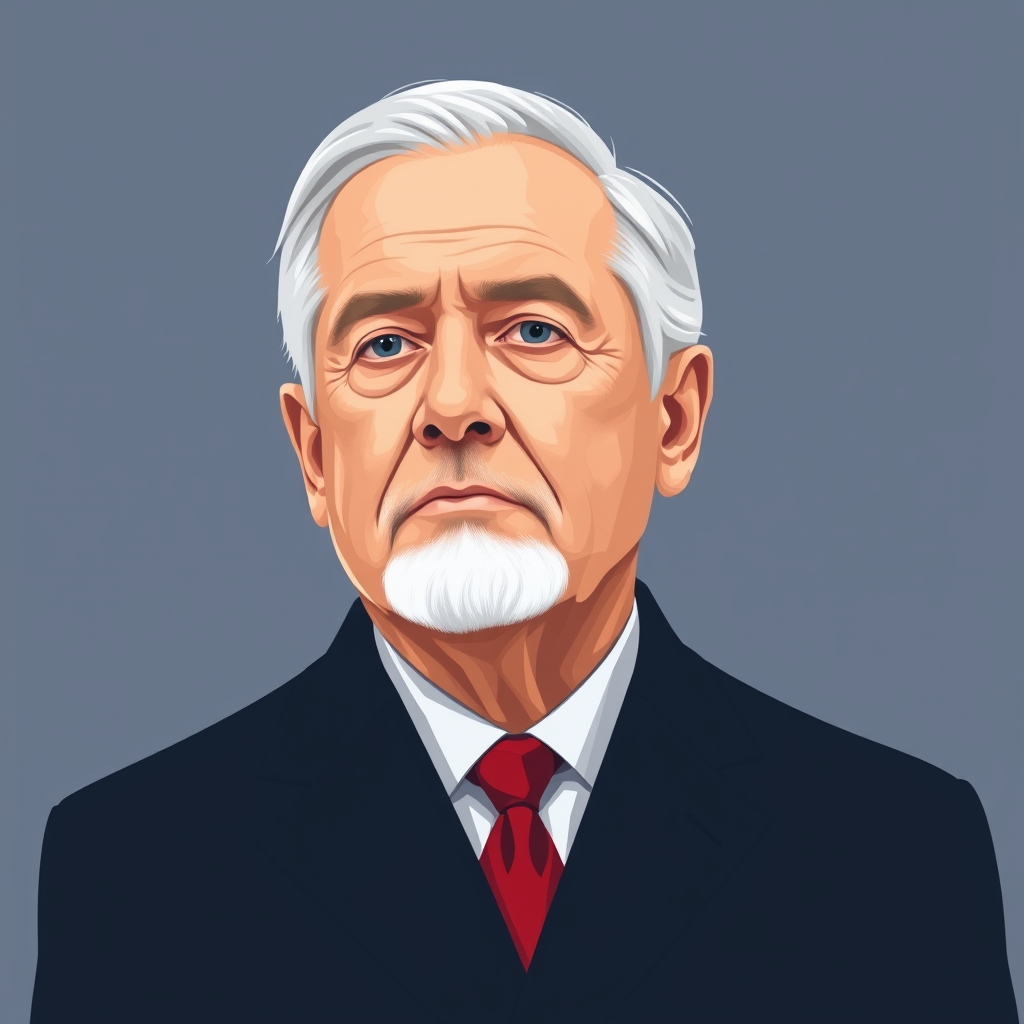
Gillette Stadium is a sports and entertainment venue in Foxborough, Massachusetts, owned by Robert Kraft, who is also the owner of the New England Patriots NFL team.
Macklemore is an American rapper who was scheduled to perform as an opening act on Ed Sheeran's US tour, including a date at Gillette Stadium.
The dispute centers on Macklemore's removal from the tour and his barring from Gillette Stadium.
Kraft has said he had Macklemore removed because of comments and material he described as antisemitic and hateful, while Macklemore has said he was banned over a "free Palestine" statement and that Kraft pressured other NFL owners as well.
The disagreement raises questions about whether the removal was a justified response to controversial statements or an infringement on political expression.
*AI-generated summary of publicly available data. This is not an official statement of any party.
*AI-generated summary of publicly available statements and reporting. This is not an official statement of this party.
Supporters of Gillette Stadium owner argue that a privately owned venue has no cultural obligation to platform rhetoric it deems hostile to its community, framing the barring as a defense of local identity rather than censorship.
Supporters of the Gillette Stadium owner frame the venue as a private cultural space, arguing that its owner may curate performances consistent with the community's identity without hosting rhetoric seen as divisive.
Supporters of the Gillette Stadium owner counter that a private venue curating its own entertainment isn't state censorship, and they reject the comparison to historical silencing of dissidents.
Supporters of Gillette Stadium owner argue that a private venue holds the legal right to decide who performs on its property, so barring Macklemore over his rhetoric is a lawful exercise of that discretion, not state censorship.
Supporters of the Gillette Stadium owner argue a private venue holds no state-action duty to host speech, so barring Macklemore over his rhetoric is a lawful exercise of contractual and property rights.
Supporters of Gillette Stadium owner counter that, as a private venue, the owner holds no state-action free-speech duty and may set booking terms; any claim sounds in contract, not constitutional principle.
Supporters of the Gillette Stadium owner argue that a private venue answers to its paying audience and partners, not to a performer's politics, so barring Macklemore protects the business from risk.
Supporters of the Gillette Stadium owner argue that a private venue answers to its paying audience and partners, not to a performer's politics, so barring Macklemore is a pragmatic call to protect the business.
Supporters of Gillette Stadium owner counter that every venue picks its acts; Macklemore’s booking is a business call, not a verdict on his politics, and no promoter owes an artist a stage.
Supporters of the Gillette Stadium owner argue that a private venue has the moral right to decide who performs on its stage, and that barring Macklemore over his rhetoric reflects a legitimate judgment about the speech it chooses to host.
Supporters of the Gillette Stadium owner argue that a private venue owner has the moral right to decide who performs on his property, and that declining to host speech he finds objectionable is an exercise of his own free expression, not censorship.
Supporters of Gillette Stadium's owner counter that a private venue's moral right to decline a performance is itself an exercise of conscience, not its suppression.
Supporters of the Gillette Stadium owner argue that a venue has a moral duty to guard its community from rhetoric that could incite harm, citing religious teachings on protecting neighbors and preserving peace.
Supporters of the Gillette Stadium owner argue that a venue owner may exercise moral discernment over what speech it hosts, invoking the principle that religious conscience and sacred space deserve protection.
Supporters of Gillette Stadium owner counter that private property and contractual authority, not conscience, govern bookings; honoring one faith's moral witness does not obligate a venue owner to host every expression of it.
*AI-generated summary of publicly available statements and reporting. This is not an official statement of this party.
Supporters of Macklemore argue that barring an artist over Palestine advocacy echoes a long cultural pattern of silencing dissenting voices, and that venues historically censored performers whose politics challenged power.
Supporters of Macklemore argue that a venue owner barring an artist over Palestine advocacy echoes a long cultural pattern of sidelining dissident voices, and that such precedent should give the public pause.
Supporters of Macklemore counter that a venue hosting a hometown team's cultural rituals has long borrowed from the very communities it now silences, so invoking local identity to bar dissent is selective memory.
Supporters of Macklemore argue the stadium owner's barring of the rapper over Palestine advocacy violates free speech principles, since private venues shouldn't penalize political expression without clear contractual cause.
Supporters of Macklemore argue that a private venue owner barring him over Palestine advocacy is lawful but sets a troubling precedent for political speech.
Supporters of Macklemore counter that a private venue owner’s discretion, when exercised under state-granted authority and public subsidy, may trigger constitutional scrutiny rather than escape it.
Supporters of Macklemore argue the stadium owner wields power, not principle: barring him protects business ties and political allies, showing speech is tolerated only when it costs nothing.
Supporters of Macklemore argue the stadium owner’s real motive is risk-aversion, not principle: punishing his Palestine rhetoric to shield the venue from political blowback and preserve its commercial interests.
Supporters of Macklemore counter that a venue answering only to paying audiences is exactly the leverage used against it: the artist's fans are also customers, and their boycott threat now costs more than the booking ever did.
Supporters of Macklemore argue that barring an artist over political speech is unjust, since silencing dissent punishes conscience rather than conduct. They maintain that a venue's power to exclude should not become a tool for suppressing lawful advocacy.
Supporters of Macklemore argue that barring an artist over Palestine advocacy sets a chilling precedent, treating political speech as grounds for exclusion. They maintain that a venue's moral duty is to protect expression, not punish it.
Supporters of Macklemore counter that a venue open to the public cannot invoke private morality selectively, arguing that punishing an artist's political speech while profiting from public attendance is itself a moral inconsistency.
Supporters of Macklemore invoke religious conscience, arguing that barring an artist over Palestine advocacy penalizes moral conviction rooted in faith and tradition, and that venues should not police belief.
Supporters of Macklemore argue that religious conscience and prophetic speech have long been protected, and that a stadium owner barring him over Palestine advocacy echoes historic suppression of moral witness.
Supporters of Macklemore counter that religious freedom itself protects the conscience of the artist, and that silencing speech to preserve peace risks the deeper duty of loving the neighbor by hearing them.
AI-generated summary of publicly available statements and reporting. This is not an official statement of this party.
Supporters of Gillette Stadium owner argue that a privately owned venue has no cultural obligation to platform rhetoric it deems hostile to its community, framing the barring as a defense of local identity rather than censorship.
Supporters of the Gillette Stadium owner frame the venue as a private cultural space, arguing that its owner may curate performances consistent with the community's identity without hosting rhetoric seen as divisive.
Supporters of the Gillette Stadium owner counter that a private venue curating its own entertainment isn't state censorship, and they reject the comparison to historical silencing of dissidents.
Supporters of Gillette Stadium owner argue that a private venue holds the legal right to decide who performs on its property, so barring Macklemore over his rhetoric is a lawful exercise of that discretion, not state censorship.
Supporters of the Gillette Stadium owner argue a private venue holds no state-action duty to host speech, so barring Macklemore over his rhetoric is a lawful exercise of contractual and property rights.
Supporters of Gillette Stadium owner counter that, as a private venue, the owner holds no state-action free-speech duty and may set booking terms; any claim sounds in contract, not constitutional principle.
Supporters of the Gillette Stadium owner argue that a private venue answers to its paying audience and partners, not to a performer's politics, so barring Macklemore protects the business from risk.
Supporters of the Gillette Stadium owner argue that a private venue answers to its paying audience and partners, not to a performer's politics, so barring Macklemore is a pragmatic call to protect the business.
Supporters of Gillette Stadium owner counter that every venue picks its acts; Macklemore’s booking is a business call, not a verdict on his politics, and no promoter owes an artist a stage.
Supporters of the Gillette Stadium owner argue that a private venue has the moral right to decide who performs on its stage, and that barring Macklemore over his rhetoric reflects a legitimate judgment about the speech it chooses to host.
Supporters of the Gillette Stadium owner argue that a private venue owner has the moral right to decide who performs on his property, and that declining to host speech he finds objectionable is an exercise of his own free expression, not censorship.
Supporters of Gillette Stadium's owner counter that a private venue's moral right to decline a performance is itself an exercise of conscience, not its suppression.
Supporters of the Gillette Stadium owner argue that a venue has a moral duty to guard its community from rhetoric that could incite harm, citing religious teachings on protecting neighbors and preserving peace.
Supporters of the Gillette Stadium owner argue that a venue owner may exercise moral discernment over what speech it hosts, invoking the principle that religious conscience and sacred space deserve protection.
Supporters of Gillette Stadium owner counter that private property and contractual authority, not conscience, govern bookings; honoring one faith's moral witness does not obligate a venue owner to host every expression of it.
Supporters of Macklemore argue that barring an artist over Palestine advocacy echoes a long cultural pattern of silencing dissenting voices, and that venues historically censored performers whose politics challenged power.
Supporters of Macklemore argue that a venue owner barring an artist over Palestine advocacy echoes a long cultural pattern of sidelining dissident voices, and that such precedent should give the public pause.
Supporters of Macklemore counter that a venue hosting a hometown team's cultural rituals has long borrowed from the very communities it now silences, so invoking local identity to bar dissent is selective memory.
Supporters of Macklemore argue the stadium owner's barring of the rapper over Palestine advocacy violates free speech principles, since private venues shouldn't penalize political expression without clear contractual cause.
Supporters of Macklemore argue that a private venue owner barring him over Palestine advocacy is lawful but sets a troubling precedent for political speech.
Supporters of Macklemore counter that a private venue owner’s discretion, when exercised under state-granted authority and public subsidy, may trigger constitutional scrutiny rather than escape it.
Supporters of Macklemore argue the stadium owner wields power, not principle: barring him protects business ties and political allies, showing speech is tolerated only when it costs nothing.
Supporters of Macklemore argue the stadium owner’s real motive is risk-aversion, not principle: punishing his Palestine rhetoric to shield the venue from political blowback and preserve its commercial interests.
Supporters of Macklemore counter that a venue answering only to paying audiences is exactly the leverage used against it: the artist's fans are also customers, and their boycott threat now costs more than the booking ever did.
Supporters of Macklemore argue that barring an artist over political speech is unjust, since silencing dissent punishes conscience rather than conduct. They maintain that a venue's power to exclude should not become a tool for suppressing lawful advocacy.
Supporters of Macklemore argue that barring an artist over Palestine advocacy sets a chilling precedent, treating political speech as grounds for exclusion. They maintain that a venue's moral duty is to protect expression, not punish it.
Supporters of Macklemore counter that a venue open to the public cannot invoke private morality selectively, arguing that punishing an artist's political speech while profiting from public attendance is itself a moral inconsistency.
Supporters of Macklemore invoke religious conscience, arguing that barring an artist over Palestine advocacy penalizes moral conviction rooted in faith and tradition, and that venues should not police belief.
Supporters of Macklemore argue that religious conscience and prophetic speech have long been protected, and that a stadium owner barring him over Palestine advocacy echoes historic suppression of moral witness.
Supporters of Macklemore counter that religious freedom itself protects the conscience of the artist, and that silencing speech to preserve peace risks the deeper duty of loving the neighbor by hearing them.
Gillette Stadium owner cites concerns over Macklemore's rhetoric as reason for barring him from performances.
New England Patriots owner Robert Kraft, who also owns Gillette Stadium, said he had rapper Macklemore removed as an opening act, stating that the performance would cross a line.
Robert Kraft said Macklemore would not play Gillette Stadium with Ed Sheeran after comments and material he called antisemitic and hateful.
Macklemore said Patriots owner Robert Kraft banned him from Gillette Stadium for a "free Palestine" statement and got other NFL owners to do the same.
Macklemore said stadium owners, including Robert Kraft, forced him off Ed Sheeran's tour after the rapper called to "free Palestine."