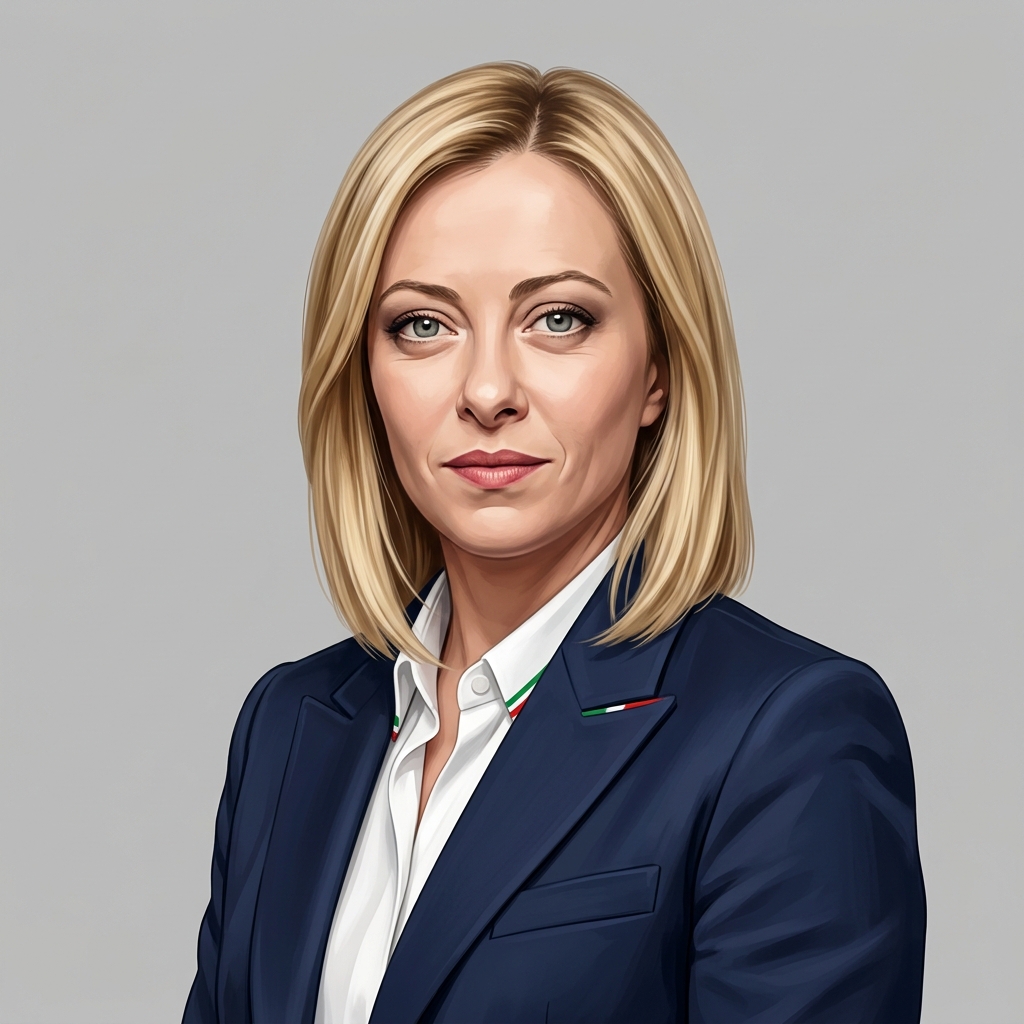
Giorgia Meloni
VS
Muslim communities
Giorgia Meloni is the Prime Minister of Italy and leader of the right-wing Brothers of Italy party, which has advanced anti-immigration and anti-Islam agendas.
Muslim communities in Italy comprise a diverse population of citizens, residents, and migrants who practice Islam and seek to live and worship freely within Italian society.
The two sides are in conflict over proposals to ban face coverings such as the burqa and niqab in public spaces and schools.
Meloni's party has called for such a ban as part of a broader agenda that critics describe as Islamophobic, while Muslim communities and civil liberties advocates oppose the measures as discriminatory restrictions on religious freedom and expression.
The dispute reflects broader tensions over religious freedom, integration, and security in Italy.
Meloni has promoted conspiracy theories about the Islamisation of Europe, and her policies have been criticized for pushing Muslims to the margins of Italian society.
*AI-generated summary of publicly available data. This is not an official statement of any party.
*AI-generated summary of publicly available statements and reporting. This is not an official statement of this party.
Supporters of Giorgia Meloni argue that banning face veils in schools defends a distinctly Italian cultural norm of visible, open interaction, framing the classroom as a shared civic space rather than a site for competing religious markers.
Supporters of Giorgia Meloni frame the school ban as cultural continuity, arguing Italy has long required face-covering neutrality in public institutions, and they maintain it protects integration rather than targeting faith.
Supporters of Giorgia Meloni counter that Italy's schools have long required visible faces, and that banning burqas and niqabs upholds a shared civic culture rather than erasing faith.
Supporters of Giorgia Meloni argue that banning burqas and niqabs in schools is a lawful matter of public order and national security, not religious discrimination, since Italy's constitution permits limits on religious expression when public safety requires it.
Supporters of Giorgia Meloni argue that a school ban on burqas and niqabs is a lawful matter of public order and institutional neutrality, not religious persecution.
Supporters of Giorgia Meloni counter that Italy's Constitutional Court has upheld laws restricting face coverings for public security under Article 5, and that school dress codes fall within institutional autonomy rather than personal expression.
Supporters of Giorgia Meloni argue the burqa ban is a calculated move to reclaim far-right voters from a rival party, trading a symbolic gesture for electoral leverage.
Supporters of Giorgia Meloni argue the burqa ban is less about faith than power: it lets her flank a far-right rival before elections, trading a symbolic crackdown for votes while costs fall on Muslim communities.
Supporters of Giorgia Meloni counter that banning face coverings is a popular, enforceable public-order measure; they argue critics misread incentives, since visible sovereignty gestures win voters without alienating allies.
Supporters of Giorgia Meloni frame the school ban as upholding secular state norms and gender equality, arguing that integration requires shared public rules rather than exemptions for religious dress.
Supporters of Giorgia Meloni argue that banning face-covering garments in schools upholds dignity and equality, framing visible identity as essential to integration and classroom trust.
Supporters of Giorgia Meloni counter that the state has a moral duty to protect women from coercion, arguing that a garment imposed as a social and religious obligation cannot be framed as a free expression of faith.
Supporters of Giorgia Meloni argue that banning burqas and niqabs in schools protects the religious freedom of students by preventing visible religious symbols from dividing classrooms and encourages integration into shared Italian values.
Supporters of Giorgia Meloni argue that visible religious face coverings like the burqa and niqab conflict with Italy's Christian-rooted public order and school neutrality, maintaining that secular classrooms require uncovered faces for integration and security.
Supporters of Giorgia Meloni counter that visible religious face coverings conflict with the Italian state's own Catholic-rooted understanding of public dignity and secular school space.
*AI-generated summary of publicly available statements and reporting. This is not an official statement of this party.
Supporters of Muslim communities argue that banning burqas and niqabs in schools targets a religious identity, not a security threat, and that integration is better served by inclusion than by erasing cultural and faith expression.
Supporters of Muslim communities argue that banning burqas and niqabs in schools targets a religious and cultural identity, framing the garment as a matter of personal faith rather than a security threat.
Supporters of Muslim communities counter that Italian classrooms have long included diverse cultural and religious traditions, and that requiring one group to shed a visible marker treats cultural identity as a barrier rather than part of the shared civic fabric.
Supporters of Muslim communities argue that banning burqas and niqabs in schools violates Italy's constitutional guarantees of religious freedom and personal expression.
Supporters of Muslim communities argue that banning burqas and niqabs in schools violates Italy's constitutional guarantees of religious freedom and equal treatment under law.
Supporters of Muslim communities counter that Italy's constitutional religious-freedom guarantees and the European Convention on Human Rights bar blanket bans, since the state must show concrete harm, not generalized public-order claims, to restrict religious dress.
Supporters of Muslim communities argue Meloni’s burqa ban is a bid to outflank her far-right rival before elections, trading minority rights for votes rather than addressing real security threats.
Supporters of Muslim communities argue Meloni's burqa ban is electoral theater—a bid to strip the far-right rival's issue—and that resisting it means denying her the polarization she needs to win.
Supporters of Muslim communities counter that this electoral calculus ignores the state's deeper interest: visibly asserting sovereignty over religious dress costs little and signals control, making the ban a durable tool of governance, not a fleeting vote play.
Supporters of Muslim communities argue the proposed ban morally violates religious freedom and personal dignity, since it targets a faith minority's dress rather than any proven harm.
Supporters of Muslim communities argue that banning burqas and niqabs in Italy's schools morally wrongs women who wear them, since it targets religious expression rather than any proven harm.
Supporters of Muslim communities counter that secularism cannot be morally selective: a state that bars religious dress in schools while invoking gender equality must also confront the structural inequities that actually limit girls' choices, rather than targeting a symbol worn b.
Supporters of Muslim communities argue that banning burqas and niqabs in schools violates religious freedom, since wearing them is for many a sincere expression of faith protected by Italy's constitutional guarantees.
Supporters of Muslim communities argue that banning burqas and niqabs in schools targets a religious practice, and they maintain that Italy's tradition of religious freedom should protect conscientious dress as a matter of faith.
Supporters of Muslim communities counter that veiling is itself a religious practice, so banning burqas and niqabs in schools restricts free exercise rather than protecting it.
AI-generated summary of publicly available statements and reporting. This is not an official statement of this party.
Supporters of Giorgia Meloni argue that banning face veils in schools defends a distinctly Italian cultural norm of visible, open interaction, framing the classroom as a shared civic space rather than a site for competing religious markers.
Supporters of Giorgia Meloni frame the school ban as cultural continuity, arguing Italy has long required face-covering neutrality in public institutions, and they maintain it protects integration rather than targeting faith.
Supporters of Giorgia Meloni counter that Italy's schools have long required visible faces, and that banning burqas and niqabs upholds a shared civic culture rather than erasing faith.
Supporters of Giorgia Meloni argue that banning burqas and niqabs in schools is a lawful matter of public order and national security, not religious discrimination, since Italy's constitution permits limits on religious expression when public safety requires it.
Supporters of Giorgia Meloni argue that a school ban on burqas and niqabs is a lawful matter of public order and institutional neutrality, not religious persecution.
Supporters of Giorgia Meloni counter that Italy's Constitutional Court has upheld laws restricting face coverings for public security under Article 5, and that school dress codes fall within institutional autonomy rather than personal expression.
Supporters of Giorgia Meloni argue the burqa ban is a calculated move to reclaim far-right voters from a rival party, trading a symbolic gesture for electoral leverage.
Supporters of Giorgia Meloni argue the burqa ban is less about faith than power: it lets her flank a far-right rival before elections, trading a symbolic crackdown for votes while costs fall on Muslim communities.
Supporters of Giorgia Meloni counter that banning face coverings is a popular, enforceable public-order measure; they argue critics misread incentives, since visible sovereignty gestures win voters without alienating allies.
Supporters of Giorgia Meloni frame the school ban as upholding secular state norms and gender equality, arguing that integration requires shared public rules rather than exemptions for religious dress.
Supporters of Giorgia Meloni argue that banning face-covering garments in schools upholds dignity and equality, framing visible identity as essential to integration and classroom trust.
Supporters of Giorgia Meloni counter that the state has a moral duty to protect women from coercion, arguing that a garment imposed as a social and religious obligation cannot be framed as a free expression of faith.
Supporters of Giorgia Meloni argue that banning burqas and niqabs in schools protects the religious freedom of students by preventing visible religious symbols from dividing classrooms and encourages integration into shared Italian values.
Supporters of Giorgia Meloni argue that visible religious face coverings like the burqa and niqab conflict with Italy's Christian-rooted public order and school neutrality, maintaining that secular classrooms require uncovered faces for integration and security.
Supporters of Giorgia Meloni counter that visible religious face coverings conflict with the Italian state's own Catholic-rooted understanding of public dignity and secular school space.
Supporters of Muslim communities argue that banning burqas and niqabs in schools targets a religious identity, not a security threat, and that integration is better served by inclusion than by erasing cultural and faith expression.
Supporters of Muslim communities argue that banning burqas and niqabs in schools targets a religious and cultural identity, framing the garment as a matter of personal faith rather than a security threat.
Supporters of Muslim communities counter that Italian classrooms have long included diverse cultural and religious traditions, and that requiring one group to shed a visible marker treats cultural identity as a barrier rather than part of the shared civic fabric.
Supporters of Muslim communities argue that banning burqas and niqabs in schools violates Italy's constitutional guarantees of religious freedom and personal expression.
Supporters of Muslim communities argue that banning burqas and niqabs in schools violates Italy's constitutional guarantees of religious freedom and equal treatment under law.
Supporters of Muslim communities counter that Italy's constitutional religious-freedom guarantees and the European Convention on Human Rights bar blanket bans, since the state must show concrete harm, not generalized public-order claims, to restrict religious dress.
Supporters of Muslim communities argue Meloni’s burqa ban is a bid to outflank her far-right rival before elections, trading minority rights for votes rather than addressing real security threats.
Supporters of Muslim communities argue Meloni's burqa ban is electoral theater—a bid to strip the far-right rival's issue—and that resisting it means denying her the polarization she needs to win.
Supporters of Muslim communities counter that this electoral calculus ignores the state's deeper interest: visibly asserting sovereignty over religious dress costs little and signals control, making the ban a durable tool of governance, not a fleeting vote play.
Supporters of Muslim communities argue the proposed ban morally violates religious freedom and personal dignity, since it targets a faith minority's dress rather than any proven harm.
Supporters of Muslim communities argue that banning burqas and niqabs in Italy's schools morally wrongs women who wear them, since it targets religious expression rather than any proven harm.
Supporters of Muslim communities counter that secularism cannot be morally selective: a state that bars religious dress in schools while invoking gender equality must also confront the structural inequities that actually limit girls' choices, rather than targeting a symbol worn b.
Supporters of Muslim communities argue that banning burqas and niqabs in schools violates religious freedom, since wearing them is for many a sincere expression of faith protected by Italy's constitutional guarantees.
Supporters of Muslim communities argue that banning burqas and niqabs in schools targets a religious practice, and they maintain that Italy's tradition of religious freedom should protect conscientious dress as a matter of faith.
Supporters of Muslim communities counter that veiling is itself a religious practice, so banning burqas and niqabs in schools restricts free exercise rather than protecting it.
Prime minister of Italy's longest serving government since WW2 faces election threat from far-right rival party.
Italian MPs from Prime Minister Giorgia Meloni's party called for a ban on face coverings such as the burqa and niqab in public spaces.
Reports and opinion pieces accused Prime Minister Giorgia Meloni of implementing Islamophobic policies that push Muslims to the margins of Italian society.