Sindarov

VS
Gukesh
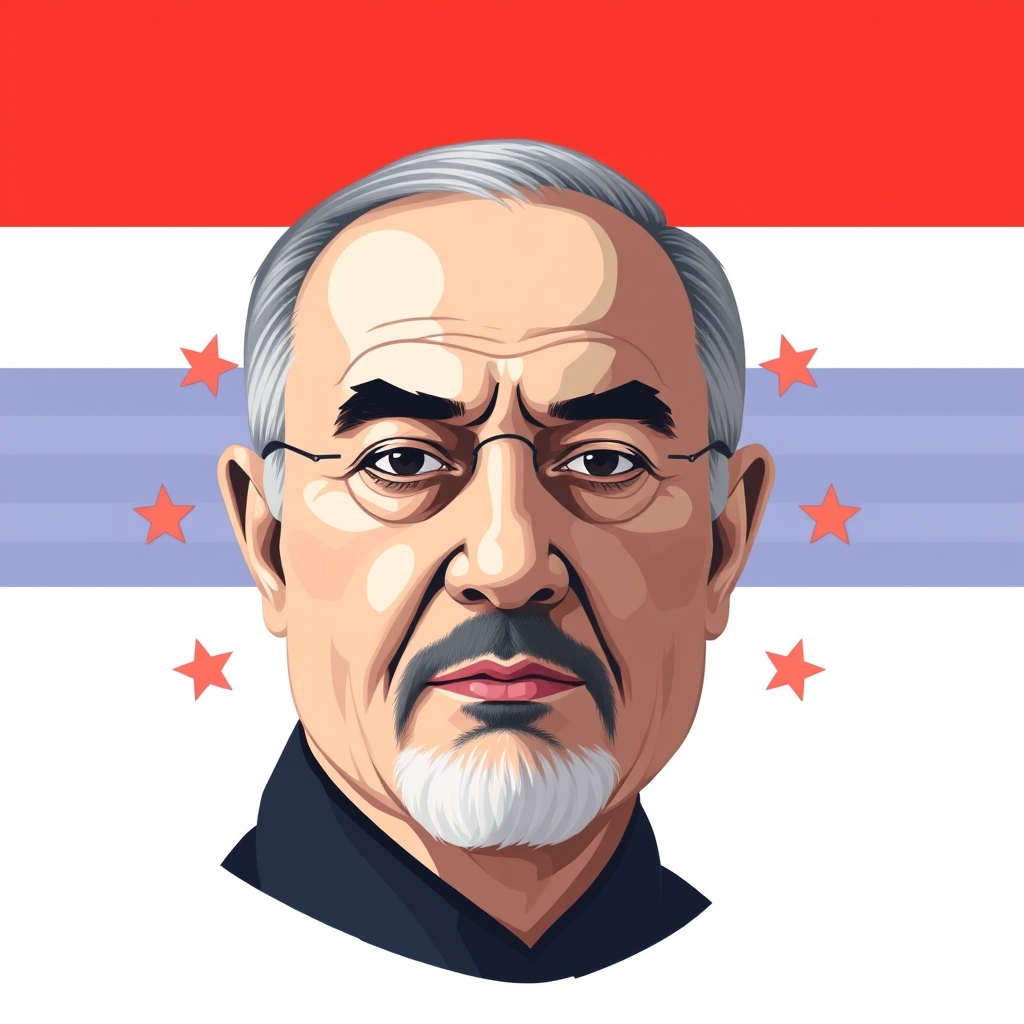
India's Gukesh defends his World Chess Championship title against Uzbekistan's Javokhir Sindarov in Geneva starting November 22.
The match is scheduled for up to 14 games and is noted as the youngest World Chess Championship in history.
*AI-generated summary of publicly available data. This is not an official statement of any party.
*AI-generated summary of publicly available statements and reporting. This is not an official statement of this party.
Supporters of Sindarov frame the match as a cultural milestone for Uzbekistan and Central Asia, arguing that a young challenger from the region's rising chess tradition signals a shift in a game long dominated by established powers.
Supporters of Sindarov frame the Geneva match as a cultural milestone for Central Asia, casting Uzbekistan's rise in chess as a revival of the region's storied intellectual heritage.
Supporters of Sindarov counter that modern chess culture is global and hybrid, not inherited through national lineage, and they challenge the claim that defending a title upholds tradition—arguing that cross-cultural exchange, not continuity, defines the game.
Supporters of Sindarov argue that under FIDE's championship regulations, the challenger earns his title shot through the formal qualification cycle, giving Sindarov a legally valid claim to contest the crown in Geneva.
Sindarov's supporters argue that the title must be earned solely through FIDE's sanctioned 14-game match in Geneva, and that any narrative favoring Gukesh outside the board lacks legal standing.
Supporters of Sindarov counter that the title passes only by the match's own rules, so the champion's claim to hold it until a challenger satisfies formal conditions is itself a legal conclusion the 14-game contest alone can settle.
Supporters of Sindarov argue the challenger holds the structural advantage: as the younger, lower-ranked player he carries no title burden, and every drawn game serves his interest by dragging the favorite into deeper pressure.
Supporters of Sindarov argue the challenger holds the structural advantage: youth, nothing to defend, and the freedom to force sharp, destabilizing positions while Gukesh bears the psychological burden of the title.
Supporters of Sindarov counter that a 14-game grind rewards the incumbent’s comfort, not merit, and that youth is leverage: fresher calculation and lower stakes let Sindarov press long games while Gukesh carries the heavier cost of defending.
Supporters of Sindarov argue that moral merit, not reputation, should decide the title, and they point to the youngest-ever championship as proof that a newcomer deserves the same respect and fair chance as the defending champion.
Supporters of Sindarov argue that his ascent to the title match reflects merit earned through fair competition, maintaining that the youngest championship in history honors the game's principle that talent, not age or pedigree, should decide who competes at the highest level.
Supporters of Sindarov counter that a title earned through open competition still carries a moral duty to honor the game's traditions, arguing that merit alone, severed from respect for inherited custom, cannot justify a claim to the crown.
Supporters of Sindarov frame the match as a contest of cultural continuity, arguing that the Uzbek challenger carries the inherited wisdom and discipline of his nation's chess tradition into Geneva.
Supporters of Sindarov frame the match as a meeting of distinct chess traditions, noting the game's roots in Islamic and Central Asian culture and arguing that Sindarov carries that inherited legacy onto the world stage.
Supporters of Sindarov counter that humility is not proven by outward calm but by reverence for the game's inherited traditions, arguing that Gukesh's disciplined demeanor reflects personal discipline rather than the faithful stewardship of chess's enduring order that Sindarov's.
*AI-generated summary of publicly available statements and reporting. This is not an official statement of this party.
Supporters of Gukesh frame the match as a test of inherited chess tradition, arguing that his title defense upholds India's classical lineage and the continuity of established championship order against a younger challenger.
Supporters of Gukesh argue that his title defense upholds India's deep chess heritage and the continuity of a classical championship tradition, framing the match as a cultural milestone worth preserving.
Supporters of Gukesh counter that India's chess lineage long predates any regional "shift," citing Anand's reign and the world's largest junior pipeline as proof the tradition never left.
Supporters of Gukesh argue that as defending champion, he holds the legal right to the title until a challenger meets the match's formal conditions, and that Sindarov must earn the crown through the agreed 14-game contest rather than by reputation.
Supporters of Gukesh argue that the title is legitimately his to defend under FIDE's championship rules, and that the scheduled 14-game match in Geneva is the lawful, agreed mechanism for determining the champion.
Supporters of Gukesh counter that the champion's title defense is itself a contractual term under FIDE regulations, so Sindarov's qualification path cannot override the incumbent's legally binding rights.
Supporters of Gukesh argue that defending the title in a 14-game match rewards proven stamina and preparation, framing Sindarov's youth as inexperience that disciplined, incumbent play can exploit over the long schedule.
Supporters of Gukesh argue the incumbent's edge is structural: defending champion status, proven 14-game match stamina, and the pressure of challenger status all favor him in Geneva.
Supporters of Gukesh counter that the "no burden" framing misreads incentives: the favorite's rating and preparation are leverage, not liability, and drawing games only postpones the reckoning Sindarov must eventually force.
Supporters of Gukesh argue that his title defense reflects a moral meritocracy: the championship belongs to whoever earns it through voluntary, open competition, not to entitlement or reputation.
Supporters of Gukesh argue that the champion earned his title through open competition and deserves to defend it on the board, not through outside interference.
Supporters of Gukesh counter that earned merit is expressed through the voluntary terms of the contest itself; a title earned under agreed rules carries moral weight, and outsiders cannot override those terms to impose a different standard.
Supporters of Gukesh frame his title defense as a test of humility and disciplined faith, arguing that his calm, principled conduct at the board reflects the virtue of stewardship over God-given talent rather than personal glory.
Supporters of Gukesh frame his title defense as a test of disciplined preparation and humility, invoking the principle that talent is a trust to be honored through diligent work rather than vainglory.
Supporters of Gukesh counter that divine favor, not inherited tradition, decides the contest, citing scripture that God raises the humble and that wisdom is granted by the Lord apart from lineage.
AI-generated summary of publicly available statements and reporting. This is not an official statement of this party.
Supporters of Sindarov frame the match as a cultural milestone for Uzbekistan and Central Asia, arguing that a young challenger from the region's rising chess tradition signals a shift in a game long dominated by established powers.
Supporters of Sindarov frame the Geneva match as a cultural milestone for Central Asia, casting Uzbekistan's rise in chess as a revival of the region's storied intellectual heritage.
Supporters of Sindarov counter that modern chess culture is global and hybrid, not inherited through national lineage, and they challenge the claim that defending a title upholds tradition—arguing that cross-cultural exchange, not continuity, defines the game.
Supporters of Sindarov argue that under FIDE's championship regulations, the challenger earns his title shot through the formal qualification cycle, giving Sindarov a legally valid claim to contest the crown in Geneva.
Sindarov's supporters argue that the title must be earned solely through FIDE's sanctioned 14-game match in Geneva, and that any narrative favoring Gukesh outside the board lacks legal standing.
Supporters of Sindarov counter that the title passes only by the match's own rules, so the champion's claim to hold it until a challenger satisfies formal conditions is itself a legal conclusion the 14-game contest alone can settle.
Supporters of Sindarov argue the challenger holds the structural advantage: as the younger, lower-ranked player he carries no title burden, and every drawn game serves his interest by dragging the favorite into deeper pressure.
Supporters of Sindarov argue the challenger holds the structural advantage: youth, nothing to defend, and the freedom to force sharp, destabilizing positions while Gukesh bears the psychological burden of the title.
Supporters of Sindarov counter that a 14-game grind rewards the incumbent’s comfort, not merit, and that youth is leverage: fresher calculation and lower stakes let Sindarov press long games while Gukesh carries the heavier cost of defending.
Supporters of Sindarov argue that moral merit, not reputation, should decide the title, and they point to the youngest-ever championship as proof that a newcomer deserves the same respect and fair chance as the defending champion.
Supporters of Sindarov argue that his ascent to the title match reflects merit earned through fair competition, maintaining that the youngest championship in history honors the game's principle that talent, not age or pedigree, should decide who competes at the highest level.
Supporters of Sindarov counter that a title earned through open competition still carries a moral duty to honor the game's traditions, arguing that merit alone, severed from respect for inherited custom, cannot justify a claim to the crown.
Supporters of Sindarov frame the match as a contest of cultural continuity, arguing that the Uzbek challenger carries the inherited wisdom and discipline of his nation's chess tradition into Geneva.
Supporters of Sindarov frame the match as a meeting of distinct chess traditions, noting the game's roots in Islamic and Central Asian culture and arguing that Sindarov carries that inherited legacy onto the world stage.
Supporters of Sindarov counter that humility is not proven by outward calm but by reverence for the game's inherited traditions, arguing that Gukesh's disciplined demeanor reflects personal discipline rather than the faithful stewardship of chess's enduring order that Sindarov's.
Supporters of Gukesh frame the match as a test of inherited chess tradition, arguing that his title defense upholds India's classical lineage and the continuity of established championship order against a younger challenger.
Supporters of Gukesh argue that his title defense upholds India's deep chess heritage and the continuity of a classical championship tradition, framing the match as a cultural milestone worth preserving.
Supporters of Gukesh counter that India's chess lineage long predates any regional "shift," citing Anand's reign and the world's largest junior pipeline as proof the tradition never left.
Supporters of Gukesh argue that as defending champion, he holds the legal right to the title until a challenger meets the match's formal conditions, and that Sindarov must earn the crown through the agreed 14-game contest rather than by reputation.
Supporters of Gukesh argue that the title is legitimately his to defend under FIDE's championship rules, and that the scheduled 14-game match in Geneva is the lawful, agreed mechanism for determining the champion.
Supporters of Gukesh counter that the champion's title defense is itself a contractual term under FIDE regulations, so Sindarov's qualification path cannot override the incumbent's legally binding rights.
Supporters of Gukesh argue that defending the title in a 14-game match rewards proven stamina and preparation, framing Sindarov's youth as inexperience that disciplined, incumbent play can exploit over the long schedule.
Supporters of Gukesh argue the incumbent's edge is structural: defending champion status, proven 14-game match stamina, and the pressure of challenger status all favor him in Geneva.
Supporters of Gukesh counter that the "no burden" framing misreads incentives: the favorite's rating and preparation are leverage, not liability, and drawing games only postpones the reckoning Sindarov must eventually force.
Supporters of Gukesh argue that his title defense reflects a moral meritocracy: the championship belongs to whoever earns it through voluntary, open competition, not to entitlement or reputation.
Supporters of Gukesh argue that the champion earned his title through open competition and deserves to defend it on the board, not through outside interference.
Supporters of Gukesh counter that earned merit is expressed through the voluntary terms of the contest itself; a title earned under agreed rules carries moral weight, and outsiders cannot override those terms to impose a different standard.
Supporters of Gukesh frame his title defense as a test of humility and disciplined faith, arguing that his calm, principled conduct at the board reflects the virtue of stewardship over God-given talent rather than personal glory.
Supporters of Gukesh frame his title defense as a test of disciplined preparation and humility, invoking the principle that talent is a trust to be honored through diligent work rather than vainglory.
Supporters of Gukesh counter that divine favor, not inherited tradition, decides the contest, citing scripture that God raises the humble and that wisdom is granted by the Lord apart from lineage.
Gukesh defends his title against Sindarov in Geneva in a match of up to 14 games.