Hakainde Hichilema
VS
Zambian opposition
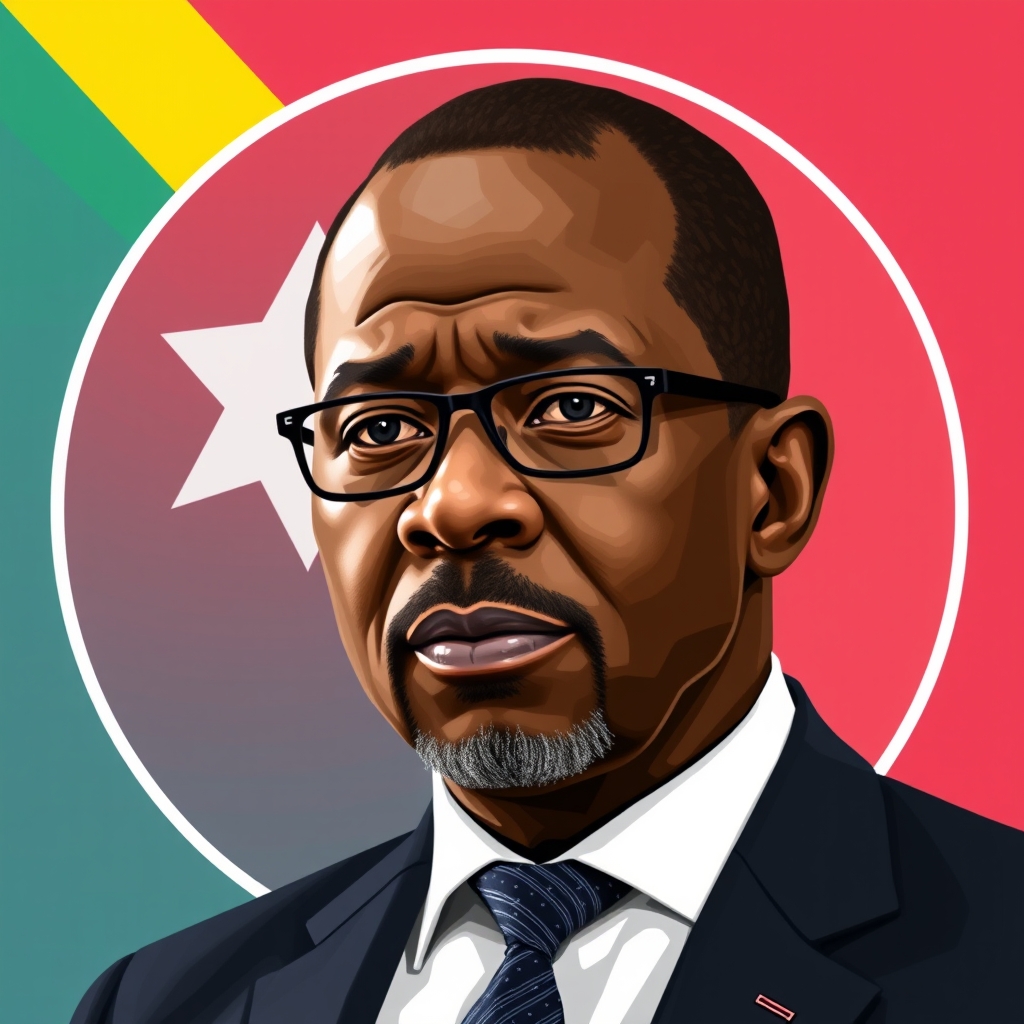
Hakainde Hichilema is the incumbent President of Zambia and leader of the United Party for National Development (UPND).
He was elected in August 2021, defeating then-President Edgar Lungu, who had been in office since 2015.
Prior to his presidency, Hichilema was a prominent opposition figure and was arrested in April 2017 during Lungu's tenure.
The Zambian opposition, including the Patriotic Front (PF), is challenging Hichilema's re-election bid.
The PF has taken Hichilema to court, accusing him of launching a constitutional review process that they oppose.
The upcoming presidential election, scheduled for August 2026, will see Hichilema face at least 13 contenders, with key voter concerns including the cost of living and unemployment.
*AI-generated summary of publicly available data. This is not an official statement of any party.
*AI-generated summary of publicly available statements and reporting. This is not an official statement of this party.
Supporters of Hakainde Hichilema argue his reform drive echoes Zambia’s post-independence resolve, seeing continuity as a cultural duty to finish what past leaders started, not a break from tradition.
Supporters of Hakainde Hichilema argue that his re-election reflects Zambia’s cultural resilience, framing past economic crises as cyclical tests that his reforms now break.
Supporters of Hakainde Hichilema counter that Zambia’s cultural resilience lies not in rejecting global engagement, but in adapting it—citing past trade networks that thrived on exchange, not isolation.
Supporters of Hakainde Hichilema argue that his re-election ensures legal continuity of anti-corruption reforms and debt-restructuring agreements, which the opposition’s platform would destabilize.
Supporters of Hakainde Hichilema argue that Zambia’s electoral law, including constitutional term limits, affirms his lawful candidacy, and they maintain that the 2026 vote’s legal framework ensures his reform mandate continues under established judicial oversight.
Supporters of Hakainde Hichilema counter that all emergency cost-of-living measures were enacted under existing statutory frameworks, with judicial oversight available for any challenge.
Supporters of Hakainde Hichilema argue his incumbency controls the state machinery, patronage networks, and the narrative of economic recovery, making opposition discontent a weak counterweight against the raw leverage of incumbency.
Supporters of Hakainde Hichilema argue that incumbency and control over state resources give him the decisive edge, making opposition discontent irrelevant without the leverage to match his patronage machine.
Supporters of Hakainde Hichilema counter that the opposition’s focus on discontent ignores the raw leverage of incumbency and donor-backed stabilization, which keeps the ruling party in power regardless of street sentiment.
Supporters of Hakainde Hichilema argue that re-electing him affirms the moral duty to honor voluntary contracts, as his reforms stem from a free-market mandate voters freely chose in 2021.
Supporters of Hakainde Hichilema argue that his re-election is a moral test of Zambia's commitment to voluntary exchange, as his reforms expand market freedom and individual autonomy against state coercion.
Supporters of Hakainde Hichilema counter that moral fruit requires the soil of economic freedom, and that charity without sustainable markets leaves the poor dependent, not dignified.
Supporters of Hakainde Hichilema argue that his stewardship reflects a divine mandate for orderly reform, citing scripture on justice and prudent governance as evidence that his economic policies align with godly stewardship.
Supporters of Hakainde Hichilema argue that his stewardship reflects a divine mandate to restore economic justice, citing scripture as evidence that faithful leadership endures through reform despite hardship.
Supporters of Hakainde Hichilema counter that true moral order is rooted in justice and stewardship, as scripture commands, not stagnant tradition; his reforms uplift the poor and uphold divine accountability.
*AI-generated summary of publicly available statements and reporting. This is not an official statement of this party.
Supporters of the Zambian opposition argue that Hichilema's reforms erode traditional communal values, and they champion a return to culturally rooted governance that prioritizes national identity over foreign economic models.
Supporters of the Zambian opposition argue that Hichilema's reforms erode traditional communal values, and they frame their campaign as a cultural restoration of indigenous governance and national identity.
Supporters of the Zambian opposition counter that Hichilema’s reforms sever the cultural thread of consultative leadership, evoking a colonial top-down model rather than the communal consensus of past movements.
Supporters of the Zambian opposition argue that Hichilema's government has bypassed legal procedures to push reforms, citing unconstitutional cost-of-living measures as evidence. They maintain that only a court-reviewed electoral process can restore lawful governance.
Supporters of the Zambian opposition argue the election’s legal integrity hinges on transparent enforcement of campaign finance laws, citing Hichilema’s incumbency advantage as a risk to fair process.
Supporters of the Zambian opposition counter that legal continuity under Hichilema has not shielded citizens from rights abuses, and they argue the debt-restructuring terms were never constitutionally ratified, making his reforms vulnerable to court challenge.
Supporters of the Zambian opposition argue that Hichilema's reform record is a liability, not an asset, and that economic discontent is the only leverage that matters.
Supporters of the Zambian opposition argue that Hichilema's reform record is a liability, not an asset, and that his survival hinges on elite patronage and control of state machinery, not popular will.
Supporters of the Zambian opposition counter that incumbency leverage is a brittle asset, as Hichilema’s own 2021 victory proved—state machinery did not save Edgar Lungu when urban discontent and fiscal collapse shifted incentives.
Supporters of the Zambian opposition argue that stewardship of power demands accountability to the hungry, and that Hichilema’s reforms, however sound, must be judged by their moral fruit in the lives of the poor.
Supporters of the Zambian opposition argue that a nation's moral duty is to judge leaders by their compassion for the poor, viewing Hichilema's reforms as a test of righteousness that fails the vulnerable.
Supporters of the Zambian opposition counter that a free-market mandate cannot sanctify broken promises, arguing that Hichilema’s reforms violate the moral covenant with voters who trusted his campaign pledges on welfare and fairness.
Supporters of the Zambian opposition argue that President Hichilema’s reforms disrupt the moral order inherited from faith-based and communal traditions, urging voters to restore stability through candidates who honor ancestral and Christian values.
Supporters of the Zambian opposition argue that Hichilema’s reforms disrupt the moral order upheld by faith traditions, and they call for leadership that honors the nation’s spiritual heritage.
Supporters of the Zambian opposition counter that divine mandate cannot be claimed for policies that burden the poor, citing scripture on mercy and the cry of the needy over mere economic order.
AI-generated summary of publicly available statements and reporting. This is not an official statement of this party.
Supporters of Hakainde Hichilema argue his reform drive echoes Zambia’s post-independence resolve, seeing continuity as a cultural duty to finish what past leaders started, not a break from tradition.
Supporters of Hakainde Hichilema argue that his re-election reflects Zambia’s cultural resilience, framing past economic crises as cyclical tests that his reforms now break.
Supporters of Hakainde Hichilema counter that Zambia’s cultural resilience lies not in rejecting global engagement, but in adapting it—citing past trade networks that thrived on exchange, not isolation.
Supporters of Hakainde Hichilema argue that his re-election ensures legal continuity of anti-corruption reforms and debt-restructuring agreements, which the opposition’s platform would destabilize.
Supporters of Hakainde Hichilema argue that Zambia’s electoral law, including constitutional term limits, affirms his lawful candidacy, and they maintain that the 2026 vote’s legal framework ensures his reform mandate continues under established judicial oversight.
Supporters of Hakainde Hichilema counter that all emergency cost-of-living measures were enacted under existing statutory frameworks, with judicial oversight available for any challenge.
Supporters of Hakainde Hichilema argue his incumbency controls the state machinery, patronage networks, and the narrative of economic recovery, making opposition discontent a weak counterweight against the raw leverage of incumbency.
Supporters of Hakainde Hichilema argue that incumbency and control over state resources give him the decisive edge, making opposition discontent irrelevant without the leverage to match his patronage machine.
Supporters of Hakainde Hichilema counter that the opposition’s focus on discontent ignores the raw leverage of incumbency and donor-backed stabilization, which keeps the ruling party in power regardless of street sentiment.
Supporters of Hakainde Hichilema argue that re-electing him affirms the moral duty to honor voluntary contracts, as his reforms stem from a free-market mandate voters freely chose in 2021.
Supporters of Hakainde Hichilema argue that his re-election is a moral test of Zambia's commitment to voluntary exchange, as his reforms expand market freedom and individual autonomy against state coercion.
Supporters of Hakainde Hichilema counter that moral fruit requires the soil of economic freedom, and that charity without sustainable markets leaves the poor dependent, not dignified.
Supporters of Hakainde Hichilema argue that his stewardship reflects a divine mandate for orderly reform, citing scripture on justice and prudent governance as evidence that his economic policies align with godly stewardship.
Supporters of Hakainde Hichilema argue that his stewardship reflects a divine mandate to restore economic justice, citing scripture as evidence that faithful leadership endures through reform despite hardship.
Supporters of Hakainde Hichilema counter that true moral order is rooted in justice and stewardship, as scripture commands, not stagnant tradition; his reforms uplift the poor and uphold divine accountability.
Supporters of the Zambian opposition argue that Hichilema's reforms erode traditional communal values, and they champion a return to culturally rooted governance that prioritizes national identity over foreign economic models.
Supporters of the Zambian opposition argue that Hichilema's reforms erode traditional communal values, and they frame their campaign as a cultural restoration of indigenous governance and national identity.
Supporters of the Zambian opposition counter that Hichilema’s reforms sever the cultural thread of consultative leadership, evoking a colonial top-down model rather than the communal consensus of past movements.
Supporters of the Zambian opposition argue that Hichilema's government has bypassed legal procedures to push reforms, citing unconstitutional cost-of-living measures as evidence. They maintain that only a court-reviewed electoral process can restore lawful governance.
Supporters of the Zambian opposition argue the election’s legal integrity hinges on transparent enforcement of campaign finance laws, citing Hichilema’s incumbency advantage as a risk to fair process.
Supporters of the Zambian opposition counter that legal continuity under Hichilema has not shielded citizens from rights abuses, and they argue the debt-restructuring terms were never constitutionally ratified, making his reforms vulnerable to court challenge.
Supporters of the Zambian opposition argue that Hichilema's reform record is a liability, not an asset, and that economic discontent is the only leverage that matters.
Supporters of the Zambian opposition argue that Hichilema's reform record is a liability, not an asset, and that his survival hinges on elite patronage and control of state machinery, not popular will.
Supporters of the Zambian opposition counter that incumbency leverage is a brittle asset, as Hichilema’s own 2021 victory proved—state machinery did not save Edgar Lungu when urban discontent and fiscal collapse shifted incentives.
Supporters of the Zambian opposition argue that stewardship of power demands accountability to the hungry, and that Hichilema’s reforms, however sound, must be judged by their moral fruit in the lives of the poor.
Supporters of the Zambian opposition argue that a nation's moral duty is to judge leaders by their compassion for the poor, viewing Hichilema's reforms as a test of righteousness that fails the vulnerable.
Supporters of the Zambian opposition counter that a free-market mandate cannot sanctify broken promises, arguing that Hichilema’s reforms violate the moral covenant with voters who trusted his campaign pledges on welfare and fairness.
Supporters of the Zambian opposition argue that President Hichilema’s reforms disrupt the moral order inherited from faith-based and communal traditions, urging voters to restore stability through candidates who honor ancestral and Christian values.
Supporters of the Zambian opposition argue that Hichilema’s reforms disrupt the moral order upheld by faith traditions, and they call for leadership that honors the nation’s spiritual heritage.
Supporters of the Zambian opposition counter that divine mandate cannot be claimed for policies that burden the poor, citing scripture on mercy and the cry of the needy over mere economic order.
The Zambian president starts a second term after a contested election exposed deep political divisions. His challenge now is to unite the country while addressing concerns over political freedoms.
Hakainde Hichilema swept to victory, but his main rival is now in detention charged with treason.
The election whose results are being disputed by the opposition.
Deadline for filing an election petition, with access to courts reportedly prevented.
Preparations for the second inauguration of President Hakainde Hichilema are ongoing.
Police confirm Mutotwe Kafwaya's death after growing demands for information about his whereabouts.
President Hakainde Hichilema won a second term in the election.
Hakainde Hichilema’s second term will test whether economic recovery can deliver real change for Zambians.
Election in which Hichilema is taking an early lead, with opposition alleging an armed raid and observers citing violence.
Upcoming national election in which the president seeks a second term.
Presidential election testing Hichilema's economic reforms against opposition alternatives.
Hichilema is set to face off against 13 contenders in Zambia's presidential race in August, with key voter concerns including cost of living and unemployment.
Zambians vote in a presidential election where incumbent Hakainde Hichilema seeks a second term.
Up to 8.7 million registered voters decide between Hichilema and opposition candidates.
A senior official from the Patriotic Front took President Hichilema to court, accusing him of launching a constitutional review process.
Zambia held a presidential election, after which the arrests occurred.
Zambia's judiciary closed on the last day to file election challenges.
Hakainde Hichilema re-elected president, defeating incumbent Edgar Lungu.
Election held amid economic crisis, with debt restructuring and inflation as key issues.
Hakainde Hichilema of the UPND was elected Zambia's seventh president in a landslide victory, defeating incumbent Edgar Lungu.
Election held in August 2021, results disputed by opposition.
Hichilema won a second term amid fraud allegations and violence.
Incumbent Hakainde Hichilema wins second term with about 61% of votes.
Hakainde Hichilema won over 60% of the vote in the first round, while authorities raided leading opposition figures on election night.
The election that led to Hichilema's second term is disputed by the opposition.
Hakainde Hichilema was arrested while he was a major opponent of President Edgar Lungu.