Hijabi students
VS
Azerbaijan school authorities
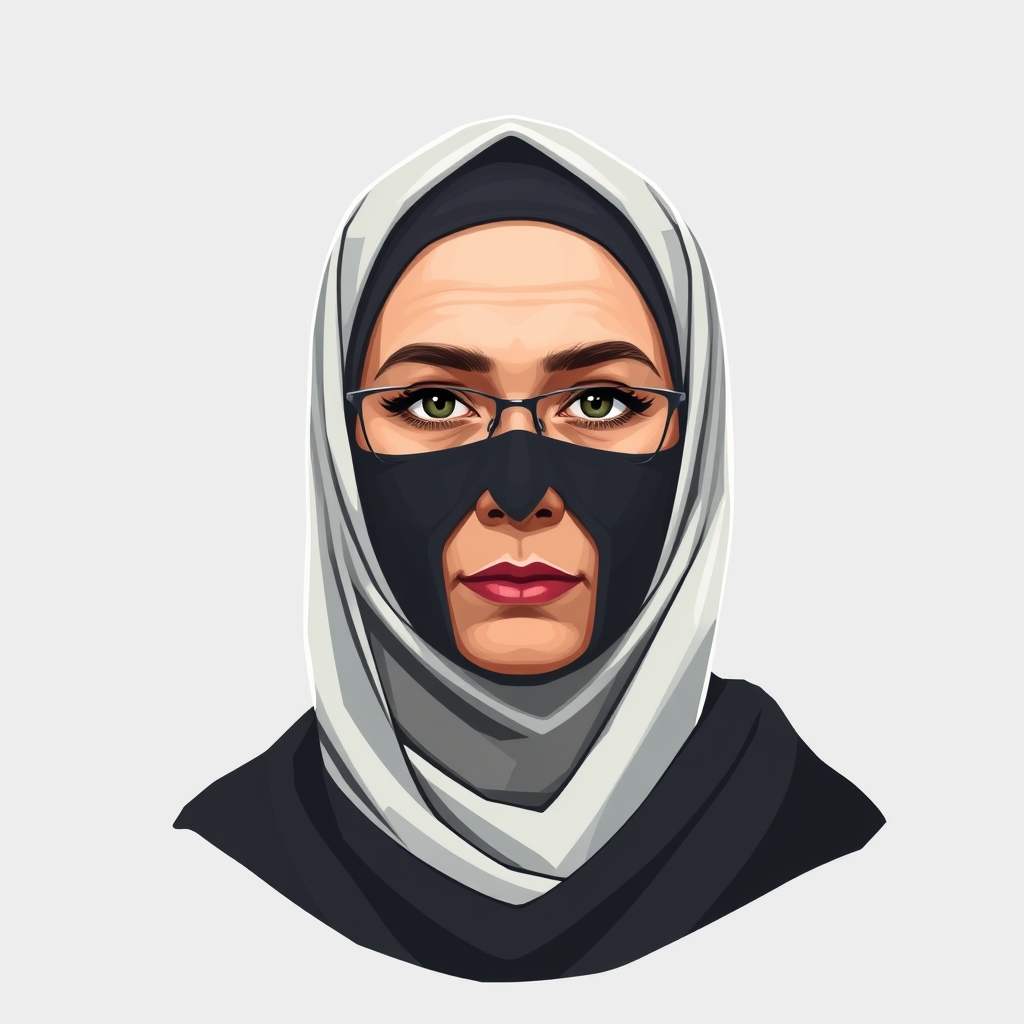
Hijabi students in Azerbaijan are female pupils who wear the hijab and attend the country's secular public schools.
Azerbaijan school authorities are the officials and administrators responsible for enforcing state education rules, including dress codes, in those schools.
The two sides have conflicting interests over whether the hijab may be worn in school.
According to reports, students have been denied entry to classes for wearing headscarves, which school authorities treat as a dress code violation, while the students seek to attend school while wearing the hijab.
The dispute reflects broader tensions over secular dress rules and religious expression in education.
The issue has a history in Azerbaijan.
In October 2012, an unauthorised protest outside the Ministry of Science and Education in Baku led to clashes with police and several detentions, and complaints about hijab restrictions have been raised repeatedly in later years.
In March 2026, allegations spread on social media that schools across the country were not allowing students wearing the hijab to attend classes, and detentions of Shia Muslims connected to the Azerbaijani Muslim Unity Movement were reported around the same period.
*AI-generated summary of publicly available data. This is not an official statement of any party.
*AI-generated summary of publicly available statements and reporting. This is not an official statement of this party.
Supporters of Hijabi students argue the headscarf is a cultural and religious tradition, not a political symbol, and denying entry erases their identity; they see secular dress codes as culturally biased.
Supporters of Hijabi students argue the headscarf is a cultural and religious tradition, not a political symbol, and denying entry erases a heritage Azerbaijanis have practiced for generations.
Supporters of the Hijabi students counter that secularism in Azerbaijan has long coexisted with Muslim practice, so framing the hijab as a break from tradition misreads the country's own cultural history.
Supporters of Hijabi students argue Azerbaijan's constitution and international treaties it signed protect religious expression, so blanket headscarf bans in schools lack clear legal basis and disproportionately burden girls' right to education.
Supporters of Hijabi students argue that barring them from school over headscarves violates Azerbaijan's education and religious-freedom commitments, making the policy legally disproportionate.
Supporters of the Hijabi students counter that a neutral rule can still unlawfully burden one faith, and Azerbaijan's own commitments to religious freedom mean equal application does not settle the legal question.
Supporters of Hijabi students argue the school's entry ban is less about secularism than leverage: excluding them forces families to choose between faith and schooling, ceding power to authorities.
Supporters of the Hijabi students argue that Azerbaijan's secular dress code is enforced selectively, so concessions come only through leverage—public pressure, outside scrutiny—not appeals to rights the state has already decided to ignore.
Supporters of the Hijabi students counter that Azerbaijan's own state apparatus depends on clerical legitimacy, so banning headscarves in schools costs the government more loyalty than it buys control.
Supporters of Hijabi students argue that barring them from school solely for wearing headscarves violates their moral right to education and religious expression, since no evidence shows the scarves harm others.
Supporters of Hijabi students argue that barring them from school for wearing headscarves violates their moral right to education and religious expression, since no evidence shows the scarves harmed anyone.
Supporters of Hijabi students counter that neutral-seeming bans are not equal in effect: they force believing girls to choose between faith and schooling, so the rule burdens one conscience while others feel nothing.
Supporters of Hijabi students argue that wearing the headscarf is a sincere act of faith and religious duty, so barring them from school burdens their conscience and denies their right to religious expression in education.
Supporters of Hijabi students argue that modesty is a sincere religious duty, so barring headscarves from school denies Muslim girls their right to live out their faith freely.
Supporters of Hijabi students counter that the school's secular order burdens their faith, since the Quran directs women to draw their veils, making the hijab an act of worship rather than a political statement.
*AI-generated summary of publicly available statements and reporting. This is not an official statement of this party.
Supporters of Azerbaijan’s school authorities argue that secular dress codes preserve the country’s longstanding tradition of public education open to all, and that uniform rules protect social cohesion.
Supporters of Azerbaijan's school authorities argue that secular dress codes preserve the country's inherited tradition of separating religion from public education, a continuity they see as essential to social order.
Supporters of Azerbaijan school authorities counter that secular dress codes reflect a shared national culture, and that uniform rules in schools preserve social cohesion rather than erase any single group's identity.
Supporters of Azerbaijan school authorities argue that secular dress codes are lawful regulations applied equally to all students, and that families voluntarily enroll knowing these rules.
Supporters of Azerbaijan school authorities argue that secular dress codes are lawful rules, and that voluntary enrollment in state schools means families accept those terms.
Supporters of Azerbaijan's school authorities counter that secular public education is itself a constitutional guarantee, and that uniform dress rules apply equally to all pupils, so no specific religious burden is legally imposed.
Supporters of Azerbaijan school authorities argue that uniform enforcement of secular dress codes preserves state control over schools and prevents religious symbols from becoming footholds for outside influence.
Supporters of Azerbaijan school authorities argue that secular dress codes preserve state control over education, and that enforcing them—even at the cost of turning students away—signals that no religious authority outranks the state's rules.
Supporters of Azerbaijan school authorities counter that the ban is compulsory education law, not leverage: exemptions would invite outside actors to set school rules, so visible control must stay with the state.
Supporters of Azerbaijan school authorities argue that secular dress codes protect students' equal access to education, maintaining that uniform rules apply to all faiths alike.
Supporters of Azerbaijan school authorities argue that secular dress codes preserve equal access and institutional neutrality, maintaining that uniform enforcement protects students from religious pressure and keeps education a shared civic space.
Supporters of Azerbaijan school authorities counter that secular public schooling is itself a moral commitment, and that uniform rules protect equal treatment for all pupils regardless of belief.
Supporters of Azerbaijan school authorities argue that secular dress codes preserve religious neutrality in state education, maintaining that the school's order reflects the country's constitutional tradition separating religious expression from public instruction.
Supporters of Azerbaijan's school authorities argue hijab bans preserve the country's secular education tradition, keeping religion separate from state schooling as inherited national custom requires.
Supporters of Azerbaijan school authorities counter that secular public schooling protects all faiths equally, and that religious dress in class undermines the shared civic order the state upholds.
AI-generated summary of publicly available statements and reporting. This is not an official statement of this party.
Supporters of Hijabi students argue the headscarf is a cultural and religious tradition, not a political symbol, and denying entry erases their identity; they see secular dress codes as culturally biased.
Supporters of Hijabi students argue the headscarf is a cultural and religious tradition, not a political symbol, and denying entry erases a heritage Azerbaijanis have practiced for generations.
Supporters of the Hijabi students counter that secularism in Azerbaijan has long coexisted with Muslim practice, so framing the hijab as a break from tradition misreads the country's own cultural history.
Supporters of Hijabi students argue Azerbaijan's constitution and international treaties it signed protect religious expression, so blanket headscarf bans in schools lack clear legal basis and disproportionately burden girls' right to education.
Supporters of Hijabi students argue that barring them from school over headscarves violates Azerbaijan's education and religious-freedom commitments, making the policy legally disproportionate.
Supporters of the Hijabi students counter that a neutral rule can still unlawfully burden one faith, and Azerbaijan's own commitments to religious freedom mean equal application does not settle the legal question.
Supporters of Hijabi students argue the school's entry ban is less about secularism than leverage: excluding them forces families to choose between faith and schooling, ceding power to authorities.
Supporters of the Hijabi students argue that Azerbaijan's secular dress code is enforced selectively, so concessions come only through leverage—public pressure, outside scrutiny—not appeals to rights the state has already decided to ignore.
Supporters of the Hijabi students counter that Azerbaijan's own state apparatus depends on clerical legitimacy, so banning headscarves in schools costs the government more loyalty than it buys control.
Supporters of Hijabi students argue that barring them from school solely for wearing headscarves violates their moral right to education and religious expression, since no evidence shows the scarves harm others.
Supporters of Hijabi students argue that barring them from school for wearing headscarves violates their moral right to education and religious expression, since no evidence shows the scarves harmed anyone.
Supporters of Hijabi students counter that neutral-seeming bans are not equal in effect: they force believing girls to choose between faith and schooling, so the rule burdens one conscience while others feel nothing.
Supporters of Hijabi students argue that wearing the headscarf is a sincere act of faith and religious duty, so barring them from school burdens their conscience and denies their right to religious expression in education.
Supporters of Hijabi students argue that modesty is a sincere religious duty, so barring headscarves from school denies Muslim girls their right to live out their faith freely.
Supporters of Hijabi students counter that the school's secular order burdens their faith, since the Quran directs women to draw their veils, making the hijab an act of worship rather than a political statement.
Supporters of Azerbaijan’s school authorities argue that secular dress codes preserve the country’s longstanding tradition of public education open to all, and that uniform rules protect social cohesion.
Supporters of Azerbaijan's school authorities argue that secular dress codes preserve the country's inherited tradition of separating religion from public education, a continuity they see as essential to social order.
Supporters of Azerbaijan school authorities counter that secular dress codes reflect a shared national culture, and that uniform rules in schools preserve social cohesion rather than erase any single group's identity.
Supporters of Azerbaijan school authorities argue that secular dress codes are lawful regulations applied equally to all students, and that families voluntarily enroll knowing these rules.
Supporters of Azerbaijan school authorities argue that secular dress codes are lawful rules, and that voluntary enrollment in state schools means families accept those terms.
Supporters of Azerbaijan's school authorities counter that secular public education is itself a constitutional guarantee, and that uniform dress rules apply equally to all pupils, so no specific religious burden is legally imposed.
Supporters of Azerbaijan school authorities argue that uniform enforcement of secular dress codes preserves state control over schools and prevents religious symbols from becoming footholds for outside influence.
Supporters of Azerbaijan school authorities argue that secular dress codes preserve state control over education, and that enforcing them—even at the cost of turning students away—signals that no religious authority outranks the state's rules.
Supporters of Azerbaijan school authorities counter that the ban is compulsory education law, not leverage: exemptions would invite outside actors to set school rules, so visible control must stay with the state.
Supporters of Azerbaijan school authorities argue that secular dress codes protect students' equal access to education, maintaining that uniform rules apply to all faiths alike.
Supporters of Azerbaijan school authorities argue that secular dress codes preserve equal access and institutional neutrality, maintaining that uniform enforcement protects students from religious pressure and keeps education a shared civic space.
Supporters of Azerbaijan school authorities counter that secular public schooling is itself a moral commitment, and that uniform rules protect equal treatment for all pupils regardless of belief.
Supporters of Azerbaijan school authorities argue that secular dress codes preserve religious neutrality in state education, maintaining that the school's order reflects the country's constitutional tradition separating religious expression from public instruction.
Supporters of Azerbaijan's school authorities argue hijab bans preserve the country's secular education tradition, keeping religion separate from state schooling as inherited national custom requires.
Supporters of Azerbaijan school authorities counter that secular public schooling protects all faiths equally, and that religious dress in class undermines the shared civic order the state upholds.
Female students leave a school in Azerbaijan after reportedly being denied entry for wearing headscarves.
Two Shia Muslims connected to the Azerbaijani Muslim Unity Movement were detained on drug charges as Azerbaijan appeared to be tightening restrictions on the exercise of Islam, including reports that schools had begun enforcing a hijab ban.
Allegations began spreading on social media that schools across Azerbaijan were not allowing students wearing the hijab to attend classes, claiming dress code violations.
An unauthorised protest took place outside the Ministry of Science and Education in Baku, where clashes with police occurred and several people were detained.