Opposing candidates
?
No players in this team.
VS
Hitler Mussolini
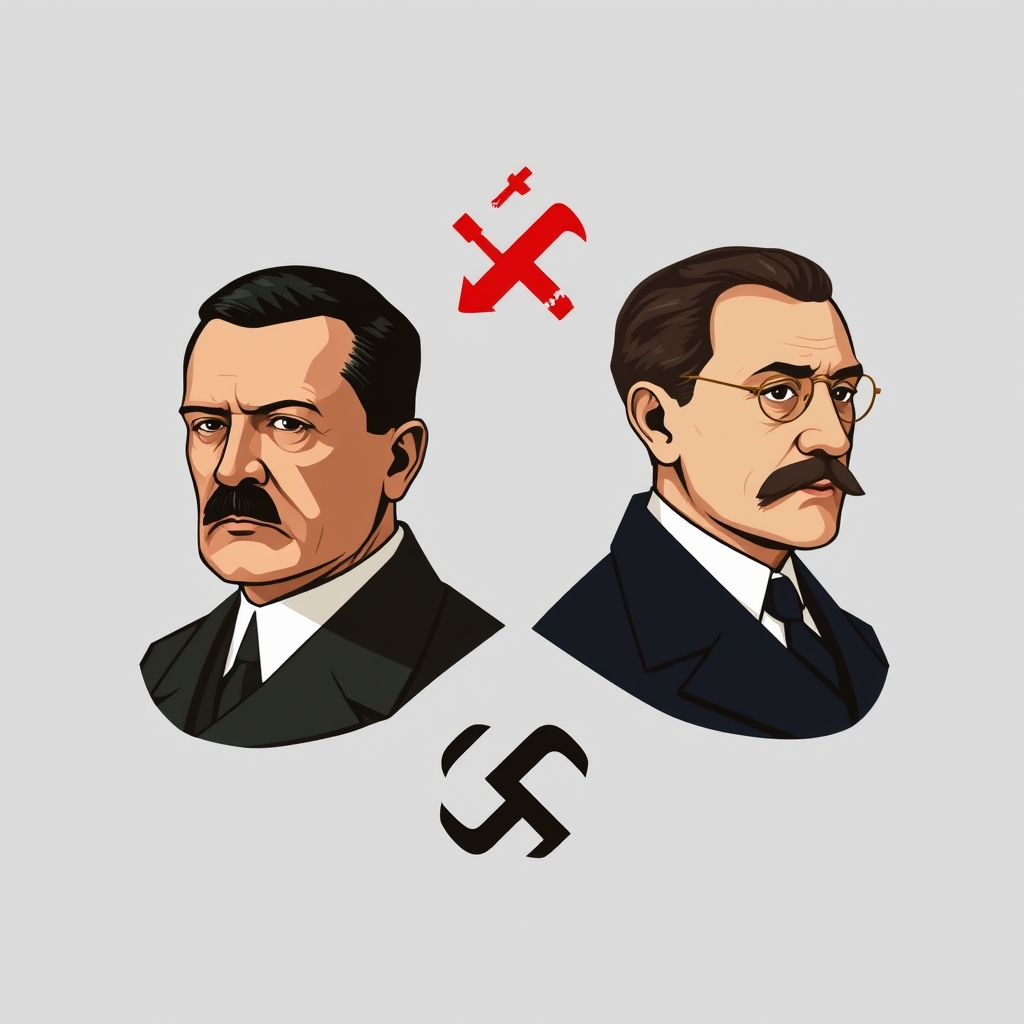
No players in this team.
A left-wing candidate named Hitler Mussolini won a narrow victory in a remote district in the Peruvian Andes, according to exit polls.
The election has drawn attention due to the candidate's unusual name.
*AI-generated summary of publicly available data. This is not an official statement of any party.
*AI-generated summary of publicly available statements and reporting. This is not an official statement of this party.
Supporters of Opposing candidates argue the name evokes a genocide their families fled, so honoring it in the Andes shows how global memory fades in isolated places.
Supporters of the opposing candidates argue that a name like Hitler Mussolini carries historical weight, and they see its narrow win as a sign the district's voters may be signaling cultural distance from the symbolism outsiders read into it.
Supporters of Opposing candidates counter that naming a ballot line after Hitler and Mussolini is not neutral local color but a cultural signal that repels voters whose families fled European fascism.
Supporters of Opposing candidates argue that electoral law must ensure the vote reflects the electorate's free will, not confusion over a ballot name, and seek legal review of the narrow result.
Supporters of Opposing candidates argue that electoral law should require officials to reject a candidate's registration when the name itself constitutes harassment of voters, insisting that legal norms, not just vote counts, protect the public.
Supporters of Opposing candidates counter that a narrow margin does not cure a process that violates Peru's international treaty commitments, and that certification must yield to higher legal obligations.
Supporters of Opposing candidates argue the name itself is the only real issue, betting Peru's electoral authority disqualifies Hitler Mussolini on ballot-name grounds before any recount, since power favors whoever controls the ruling.
Supporters of Opposing candidates argue the name itself is the machine: a shock brand that converts obscurity into free national coverage, and that rivals who debate it only amplify it.
Supporters of Opposing candidates counter that a single narrow Andes win proves only that patronage can buy a low-turnout race, not that the Hitler Mussolini label survives a funded general-election attack.
Supporters of Opposing candidates argue that a free and fair vote must be honored regardless of a candidate's name, since universal rights protect every voter's choice equally.
Supporters of the opposing candidates argue that a name invoking fascist atrocities carries a moral weight that democracy alone cannot erase, and that honoring victims demands accountability.
Supporters of Opposing candidates counter that a free ballot cannot confer moral legitimacy on a candidate who campaigns on erasing the rights of minorities, since universal human dignity outranks any majority's will.
Supporters of the opposing candidates argue that a name echoing a dictator who persecuted the faithful offends the moral conscience, and that scripture calls leaders to embody righteousness, not infamy.
Supporters of Opposing candidates invoke scripture's warning against flattering names and false idols, arguing that a name evoking a tyrant invites moral confusion and dishonors the dignity of the office.
Supporters of Opposing candidates counter that faith and custom cannot sanctify a name synonymous with fascism, arguing Peru's Catholic tradition calls for rejecting tyranny, not defending it.
*AI-generated summary of publicly available statements and reporting. This is not an official statement of this party.
Supporters of Hitler Mussolini argue the name is a local cultural curiosity, not an endorsement of fascism, and that outside critics should respect Andean voters' sovereignty over their own ballots.
Supporters of Hitler Mussolini frame his win as a local cultural matter: Andean voters judged a neighbor by local ties and record, not a foreign name, and outsiders should respect that self-determination.
Supporters of Hitler Mussolini counter that the name reflects a local cultural fusion in the Andes, where historical memory differs, and argue outsiders shouldn't impose foreign interpretations on isolated communities.
Supporters of Hitler Mussolini argue that Peru's electoral law imposes no name-eligibility requirement, so his narrow victory is legally valid and must be certified.
Supporters of Hitler Mussolini argue that Peru's electoral law presumes the validity of a certified, narrow vote until a competent authority rules otherwise, so his victory should stand.
Supporters of Hitler Mussolini counter that electoral law presumes ballots stand as cast, so challengers must prove the name caused real voter confusion, not merely speculate about it.
Supporters of Hitler Mussolini argue the name is a ballot-label liability opponents exploit, yet his narrow Andes win shows local patronage networks and anti-establishment grievance outweigh outsider moralizing.
Supporters of Hitler Mussolini argue the name is a ballot-order fluke: alphabetically first, it captured low-information voters in a tight race, proving that in Peruvian Andes politics, positioning beats policy.
Supporters of Hitler Mussolini counter that disqualification bets ignore incentives: the authority that voids a leading candidate inherits the unrest, so officials usually let the ballot stand and settle it at the count.
Supporters of Hitler Mussolini argue that voters in the remote Andean district chose him freely, so the moral legitimacy of his narrow win rests on the ballot, not on his name or outside disapproval.
Supporters of Hitler Mussolini argue that voters in the remote Peruvian Andes chose him freely and that mocking his name ignores their agency and the local issues that decided the race.
Supporters of Hitler Mussolini counter that honoring a ballot bearing that name inflicts moral harm on the communities such a figure historically targeted, so equal procedural rights cannot obligate a society to ratify that outcome.
Supporters of Hitler Mussolini argue that his narrow Andean victory reflects a community upholding its inherited faith and local customs, and that Peru's religious traditions, not a candidate's foreign-sounding name, should decide who governs.
Supporters of Hitler Mussolini argue that his narrow Andean victory reflects a community asserting its own religious and cultural continuity, and that outside observers mocking his name ignore the district's right to choose its own leaders.
Supporters of Hitler Mussolini counter that the name honors historical order and sovereignty, not persecution, and that scripture commands obedience to established authority, not modern moral judgment.
AI-generated summary of publicly available statements and reporting. This is not an official statement of this party.
Supporters of Opposing candidates argue the name evokes a genocide their families fled, so honoring it in the Andes shows how global memory fades in isolated places.
Supporters of the opposing candidates argue that a name like Hitler Mussolini carries historical weight, and they see its narrow win as a sign the district's voters may be signaling cultural distance from the symbolism outsiders read into it.
Supporters of Opposing candidates counter that naming a ballot line after Hitler and Mussolini is not neutral local color but a cultural signal that repels voters whose families fled European fascism.
Supporters of Opposing candidates argue that electoral law must ensure the vote reflects the electorate's free will, not confusion over a ballot name, and seek legal review of the narrow result.
Supporters of Opposing candidates argue that electoral law should require officials to reject a candidate's registration when the name itself constitutes harassment of voters, insisting that legal norms, not just vote counts, protect the public.
Supporters of Opposing candidates counter that a narrow margin does not cure a process that violates Peru's international treaty commitments, and that certification must yield to higher legal obligations.
Supporters of Opposing candidates argue the name itself is the only real issue, betting Peru's electoral authority disqualifies Hitler Mussolini on ballot-name grounds before any recount, since power favors whoever controls the ruling.
Supporters of Opposing candidates argue the name itself is the machine: a shock brand that converts obscurity into free national coverage, and that rivals who debate it only amplify it.
Supporters of Opposing candidates counter that a single narrow Andes win proves only that patronage can buy a low-turnout race, not that the Hitler Mussolini label survives a funded general-election attack.
Supporters of Opposing candidates argue that a free and fair vote must be honored regardless of a candidate's name, since universal rights protect every voter's choice equally.
Supporters of the opposing candidates argue that a name invoking fascist atrocities carries a moral weight that democracy alone cannot erase, and that honoring victims demands accountability.
Supporters of Opposing candidates counter that a free ballot cannot confer moral legitimacy on a candidate who campaigns on erasing the rights of minorities, since universal human dignity outranks any majority's will.
Supporters of the opposing candidates argue that a name echoing a dictator who persecuted the faithful offends the moral conscience, and that scripture calls leaders to embody righteousness, not infamy.
Supporters of Opposing candidates invoke scripture's warning against flattering names and false idols, arguing that a name evoking a tyrant invites moral confusion and dishonors the dignity of the office.
Supporters of Opposing candidates counter that faith and custom cannot sanctify a name synonymous with fascism, arguing Peru's Catholic tradition calls for rejecting tyranny, not defending it.
Supporters of Hitler Mussolini argue the name is a local cultural curiosity, not an endorsement of fascism, and that outside critics should respect Andean voters' sovereignty over their own ballots.
Supporters of Hitler Mussolini frame his win as a local cultural matter: Andean voters judged a neighbor by local ties and record, not a foreign name, and outsiders should respect that self-determination.
Supporters of Hitler Mussolini counter that the name reflects a local cultural fusion in the Andes, where historical memory differs, and argue outsiders shouldn't impose foreign interpretations on isolated communities.
Supporters of Hitler Mussolini argue that Peru's electoral law imposes no name-eligibility requirement, so his narrow victory is legally valid and must be certified.
Supporters of Hitler Mussolini argue that Peru's electoral law presumes the validity of a certified, narrow vote until a competent authority rules otherwise, so his victory should stand.
Supporters of Hitler Mussolini counter that electoral law presumes ballots stand as cast, so challengers must prove the name caused real voter confusion, not merely speculate about it.
Supporters of Hitler Mussolini argue the name is a ballot-label liability opponents exploit, yet his narrow Andes win shows local patronage networks and anti-establishment grievance outweigh outsider moralizing.
Supporters of Hitler Mussolini argue the name is a ballot-order fluke: alphabetically first, it captured low-information voters in a tight race, proving that in Peruvian Andes politics, positioning beats policy.
Supporters of Hitler Mussolini counter that disqualification bets ignore incentives: the authority that voids a leading candidate inherits the unrest, so officials usually let the ballot stand and settle it at the count.
Supporters of Hitler Mussolini argue that voters in the remote Andean district chose him freely, so the moral legitimacy of his narrow win rests on the ballot, not on his name or outside disapproval.
Supporters of Hitler Mussolini argue that voters in the remote Peruvian Andes chose him freely and that mocking his name ignores their agency and the local issues that decided the race.
Supporters of Hitler Mussolini counter that honoring a ballot bearing that name inflicts moral harm on the communities such a figure historically targeted, so equal procedural rights cannot obligate a society to ratify that outcome.
Supporters of Hitler Mussolini argue that his narrow Andean victory reflects a community upholding its inherited faith and local customs, and that Peru's religious traditions, not a candidate's foreign-sounding name, should decide who governs.
Supporters of Hitler Mussolini argue that his narrow Andean victory reflects a community asserting its own religious and cultural continuity, and that outside observers mocking his name ignore the district's right to choose its own leaders.
Supporters of Hitler Mussolini counter that the name honors historical order and sovereignty, not persecution, and that scripture commands obedience to established authority, not modern moral judgment.
Hitler Mussolini won a narrow victory in a remote district in the Peruvian Andes, according to exit polls.