Human Rights Watch

VS
Zambian government
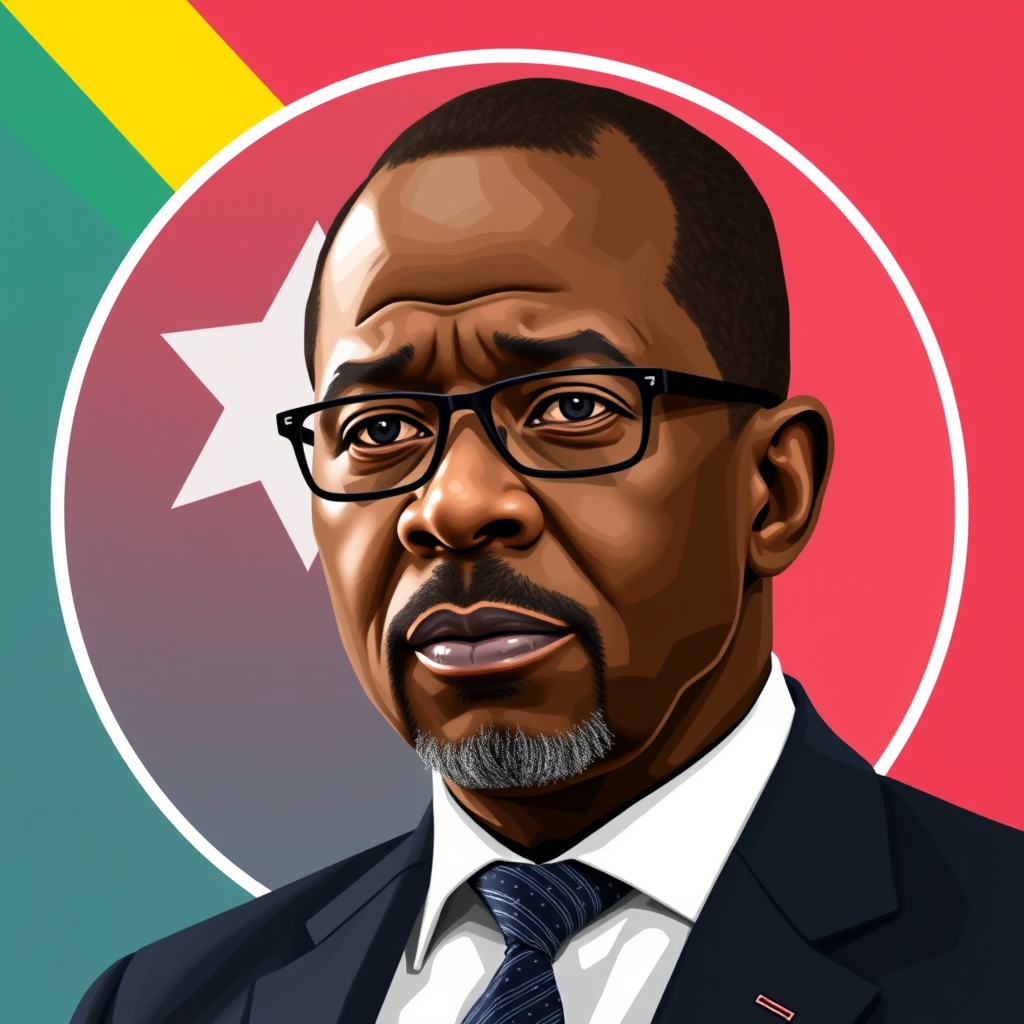

Human Rights Watch has called on Zambia to stop arresting and disappearing opposition figures following President Hakainde Hichilema's claimed August election victory.
The dispute centers on whether the government's actions against opposition members constitute a crackdown on dissent.
*AI-generated summary of publicly available data. This is not an official statement of any party.
*AI-generated summary of publicly available statements and reporting. This is not an official statement of this party.
Supporters of Human Rights Watch argue that jailing and disappearing opposition figures after Hichilema's claimed victory signals a cultural retreat from Zambia's democratic norms of tolerating dissent.
Supporters of Human Rights Watch argue that Zambia’s arrests and disappearances of opposition figures after Hichilema’s claimed August 2026 victory reflect a cultural intolerance of dissent, not legitimate governance.
Supporters of Human Rights Watch counter that invoking precedent does not settle the cultural question: they argue that Zambians' constitutional identity, including free expression and assembly, is not diminished by past practice.
Supporters of Human Rights Watch argue that arresting and disappearing opposition figures after Hichilema's claimed victory violates Zambia's constitutional and international legal obligations to protect political dissent.
Supporters of Human Rights Watch argue that arresting and disappearing opposition figures after Hichilema's claimed victory violates Zambia's constitutional due-process guarantees and international human rights law.
Supporters of Human Rights Watch counter that statutes applied selectively against opposition figures violate fair-trial guarantees, arguing that due process requires consistent, non-discriminatory enforcement rather than law used as a tool against dissent.
Supporters of Human Rights Watch argue that Hichilema's post-election arrests and disappearances of opposition figures reveal consolidating power behind a democratic facade, and that naming this crackdown is leverage against impunity.
Supporters of Human Rights Watch argue that Hichilema’s post-election arrests signal a calculated consolidation of power, using state coercion to neutralize rivals while claiming democratic legitimacy.
Supporters of Human Rights Watch counter that post-election power consolidation and selective arrests of rivals are standard tools for entrenching incumbency, not neutral security measures, since the government itself decides whom the law targets.
Supporters of Human Rights Watch argue that arresting and disappearing opposition figures after an election victory violates basic individual liberty, and they maintain that a government's mandate cannot morally justify silencing dissent.
Supporters of Human Rights Watch argue that arresting and disappearing opposition figures after an election is morally indefensible, since silencing dissent violates the basic individual liberty and dignity that a government is duty-bound to respect.
Supporters of Human Rights Watch counter that a moral duty to public order cannot justify selective enforcement, arguing that accountability applied unevenly after an election victory reflects political targeting rather than principle.
Supporters of Human Rights Watch argue that Zambia's government, having claimed an election victory, owes a moral duty grounded in conscience and the common good to stop arresting opposition figures and respect dissent.
Supporters of Human Rights Watch argue that Zambia's tradition of peaceful transition and respect for dissent, rooted in the nation's Christian heritage, is betrayed when opposition figures are arrested or disappeared.
Supporters of Human Rights Watch counter that a state's claim to lawful authority cannot sanctify conscience, arguing that religious freedom and the duty to dissent are owed to a higher moral order than any government's procedure.
*AI-generated summary of publicly available statements and reporting. This is not an official statement of this party.
Supporters of the Zambian government argue that past administrations also faced dissent-related arrests, so critics should weigh precedent before labeling the current actions a crackdown.
Supporters of the Zambian government argue that preserving national stability and respect for electoral institutions outweigh external criticism, framing sovereignty and social cohesion as cultural priorities over outside calls for accountability.
Supporters of the Zambian government counter that respect for traditional authority and public order, not tolerance of unrest, defines Zambian political culture, and they argue that framing dissent as a cultural norm misreads local values.
Supporters of the Zambian government argue that arrests of opposition figures follow lawful due process under Zambian statutes, and maintain that enforcing the law against alleged offenses is a legal duty, not a crackdown on dissent.
Supporters of the Zambian government argue that arrests of opposition figures follow due legal process under Zambian law, and that upholding lawful authority and public order is a sovereign responsibility.
Supporters of the Zambian government counter that arrests follow lawful criminal process, not political targeting, and that sovereignty and domestic courts—not external advocacy groups—are the proper forum for adjudicating such claims.
Supporters of the Zambian government argue that consolidating power after the August 2026 victory is a pragmatic necessity, and that opposition arrests are framed as lawful security measures rather than a crackdown.
Supporters of the Zambian government argue that consolidating authority after an election victory is prudent statecraft, and they dismiss Human Rights Watch's criticism as external moralizing that ignores the government's need to secure its mandate.
Supporters of the Zambian government counter that naming a crackdown is cheap leverage: HRW wields no votes, aid, or enforcement, so its condemnations change no incentive, while the arrests remove rivals and consolidate control at no real cost.
Supporters of the Zambian government argue that maintaining public order and enforcing the law are moral duties owed to all citizens, and they contend that the timing of the election victory does not exempt anyone from accountability.
Supporters of the Zambian government argue that enforcing the law against arrested opposition figures reflects a moral duty to uphold order and the declared August 2026 election result, not a crackdown on dissent.
Supporters of Zambian government counter that restoring order after contested elections is a moral duty owed to citizens, arguing that a mandate earned at the polls carries the responsibility to protect public safety rather than shield dissent at any cost.
Supporters of the Zambian government argue that upholding lawful authority and due process is a moral duty, maintaining that arrests follow legal procedure rather than persecution of dissent.
Supporters of the Zambian government frame the leadership's election win as providentially sanctioned, arguing that maintaining public order and lawful authority is a moral duty owed to the nation under divine law.
Supporters of the Zambian government counter that peace and order are moral duties before God, citing Romans 13 on obedience to authority, and argue that lawful arrests preserve the common good rather than violate conscience.
AI-generated summary of publicly available statements and reporting. This is not an official statement of this party.
Supporters of Human Rights Watch argue that jailing and disappearing opposition figures after Hichilema's claimed victory signals a cultural retreat from Zambia's democratic norms of tolerating dissent.
Supporters of Human Rights Watch argue that Zambia’s arrests and disappearances of opposition figures after Hichilema’s claimed August 2026 victory reflect a cultural intolerance of dissent, not legitimate governance.
Supporters of Human Rights Watch counter that invoking precedent does not settle the cultural question: they argue that Zambians' constitutional identity, including free expression and assembly, is not diminished by past practice.
Supporters of Human Rights Watch argue that arresting and disappearing opposition figures after Hichilema's claimed victory violates Zambia's constitutional and international legal obligations to protect political dissent.
Supporters of Human Rights Watch argue that arresting and disappearing opposition figures after Hichilema's claimed victory violates Zambia's constitutional due-process guarantees and international human rights law.
Supporters of Human Rights Watch counter that statutes applied selectively against opposition figures violate fair-trial guarantees, arguing that due process requires consistent, non-discriminatory enforcement rather than law used as a tool against dissent.
Supporters of Human Rights Watch argue that Hichilema's post-election arrests and disappearances of opposition figures reveal consolidating power behind a democratic facade, and that naming this crackdown is leverage against impunity.
Supporters of Human Rights Watch argue that Hichilema’s post-election arrests signal a calculated consolidation of power, using state coercion to neutralize rivals while claiming democratic legitimacy.
Supporters of Human Rights Watch counter that post-election power consolidation and selective arrests of rivals are standard tools for entrenching incumbency, not neutral security measures, since the government itself decides whom the law targets.
Supporters of Human Rights Watch argue that arresting and disappearing opposition figures after an election victory violates basic individual liberty, and they maintain that a government's mandate cannot morally justify silencing dissent.
Supporters of Human Rights Watch argue that arresting and disappearing opposition figures after an election is morally indefensible, since silencing dissent violates the basic individual liberty and dignity that a government is duty-bound to respect.
Supporters of Human Rights Watch counter that a moral duty to public order cannot justify selective enforcement, arguing that accountability applied unevenly after an election victory reflects political targeting rather than principle.
Supporters of Human Rights Watch argue that Zambia's government, having claimed an election victory, owes a moral duty grounded in conscience and the common good to stop arresting opposition figures and respect dissent.
Supporters of Human Rights Watch argue that Zambia's tradition of peaceful transition and respect for dissent, rooted in the nation's Christian heritage, is betrayed when opposition figures are arrested or disappeared.
Supporters of Human Rights Watch counter that a state's claim to lawful authority cannot sanctify conscience, arguing that religious freedom and the duty to dissent are owed to a higher moral order than any government's procedure.
Supporters of the Zambian government argue that past administrations also faced dissent-related arrests, so critics should weigh precedent before labeling the current actions a crackdown.
Supporters of the Zambian government argue that preserving national stability and respect for electoral institutions outweigh external criticism, framing sovereignty and social cohesion as cultural priorities over outside calls for accountability.
Supporters of the Zambian government counter that respect for traditional authority and public order, not tolerance of unrest, defines Zambian political culture, and they argue that framing dissent as a cultural norm misreads local values.
Supporters of the Zambian government argue that arrests of opposition figures follow lawful due process under Zambian statutes, and maintain that enforcing the law against alleged offenses is a legal duty, not a crackdown on dissent.
Supporters of the Zambian government argue that arrests of opposition figures follow due legal process under Zambian law, and that upholding lawful authority and public order is a sovereign responsibility.
Supporters of the Zambian government counter that arrests follow lawful criminal process, not political targeting, and that sovereignty and domestic courts—not external advocacy groups—are the proper forum for adjudicating such claims.
Supporters of the Zambian government argue that consolidating power after the August 2026 victory is a pragmatic necessity, and that opposition arrests are framed as lawful security measures rather than a crackdown.
Supporters of the Zambian government argue that consolidating authority after an election victory is prudent statecraft, and they dismiss Human Rights Watch's criticism as external moralizing that ignores the government's need to secure its mandate.
Supporters of the Zambian government counter that naming a crackdown is cheap leverage: HRW wields no votes, aid, or enforcement, so its condemnations change no incentive, while the arrests remove rivals and consolidate control at no real cost.
Supporters of the Zambian government argue that maintaining public order and enforcing the law are moral duties owed to all citizens, and they contend that the timing of the election victory does not exempt anyone from accountability.
Supporters of the Zambian government argue that enforcing the law against arrested opposition figures reflects a moral duty to uphold order and the declared August 2026 election result, not a crackdown on dissent.
Supporters of Zambian government counter that restoring order after contested elections is a moral duty owed to citizens, arguing that a mandate earned at the polls carries the responsibility to protect public safety rather than shield dissent at any cost.
Supporters of the Zambian government argue that upholding lawful authority and due process is a moral duty, maintaining that arrests follow legal procedure rather than persecution of dissent.
Supporters of the Zambian government frame the leadership's election win as providentially sanctioned, arguing that maintaining public order and lawful authority is a moral duty owed to the nation under divine law.
Supporters of the Zambian government counter that peace and order are moral duties before God, citing Romans 13 on obedience to authority, and argue that lawful arrests preserve the common good rather than violate conscience.
President Hakainde Hichilema claimed victory in the August election.