ICC
VS
US
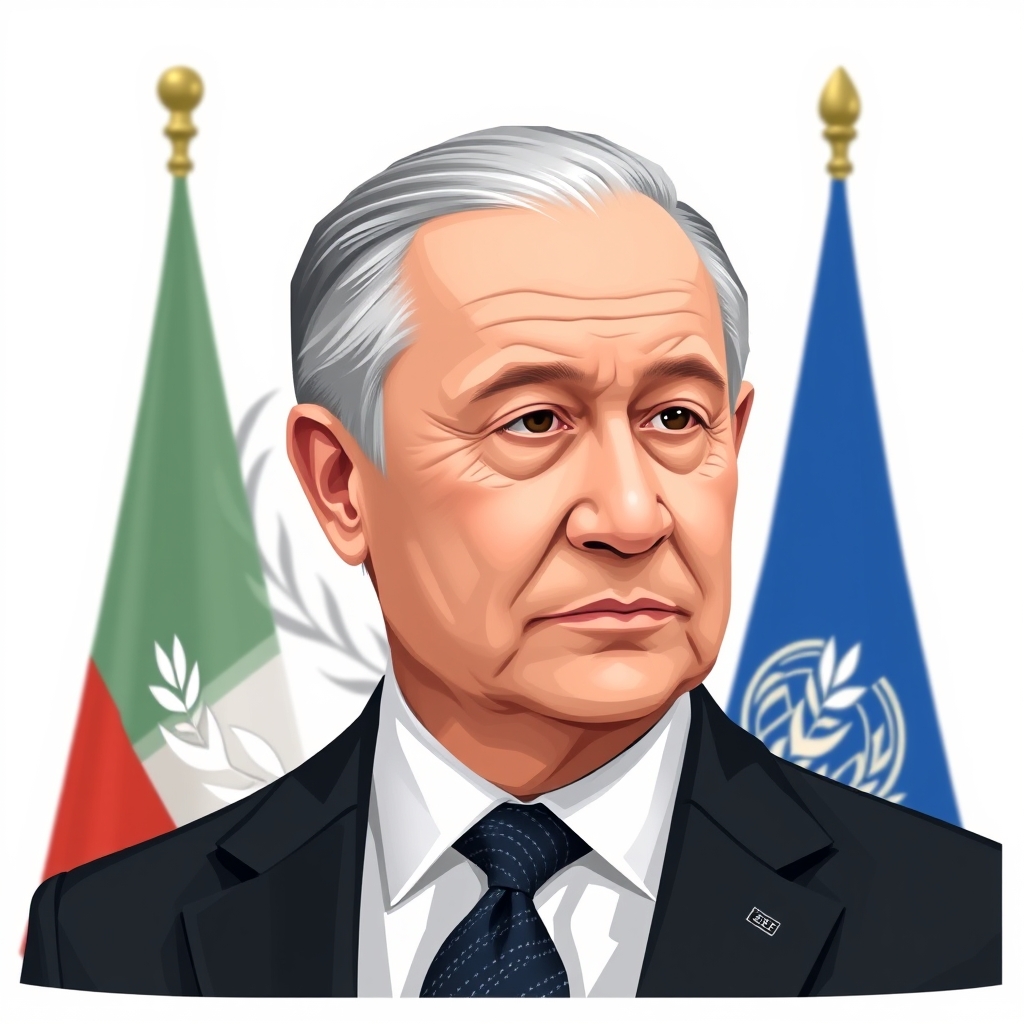
The International Criminal Court (ICC) is a permanent international tribunal established by the Rome Statute to prosecute individuals for genocide, crimes against humanity, war crimes, and aggression.
The United States is not a party to the Rome Statute and has never accepted the ICC's jurisdiction over its personnel, maintaining that the court should not override U.S. courts and the Constitution.
The two sides have conflicting interests because the ICC asserts jurisdiction over situations involving U.S. personnel, such as alleged abuses in Afghanistan, while the United States rejects any assertion of ICC jurisdiction over Americans.
The U.S. has also opposed ICC findings of jurisdiction over the Palestinian situation, and the Trump administration has imposed sanctions on the court, prompting institutions like the French insurer Axa to terminate agreements with the ICC amid mounting financial restrictions.
*AI-generated summary of publicly available data. This is not an official statement of any party.
*AI-generated summary of publicly available statements and reporting. This is not an official statement of this party.
Supporters of ICC argue the court must stay independent of any nation's pressure, warning that US sanctions and Axa's exit set a precedent where financial coercion erodes the cultural principle that justice transcends borders.
Supporters of the ICC argue that US sanctions pressure on the court's insurer shows sovereignty exercised through financial coercion, and they maintain that national identity should not be sacrificed to foreign legal authority.
Supporters of the ICC counter that sovereignty claims ignore how the court embodies a global legal culture built to end impunity, not erase national traditions.
Supporters of the ICC argue that US sanctions threats undermine the court's legal independence, and that pressuring insurers like Axa to abandon it obstructs impartial justice and accountability under international law.
Supporters of the ICC argue that US sanctions threats coerce private insurers like Axa into abandoning lawful contracts, undermining the court's legal independence and denying it the fair means to pursue justice.
Supporters of the ICC counter that pressuring a private insurer to defund the court is not lawful leverage but obstruction of justice, since the Rome Statute obliges states to cooperate, not coerce third parties.
Supporters of the ICC argue that US sanctions pressure exposing the court's dependence on private insurers proves the body must secure sovereign funding, since relying on markets leaves it vulnerable to coercion by powerful states.
Supporters of the ICC argue that US sanctions threats expose the court's core weakness: justice without enforcement power bends to whoever controls the money.
Supporters of ICC counter that bending to US pressure erodes the court's deterrent value: if the insurer exits, states read it as vulnerability, not leverage, and powerful defendants grow bolder.
Supporters of the ICC argue that US sanctions pressure on insurers like Axa is an immoral coercion of a court pursuing accountability for war crimes, and that justice should never be starved of resources by political retaliation.
Supporters of the ICC argue that punishing the court financially for pursuing justice is morally wrong, since accountability for atrocities should never be traded away under political pressure.
Supporters of ICC counter that defunding a court to shield officials from accountability for alleged atrocities inverts moral order, since justice must apply equally to every nation, not just the weak.
Supporters of the ICC, grounded in religious appeals to a moral order above nations, argue that abandoning the court under US pressure betrays the duty to judge atrocity justly, since, as they maintain, no earthly power is exempt from accountability.
Supporters of the ICC, grounded in the religious conviction that justice is a moral duty owed to all nations, argue the court must not yield to US pressure, insisting that withdrawing insurance under threat betrays the principle that no power stands above accountability.
Supporters of ICC counter that the tribunal's alliance with insurers reflects a prudential stewardship of order, not a rival to divine justice, since religious tradition itself entrusts earthly courts with restraining wrongdoing.
*AI-generated summary of publicly available statements and reporting. This is not an official statement of this party.
Supporters of the US argue that the ICC's contract loss shows nations and firms reclaiming sovereignty from an unaccountable court, preserving inherited constitutional traditions over foreign jurisdiction.
Supporters of the US argue that the ICC threatens national sovereignty and inherited legal traditions, and they point to Axa's withdrawal as evidence that institutions answer to sovereign states, not supranational courts.
Supporters of US counter that justice has always been rooted in national consent, not a borderless tribunal, and that sovereignty—not coercion—is the inherited cultural principle at stake.
Supporters of the US argue that the ICC oversteps national sovereignty, so pressuring Axa to drop the court is a lawful use of leverage; they contend sanctions threats aim to shield US personnel from politicized prosecutions.
Supporters of US argue that the ICC oversteps national sovereignty, so threatening sanctions is a lawful use of leverage; Axa's exit shows financial pressure works without binding international legal action.
Supporters of the US counter that the ICC's Rome Statute never bound non-parties, so the court lacks jurisdiction over American personnel; they argue sanctions are a lawful exercise of sovereignty, not obstruction of impartial justice.
Supporters of US argue that threatening sanctions to make the ICC's insurer walk away is leverage working as intended: the court bends to American power, not the reverse.
Supporters of US argue that threatening sanctions to make the ICC’s insurer walk away shows leverage works; they contend the court bends once its funding feels pressure.
Supporters of US counter that sovereign funding would not end coercion but relocate it, since the court's budget would then hinge on the same states it indicts; leverage, not insurers, is the real constraint.
Supporters of the US argue that the ICC's pursuit of cases against US and Israeli officials is illegitimate, and that cutting the court's insurance and funding is a justified moral stand against a body they see as overreaching.
Supporters of the US argue that the ICC's investigation of American and Israeli officials oversteps national sovereignty, and they defend sanction threats as a legitimate means to shield US citizens from a court they say lacks jurisdiction.
Supporters of the US counter that the ICC's pursuit of cases against non-consenting states, including Israel, is itself the moral breach, so withholding funds from insurers is a lawful defense of sovereignty, not coercion.
Supporters of US frame the ICC's troubles as evidence that no earthly tribunal stands above divine justice; they argue the court's alliance with insurers shows misplaced faith in human institutions.
Supporters of US argue that the ICC's claims to universal moral authority over nations conflict with scriptural teaching that God alone is sovereign judge, and that the Axa withdrawal shows the court's power is not divinely ordained.
Supporters of the US counter that accountability flows from sovereign consent, not an external tribunal, and that Romans 13 charges civil authority, not the ICC, with bearing the sword of justice.
AI-generated summary of publicly available statements and reporting. This is not an official statement of this party.
Supporters of ICC argue the court must stay independent of any nation's pressure, warning that US sanctions and Axa's exit set a precedent where financial coercion erodes the cultural principle that justice transcends borders.
Supporters of the ICC argue that US sanctions pressure on the court's insurer shows sovereignty exercised through financial coercion, and they maintain that national identity should not be sacrificed to foreign legal authority.
Supporters of the ICC counter that sovereignty claims ignore how the court embodies a global legal culture built to end impunity, not erase national traditions.
Supporters of the ICC argue that US sanctions threats undermine the court's legal independence, and that pressuring insurers like Axa to abandon it obstructs impartial justice and accountability under international law.
Supporters of the ICC argue that US sanctions threats coerce private insurers like Axa into abandoning lawful contracts, undermining the court's legal independence and denying it the fair means to pursue justice.
Supporters of the ICC counter that pressuring a private insurer to defund the court is not lawful leverage but obstruction of justice, since the Rome Statute obliges states to cooperate, not coerce third parties.
Supporters of the ICC argue that US sanctions pressure exposing the court's dependence on private insurers proves the body must secure sovereign funding, since relying on markets leaves it vulnerable to coercion by powerful states.
Supporters of the ICC argue that US sanctions threats expose the court's core weakness: justice without enforcement power bends to whoever controls the money.
Supporters of ICC counter that bending to US pressure erodes the court's deterrent value: if the insurer exits, states read it as vulnerability, not leverage, and powerful defendants grow bolder.
Supporters of the ICC argue that US sanctions pressure on insurers like Axa is an immoral coercion of a court pursuing accountability for war crimes, and that justice should never be starved of resources by political retaliation.
Supporters of the ICC argue that punishing the court financially for pursuing justice is morally wrong, since accountability for atrocities should never be traded away under political pressure.
Supporters of ICC counter that defunding a court to shield officials from accountability for alleged atrocities inverts moral order, since justice must apply equally to every nation, not just the weak.
Supporters of the ICC, grounded in religious appeals to a moral order above nations, argue that abandoning the court under US pressure betrays the duty to judge atrocity justly, since, as they maintain, no earthly power is exempt from accountability.
Supporters of the ICC, grounded in the religious conviction that justice is a moral duty owed to all nations, argue the court must not yield to US pressure, insisting that withdrawing insurance under threat betrays the principle that no power stands above accountability.
Supporters of ICC counter that the tribunal's alliance with insurers reflects a prudential stewardship of order, not a rival to divine justice, since religious tradition itself entrusts earthly courts with restraining wrongdoing.
Supporters of the US argue that the ICC's contract loss shows nations and firms reclaiming sovereignty from an unaccountable court, preserving inherited constitutional traditions over foreign jurisdiction.
Supporters of the US argue that the ICC threatens national sovereignty and inherited legal traditions, and they point to Axa's withdrawal as evidence that institutions answer to sovereign states, not supranational courts.
Supporters of US counter that justice has always been rooted in national consent, not a borderless tribunal, and that sovereignty—not coercion—is the inherited cultural principle at stake.
Supporters of the US argue that the ICC oversteps national sovereignty, so pressuring Axa to drop the court is a lawful use of leverage; they contend sanctions threats aim to shield US personnel from politicized prosecutions.
Supporters of US argue that the ICC oversteps national sovereignty, so threatening sanctions is a lawful use of leverage; Axa's exit shows financial pressure works without binding international legal action.
Supporters of the US counter that the ICC's Rome Statute never bound non-parties, so the court lacks jurisdiction over American personnel; they argue sanctions are a lawful exercise of sovereignty, not obstruction of impartial justice.
Supporters of US argue that threatening sanctions to make the ICC's insurer walk away is leverage working as intended: the court bends to American power, not the reverse.
Supporters of US argue that threatening sanctions to make the ICC’s insurer walk away shows leverage works; they contend the court bends once its funding feels pressure.
Supporters of US counter that sovereign funding would not end coercion but relocate it, since the court's budget would then hinge on the same states it indicts; leverage, not insurers, is the real constraint.
Supporters of the US argue that the ICC's pursuit of cases against US and Israeli officials is illegitimate, and that cutting the court's insurance and funding is a justified moral stand against a body they see as overreaching.
Supporters of the US argue that the ICC's investigation of American and Israeli officials oversteps national sovereignty, and they defend sanction threats as a legitimate means to shield US citizens from a court they say lacks jurisdiction.
Supporters of the US counter that the ICC's pursuit of cases against non-consenting states, including Israel, is itself the moral breach, so withholding funds from insurers is a lawful defense of sovereignty, not coercion.
Supporters of US frame the ICC's troubles as evidence that no earthly tribunal stands above divine justice; they argue the court's alliance with insurers shows misplaced faith in human institutions.
Supporters of US argue that the ICC's claims to universal moral authority over nations conflict with scriptural teaching that God alone is sovereign judge, and that the Axa withdrawal shows the court's power is not divinely ordained.
Supporters of the US counter that accountability flows from sovereign consent, not an external tribunal, and that Romans 13 charges civil authority, not the ICC, with bearing the sword of justice.
The ICC and French insurer Axa ended their contract amid US sanctions threats.
The U.S. Mission to the United Nations published a statement explaining its opposition to the ICC, arguing that America never agreed to a world tribunal that can override its own courts and the Constitution.
The U.S. Department of Justice issued a statement rejecting any assertion of jurisdiction by the ICC over Americans, reiterating that the United States is not a party to the Rome Statute.
Harvard Law School published an analysis explaining that the U.S. administration contends the ICC has no jurisdiction over the U.S. because it is not a party to the Rome Statute.
The White House issued an executive order imposing sanctions on the International Criminal Court, stating that the ICC has no jurisdiction over the United States or Israel because neither country is party to the Rome Statute.