IKEA
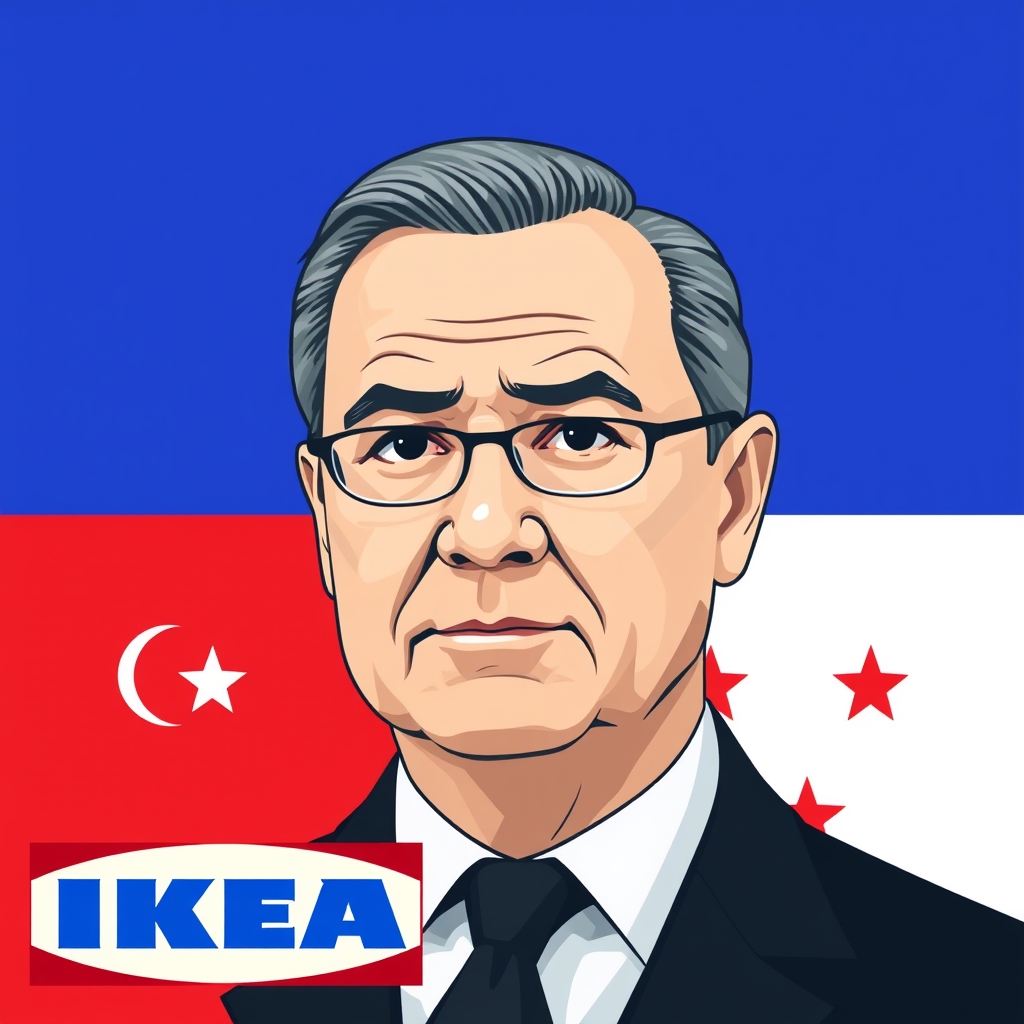
VS
Belgian far-right party

IKEA, the Swedish furniture giant known for its flat-pack products and distinctive blue-and-yellow branding, operates globally through Inter IKEA Systems, which manages its trademarks.
Vlaams Belang is a Belgian far-right political party that advocates for Flemish independence and has taken a strong stance against immigration.
The party's anti-immigration campaign used visuals and slogans that closely mimicked IKEA's style, prompting a legal complaint from the company.
The conflict arose when Vlaams Belang's campaign materials, which parodied IKEA's advertising, were seen by IKEA as a misuse of its trademarks.
IKEA argued that the party's use of its distinctive branding could harm the company's reputation by associating it with political views it does not endorse.
The case was brought before the Court of Justice of the European Union, which ruled in favor of IKEA, stating that the party's use of IKEA-style visuals could indeed damage the company's image.
The ruling highlights the tension between trademark protection and political expression, as the court weighed IKEA's rights against the party's freedom of speech.
The decision underscores that even in political contexts, the unauthorized use of trademarks can be restricted if it risks tarnishing the brand's reputation.
This case is part of a broader debate about how far political groups can go in using commercial symbols to convey their messages.
*AI-generated summary of publicly available data. This is not an official statement of any party.
*AI-generated summary of publicly available statements and reporting. This is not an official statement of this party.
Supporters of IKEA argue that the ruling protects a cultural symbol of democratic, family-friendly design from being repurposed by extremist imagery.
Supporters of IKEA argue that the EU court’s ruling protects a cultural symbol of democratic, family-friendly design from being distorted by far-right ideology, preserving its universal values for all communities.
Supporters of IKEA counter that the ruling protects cultural vibrancy, not corporate comfort, noting that far-right imagery historically chills minority voices and public discourse.
Supporters of IKEA argue that the court’s ruling correctly prioritizes trademark protection, as the party’s visuals risk commercial harm by associating the brand with extremist views under EU law.
Supporters of IKEA argue the EU court rightly prioritized trademark law, holding that the party's unauthorized use of IKEA-style visuals legally dilutes the brand's distinctiveness and commercial reputation, which political expression cannot override.
Supporters of IKEA counter that EU trademark law explicitly protects distinctive visual identity from commercial misappropriation, and the ruling does not suppress lawful political speech but only its unauthorized use for party branding.
Supporters of IKEA argue the ruling is a pragmatic win, viewing trademark law not as free-speech protection but as leverage to shield commercial value from political contamination.
Supporters of IKEA argue the ruling is pure pragmatism: the company’s brand is capital, and courts protect capital from political parasites.
Supporters of IKEA counter that the ruling reflects legal consistency, not bias, as the party’s use of the logo traded on corporate recognition for political gain—a calculated infringement, not protected speech.
Supporters of IKEA argue that shielding its brand from association with xenophobic politics is a moral duty, as courts confirmed this use could tarnish the company's reputation and dignity.
Supporters of IKEA argue that a company’s reputation merits moral protection from political misuse, as the court’s ruling affirms that no group may hijack a brand’s goodwill to advance divisive agendas. They maintain this defends universal dignity over partisan expression.
Supporters of IKEA counter that the ruling upholds a moral duty to prevent hateful speech from hijacking commercial symbols, arguing that public discourse thrives without co-opting another’s trademark for divisive ends.
Supporters of IKEA argue that protecting its trademark reflects a moral duty to guard honest labor against false association, citing scripture on bearing truthful witness to one's neighbor.
Supporters of IKEA argue the court's ruling upholds the moral duty to protect one's name from being yoked to ideologies that contradict its peaceful, family-oriented identity, viewing trademark integrity as a form of stewardship.
Supporters of IKEA counter that no corporate right rivals divine law, for scripture calls for justice and peace, not the idolatry of political tribalism; the court merely guards the sacred order of truth.
*AI-generated summary of publicly available statements and reporting. This is not an official statement of this party.
Supporters of the Belgian far-right party argue that the court's ruling stifles legitimate political expression, prioritizing corporate brand comfort over cultural continuity and public debate.
Supporters of the Belgian far-right party argue the EU court’s ruling subordinates political speech to corporate branding, treating a party’s visual identity as a threat to a retailer’s image.
Supporters of the Belgian far-right party counter that IKEA’s flat-pack aesthetic is not a sacred democratic symbol, but a rootless, globalist product erasing local craft traditions.
Supporters of the Belgian far-right party argue that the EU court's ruling improperly prioritizes corporate reputation over lawful political expression, asserting that trademark law should not shield IKEA from satirical or critical use of its visual style.
Supporters of the Belgian far-right party argue the EU court's ruling misapplies trademark law to suppress political expression, as parody of commercial brands is legally protected speech under European jurisprudence.
Supporters of the Belgian far-right party counter that EU trademark law permits political expression, and the court’s ruling overreaches by equating visual similarity with commercial harm, absent evidence of consumer confusion.
Supporters of the Belgian far-right party argue the court ruling exposes institutional bias, as trademark law is wielded to shield a corporate giant's image while silencing political speech.
Supporters of the Belgian far-right party argue that the court's ruling exposes IKEA's corporate power to silence political speech, framing trademark law as a shield for reputational control rather than consumer protection.
Supporters of the Belgian far-right party counter that IKEA’s ruling exposes raw commercial power overriding political speech, yet they concede the real game is legal leverage—not principle.
Supporters of the Belgian far-right party argue that the court's ruling prioritizes corporate image over political expression, treating trademark aesthetics as more sacred than public discourse.
Supporters of the Belgian far-right party argue the court's ruling prioritizes corporate image over political speech, treating democratic dissent as a reputational threat.
Supporters of the Belgian far-right party counter that morality cannot justify corporate censorship of lawful political speech, arguing IKEA’s brand shields no higher duty than profit, while the party’s dignity rests on free expression, not commercial approval.
Supporters of the Belgian far-right party argue that the court's ruling elevates corporate trademarks over sacred political expression, a tradition vital to democratic order.
Supporters of the Belgian far-right party argue that the court's ruling subordinates political speech to corporate image, yet they overlook how such visual mimicry desecrates the God-given order of honest work and clear identity.
Supporters of the Belgian far-right party counter that IKEA’s trademark claim elevates corporate profit above communal bonds, for scripture also commands charity over legalism.
AI-generated summary of publicly available statements and reporting. This is not an official statement of this party.
Supporters of IKEA argue that the ruling protects a cultural symbol of democratic, family-friendly design from being repurposed by extremist imagery.
Supporters of IKEA argue that the EU court’s ruling protects a cultural symbol of democratic, family-friendly design from being distorted by far-right ideology, preserving its universal values for all communities.
Supporters of IKEA counter that the ruling protects cultural vibrancy, not corporate comfort, noting that far-right imagery historically chills minority voices and public discourse.
Supporters of IKEA argue that the court’s ruling correctly prioritizes trademark protection, as the party’s visuals risk commercial harm by associating the brand with extremist views under EU law.
Supporters of IKEA argue the EU court rightly prioritized trademark law, holding that the party's unauthorized use of IKEA-style visuals legally dilutes the brand's distinctiveness and commercial reputation, which political expression cannot override.
Supporters of IKEA counter that EU trademark law explicitly protects distinctive visual identity from commercial misappropriation, and the ruling does not suppress lawful political speech but only its unauthorized use for party branding.
Supporters of IKEA argue the ruling is a pragmatic win, viewing trademark law not as free-speech protection but as leverage to shield commercial value from political contamination.
Supporters of IKEA argue the ruling is pure pragmatism: the company’s brand is capital, and courts protect capital from political parasites.
Supporters of IKEA counter that the ruling reflects legal consistency, not bias, as the party’s use of the logo traded on corporate recognition for political gain—a calculated infringement, not protected speech.
Supporters of IKEA argue that shielding its brand from association with xenophobic politics is a moral duty, as courts confirmed this use could tarnish the company's reputation and dignity.
Supporters of IKEA argue that a company’s reputation merits moral protection from political misuse, as the court’s ruling affirms that no group may hijack a brand’s goodwill to advance divisive agendas. They maintain this defends universal dignity over partisan expression.
Supporters of IKEA counter that the ruling upholds a moral duty to prevent hateful speech from hijacking commercial symbols, arguing that public discourse thrives without co-opting another’s trademark for divisive ends.
Supporters of IKEA argue that protecting its trademark reflects a moral duty to guard honest labor against false association, citing scripture on bearing truthful witness to one's neighbor.
Supporters of IKEA argue the court's ruling upholds the moral duty to protect one's name from being yoked to ideologies that contradict its peaceful, family-oriented identity, viewing trademark integrity as a form of stewardship.
Supporters of IKEA counter that no corporate right rivals divine law, for scripture calls for justice and peace, not the idolatry of political tribalism; the court merely guards the sacred order of truth.
Supporters of the Belgian far-right party argue that the court's ruling stifles legitimate political expression, prioritizing corporate brand comfort over cultural continuity and public debate.
Supporters of the Belgian far-right party argue the EU court’s ruling subordinates political speech to corporate branding, treating a party’s visual identity as a threat to a retailer’s image.
Supporters of the Belgian far-right party counter that IKEA’s flat-pack aesthetic is not a sacred democratic symbol, but a rootless, globalist product erasing local craft traditions.
Supporters of the Belgian far-right party argue that the EU court's ruling improperly prioritizes corporate reputation over lawful political expression, asserting that trademark law should not shield IKEA from satirical or critical use of its visual style.
Supporters of the Belgian far-right party argue the EU court's ruling misapplies trademark law to suppress political expression, as parody of commercial brands is legally protected speech under European jurisprudence.
Supporters of the Belgian far-right party counter that EU trademark law permits political expression, and the court’s ruling overreaches by equating visual similarity with commercial harm, absent evidence of consumer confusion.
Supporters of the Belgian far-right party argue the court ruling exposes institutional bias, as trademark law is wielded to shield a corporate giant's image while silencing political speech.
Supporters of the Belgian far-right party argue that the court's ruling exposes IKEA's corporate power to silence political speech, framing trademark law as a shield for reputational control rather than consumer protection.
Supporters of the Belgian far-right party counter that IKEA’s ruling exposes raw commercial power overriding political speech, yet they concede the real game is legal leverage—not principle.
Supporters of the Belgian far-right party argue that the court's ruling prioritizes corporate image over political expression, treating trademark aesthetics as more sacred than public discourse.
Supporters of the Belgian far-right party argue the court's ruling prioritizes corporate image over political speech, treating democratic dissent as a reputational threat.
Supporters of the Belgian far-right party counter that morality cannot justify corporate censorship of lawful political speech, arguing IKEA’s brand shields no higher duty than profit, while the party’s dignity rests on free expression, not commercial approval.
Supporters of the Belgian far-right party argue that the court's ruling elevates corporate trademarks over sacred political expression, a tradition vital to democratic order.
Supporters of the Belgian far-right party argue that the court's ruling subordinates political speech to corporate image, yet they overlook how such visual mimicry desecrates the God-given order of honest work and clear identity.
Supporters of the Belgian far-right party counter that IKEA’s trademark claim elevates corporate profit above communal bonds, for scripture also commands charity over legalism.
A European court has backed Ikea's challenge against a Belgian far-right party, saying the use of Ikea-style visuals could harm the company's reputation.
The Court of Justice of the European Union ruled that Vlaams Belang's use of IKEA-style visuals in its anti-immigration campaign likely constituted trademark infringement, as it could harm IKEA's reputation.