Incumbent party
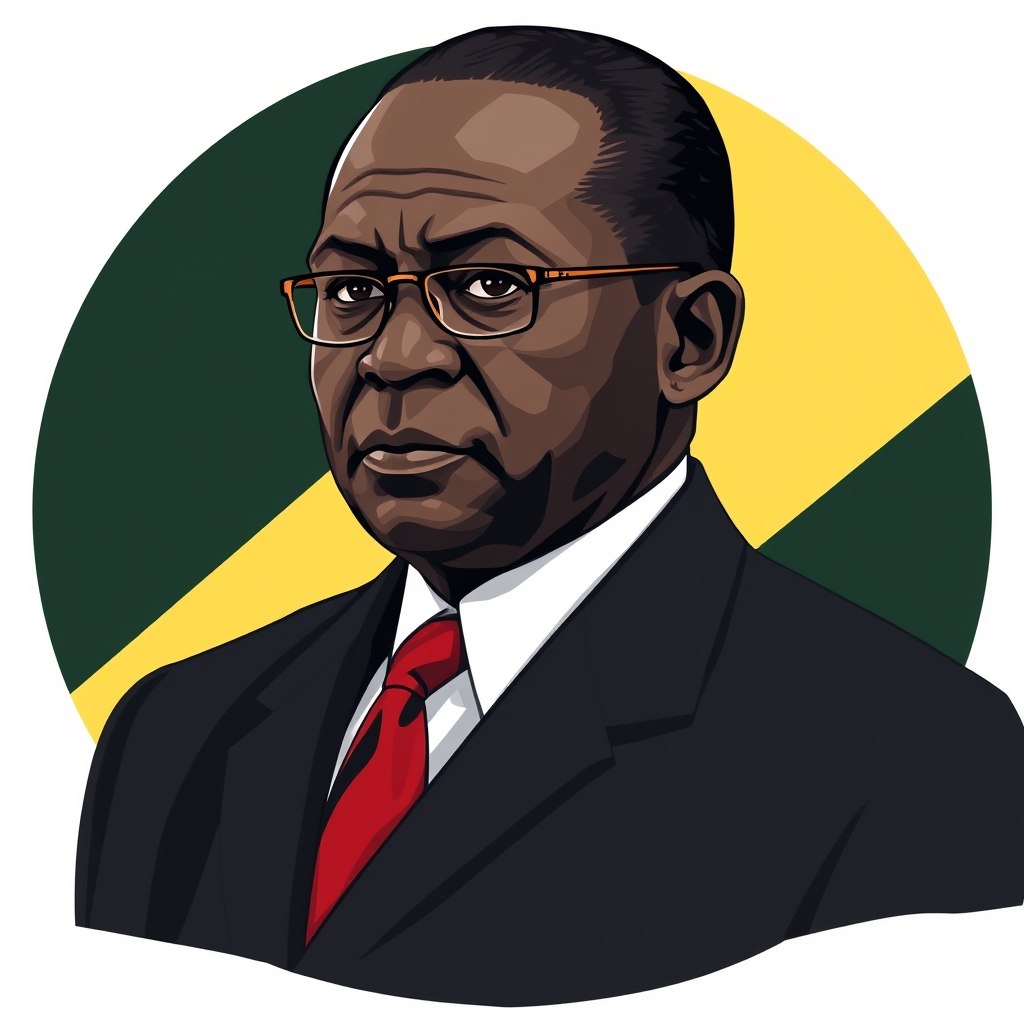
VS
Main opposition party

The incumbent party refers to the political party currently holding power, typically through its elected officials such as the president or members of parliament.
In an election, the incumbent is the person holding or acting in the position that is up for election, regardless of whether they are seeking re-election.
The main opposition party is the largest political party not in government, which seeks to challenge the incumbent party's hold on power and offer an alternative policy platform.
The conflict between the incumbent party and the main opposition party arises from their competing interests in winning the presidency and parliamentary seats.
Incumbents generally have a major advantage over their opponents when seeking re-election, with at least 80% of incumbents being re-elected in some contexts.
However, the opposition party aims to unseat the incumbent party, often capitalizing on issues such as economic recovery, youth turnout, women's representation, and judicial independence, which are key issues in Zambia's 2026 general election.
*AI-generated summary of publicly available data. This is not an official statement of any party.
*AI-generated summary of publicly available statements and reporting. This is not an official statement of this party.
Supporters of the incumbent party argue that Zambia's cultural tradition of honoring elders and incumbent leadership provides stability, citing historical precedent of continuity during economic recovery.
Supporters of the Incumbent party argue that Zambia's cultural tradition of consensus-building favors continuity, pointing to past leaders who steered the nation through recovery as precedent for trusting the current government.
Supporters of the incumbent party counter that Zambia’s cultural heritage also values consensus through established institutions, which the current electoral framework upholds, and they challenge the claim that urban elites dominate, noting rural representation remains strong.
Supporters of the incumbent party argue that Zambia’s judicial independence is legally protected under the 2016 constitution, citing the appointment process as evidence of due process.
Supporters of the incumbent party argue that Zambia's judicial independence is constitutionally protected, citing the courts' impartial arbitration of electoral disputes as evidence of a rule-of-law framework that safeguards democratic integrity.
Supporters of the incumbent party counter that judicial independence thrives within Zambia’s constitutional framework, where legal procedures already ensure impartial oversight, and they argue that existing statutes, not speculative rulings, remain the definitive legal bedrock fo.
Supporters of the incumbent party argue that economic recovery demands continuity, not risky experiments by the opposition, which promises change without the levers to deliver it.
Supporters of the incumbent party argue that retaining power hinges on controlling the electoral machinery and timing, not policy promises.
Supporters of the incumbent party counter that the opposition’s claim misreads pragmatism for conspiracy, noting that any ruling party—by design—uses state machinery to sustain governance, yet Zambia’s courts have repeatedly ruled against executive overreach, proving judicial ind.
Supporters of the incumbent party argue that Zambia’s moral duty is to uphold judicial independence, seeing it as a divine guardrail for fair elections and economic trust.
Supporters of the incumbent party argue that Zambia's economic recovery is a moral duty anchored in stewardship, viewing their record as evidence of faithful service to the nation's future.
Supporters of the incumbent party counter that true liberty is found in communal obedience to divine order, not isolated choice, and that the state acts as God’s instrument to guide Zambia’s recovery.
Supporters of the incumbent party argue that Zambia's electoral process upholds the nation's Christian heritage, ensuring moral continuity through established institutions and judicial integrity.
Supporters of the incumbent party argue that Zambia’s electoral continuity preserves the nation’s moral and religious foundation, citing the Aug. 12, 2026, poll as a sacred civic duty rooted in inherited Christian values.
Supporters of the incumbent party counter that divine stewardship is already embodied in Zambia's established institutions, whose continuity and order reflect scriptural respect for lawful authority and inherited wisdom.
*AI-generated summary of publicly available statements and reporting. This is not an official statement of this party.
Supporters of the main opposition party argue that Zambia’s electoral process must honor its cultural heritage of communal decision-making, ensuring women’s voices and youth are embedded in national identity, not sidelined by urban elites.
Supporters of the main opposition party argue that cultural identity and national self-determination must anchor Zambia's electoral reforms, prioritizing traditional values over external economic prescriptions.
Supporters of the Main opposition party counter that cultural tradition must not excuse stagnation, arguing that Zambia's heritage equally values renewal and the people's voice over unchallenged incumbency.
Supporters of the main opposition argue that Zambia’s courts must remain independent to uphold electoral integrity, citing judicial rulings as the legal bedrock for fair dispute resolution in the 2026 election.
Supporters of the main opposition party argue that judicial independence is the legal cornerstone of Zambia's 2026 election, ensuring fair dispute resolution and rule of law.
Supporters of the main opposition party counter that the 2016 constitution’s judicial appointment process remains subject to executive influence, as the president unilaterally selects the Chief Justice and judges, with parliament’s role only advisory.
Supporters of the opposition argue that Zambia's ruling party will weaponize state resources and the judiciary to cling to power in 2026, making economic recovery a mere campaign slogan to buy votes, not a genuine reform agenda.
Supporters of the main opposition party argue that economic recovery is the incumbent's leverage, not a promise, and that voters will reward whoever controls state resources.
Supporters of the main opposition party counter that continuity is merely a shield for incumbents’ failed policies, noting the recovery’s uneven gains benefit entrenched elites, not voters.
Supporters of the main opposition party argue that free citizens, not state coercion, should drive Zambia's recovery, and that individual liberty is the moral foundation of a just election.
Supporters of the opposition argue that free elections are the moral bedrock of autonomy, and Zambians must be free to choose leaders without state coercion.
Supporters of the main opposition party counter that judicial independence is hollow without electoral integrity, arguing that a court tainted by political appointments cannot be a moral guardrail.
Supporters of the main opposition party argue that Zambia's economic recovery requires leaders who uphold divine principles of justice and stewardship, as scripture calls for righteous governance over fleeting political promises.
Supporters of the Main opposition party argue that Zambia's economic recovery requires moral governance rooted in biblical stewardship, citing the need for leaders to serve the poor as scripture commands.
Supporters of the Main opposition party counter that Zambia's Christian heritage demands justice over institutional continuity, challenging the claim that judicial integrity exists when electoral grievances remain unaddressed.
AI-generated summary of publicly available statements and reporting. This is not an official statement of this party.
Supporters of the incumbent party argue that Zambia's cultural tradition of honoring elders and incumbent leadership provides stability, citing historical precedent of continuity during economic recovery.
Supporters of the Incumbent party argue that Zambia's cultural tradition of consensus-building favors continuity, pointing to past leaders who steered the nation through recovery as precedent for trusting the current government.
Supporters of the incumbent party counter that Zambia’s cultural heritage also values consensus through established institutions, which the current electoral framework upholds, and they challenge the claim that urban elites dominate, noting rural representation remains strong.
Supporters of the incumbent party argue that Zambia’s judicial independence is legally protected under the 2016 constitution, citing the appointment process as evidence of due process.
Supporters of the incumbent party argue that Zambia's judicial independence is constitutionally protected, citing the courts' impartial arbitration of electoral disputes as evidence of a rule-of-law framework that safeguards democratic integrity.
Supporters of the incumbent party counter that judicial independence thrives within Zambia’s constitutional framework, where legal procedures already ensure impartial oversight, and they argue that existing statutes, not speculative rulings, remain the definitive legal bedrock fo.
Supporters of the incumbent party argue that economic recovery demands continuity, not risky experiments by the opposition, which promises change without the levers to deliver it.
Supporters of the incumbent party argue that retaining power hinges on controlling the electoral machinery and timing, not policy promises.
Supporters of the incumbent party counter that the opposition’s claim misreads pragmatism for conspiracy, noting that any ruling party—by design—uses state machinery to sustain governance, yet Zambia’s courts have repeatedly ruled against executive overreach, proving judicial ind.
Supporters of the incumbent party argue that Zambia’s moral duty is to uphold judicial independence, seeing it as a divine guardrail for fair elections and economic trust.
Supporters of the incumbent party argue that Zambia's economic recovery is a moral duty anchored in stewardship, viewing their record as evidence of faithful service to the nation's future.
Supporters of the incumbent party counter that true liberty is found in communal obedience to divine order, not isolated choice, and that the state acts as God’s instrument to guide Zambia’s recovery.
Supporters of the incumbent party argue that Zambia's electoral process upholds the nation's Christian heritage, ensuring moral continuity through established institutions and judicial integrity.
Supporters of the incumbent party argue that Zambia’s electoral continuity preserves the nation’s moral and religious foundation, citing the Aug. 12, 2026, poll as a sacred civic duty rooted in inherited Christian values.
Supporters of the incumbent party counter that divine stewardship is already embodied in Zambia's established institutions, whose continuity and order reflect scriptural respect for lawful authority and inherited wisdom.
Supporters of the main opposition party argue that Zambia’s electoral process must honor its cultural heritage of communal decision-making, ensuring women’s voices and youth are embedded in national identity, not sidelined by urban elites.
Supporters of the main opposition party argue that cultural identity and national self-determination must anchor Zambia's electoral reforms, prioritizing traditional values over external economic prescriptions.
Supporters of the Main opposition party counter that cultural tradition must not excuse stagnation, arguing that Zambia's heritage equally values renewal and the people's voice over unchallenged incumbency.
Supporters of the main opposition argue that Zambia’s courts must remain independent to uphold electoral integrity, citing judicial rulings as the legal bedrock for fair dispute resolution in the 2026 election.
Supporters of the main opposition party argue that judicial independence is the legal cornerstone of Zambia's 2026 election, ensuring fair dispute resolution and rule of law.
Supporters of the main opposition party counter that the 2016 constitution’s judicial appointment process remains subject to executive influence, as the president unilaterally selects the Chief Justice and judges, with parliament’s role only advisory.
Supporters of the opposition argue that Zambia's ruling party will weaponize state resources and the judiciary to cling to power in 2026, making economic recovery a mere campaign slogan to buy votes, not a genuine reform agenda.
Supporters of the main opposition party argue that economic recovery is the incumbent's leverage, not a promise, and that voters will reward whoever controls state resources.
Supporters of the main opposition party counter that continuity is merely a shield for incumbents’ failed policies, noting the recovery’s uneven gains benefit entrenched elites, not voters.
Supporters of the main opposition party argue that free citizens, not state coercion, should drive Zambia's recovery, and that individual liberty is the moral foundation of a just election.
Supporters of the opposition argue that free elections are the moral bedrock of autonomy, and Zambians must be free to choose leaders without state coercion.
Supporters of the main opposition party counter that judicial independence is hollow without electoral integrity, arguing that a court tainted by political appointments cannot be a moral guardrail.
Supporters of the main opposition party argue that Zambia's economic recovery requires leaders who uphold divine principles of justice and stewardship, as scripture calls for righteous governance over fleeting political promises.
Supporters of the Main opposition party argue that Zambia's economic recovery requires moral governance rooted in biblical stewardship, citing the need for leaders to serve the poor as scripture commands.
Supporters of the Main opposition party counter that Zambia's Christian heritage demands justice over institutional continuity, challenging the claim that judicial integrity exists when electoral grievances remain unaddressed.
National election for president and parliament, with key issues including economic recovery, youth turnout, women's representation, and judicial independence.