Independent counsel
VS
Yoon Suk-yeol
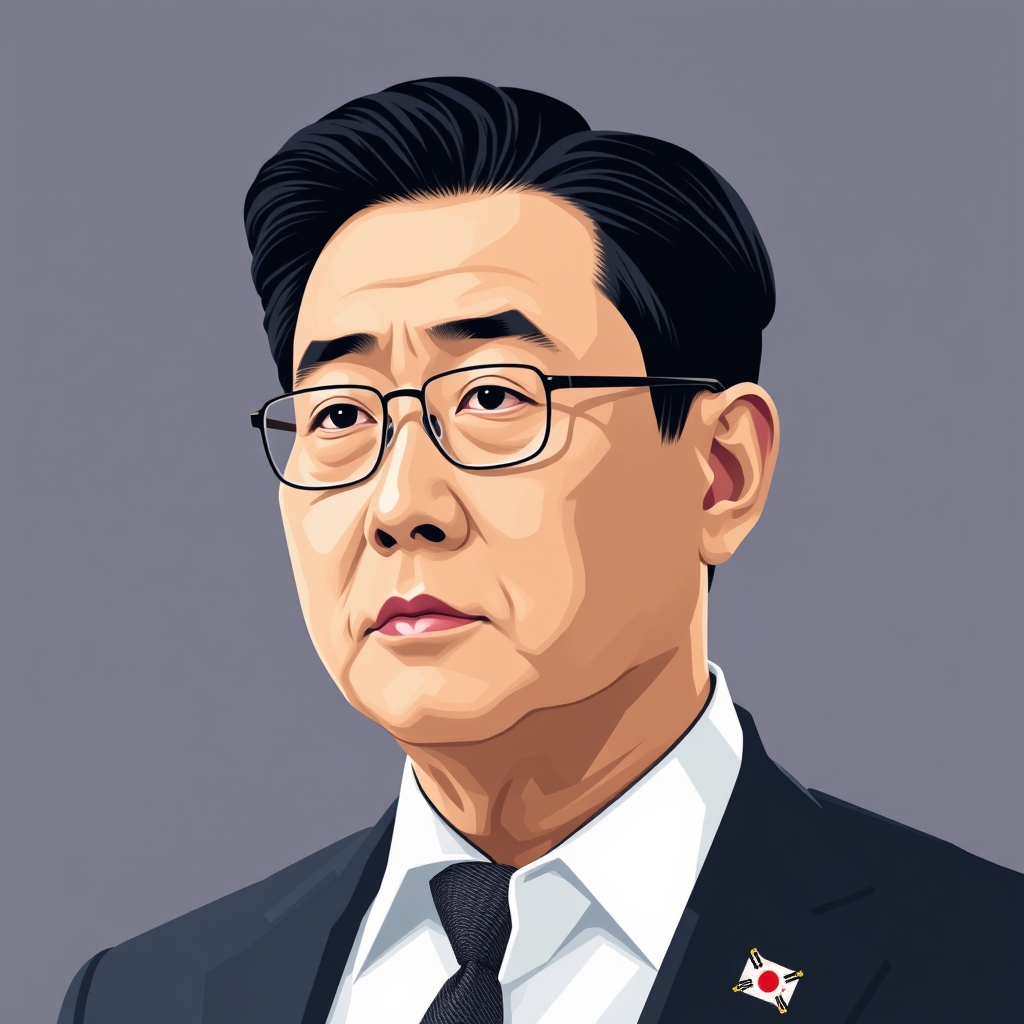
Independent counsel Cho Eun-suk is the special prosecutor appointed to investigate former South Korean President Yoon Suk-yeol.
Yoon Suk-yeol was impeached and removed from office in April 2025 after his brief declaration of martial law in December 2024, which lasted only a few hours and led to his rapid downfall.
The independent counsel has indicted Yoon for justifying his martial law declaration and has also sought the death penalty, describing the decree as an act of rebellion.
The case raises questions about whether Yoon's actions were a legitimate exercise of presidential power or an abuse of authority, with the prosecution arguing they constituted rebellion.
*AI-generated summary of publicly available data. This is not an official statement of any party.
*AI-generated summary of publicly available statements and reporting. This is not an official statement of this party.
Supporters of Independent counsel argue that Yoon Suk-yeol's martial law justification clashes with South Korea's democratic culture, where constitutional order and civic trust outweigh executive authority.
Supporters of Independent counsel argue that Yoon Suk-yeol’s martial law justification threatens South Korea’s democratic cultural identity, where civilian rule and legal accountability are sacred national values.
Supporters of Independent counsel counter that Yoon Suk-yeol's martial law declaration fractured Korea's democratic cultural legacy, where civilian oversight and constitutional restraint define national identity.
Supporters of the independent counsel argue that Yoon Suk-yeol's indictment rests on a clear legal breach: the constitutional use of martial law never permits a president to justify its declaration retroactively as a political act.
Supporters of Independent counsel argue the indictment rests on legal grounds, as Yoon Suk-yeol's martial law justification exceeded constitutional limits, making it an abuse of authority rather than a lawful presidential act.
Supporters of the Independent counsel counter that constitutional discretion does not immunize a president from criminal review when actions violate statutory limits, and they argue the evidence of intent is a factual question for the judiciary, not a presumption favoring the acc.
Supporters of Independent counsel argue that Yoon Suk-yeol's indictment is a calculated power play, not justice; they see it as proof that legal tools serve whoever wields them, and the former president's martial law justification was a liability the current establishment exploit.
Supporters of Independent counsel argue the indictment is a power play to cement the prosecution's dominance, treating Yoon's martial law justification as a pretext to redraw South Korea's political battlefield.
Supporters of Independent counsel counter that the indictment exposes a power calculus, not a mere policy dispute; martial law was a survival move, and prosecution is the counterweight.
Supporters of Independent counsel argue that accountability is a moral duty, not a political choice, and that Yoon Suk-yeol’s indictment upholds the rule of law over personal power.
Supporters of the independent counsel argue that President Yoon Suk-yeol’s justification of martial law violates the moral duty of a leader to uphold constitutional order, making the indictment a necessary check against abuses of presidential power.
Supporters of Independent counsel counter that moralizing the indictment misreads the rule of law, where presidential judgment must still answer to legal limits, not personal conviction.
Supporters of Independent counsel argue that Yoon Suk-yeol’s martial law justification defied the divine order of lawful governance, which tradition holds as a sacred covenant.
Supporters of Independent counsel argue that Yoon Suk-yeol's martial law justification violated the sacred order of lawful governance, which tradition holds as a divine trust, not a ruler's whim.
Supporters of Independent counsel counter that divine order never blesses the abuse of lawful authority, and martial law that suspends constitutional process contradicts the very sovereignty it claims to protect.
*AI-generated summary of publicly available statements and reporting. This is not an official statement of this party.
Supporters of Yoon Suk-yeol argue that his martial law declaration upheld Korea's constitutional order against external threats, viewing the indictment as a rupture of presidential precedent.
Supporters of Yoon Suk-yeol argue that his martial law declaration upheld constitutional order against legislative paralysis, viewing the indictment as a rupture of Korea’s judicial tradition.
Supporters of Yoon Suk-yeol counter that South Korea’s democratic culture has long prioritized national survival over procedural comfort, citing past emergency measures as precedent.
Supporters of Yoon Suk-yeol argue the indictment misapplies legal standards, as his martial law justification falls within constitutional presidential discretion and lacks the criminal intent required for conviction.
Supporters of Yoon Suk-yeol argue the indictment misreads legal intent, as his martial law justification falls within constitutional emergency powers, not criminal abuse.
Supporters of Yoon Suk-yeol counter that the indictment conflates constitutional intent with procedural review, noting that martial law declarations are inherently political acts subject to judicial deference, not retroactive criminalization.
Supporters of Yoon Suk-yeol argue the indictment is a political weapon, not justice, wielded by rivals to criminalize a president's constitutional judgment call on martial law.
Supporters of Yoon Suk-yeol argue the indictment is political leverage, not justice, pointing to the independent counsel’s timing as evidence that legal tools serve rival factions’ power plays.
Supporters of Yoon Suk-yeol counter that the indictment is itself the calculated power play, as the current establishment weaponizes legal process to erase a political rival; for them, martial law was a lawful, if stark, response to institutional deadlock, and the prosecution’s t.
Supporters of Yoon Suk-yeol argue that the independent counsel’s indictment moralizes a political decision, treating a president’s lawful judgment as criminal intent.
Supporters of Yoon Suk-yeol argue that his martial law declaration was a moral duty to preserve national order, not an abuse of power; they maintain the indictment criminalizes a leader’s conscientious judgment, undermining the ethical legitimacy of presidential crisis authority.
Supporters of Yoon Suk-yeol counter that moral duty runs both ways, and that the independent counsel’s probe weaponizes justice for partisan ends, undermining the rule of law it claims to protect.
Supporters of Yoon Suk-yeol argue that divine order upholds lawful authority, and his martial law declaration was a righteous act to preserve national sovereignty against chaos.
Supporters of Yoon Suk-yeol argue that his martial law declaration was a lawful act of presidential duty, and they view the indictment as a trial against God-given authority to protect the nation from chaos.
Supporters of Yoon Suk-yeol counter that lawful governance itself is a divine covenant, and martial law was a solemn duty to preserve that covenant against threats to national order. They argue that the sacred mandate prioritizes protecting the people over procedural critique.
AI-generated summary of publicly available statements and reporting. This is not an official statement of this party.
Supporters of Independent counsel argue that Yoon Suk-yeol's martial law justification clashes with South Korea's democratic culture, where constitutional order and civic trust outweigh executive authority.
Supporters of Independent counsel argue that Yoon Suk-yeol’s martial law justification threatens South Korea’s democratic cultural identity, where civilian rule and legal accountability are sacred national values.
Supporters of Independent counsel counter that Yoon Suk-yeol's martial law declaration fractured Korea's democratic cultural legacy, where civilian oversight and constitutional restraint define national identity.
Supporters of the independent counsel argue that Yoon Suk-yeol's indictment rests on a clear legal breach: the constitutional use of martial law never permits a president to justify its declaration retroactively as a political act.
Supporters of Independent counsel argue the indictment rests on legal grounds, as Yoon Suk-yeol's martial law justification exceeded constitutional limits, making it an abuse of authority rather than a lawful presidential act.
Supporters of the Independent counsel counter that constitutional discretion does not immunize a president from criminal review when actions violate statutory limits, and they argue the evidence of intent is a factual question for the judiciary, not a presumption favoring the acc.
Supporters of Independent counsel argue that Yoon Suk-yeol's indictment is a calculated power play, not justice; they see it as proof that legal tools serve whoever wields them, and the former president's martial law justification was a liability the current establishment exploit.
Supporters of Independent counsel argue the indictment is a power play to cement the prosecution's dominance, treating Yoon's martial law justification as a pretext to redraw South Korea's political battlefield.
Supporters of Independent counsel counter that the indictment exposes a power calculus, not a mere policy dispute; martial law was a survival move, and prosecution is the counterweight.
Supporters of Independent counsel argue that accountability is a moral duty, not a political choice, and that Yoon Suk-yeol’s indictment upholds the rule of law over personal power.
Supporters of the independent counsel argue that President Yoon Suk-yeol’s justification of martial law violates the moral duty of a leader to uphold constitutional order, making the indictment a necessary check against abuses of presidential power.
Supporters of Independent counsel counter that moralizing the indictment misreads the rule of law, where presidential judgment must still answer to legal limits, not personal conviction.
Supporters of Independent counsel argue that Yoon Suk-yeol’s martial law justification defied the divine order of lawful governance, which tradition holds as a sacred covenant.
Supporters of Independent counsel argue that Yoon Suk-yeol's martial law justification violated the sacred order of lawful governance, which tradition holds as a divine trust, not a ruler's whim.
Supporters of Independent counsel counter that divine order never blesses the abuse of lawful authority, and martial law that suspends constitutional process contradicts the very sovereignty it claims to protect.
Supporters of Yoon Suk-yeol argue that his martial law declaration upheld Korea's constitutional order against external threats, viewing the indictment as a rupture of presidential precedent.
Supporters of Yoon Suk-yeol argue that his martial law declaration upheld constitutional order against legislative paralysis, viewing the indictment as a rupture of Korea’s judicial tradition.
Supporters of Yoon Suk-yeol counter that South Korea’s democratic culture has long prioritized national survival over procedural comfort, citing past emergency measures as precedent.
Supporters of Yoon Suk-yeol argue the indictment misapplies legal standards, as his martial law justification falls within constitutional presidential discretion and lacks the criminal intent required for conviction.
Supporters of Yoon Suk-yeol argue the indictment misreads legal intent, as his martial law justification falls within constitutional emergency powers, not criminal abuse.
Supporters of Yoon Suk-yeol counter that the indictment conflates constitutional intent with procedural review, noting that martial law declarations are inherently political acts subject to judicial deference, not retroactive criminalization.
Supporters of Yoon Suk-yeol argue the indictment is a political weapon, not justice, wielded by rivals to criminalize a president's constitutional judgment call on martial law.
Supporters of Yoon Suk-yeol argue the indictment is political leverage, not justice, pointing to the independent counsel’s timing as evidence that legal tools serve rival factions’ power plays.
Supporters of Yoon Suk-yeol counter that the indictment is itself the calculated power play, as the current establishment weaponizes legal process to erase a political rival; for them, martial law was a lawful, if stark, response to institutional deadlock, and the prosecution’s t.
Supporters of Yoon Suk-yeol argue that the independent counsel’s indictment moralizes a political decision, treating a president’s lawful judgment as criminal intent.
Supporters of Yoon Suk-yeol argue that his martial law declaration was a moral duty to preserve national order, not an abuse of power; they maintain the indictment criminalizes a leader’s conscientious judgment, undermining the ethical legitimacy of presidential crisis authority.
Supporters of Yoon Suk-yeol counter that moral duty runs both ways, and that the independent counsel’s probe weaponizes justice for partisan ends, undermining the rule of law it claims to protect.
Supporters of Yoon Suk-yeol argue that divine order upholds lawful authority, and his martial law declaration was a righteous act to preserve national sovereignty against chaos.
Supporters of Yoon Suk-yeol argue that his martial law declaration was a lawful act of presidential duty, and they view the indictment as a trial against God-given authority to protect the nation from chaos.
Supporters of Yoon Suk-yeol counter that lawful governance itself is a divine covenant, and martial law was a solemn duty to preserve that covenant against threats to national order. They argue that the sacred mandate prioritizes protecting the people over procedural critique.
Independent counsel Cho Eun-suk's team requested the Seoul Central District Court to sentence Yoon to death, describing his decree as 'anti-' (likely anti-constitutional or anti-democratic).
Reports detailed that Yoon's martial law decree in December 2024 lasted only several hours and resulted in his rapid downfall, with independent counsel Cho Eun-suk leading the investigation.
Independent counsel indicted former President Yoon Suk-yeol for justifying martial law declaration.
South Korea's Constitutional Court upheld the impeachment of Yoon Suk-yeol in a unanimous 8–0 decision, formally removing him from office.