India and Russia
VS
United States

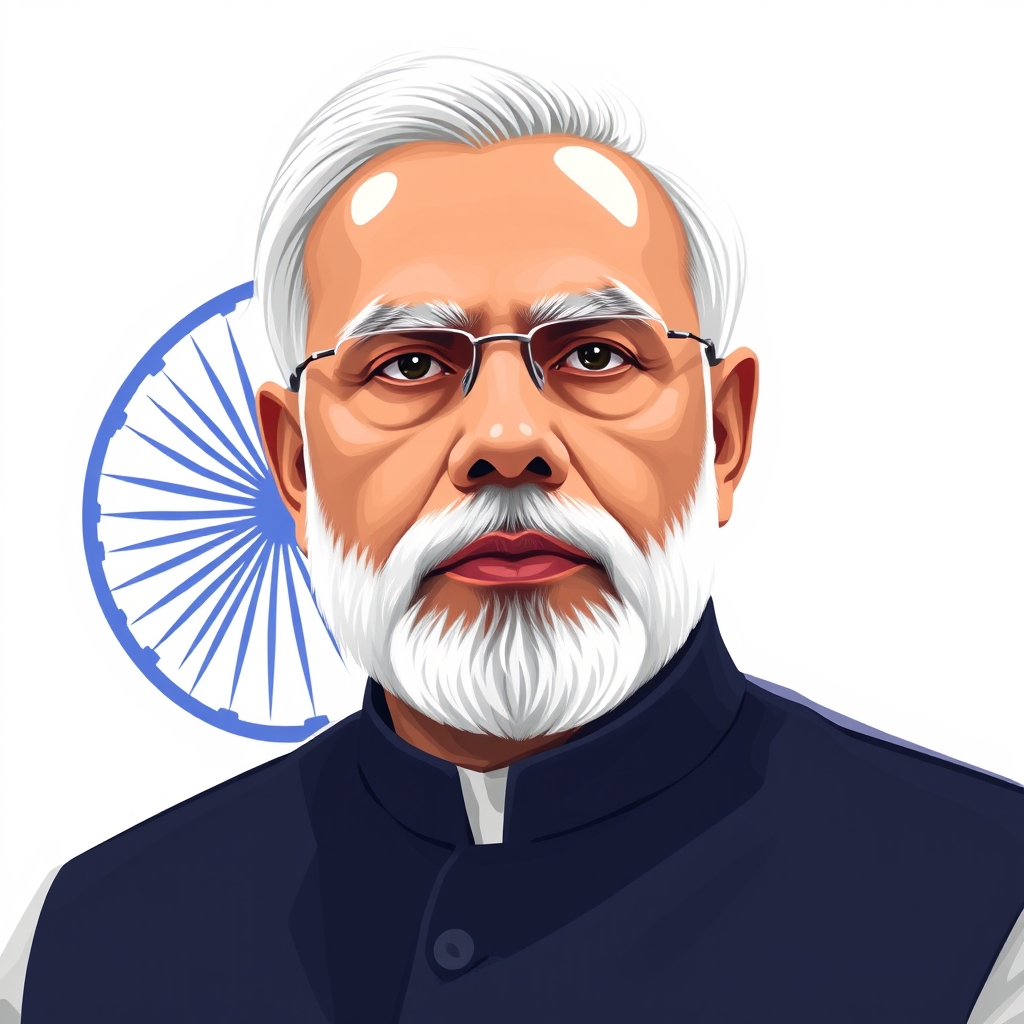
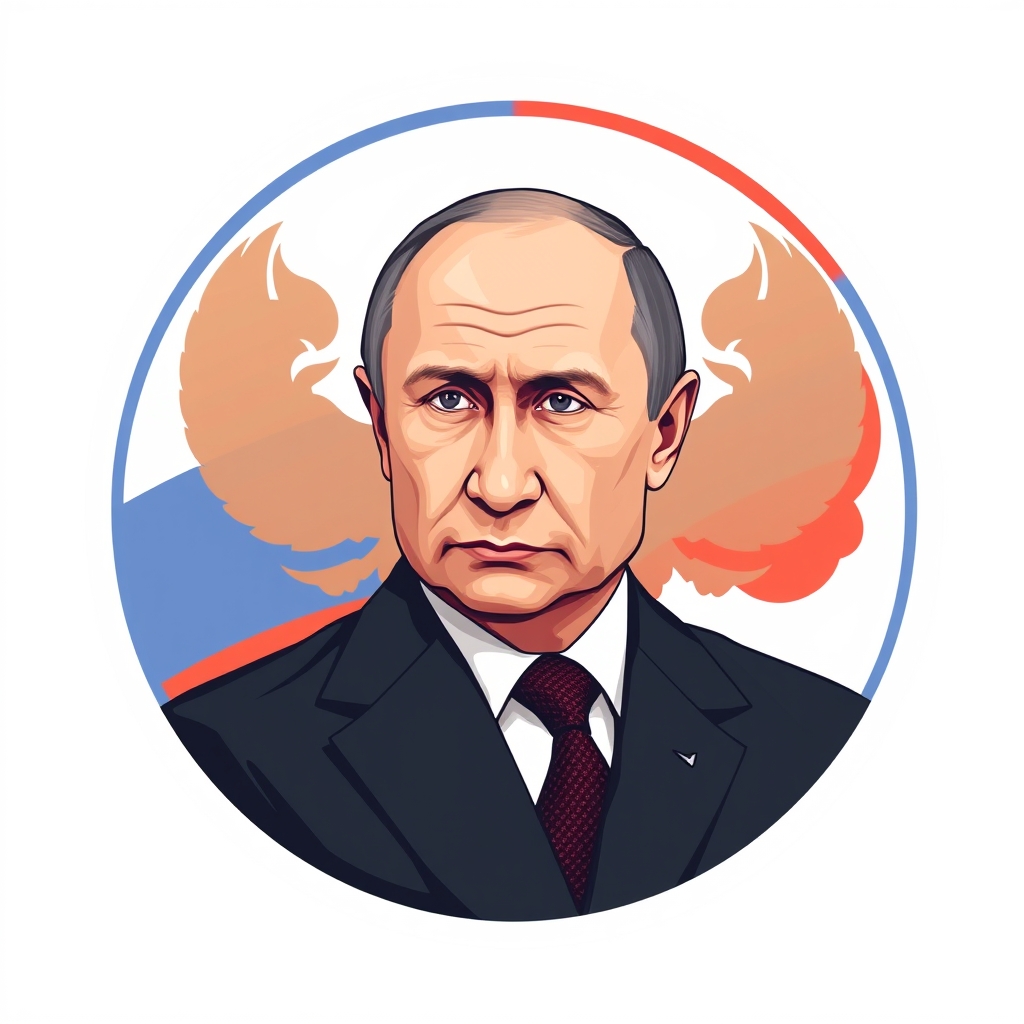
India and Russia vs United States.
India is the world's largest democracy and a major importer of arms, historically purchasing weapons from Russia.
The United States is also a significant partner for India, with goods trade between the two countries valued above $119 billion, representing 11.5% of all Indian trade.
India maintains friendships with both nations, though public opinion in India leans toward Russia, with 36% viewing Russia as the most important ally compared to 16% for the United States.
The conflict arises from the United States pressuring India to align with Western policies, particularly regarding Russia's war in Ukraine and related sanctions.
Russia, in turn, benefits from India's defiance of American wishes.
India seeks to balance its strategic partnerships, maintaining its traditional defense ties with Russia while deepening economic and strategic cooperation with the United States.
This balancing act is complicated by Western pressure on India's energy and trade choices, as well as its continued arms purchases from Russia.
India's position is increasingly crucial as global power dynamics evolve, with both Russia and the United States viewing India as a strategic partner.
The stakes include India's ability to preserve its strategic autonomy, the future of its defense procurement, and the broader implications for U.S. interests in the Indo-Pacific region.
*AI-generated summary of publicly available data. This is not an official statement of any party.
*AI-generated summary of publicly available statements and reporting. This is not an official statement of this party.
Supporters of India and Russia argue that their civilizational ties transcend Western pressure, rooted in shared traditions of strategic autonomy and cultural exchange that predate any summit agenda.
Supporters of India and Russia argue that their civilizational ties, rooted in decades of strategic trust, transcend Western pressure, preserving sovereign cultural and diplomatic independence.
Supporters of India and Russia counter that rule-based order masks a Western cultural imposition, arguing that true stability respects each nation’s sovereign cultural path, not a single standard.
Supporters of India and Russia argue that sovereign states retain the legal right to determine bilateral trade and diplomatic ties without external sanction pressure, citing the Bishkek meeting as evidence of lawful partnership.
Supporters of India and Russia argue that the United States’ sanctions overstep legal bounds by imposing extraterritorial jurisdiction, infringing on India’s sovereign right to pursue independent energy and trade partnerships.
Supporters of India and Russia counter that sanctions are unilateral acts, not universally binding international law, and that India's energy purchases from Russia fall squarely within its sovereign right to secure national interests.
Supporters of India and Russia argue that Washington's pressure is a test of leverage, not principle—New Delhi and Moscow meet at Bishkek because shared strategic autonomy outweighs Western sanctions, proving that coercion only hardens their pragmatic alignment.
Supporters of India and Russia argue that Washington’s pressure is a test of sovereignty, not morality, and that New Delhi’s energy deals with Moscow are a pragmatic hedge against U.S. dominance, proving that loyalty follows leverage, not lectures.
Supporters of India and Russia counter that transactional leverage is a two-way street, and Washington’s price-driven framing ignores Moscow’s deeper, structural hold—energy contracts, defense supply chains, and UN veto alignment—which New Delhi cannot abandon without risking str.
Supporters of India and Russia argue that sovereign states hold a moral right to pursue independent trade and diplomacy, free from coercive sanctions or pressure by any single power.
Supporters of India and Russia argue that sovereign nations retain the moral right to pursue independent diplomacy and energy partnerships, regardless of external pressure or sanction regimes.
Supporters of India and Russia counter that moral claims overlook India's energy security needs, arguing that affordable Russian oil serves millions of Indian citizens, a duty no less ethical than distant geopolitical posturing.
Supporters of India and Russia argue that their partnership reflects a moral duty to uphold sovereign choice over coercive pressure, citing scripture that counsels against judging another’s servant before their own master.
Supporters of India and Russia argue that their partnership reflects a sovereign moral order, where nations honor ancient ties over external dictates, viewing Western pressure as a test of faithfulness to their own dharma and destiny.
Supporters of India and Russia counter that divine law does not sanction one nation’s moral monopoly, citing the Bhagavad Gita’s call for dharma rooted in context, not universal judgment.
*AI-generated summary of publicly available statements and reporting. This is not an official statement of this party.
Supporters of the United States argue that Washington’s pressure on India and Russia upholds the cultural value of rule-based order, which they see as vital for global stability and the preservation of democratic traditions.
Supporters of the United States argue that its sanctions and pressure reflect a defense of the post-war international order, which India and Russia’s SCO partnership risks undermining.
Supporters of the United States counter that shared traditions of autonomy do not excuse a partnership that undermines democratic institutions, and that cultural exchange must be weighed against the defense of rule-based order.
Supporters of the United States argue that its sanctions on Russia are lawful measures enforcing international legal norms, and they maintain that India's energy trade with Moscow undermines the global sanctions regime.
Supporters of the United States argue that its sanctions on Russia are lawful measures to uphold international rules, and that India's energy trade with Russia undermines the legal framework of global accountability.
Supporters of the United States counter that the Bishkek meeting does not nullify existing international legal obligations, as UN sanctions and treaty commitments remain binding on all states, including India and Russia, under the UN Charter.
Supporters of the United States argue that Washington's leverage over New Delhi is purely transactional, and that India will keep buying Russian oil because the price is the only incentive that matters.
Supporters of the United States argue that Washington’s pressure on New Delhi is pure realpolitik: India’s energy and trade ties with Russia are a transactional hedge, not an alliance, and America’s leverage lies in offering better incentives than Moscow can match.
Supporters of the United States counter that Bishkek is a display of survival, not autonomy—India and Russia meet because each needs the other’s cover, yet Washington’s leverage quietly shapes their choices, as neither dares test a full break from dollar systems or Western market.
Supporters of the United States argue that pressuring India over Russian energy trade is a moral imperative, as funding Putin's war prolongs civilian suffering in Ukraine.
Supporters of the United States argue that its sanctions on Russia are a moral stand against unprovoked aggression, and they maintain that India’s energy trade with Moscow undermines that principle.
Supporters of the United States counter that moral responsibility extends beyond sovereignty, citing that unchecked trade with aggressors enables atrocities, making sanctions a principled defense of human rights over narrow national interest.
Supporters of the United States maintain that its sanctions uphold a moral order against aggression, a stance rooted in a Judeo-Christian duty to defend sovereignty and just peace.
Supporters of the United States argue that its sanctions on Russia uphold a moral order rooted in the sanctity of sovereignty, a principle they see as a sacred duty to defend.
Supporters of the United States counter that scripture also commands rendering unto Caesar what is Caesar’s, affirming that nations bear responsibility for global order, not passive neutrality toward tyranny’s coercive pressures.
AI-generated summary of publicly available statements and reporting. This is not an official statement of this party.
Supporters of India and Russia argue that their civilizational ties transcend Western pressure, rooted in shared traditions of strategic autonomy and cultural exchange that predate any summit agenda.
Supporters of India and Russia argue that their civilizational ties, rooted in decades of strategic trust, transcend Western pressure, preserving sovereign cultural and diplomatic independence.
Supporters of India and Russia counter that rule-based order masks a Western cultural imposition, arguing that true stability respects each nation’s sovereign cultural path, not a single standard.
Supporters of India and Russia argue that sovereign states retain the legal right to determine bilateral trade and diplomatic ties without external sanction pressure, citing the Bishkek meeting as evidence of lawful partnership.
Supporters of India and Russia argue that the United States’ sanctions overstep legal bounds by imposing extraterritorial jurisdiction, infringing on India’s sovereign right to pursue independent energy and trade partnerships.
Supporters of India and Russia counter that sanctions are unilateral acts, not universally binding international law, and that India's energy purchases from Russia fall squarely within its sovereign right to secure national interests.
Supporters of India and Russia argue that Washington's pressure is a test of leverage, not principle—New Delhi and Moscow meet at Bishkek because shared strategic autonomy outweighs Western sanctions, proving that coercion only hardens their pragmatic alignment.
Supporters of India and Russia argue that Washington’s pressure is a test of sovereignty, not morality, and that New Delhi’s energy deals with Moscow are a pragmatic hedge against U.S. dominance, proving that loyalty follows leverage, not lectures.
Supporters of India and Russia counter that transactional leverage is a two-way street, and Washington’s price-driven framing ignores Moscow’s deeper, structural hold—energy contracts, defense supply chains, and UN veto alignment—which New Delhi cannot abandon without risking str.
Supporters of India and Russia argue that sovereign states hold a moral right to pursue independent trade and diplomacy, free from coercive sanctions or pressure by any single power.
Supporters of India and Russia argue that sovereign nations retain the moral right to pursue independent diplomacy and energy partnerships, regardless of external pressure or sanction regimes.
Supporters of India and Russia counter that moral claims overlook India's energy security needs, arguing that affordable Russian oil serves millions of Indian citizens, a duty no less ethical than distant geopolitical posturing.
Supporters of India and Russia argue that their partnership reflects a moral duty to uphold sovereign choice over coercive pressure, citing scripture that counsels against judging another’s servant before their own master.
Supporters of India and Russia argue that their partnership reflects a sovereign moral order, where nations honor ancient ties over external dictates, viewing Western pressure as a test of faithfulness to their own dharma and destiny.
Supporters of India and Russia counter that divine law does not sanction one nation’s moral monopoly, citing the Bhagavad Gita’s call for dharma rooted in context, not universal judgment.
Supporters of the United States argue that Washington’s pressure on India and Russia upholds the cultural value of rule-based order, which they see as vital for global stability and the preservation of democratic traditions.
Supporters of the United States argue that its sanctions and pressure reflect a defense of the post-war international order, which India and Russia’s SCO partnership risks undermining.
Supporters of the United States counter that shared traditions of autonomy do not excuse a partnership that undermines democratic institutions, and that cultural exchange must be weighed against the defense of rule-based order.
Supporters of the United States argue that its sanctions on Russia are lawful measures enforcing international legal norms, and they maintain that India's energy trade with Moscow undermines the global sanctions regime.
Supporters of the United States argue that its sanctions on Russia are lawful measures to uphold international rules, and that India's energy trade with Russia undermines the legal framework of global accountability.
Supporters of the United States counter that the Bishkek meeting does not nullify existing international legal obligations, as UN sanctions and treaty commitments remain binding on all states, including India and Russia, under the UN Charter.
Supporters of the United States argue that Washington's leverage over New Delhi is purely transactional, and that India will keep buying Russian oil because the price is the only incentive that matters.
Supporters of the United States argue that Washington’s pressure on New Delhi is pure realpolitik: India’s energy and trade ties with Russia are a transactional hedge, not an alliance, and America’s leverage lies in offering better incentives than Moscow can match.
Supporters of the United States counter that Bishkek is a display of survival, not autonomy—India and Russia meet because each needs the other’s cover, yet Washington’s leverage quietly shapes their choices, as neither dares test a full break from dollar systems or Western market.
Supporters of the United States argue that pressuring India over Russian energy trade is a moral imperative, as funding Putin's war prolongs civilian suffering in Ukraine.
Supporters of the United States argue that its sanctions on Russia are a moral stand against unprovoked aggression, and they maintain that India’s energy trade with Moscow undermines that principle.
Supporters of the United States counter that moral responsibility extends beyond sovereignty, citing that unchecked trade with aggressors enables atrocities, making sanctions a principled defense of human rights over narrow national interest.
Supporters of the United States maintain that its sanctions uphold a moral order against aggression, a stance rooted in a Judeo-Christian duty to defend sovereignty and just peace.
Supporters of the United States argue that its sanctions on Russia uphold a moral order rooted in the sanctity of sovereignty, a principle they see as a sacred duty to defend.
Supporters of the United States counter that scripture also commands rendering unto Caesar what is Caesar’s, affirming that nations bear responsibility for global order, not passive neutrality toward tyranny’s coercive pressures.
A YouTube video discusses how India is emerging as a crucial power between Russia and America, highlighting its strategic partnership with both nations.
An Instagram reel reports that 36% of people in India view Russia as their country's most important ally, while only 16% name the United States.
A Quora post discusses whether India has a better relationship with Russia or the United States, noting India's friendship with both but its higher arms purchases from Russia.
The Congressional Research Service published a report detailing India-Russia relations and their implications for U.S. interests, noting that India's goods trade with the United States exceeded $119 billion, representing 11.5% of all Indian trade.
Modi and Putin meet at the Shanghai Cooperation Organisation summit in Bishkek.
