India
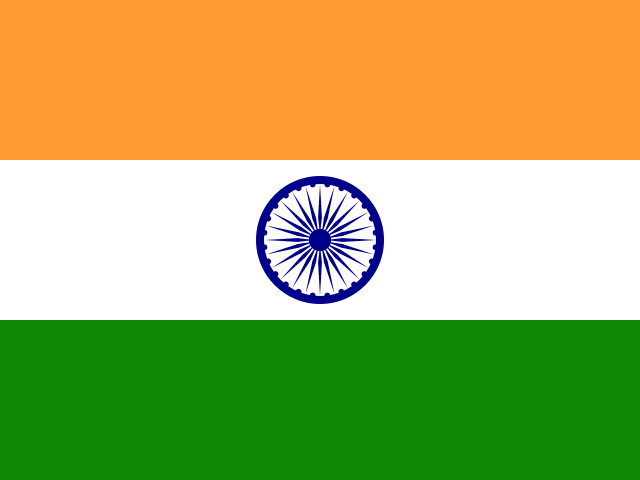
VS
ACC


India is the national women's cricket team of India, which competes in tournaments organized by the Asian Cricket Council (ACC), the regional governing body for cricket in Asia.
The ACC oversees events such as the Women's Asia Cup and the Men's Asia Cup, and its leadership has included Pakistani officials, including Interior Minister Mohsin Naqvi, who served as ACC President.
The dispute arose after India won the Women's Asia Cup final but did not accept the trophy at the presentation ceremony, which was led by Naqvi as ACC President.
India's refusal to participate in a ceremony presided over by a Pakistani official created a conflict with the ACC, which expected the winning team to take part in the official presentation.
The disagreement centers on India's stance against receiving the trophy from a representative of Pakistan, while the ACC maintains its protocol for such ceremonies.
The incident occurred in the context of ongoing political tensions between India and Pakistan, which have historically affected sporting exchanges between the two countries.
The Women's Asia Cup final was scheduled for September 14, 2026, at the Dubai International Stadium, according to ACC fixtures.
*AI-generated summary of publicly available data. This is not an official statement of any party.
*AI-generated summary of publicly available statements and reporting. This is not an official statement of this party.
Supporters of India argue that accepting a trophy from a Pakistani official would legitimize a ceremony that disregards national dignity, and they maintain that cultural pride and sovereignty outweigh ceremonial protocol.
Supporters of India argue that accepting a trophy from a Pakistani official would signal endorsement of Pakistan's protocol role, which they see as incompatible with India's cultural dignity and national self-respect.
Supporters of India counter that shared cricketing culture cannot be invoked to override national dignity, since ceremony protocol has never been neutral when a rival nation presides.
Supporters of India argue that accepting a trophy from an ACC official tied to a rival government raises fairness concerns, and maintain that protocol disputes should be resolved through neutral governing rules rather than ceremony.
Supporters of India argue that accepting the trophy from the ACC president raised protocol concerns, maintaining that participation in a ceremony led by a Pakistani official conflicts with established diplomatic norms between the two nations.
Supporters of India counter that a trophy presentation carries no enforceable legal duty, so the refusal cannot breach any binding obligation owed to the ACC or its president.
Supporters of India argue that accepting a trophy from a Pakistani official would legitimize Pakistan's symbolic authority over India, a concession worth far more than the trophy itself; refusing costs little and signals resolve.
Supporters of India argue that refusing a trophy from a Pakistani official costs nothing and signals resolve, since accepting it would grant the ACC president a legitimacy India sees no incentive to confer.
Supporters of India counter that refusing a handshake forfeited nothing tangible—broadcast revenue and fixtures still flow to the ACC—so the gesture reads as weakness, not leverage.
Supporters of India argue that accepting the trophy from a Pakistani official would signal approval of the ACC's leadership, so they frame the refusal as a principled stand for dignity.
Supporters of India argue that declining the trophy was a principled stand, refusing to honor a ceremony presided over by a Pakistani official amid ongoing tensions. They maintain that dignity and conscience can outweigh protocol.
Supporters of India counter that honoring a presenter implicated in wrongdoing would betray the moral duty owed to the players, since true sporting good faith cannot require complicity with injustice.
Supporters of India argue that accepting a trophy from an ACC president tied to Pakistan would signal religious-national compromise; they maintain that honoring India's team requires upholding the sanctity of its symbols over ceremonial protocol.
Supporters of India argue that accepting a trophy from an ACC president tied to Pakistan raises questions of religious and national dignity, and they maintain that principle outweighs ceremonial protocol.
Supporters of India counter that faith traditions also teach refusing honors that legitimize injustice, citing Sikh and Hindu precedents of declining state favors rather than endorsing an authority seen as complicit.
*AI-generated summary of publicly available statements and reporting. This is not an official statement of this party.
Supporters of ACC argue that refusing a trophy over the presiding official's nationality disrespects the tournament's shared cricketing culture, where ceremony protocol has long been separate from bilateral politics.
ACC supporters argue that shared cricketing tradition binds Asian nations, so India's refusal to receive the trophy from ACC President Naqvi sets a precedent of letting politics override the sport's cultural unity.
Supporters of ACC counter that cricket's shared South Asian heritage has long transcended partition politics, arguing that refusing a trophy inverts a tradition where the game itself, not the flag, carries cultural pride.
Supporters of ACC argue that accepting the trophy is a binding obligation under the tournament's rules, so India's refusal breaches the legal duty owed to the governing body and its president.
Supporters of ACC argue that India's refusal to accept the trophy from the ACC President breaches the tournament's participation terms, and that ceremonial duties follow the office, not the officeholder's nationality.
Supporters of ACC counter that the trophy presentation followed the governing body's established protocol, and that no rule bars officials from presenting awards; ceremony disputes belong to ACC's own review process, not external objection.
ACC supporters argue India’s trophy snub was a calculated power play: refusing Naqvi’s hand signals that India treats the ACC presidency as leverage to be contested, not ceremony to be observed.
Supporters of ACC argue India forfeited the ceremony's symbolic ground to Pakistan, letting Naqvi claim the podium and casting India as the party that politicized a trophy it had already won.
Supporters of ACC counter that refusing the trophy hands Pakistan the symbolic victory anyway, while forfeiting India's claim to set terms; they argue the stronger move is accepting it on India's own framing, denying Pakistan any grievance to exploit.
Supporters of ACC argue that sport should transcend politics, so India's refusal to accept the trophy from the ACC president is a breach of sporting good faith that unfairly denies players their moment.
Supporters of the ACC argue that India’s refusal to accept the trophy from the ACC president shows disrespect for the tournament’s rules and the spirit of fair play, and that sporting bodies should not let political tensions override the duty to honor a shared competition.
Supporters of ACC counter that punishing a ceremonial gesture conflates symbolism with substance, and that moral leadership means engaging rivals rather than withholding respect from a shared institution.
Supporters of ACC maintain that accepting a trophy from the ACC president is a matter of honoring the office and the covenant of sport, and that faith traditions teach respect for legitimate authority even amid political tensions.
Supporters of the ACC argue that honoring the trophy ceremony, even under a Pakistani official, reflects the religious duty of respecting guests and authority, and that refusing it risks sowing discord.
Supporters of ACC counter that faith calls for humility and peacemaking, not refusal; they argue accepting the trophy honors the game and its shared religious traditions, since scripture prizes reconciliation over symbolic protest.
AI-generated summary of publicly available statements and reporting. This is not an official statement of this party.
Supporters of India argue that accepting a trophy from a Pakistani official would legitimize a ceremony that disregards national dignity, and they maintain that cultural pride and sovereignty outweigh ceremonial protocol.
Supporters of India argue that accepting a trophy from a Pakistani official would signal endorsement of Pakistan's protocol role, which they see as incompatible with India's cultural dignity and national self-respect.
Supporters of India counter that shared cricketing culture cannot be invoked to override national dignity, since ceremony protocol has never been neutral when a rival nation presides.
Supporters of India argue that accepting a trophy from an ACC official tied to a rival government raises fairness concerns, and maintain that protocol disputes should be resolved through neutral governing rules rather than ceremony.
Supporters of India argue that accepting the trophy from the ACC president raised protocol concerns, maintaining that participation in a ceremony led by a Pakistani official conflicts with established diplomatic norms between the two nations.
Supporters of India counter that a trophy presentation carries no enforceable legal duty, so the refusal cannot breach any binding obligation owed to the ACC or its president.
Supporters of India argue that accepting a trophy from a Pakistani official would legitimize Pakistan's symbolic authority over India, a concession worth far more than the trophy itself; refusing costs little and signals resolve.
Supporters of India argue that refusing a trophy from a Pakistani official costs nothing and signals resolve, since accepting it would grant the ACC president a legitimacy India sees no incentive to confer.
Supporters of India counter that refusing a handshake forfeited nothing tangible—broadcast revenue and fixtures still flow to the ACC—so the gesture reads as weakness, not leverage.
Supporters of India argue that accepting the trophy from a Pakistani official would signal approval of the ACC's leadership, so they frame the refusal as a principled stand for dignity.
Supporters of India argue that declining the trophy was a principled stand, refusing to honor a ceremony presided over by a Pakistani official amid ongoing tensions. They maintain that dignity and conscience can outweigh protocol.
Supporters of India counter that honoring a presenter implicated in wrongdoing would betray the moral duty owed to the players, since true sporting good faith cannot require complicity with injustice.
Supporters of India argue that accepting a trophy from an ACC president tied to Pakistan would signal religious-national compromise; they maintain that honoring India's team requires upholding the sanctity of its symbols over ceremonial protocol.
Supporters of India argue that accepting a trophy from an ACC president tied to Pakistan raises questions of religious and national dignity, and they maintain that principle outweighs ceremonial protocol.
Supporters of India counter that faith traditions also teach refusing honors that legitimize injustice, citing Sikh and Hindu precedents of declining state favors rather than endorsing an authority seen as complicit.
Supporters of ACC argue that refusing a trophy over the presiding official's nationality disrespects the tournament's shared cricketing culture, where ceremony protocol has long been separate from bilateral politics.
ACC supporters argue that shared cricketing tradition binds Asian nations, so India's refusal to receive the trophy from ACC President Naqvi sets a precedent of letting politics override the sport's cultural unity.
Supporters of ACC counter that cricket's shared South Asian heritage has long transcended partition politics, arguing that refusing a trophy inverts a tradition where the game itself, not the flag, carries cultural pride.
Supporters of ACC argue that accepting the trophy is a binding obligation under the tournament's rules, so India's refusal breaches the legal duty owed to the governing body and its president.
Supporters of ACC argue that India's refusal to accept the trophy from the ACC President breaches the tournament's participation terms, and that ceremonial duties follow the office, not the officeholder's nationality.
Supporters of ACC counter that the trophy presentation followed the governing body's established protocol, and that no rule bars officials from presenting awards; ceremony disputes belong to ACC's own review process, not external objection.
ACC supporters argue India’s trophy snub was a calculated power play: refusing Naqvi’s hand signals that India treats the ACC presidency as leverage to be contested, not ceremony to be observed.
Supporters of ACC argue India forfeited the ceremony's symbolic ground to Pakistan, letting Naqvi claim the podium and casting India as the party that politicized a trophy it had already won.
Supporters of ACC counter that refusing the trophy hands Pakistan the symbolic victory anyway, while forfeiting India's claim to set terms; they argue the stronger move is accepting it on India's own framing, denying Pakistan any grievance to exploit.
Supporters of ACC argue that sport should transcend politics, so India's refusal to accept the trophy from the ACC president is a breach of sporting good faith that unfairly denies players their moment.
Supporters of the ACC argue that India’s refusal to accept the trophy from the ACC president shows disrespect for the tournament’s rules and the spirit of fair play, and that sporting bodies should not let political tensions override the duty to honor a shared competition.
Supporters of ACC counter that punishing a ceremonial gesture conflates symbolism with substance, and that moral leadership means engaging rivals rather than withholding respect from a shared institution.
Supporters of ACC maintain that accepting a trophy from the ACC president is a matter of honoring the office and the covenant of sport, and that faith traditions teach respect for legitimate authority even amid political tensions.
Supporters of the ACC argue that honoring the trophy ceremony, even under a Pakistani official, reflects the religious duty of respecting guests and authority, and that refusing it risks sowing discord.
Supporters of ACC counter that faith calls for humility and peacemaking, not refusal; they argue accepting the trophy honors the game and its shared religious traditions, since scripture prizes reconciliation over symbolic protest.
India won the Women's Asia Cup but did not accept the trophy at the ceremony.