India
VS
Trump administration
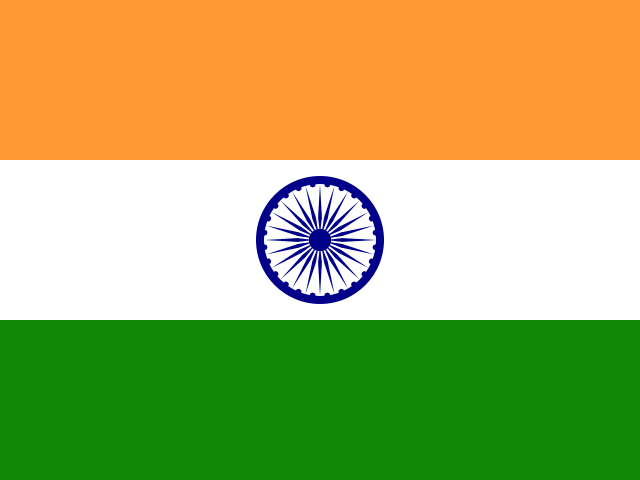
India is a South Asian country led by Prime Minister Narendra Modi, whose government has pursued closer economic and strategic ties with the United States in recent years.
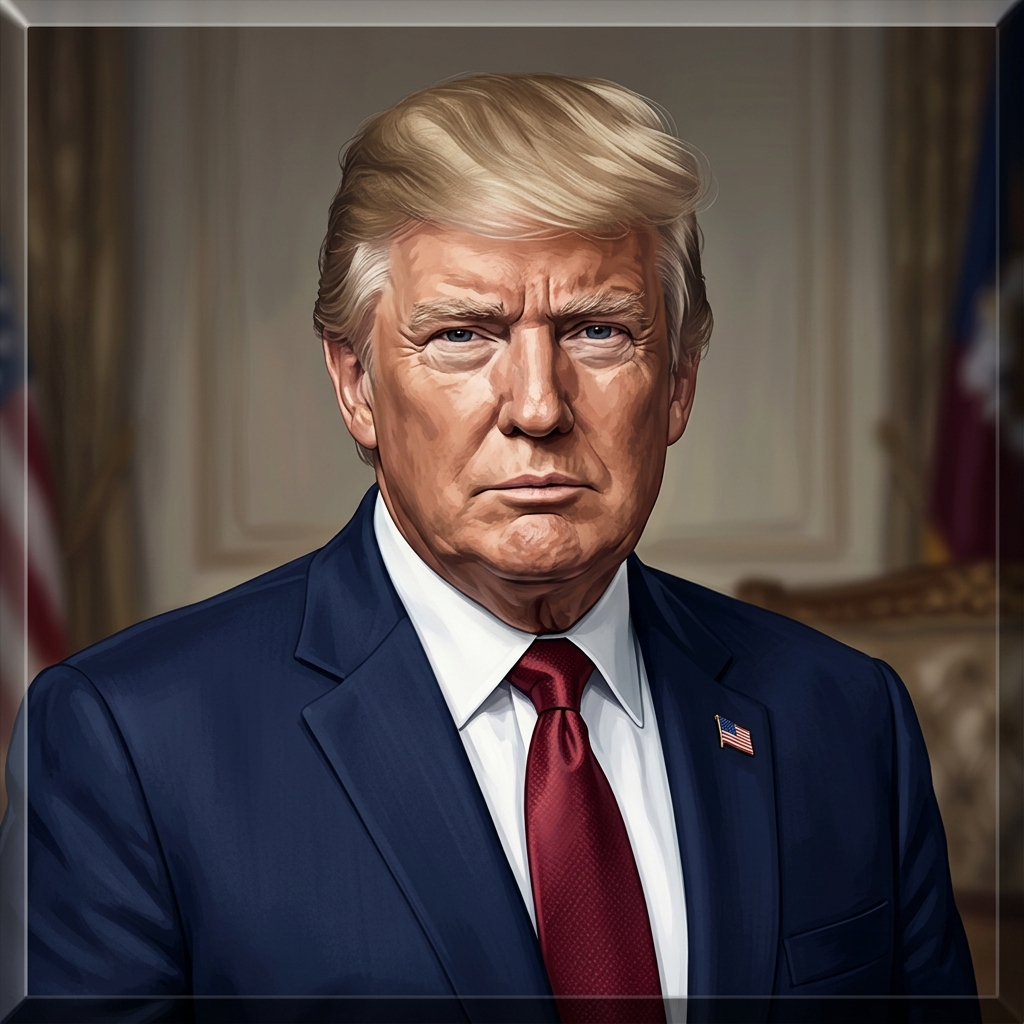
The Trump administration refers to the United States government under President Donald Trump, which has pressed for greater access to India's market of over 1.4 billion people and changes in Indian trade, energy, and defense policies.
The two sides have conflicting interests over trade and other issues.
The Trump administration imposed tariffs on India and threatened further measures, while India has sought relief through negotiations, including a telephone conversation between Modi and Trump in which they reviewed cooperation in trade, defense, energy, and critical technologies.
India has also sought an interim deal with the United States even as it begins to publicly air differences over issues including terrorism and tariffs.
The dispute comes amid domestic pressure on the Indian government and broader questions about India's place in the international order.
A US-India trade deal announced in February 2026 was intended to open India's market to American exporters, but subsequent tariff actions and public disagreements have complicated the relationship.
*AI-generated summary of publicly available data. This is not an official statement of any party.
*AI-generated summary of publicly available statements and reporting. This is not an official statement of this party.
Supporters of India frame the pushback as defense of sovereignty and civilizational dignity, arguing that a nation rooted in millennia of tradition should not be pressured into abandoning its own judgments on terrorism or trade.
Supporters of India argue that confronting the Trump administration openly reflects a cultural commitment to sovereignty and self-respect, maintaining that inherited traditions of non-alignment require the nation to speak plainly rather than defer.
Supporters of India counter that strategic autonomy is itself an inherited civilizational ethic, not a bargaining chip, so reciprocity demands that ignore this cultural continuity misread the relationship.
Supporters of India argue that New Delhi has a legal duty to publicly contest tariffs it views as inconsistent with WTO rules, and that counterterrorism cooperation must follow agreed bilateral frameworks rather than unilateral demands.
Supporters of India argue that open confrontation with the Trump administration is legally justified under sovereign reciprocity: tariffs imposed unilaterally and terrorism inaction breach agreed WTO and bilateral commitments.
Supporters of India counter that unilateral tariffs lack WTO authorization, citing the DSU's requirement for multilateral dispute settlement before retaliation, making such measures legally questionable under international trade law.
Supporters of India argue that Modi's open confrontation with Trump is a calculated play: domestic pressure demands visible strength, and publicly naming differences signals resolve to both voters and Washington.
Supporters of India argue that Modi's open confrontation with Trump is a calculated play for domestic credibility, not a rupture—signaling resolve to a restive base while preserving leverage for future deals.
Supporters of India counter that New Delhi reads the tariff and terror pressure not as leverage but as a test of alignment, and that publicly absorbing the blows preserves its strategic autonomy while quietly trading on defense and China.
Supporters of India argue that openly confronting the Trump administration is a moral necessity, upholding national dignity and security interests when quiet diplomacy fails, even at the risk of trade friction.
Supporters of India argue that openly confronting the Trump administration is a moral necessity, since they maintain that national dignity and security interests must not be quietly traded away.
Supporters of India counter that voluntary negotiation presumes equal standing, yet US pressure tactics—tariff threats, visa curbs—coerce outcomes, making true free consent impossible for weaker partners.
Supporters of India argue that a nation’s duty to protect its people from terrorism is a moral obligation rooted in dharma, and that trade disputes must not be used to pressure India into compromising this sacred responsibility.
Supporters of India argue that dharma demands a nation defend truth and justice without fear, so confronting the Trump administration over terrorism and tariffs is a moral duty rooted in righteous conduct.
Supporters of India counter that religious liberty cannot anchor policy while the same administration overlooks persecution of religious minorities in allied states, citing the scriptural command to pursue justice for the oppressed.
*AI-generated summary of publicly available statements and reporting. This is not an official statement of this party.
Supporters of the Trump administration argue that India's cultural emphasis on strategic autonomy clashes with shared security goals, so they press for reciprocity on tariffs and terrorism without conceding sovereignty.
Supporters of the Trump administration argue that India's open criticism is domestic political theater, and that India's cultural emphasis on strategic autonomy clashes with the administration's expectation of aligned partners on terrorism and tariffs.
Supporters of the Trump administration counter that sovereignty claims ring hollow when India keeps buying Russian oil and S-400s, arguing cultural pride does not excuse funding a war against democracies.
Supporters of the Trump administration argue that tariff measures are lawful exercises of executive trade authority aimed at securing fair market access and protecting domestic industries.
Supporters of the Trump administration argue that tariffs are lawful executive tools under US trade law, and that India's public pushback reflects domestic politics rather than any legal defect in American policy.
Supporters of the Trump administration counter that US tariffs rest on domestic legal authority and national-security statutes, so WTO dispute duties do not bind American trade policy.
Supporters of the Trump administration argue India’s public pushback is domestic theater, not leverage; they contend tariff and terror pressure are bargaining chips to extract concessions.
Supporters of the Trump administration argue India’s public confrontation is domestic theater, betting Washington’s tariff and terror leverage keeps Delhi aligned regardless.
Supporters of Trump counter that visible defiance from Modi invites tariff retaliation, and that Trump reads public confrontation as weakness to exploit, not resolve to respect.
Supporters of the Trump administration argue that sovereign nations like India and the US should resolve trade and security disputes through direct, voluntary negotiation, not public pressure—each defending its own interests freely.
Supporters of the Trump administration argue that sovereign nations like India and the US must resolve disputes through voluntary negotiation, not coercion, since each state's autonomy and national interest come first.
Supporters of Trump administration counter that sovereignty means no nation owes another deference; they argue India's moral framing masks its own tariffs and arms ties, so America simply protects its workers and security without apology.
Supporters of the Trump administration maintain that sovereignty and religious liberty anchor their foreign policy, arguing that pressuring allies on tariffs and terrorism reflects a principled defense of national interests rather than hostility toward India.
Supporters of the Trump administration argue that religious liberty and sovereignty underpin the tariffs dispute, maintaining that nations answer to their own faith traditions rather than external pressure.
Supporters of the Trump administration counter that America’s own moral duty to protect its citizens is likewise sacred, and that no religious obligation of another nation can override a sovereign state’s right to secure its borders and people.
AI-generated summary of publicly available statements and reporting. This is not an official statement of this party.
Supporters of India frame the pushback as defense of sovereignty and civilizational dignity, arguing that a nation rooted in millennia of tradition should not be pressured into abandoning its own judgments on terrorism or trade.
Supporters of India argue that confronting the Trump administration openly reflects a cultural commitment to sovereignty and self-respect, maintaining that inherited traditions of non-alignment require the nation to speak plainly rather than defer.
Supporters of India counter that strategic autonomy is itself an inherited civilizational ethic, not a bargaining chip, so reciprocity demands that ignore this cultural continuity misread the relationship.
Supporters of India argue that New Delhi has a legal duty to publicly contest tariffs it views as inconsistent with WTO rules, and that counterterrorism cooperation must follow agreed bilateral frameworks rather than unilateral demands.
Supporters of India argue that open confrontation with the Trump administration is legally justified under sovereign reciprocity: tariffs imposed unilaterally and terrorism inaction breach agreed WTO and bilateral commitments.
Supporters of India counter that unilateral tariffs lack WTO authorization, citing the DSU's requirement for multilateral dispute settlement before retaliation, making such measures legally questionable under international trade law.
Supporters of India argue that Modi's open confrontation with Trump is a calculated play: domestic pressure demands visible strength, and publicly naming differences signals resolve to both voters and Washington.
Supporters of India argue that Modi's open confrontation with Trump is a calculated play for domestic credibility, not a rupture—signaling resolve to a restive base while preserving leverage for future deals.
Supporters of India counter that New Delhi reads the tariff and terror pressure not as leverage but as a test of alignment, and that publicly absorbing the blows preserves its strategic autonomy while quietly trading on defense and China.
Supporters of India argue that openly confronting the Trump administration is a moral necessity, upholding national dignity and security interests when quiet diplomacy fails, even at the risk of trade friction.
Supporters of India argue that openly confronting the Trump administration is a moral necessity, since they maintain that national dignity and security interests must not be quietly traded away.
Supporters of India counter that voluntary negotiation presumes equal standing, yet US pressure tactics—tariff threats, visa curbs—coerce outcomes, making true free consent impossible for weaker partners.
Supporters of India argue that a nation’s duty to protect its people from terrorism is a moral obligation rooted in dharma, and that trade disputes must not be used to pressure India into compromising this sacred responsibility.
Supporters of India argue that dharma demands a nation defend truth and justice without fear, so confronting the Trump administration over terrorism and tariffs is a moral duty rooted in righteous conduct.
Supporters of India counter that religious liberty cannot anchor policy while the same administration overlooks persecution of religious minorities in allied states, citing the scriptural command to pursue justice for the oppressed.
Supporters of the Trump administration argue that India's cultural emphasis on strategic autonomy clashes with shared security goals, so they press for reciprocity on tariffs and terrorism without conceding sovereignty.
Supporters of the Trump administration argue that India's open criticism is domestic political theater, and that India's cultural emphasis on strategic autonomy clashes with the administration's expectation of aligned partners on terrorism and tariffs.
Supporters of the Trump administration counter that sovereignty claims ring hollow when India keeps buying Russian oil and S-400s, arguing cultural pride does not excuse funding a war against democracies.
Supporters of the Trump administration argue that tariff measures are lawful exercises of executive trade authority aimed at securing fair market access and protecting domestic industries.
Supporters of the Trump administration argue that tariffs are lawful executive tools under US trade law, and that India's public pushback reflects domestic politics rather than any legal defect in American policy.
Supporters of the Trump administration counter that US tariffs rest on domestic legal authority and national-security statutes, so WTO dispute duties do not bind American trade policy.
Supporters of the Trump administration argue India’s public pushback is domestic theater, not leverage; they contend tariff and terror pressure are bargaining chips to extract concessions.
Supporters of the Trump administration argue India’s public confrontation is domestic theater, betting Washington’s tariff and terror leverage keeps Delhi aligned regardless.
Supporters of Trump counter that visible defiance from Modi invites tariff retaliation, and that Trump reads public confrontation as weakness to exploit, not resolve to respect.
Supporters of the Trump administration argue that sovereign nations like India and the US should resolve trade and security disputes through direct, voluntary negotiation, not public pressure—each defending its own interests freely.
Supporters of the Trump administration argue that sovereign nations like India and the US must resolve disputes through voluntary negotiation, not coercion, since each state's autonomy and national interest come first.
Supporters of Trump administration counter that sovereignty means no nation owes another deference; they argue India's moral framing masks its own tariffs and arms ties, so America simply protects its workers and security without apology.
Supporters of the Trump administration maintain that sovereignty and religious liberty anchor their foreign policy, arguing that pressuring allies on tariffs and terrorism reflects a principled defense of national interests rather than hostility toward India.
Supporters of the Trump administration argue that religious liberty and sovereignty underpin the tariffs dispute, maintaining that nations answer to their own faith traditions rather than external pressure.
Supporters of the Trump administration counter that America’s own moral duty to protect its citizens is likewise sacred, and that no religious obligation of another nation can override a sovereign state’s right to secure its borders and people.
After months of wait-and-watch, India is calling out differences with Trump head on as domestic pressure mounts.
In a telephone conversation, Prime Minister Narendra Modi and President Donald Trump reviewed bilateral cooperation in trade, defense, energy, and critical technologies, as India sought an interim deal with the United States.
President Donald Trump announced a trade deal between the United States and India that would open India's market of over 1.4 billion people to American exporters.