Indian cartoonists
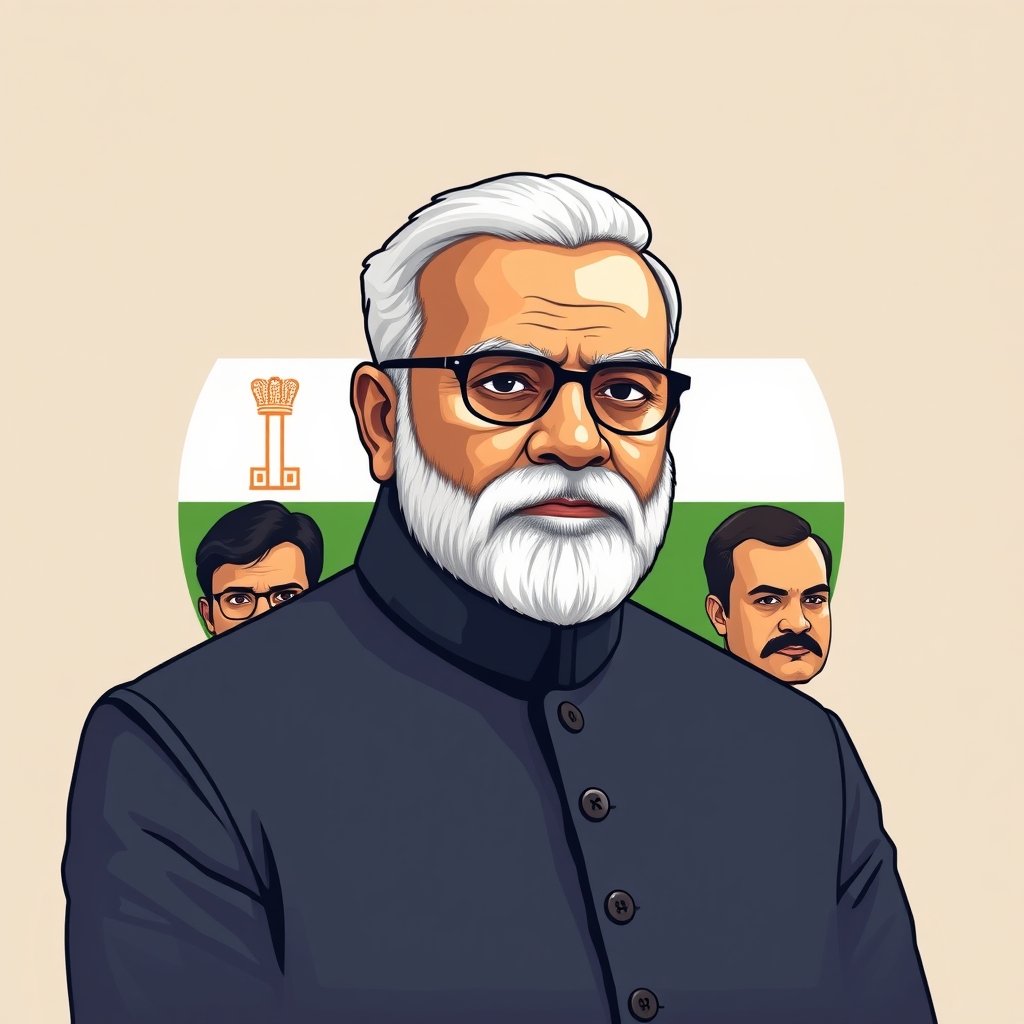
VS
Online platforms

Indian cartoonists report that online restrictions are making political satire harder to publish and reach audiences.
The dispute centers on how platform moderation and government rules affect satirical content.
*AI-generated summary of publicly available data. This is not an official statement of any party.
*AI-generated summary of publicly available statements and reporting. This is not an official statement of this party.
Supporters of Indian cartoonists argue that satire is a long-standing cultural tradition, and they point to the cartoonists' online-built audiences as evidence that restrictions threaten a living craft.
Supporters of Indian cartoonists argue that satire is a long-standing cultural tradition, and that restricting it online threatens a shared democratic heritage of dissent.
Supporters of Indian cartoonists counter that satire and dissent are themselves inherited cultural traditions, and that invoking cohesion to curb them erases the plural, argumentative public sphere those traditions sustained.
Supporters of Indian cartoonists argue that platform moderation and government rules are being applied without clear legal standards, leaving satirists unable to predict what will be restricted or appeal decisions, which they say chills lawful political speech.
Supporters of Indian cartoonists argue that platform moderation and government rules are applied without clear, consistent legal standards, leaving satirists unable to predict what is permissible and chilling lawful political speech.
Supporters of Indian cartoonists counter that intermediary liability rules shield platforms only when takedowns follow due process, and they argue that over-broad content removal without reasoned orders exceeds statutory safe-harbour limits.
Supporters of Indian cartoonists argue that platforms restrict satire less on principle than to avoid state pressure—moderation follows power, not speech rules—so cartoonists must build independent channels to survive.
Supporters of Indian cartoonists argue that platforms restrict satire mainly to shield themselves from state pressure, so the cartoonists' real contest is with power, not moderation policy.
Supporters of Indian cartoonists counter that legal risk is a choice, not a force majeure: platforms happily absorb compliance costs where markets are small, so the calculation defends revenue, not necessity, and self-censorship is the cheapest lever they pull.
Supporters of Indian cartoonists argue that satire is legitimate political speech, so restricting it imposes a moral cost on the public's right to hold power to account.
Supporters of Indian cartoonists argue that satire is a moral check on power, so restricting political cartoons online silences dissent rather than merely curbing content.
Supporters of Indian cartoonists counter that legal compliance is not a moral blank check: when laws chill satire, platforms choosing enforcement over dissent abandon the moral duty to protect free expression.
Supporters of Indian cartoonists argue that satire is a moral calling rooted in truth-telling, and that silencing it through moderation violates the deeper duty to speak honestly before one's community.
Supporters of Indian cartoonists invoke satya and ahimsa, arguing that satirical truth-telling serves a moral duty to expose injustice and that restrictions on such speech violate conscience.
Supporters of Indian cartoonists counter that sacred traditions have long survived mockery without state or platform mediation, and that faith communities themselves guard reverence—making moderation a claim to protect religion that actually doubts its resilience.
*AI-generated summary of publicly available statements and reporting. This is not an official statement of this party.
Supporters of Online platforms argue that moderation rules protect cultural cohesion by curbing content that could inflame communal tensions, maintaining that inherited norms of restraint serve social stability.
Supporters of Online platforms maintain that uniform moderation rules preserve a shared civic order and protect cultural sensibilities from inflammatory content, arguing that stability and inherited norms outweigh unfettered satire.
Supporters of Online platforms counter that satire's cultural continuity depends on shared civic standards, arguing that a living craft survives by adapting its expression to the community it addresses rather than by claiming exemption from it.
Supporters of Online platforms argue that their moderation is legally bound to comply with Indian law and intermediary liability rules, not editorial suppression of satire.
Supporters of Online platforms argue that legal safe-harbor rules require them to act on flagged content, so they maintain that enforcement reflects statutory compliance rather than editorial censorship of satire.
Supporters of Online platforms counter that India's Section 79 safe harbor already conditions protection on compliance with law, so platforms argue they follow defined takedown processes rather than imposing unpredictable restrictions on satirists.
Supporters of Online platforms argue that moderation reflects sovereign legal risk, not censorship appetite—compliance protects market access, and platforms calculate that accommodating Indian regulators costs less than defiance.
Supporters of Online platforms argue that broad moderation is a survival imperative—complying with state rules shields the platform from bans and penalties, and satire is collateral worth trading for market access.
Supporters of Online platforms counter that independent channels still depend on the same infrastructure, payment rails, and app stores—so the claim that cartoonists can simply exit and survive ignores who actually controls distribution.
Supporters of online platforms maintain that enforcing government-mandated content rules is a legal obligation, not a moral choice, and that platforms must comply with local laws to continue operating.
Supporters of Online platforms argue that enforcing lawful content rules is a moral duty to protect public order and vulnerable users, not censorship. They contend that consistent moderation serves everyone equally.
Supporters of Online platforms counter that protecting cartoonists’ speech carries its own moral cost: unchecked satire can demean religious and minority communities, so platforms argue a duty to shield vulnerable groups from harm outweighs an absolute claim to satirical license.
Supporters of Online platforms argue that moderation policies protect religious harmony by limiting satirical content that could offend faith communities, maintaining that curbing mockery of sacred traditions preserves social order.
Supporters of online platforms maintain that moderation rules safeguard religious harmony and public order by curbing satire that could offend faith communities, arguing that stability and respect for tradition outweigh unfettered publication.
Supporters of Online platforms counter that a community's religious sensitivities are themselves a form of inherited moral truth, and that protecting believers from mockery can be a duty as sincere as the cartoonist's.
AI-generated summary of publicly available statements and reporting. This is not an official statement of this party.
Supporters of Indian cartoonists argue that satire is a long-standing cultural tradition, and they point to the cartoonists' online-built audiences as evidence that restrictions threaten a living craft.
Supporters of Indian cartoonists argue that satire is a long-standing cultural tradition, and that restricting it online threatens a shared democratic heritage of dissent.
Supporters of Indian cartoonists counter that satire and dissent are themselves inherited cultural traditions, and that invoking cohesion to curb them erases the plural, argumentative public sphere those traditions sustained.
Supporters of Indian cartoonists argue that platform moderation and government rules are being applied without clear legal standards, leaving satirists unable to predict what will be restricted or appeal decisions, which they say chills lawful political speech.
Supporters of Indian cartoonists argue that platform moderation and government rules are applied without clear, consistent legal standards, leaving satirists unable to predict what is permissible and chilling lawful political speech.
Supporters of Indian cartoonists counter that intermediary liability rules shield platforms only when takedowns follow due process, and they argue that over-broad content removal without reasoned orders exceeds statutory safe-harbour limits.
Supporters of Indian cartoonists argue that platforms restrict satire less on principle than to avoid state pressure—moderation follows power, not speech rules—so cartoonists must build independent channels to survive.
Supporters of Indian cartoonists argue that platforms restrict satire mainly to shield themselves from state pressure, so the cartoonists' real contest is with power, not moderation policy.
Supporters of Indian cartoonists counter that legal risk is a choice, not a force majeure: platforms happily absorb compliance costs where markets are small, so the calculation defends revenue, not necessity, and self-censorship is the cheapest lever they pull.
Supporters of Indian cartoonists argue that satire is legitimate political speech, so restricting it imposes a moral cost on the public's right to hold power to account.
Supporters of Indian cartoonists argue that satire is a moral check on power, so restricting political cartoons online silences dissent rather than merely curbing content.
Supporters of Indian cartoonists counter that legal compliance is not a moral blank check: when laws chill satire, platforms choosing enforcement over dissent abandon the moral duty to protect free expression.
Supporters of Indian cartoonists argue that satire is a moral calling rooted in truth-telling, and that silencing it through moderation violates the deeper duty to speak honestly before one's community.
Supporters of Indian cartoonists invoke satya and ahimsa, arguing that satirical truth-telling serves a moral duty to expose injustice and that restrictions on such speech violate conscience.
Supporters of Indian cartoonists counter that sacred traditions have long survived mockery without state or platform mediation, and that faith communities themselves guard reverence—making moderation a claim to protect religion that actually doubts its resilience.
Supporters of Online platforms argue that moderation rules protect cultural cohesion by curbing content that could inflame communal tensions, maintaining that inherited norms of restraint serve social stability.
Supporters of Online platforms maintain that uniform moderation rules preserve a shared civic order and protect cultural sensibilities from inflammatory content, arguing that stability and inherited norms outweigh unfettered satire.
Supporters of Online platforms counter that satire's cultural continuity depends on shared civic standards, arguing that a living craft survives by adapting its expression to the community it addresses rather than by claiming exemption from it.
Supporters of Online platforms argue that their moderation is legally bound to comply with Indian law and intermediary liability rules, not editorial suppression of satire.
Supporters of Online platforms argue that legal safe-harbor rules require them to act on flagged content, so they maintain that enforcement reflects statutory compliance rather than editorial censorship of satire.
Supporters of Online platforms counter that India's Section 79 safe harbor already conditions protection on compliance with law, so platforms argue they follow defined takedown processes rather than imposing unpredictable restrictions on satirists.
Supporters of Online platforms argue that moderation reflects sovereign legal risk, not censorship appetite—compliance protects market access, and platforms calculate that accommodating Indian regulators costs less than defiance.
Supporters of Online platforms argue that broad moderation is a survival imperative—complying with state rules shields the platform from bans and penalties, and satire is collateral worth trading for market access.
Supporters of Online platforms counter that independent channels still depend on the same infrastructure, payment rails, and app stores—so the claim that cartoonists can simply exit and survive ignores who actually controls distribution.
Supporters of online platforms maintain that enforcing government-mandated content rules is a legal obligation, not a moral choice, and that platforms must comply with local laws to continue operating.
Supporters of Online platforms argue that enforcing lawful content rules is a moral duty to protect public order and vulnerable users, not censorship. They contend that consistent moderation serves everyone equally.
Supporters of Online platforms counter that protecting cartoonists’ speech carries its own moral cost: unchecked satire can demean religious and minority communities, so platforms argue a duty to shield vulnerable groups from harm outweighs an absolute claim to satirical license.
Supporters of Online platforms argue that moderation policies protect religious harmony by limiting satirical content that could offend faith communities, maintaining that curbing mockery of sacred traditions preserves social order.
Supporters of online platforms maintain that moderation rules safeguard religious harmony and public order by curbing satire that could offend faith communities, arguing that stability and respect for tradition outweigh unfettered publication.
Supporters of Online platforms counter that a community's religious sensitivities are themselves a form of inherited moral truth, and that protecting believers from mockery can be a duty as sincere as the cartoonist's.
Indian cartoonists say online restrictions are making satire harder, but they aren't giving up.