Indian government
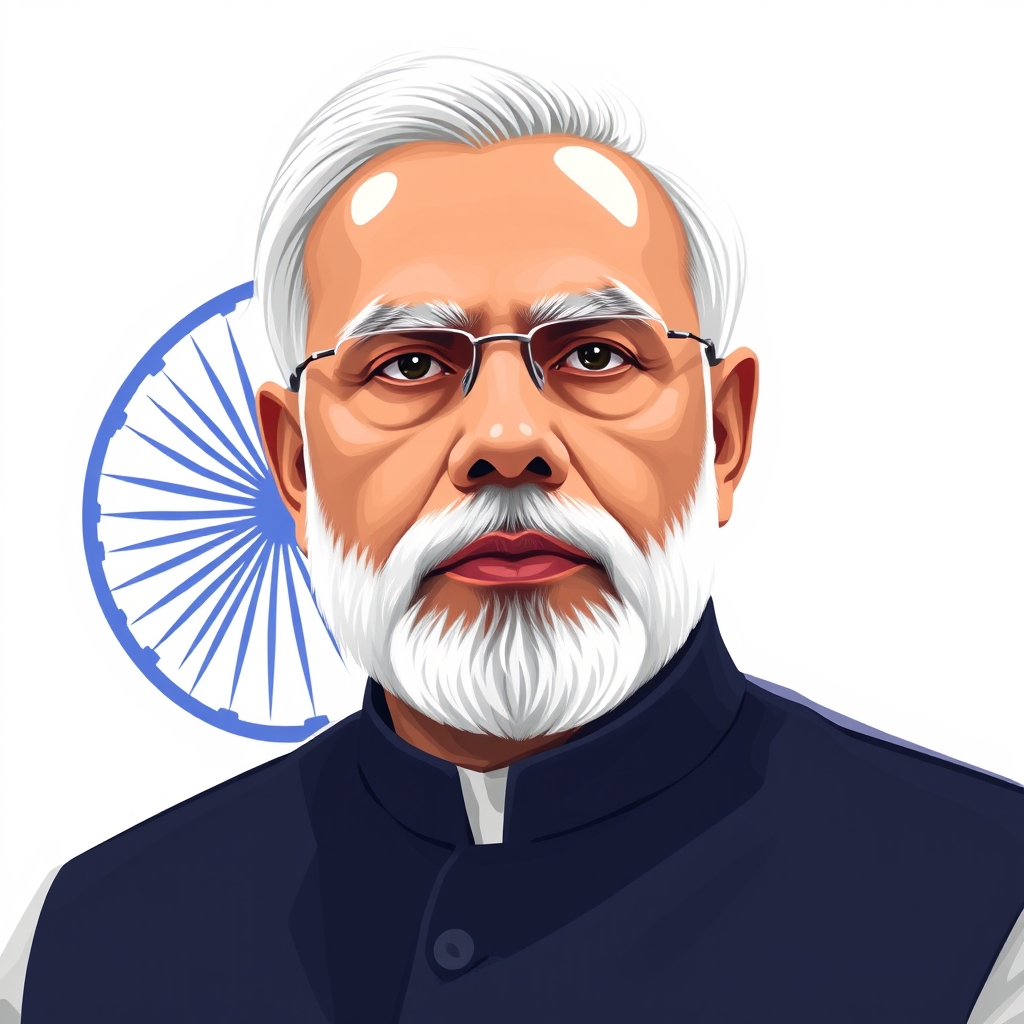
VS
Intellectual Naxals
?
No actors in this side.
No actors in this side.
The Indian government, led by Prime Minister Narendra Modi, has been engaged in a long-running counterinsurgency campaign against the Naxalite–Maoist rebellion, which began in 1967 and has affected various parts of India.
The government has recently declared that the Maoist insurgency is largely defeated, while also warning about the continued influence of what it calls 'intellectual Naxals'—ideological supporters of the movement.
The Naxalites are described as a protean movement that has exploited caste, ethnic, and sectarian cleavages in India, and the government has taken systemic, economic measures to ensure national security.
The conflict between the Indian government and the intellectual Naxals centers on the government's approach to dissent and the labeling of intellectuals as threats.
The government views the ideological supporters of Naxalism as a continuing danger even as the armed insurgency declines, while critics argue that this labeling may stifle legitimate dissent.
The stakes involve the balance between national security and civil liberties, as well as the future of counterinsurgency policy in India.
*AI-generated summary of publicly available data. This is not an official statement of any party.
*AI-generated summary of publicly available statements and reporting. This is not an official statement of this party.
Supporters of the Indian government view the 'intellectual Naxal' label as a defense of civilizational order, arguing that such voices legitimize violence against the state's cultural and constitutional continuity.
Supporters of the Indian government argue that Modi's caution reflects cultural wisdom, defending national unity by distinguishing armed rebellion from ideological subversion that erodes social order.
Supporters of the Indian government counter that Modi’s label reflects cultural continuity, not colonial mimicry, as dissent within India’s plural traditions has always been bound by civic duty, and unchecked ideological critique risks fragmenting the social fabric that protects.
Supporters of the Indian government argue that labeling ideological backers of Naxalism as threats is legally grounded in counter-terror statutes, citing evidence of such support aiding violence.
Supporters of Indian government argue that labeling 'intellectual Naxals' is legally defensible under anti-terror statutes, citing advocacy that materially aids armed rebellion as a distinct criminal act.
Supporters of Indian government counter that legal dissent remains protected, while unlawful acts—such as incitement or violence—fall outside constitutional safeguards, citing Article 19(2) restrictions as settled judicial precedent.
Supporters of Indian government argue that labeling “intellectual Naxals” is a pragmatic tool to expose hidden sympathizers, since their rhetoric sustains violence without bearing its cost.
Supporters of Indian government argue that labeling intellectual Naxals is a pragmatic move to isolate ideological fuel for a fading insurgency, framing dissent as a security liability rather than a debate.
Supporters of Indian government counter that the label targets violent extremism, not dissent, and serves as a deterrent against armed rebellion, preserving state order.
Supporters of the Indian government argue that labeling intellectual Naxals is a moral duty to protect democratic institutions from ideologies that justify violence against the state.
Supporters of the Indian government argue that labeling intellectual Naxals is a moral duty to protect the nation's youth from ideologies that justify violence, viewing such dissent as a spiritual betrayal of democratic and constitutional values.
Supporters of the Indian government counter that principled critique must remain within constitutional bounds, as unchecked dissent that glorifies violence undermines the moral duty to safeguard national unity and innocent lives.
Supporters of the Indian government argue that labeling 'intellectual Naxals' mirrors a moral duty to protect the nation's dharma, viewing ideological dissent as a spiritual test against righteous order.
Supporters of the Indian government argue that divine order upholds lawful authority, and that labeling ideological dissent as a threat reflects a moral duty to protect national unity.
Supporters of Indian government counter that sacred duty finds its true expression in dharma, where questioning authority must honor constitutional order and national unity, not disrupt it.
*AI-generated summary of publicly available statements and reporting. This is not an official statement of this party.
Supporters of Intellectual Naxals argue that Modi’s label echoes colonial-era criminalization of dissent, recasting ideological critique as subversion and chilling academic freedom, a cyclical pattern of state power suppressing cultural voices.
Supporters of Intellectual Naxals argue that Modi's label echoes colonial-era tactics, where rulers cast dissent as treason to delegitimize cultural critique.
Supporters of Intellectual Naxals counter that the label misreads dissent as violence, citing India’s own history of nonviolent critique from Gandhi to Ambedkar as cultural continuity, not rupture.
Supporters of Intellectual Naxals argue that labeling dissenters as threats conflates legal criticism with criminality, undermining constitutional protections for free speech and due process under Indian law.
Supporters of Intellectual Naxals argue that labeling dissent a legal threat violates constitutional free-speech protections, misusing state power against non-violent critique.
Supporters of the Intellectual Naxals counter that counter-terror statutes, as applied, conflate dissent with violence, citing that legal definitions require direct incitement, not ideological sympathy, and that such labeling risks chilling lawful criticism of state policy.
Supporters of Intellectual Naxals argue that Modi's label is a power play to criminalize dissent, framing critics as enemies to consolidate control.
Supporters of Intellectual Naxals argue that Modi's label is a power play to criminalize dissent, framing any critique as a security threat to consolidate authority.
Supporters of Intellectual Naxals counter that the label is a political weapon, not a diagnosis—it lets the state criminalize dissenters who never pick up arms, while real violence thrives unexamined.
Supporters of Intellectual Naxals argue that labeling dissent as a threat criminalizes moral conscience, as principled critique of state violence is a civic duty, not sedition.
Supporters of Intellectual Naxals argue that labeling dissenters as threats criminalizes moral critique, treating peaceful ideological opposition as equivalent to armed rebellion.
Supporters of Intellectual Naxals counter that moral duty lies with resisting state violence, not policing ideas; they argue democratic institutions lose legitimacy when they criminalize dissent that never picks up a weapon.
Supporters of Intellectual Naxals argue that labeling dissent as a threat undermines the sacred duty of questioning authority, a principle rooted in India's spiritual tradition of debate and reform.
Supporters of Intellectual Naxals argue that labeling dissenters as threats undermines India's constitutional order, which sanctifies debate as a civic duty rooted in dharma.
Supporters of Intellectual Naxals counter that invoking dharma to silence dissent distorts sacred tradition, for true dharma demands questioning injustice, not defending entrenched power.
AI-generated summary of publicly available statements and reporting. This is not an official statement of this party.
Supporters of the Indian government view the 'intellectual Naxal' label as a defense of civilizational order, arguing that such voices legitimize violence against the state's cultural and constitutional continuity.
Supporters of the Indian government argue that Modi's caution reflects cultural wisdom, defending national unity by distinguishing armed rebellion from ideological subversion that erodes social order.
Supporters of the Indian government counter that Modi’s label reflects cultural continuity, not colonial mimicry, as dissent within India’s plural traditions has always been bound by civic duty, and unchecked ideological critique risks fragmenting the social fabric that protects.
Supporters of the Indian government argue that labeling ideological backers of Naxalism as threats is legally grounded in counter-terror statutes, citing evidence of such support aiding violence.
Supporters of Indian government argue that labeling 'intellectual Naxals' is legally defensible under anti-terror statutes, citing advocacy that materially aids armed rebellion as a distinct criminal act.
Supporters of Indian government counter that legal dissent remains protected, while unlawful acts—such as incitement or violence—fall outside constitutional safeguards, citing Article 19(2) restrictions as settled judicial precedent.
Supporters of Indian government argue that labeling “intellectual Naxals” is a pragmatic tool to expose hidden sympathizers, since their rhetoric sustains violence without bearing its cost.
Supporters of Indian government argue that labeling intellectual Naxals is a pragmatic move to isolate ideological fuel for a fading insurgency, framing dissent as a security liability rather than a debate.
Supporters of Indian government counter that the label targets violent extremism, not dissent, and serves as a deterrent against armed rebellion, preserving state order.
Supporters of the Indian government argue that labeling intellectual Naxals is a moral duty to protect democratic institutions from ideologies that justify violence against the state.
Supporters of the Indian government argue that labeling intellectual Naxals is a moral duty to protect the nation's youth from ideologies that justify violence, viewing such dissent as a spiritual betrayal of democratic and constitutional values.
Supporters of the Indian government counter that principled critique must remain within constitutional bounds, as unchecked dissent that glorifies violence undermines the moral duty to safeguard national unity and innocent lives.
Supporters of the Indian government argue that labeling 'intellectual Naxals' mirrors a moral duty to protect the nation's dharma, viewing ideological dissent as a spiritual test against righteous order.
Supporters of the Indian government argue that divine order upholds lawful authority, and that labeling ideological dissent as a threat reflects a moral duty to protect national unity.
Supporters of Indian government counter that sacred duty finds its true expression in dharma, where questioning authority must honor constitutional order and national unity, not disrupt it.
Supporters of Intellectual Naxals argue that Modi’s label echoes colonial-era criminalization of dissent, recasting ideological critique as subversion and chilling academic freedom, a cyclical pattern of state power suppressing cultural voices.
Supporters of Intellectual Naxals argue that Modi's label echoes colonial-era tactics, where rulers cast dissent as treason to delegitimize cultural critique.
Supporters of Intellectual Naxals counter that the label misreads dissent as violence, citing India’s own history of nonviolent critique from Gandhi to Ambedkar as cultural continuity, not rupture.
Supporters of Intellectual Naxals argue that labeling dissenters as threats conflates legal criticism with criminality, undermining constitutional protections for free speech and due process under Indian law.
Supporters of Intellectual Naxals argue that labeling dissent a legal threat violates constitutional free-speech protections, misusing state power against non-violent critique.
Supporters of the Intellectual Naxals counter that counter-terror statutes, as applied, conflate dissent with violence, citing that legal definitions require direct incitement, not ideological sympathy, and that such labeling risks chilling lawful criticism of state policy.
Supporters of Intellectual Naxals argue that Modi's label is a power play to criminalize dissent, framing critics as enemies to consolidate control.
Supporters of Intellectual Naxals argue that Modi's label is a power play to criminalize dissent, framing any critique as a security threat to consolidate authority.
Supporters of Intellectual Naxals counter that the label is a political weapon, not a diagnosis—it lets the state criminalize dissenters who never pick up arms, while real violence thrives unexamined.
Supporters of Intellectual Naxals argue that labeling dissent as a threat criminalizes moral conscience, as principled critique of state violence is a civic duty, not sedition.
Supporters of Intellectual Naxals argue that labeling dissenters as threats criminalizes moral critique, treating peaceful ideological opposition as equivalent to armed rebellion.
Supporters of Intellectual Naxals counter that moral duty lies with resisting state violence, not policing ideas; they argue democratic institutions lose legitimacy when they criminalize dissent that never picks up a weapon.
Supporters of Intellectual Naxals argue that labeling dissent as a threat undermines the sacred duty of questioning authority, a principle rooted in India's spiritual tradition of debate and reform.
Supporters of Intellectual Naxals argue that labeling dissenters as threats undermines India's constitutional order, which sanctifies debate as a civic duty rooted in dharma.
Supporters of Intellectual Naxals counter that invoking dharma to silence dissent distorts sacred tradition, for true dharma demands questioning injustice, not defending entrenched power.
India declared an end to the decades-long Maoist insurgency, also known as Naxalism, marking a major milestone in the country's internal security efforts.
An article explored the role of humanitarian organisations in the Naxalite conflict, noting the government's systemic economic measures for national security.
An analysis discussed the decline of Naxalism and questioned whether Maoist ideology remains influential, reflecting optimism about eradicating the insurgency.
The Institute for Defence Studies and Analyses published an analysis of the state's response to the Naxalite movement, noting the government's initial framing as a law and order issue.
The Naxalite movement began in 1967, and the Indian government initially treated it as a law and order problem.