Indian government
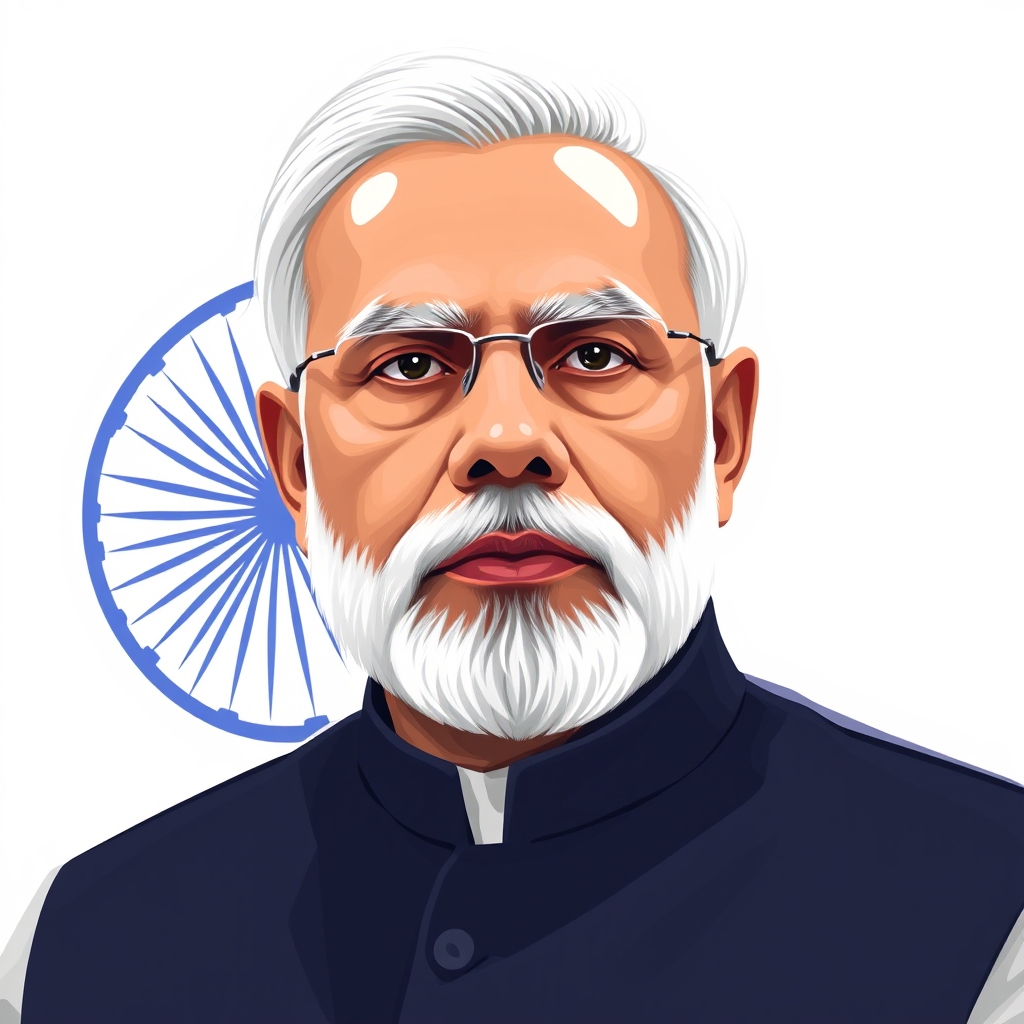
VS
Norwegian journalist

India cancelled the visa of a Norwegian journalist who questioned Prime Minister Narendra Modi about press freedom.
The incident raises questions about press freedom and government treatment of critical journalists.
*AI-generated summary of publicly available data. This is not an official statement of any party.
*AI-generated summary of publicly available statements and reporting. This is not an official statement of this party.
Supporters of the Indian government argue that visa and residency decisions are sovereign matters, and that upholding national dignity and orderly public discourse takes precedence over a foreign journalist's access.
Supporters of the Indian government argue that visa issuance is a sovereign prerogative tied to national dignity, and that hosts may withdraw invitations from guests whose conduct they deem disrespectful of established protocols.
Supporters of the Indian government counter that hosting a foreign journalist is a sovereign courtesy, not an entitlement, and that visa decisions reflect the host nation's own cultural norms and legal prerogatives rather than intolerance of dissent.
Supporters of the Indian government argue that visa issuance is a sovereign prerogative under domestic law, not an entitlement, and that the state may decline or revoke a foreign journalist's visa without breaching any legal obligation.
Supporters of the Indian government argue that visa issuance is a sovereign prerogative, not a right, and that the state may lawfully decline or cancel a foreign journalist's visa without breaching any legal obligation.
Supporters of Indian government counter that visa issuance is a sovereign legal grant, not a right, and that conditions—including compliance with local law—can be lawfully enforced without implicating press freedom.
Supporters of Indian government argue the visa is a sovereign privilege, not a right, and that a journalist who uses access to challenge the leadership forfeits the state's hospitality. In their view, press freedom offers no immunity from the costs of confrontation.
Supporters of the Indian government argue that visa issuance is a sovereign prerogative, not a right, and that a journalist who challenges the PM on press freedom has forfeited hospitality by testing the state's limits.
Supporters of the Indian government counter that visa issuance is a sovereign prerogative, not a right, and that a state weighing reciprocity and national interest may decline or revoke it without owing anyone an answer.
Supporters of the Indian government argue that visa issuance is a sovereign prerogative, maintaining that a state may set conditions for foreign journalists without that constituting an attack on press freedom.
Supporters of Indian government argue that visa issuance is a sovereign prerogative, not a right, and that states may lawfully decline foreign journalists whose conduct they deem inconsistent with visa terms.
Supporters of the Indian government counter that a visa is a sovereign privilege, not a right, and that upholding immigration law is itself a moral duty owed to citizens—not a punishment of scrutiny.
Supporters of the Indian government frame the visa decision through sovereignty and respect for national institutions, arguing that foreign journalists owe deference to the host nation's laws and that the state retains authority over entry and stay.
Supporters of the Indian government argue that visa and press credentials fall under national sovereignty, and they invoke the principle of dharma to claim that authorities rightly uphold order and respect for the office of the Prime Minister.
Supporters of the Indian government counter that sacred tradition holds social harmony and respect for constituted authority as moral duties, so the ethical stewardship leaders owe their people is to preserve order, not to license a foreign critic's voice.
*AI-generated summary of publicly available statements and reporting. This is not an official statement of this party.
Supporters of Norwegian journalist argue the visa cancellation reflects a cultural intolerance of dissent, treating critical questioning as a foreign imposition rather than a legitimate press freedom norm.
Supporters of the Norwegian journalist argue that questioning a leader is core to a free press, and that revoking a visa over a critical question signals intolerance of cultural scrutiny and dissent.
Supporters of the Norwegian journalist counter that press freedom and an independent media are themselves core cultural values, and that barring a foreign correspondent on dignity grounds narrows the public discourse a democracy claims to protect.
Supporters of the Norwegian journalist argue that cancelling a visa over a single question is legally arbitrary, treating press freedom as a privilege the government can revoke rather than a protected right.
Supporters of the Norwegian journalist argue that revoking a visa solely for posing a lawful press-freedom question violates free-expression protections, and they maintain that visa decisions must not be used to punish critical reporting.
Supporters of the Norwegian journalist counter that domestic law cannot alone justify visa revocation where India has assumed international legal obligations, and they argue that sovereign discretion over entry does not extend to penalizing a journalist already lawfully admitted.
Supporters of the Norwegian journalist argue that India’s visa cancellation exposes press freedom as conditional, punishing a question rather than answering it—proof, in their view, that the government prizes control over scrutiny.
Supporters of the Norwegian journalist argue that India's visa cancellation reveals power protecting itself: questioning the prime minister drew swift punishment, proving press freedom is tolerated only when it serves those in power.
Supporters of the Norwegian journalist counter that framing the visa as hospitality misreads the leverage: a state that revokes access for adversarial reporting signals to every foreign correspondent that coverage carries a price, converting a routine immigration tool into a visi.
Supporters of the Norwegian journalist argue that canceling a visa over a single critical question is a moral failure, treating legitimate press scrutiny as a punishable offense rather than a protected right.
Supporters of the Norwegian journalist argue that canceling a visa over a single critical question is a moral failure, treating legitimate press scrutiny as punishable rather than protected.
Supporters of the Norwegian journalist counter that tying a reporter's visa to editorial silence converts a routine administrative power into coercion, and that press freedom means little if it ends where a government's discomfort begins.
Supporters of the Norwegian journalist invoke the moral duty to speak truth to power, arguing that silencing a critical voice contradicts the ethical stewardship leaders owe their people.
Supporters of the Norwegian journalist invoke the moral duty to speak truth to power, arguing that scripture upholds the press as a guardian of justice and that silencing a critical voice for asking about press freedom betrays that sacred obligation.
Supporters of the Norwegian journalist counter that deference to host-nation law cannot require silencing conscience, citing the theological principle in Acts 5:29 that obedience to God precedes obedience to men.
AI-generated summary of publicly available statements and reporting. This is not an official statement of this party.
Supporters of the Indian government argue that visa and residency decisions are sovereign matters, and that upholding national dignity and orderly public discourse takes precedence over a foreign journalist's access.
Supporters of the Indian government argue that visa issuance is a sovereign prerogative tied to national dignity, and that hosts may withdraw invitations from guests whose conduct they deem disrespectful of established protocols.
Supporters of the Indian government counter that hosting a foreign journalist is a sovereign courtesy, not an entitlement, and that visa decisions reflect the host nation's own cultural norms and legal prerogatives rather than intolerance of dissent.
Supporters of the Indian government argue that visa issuance is a sovereign prerogative under domestic law, not an entitlement, and that the state may decline or revoke a foreign journalist's visa without breaching any legal obligation.
Supporters of the Indian government argue that visa issuance is a sovereign prerogative, not a right, and that the state may lawfully decline or cancel a foreign journalist's visa without breaching any legal obligation.
Supporters of Indian government counter that visa issuance is a sovereign legal grant, not a right, and that conditions—including compliance with local law—can be lawfully enforced without implicating press freedom.
Supporters of Indian government argue the visa is a sovereign privilege, not a right, and that a journalist who uses access to challenge the leadership forfeits the state's hospitality. In their view, press freedom offers no immunity from the costs of confrontation.
Supporters of the Indian government argue that visa issuance is a sovereign prerogative, not a right, and that a journalist who challenges the PM on press freedom has forfeited hospitality by testing the state's limits.
Supporters of the Indian government counter that visa issuance is a sovereign prerogative, not a right, and that a state weighing reciprocity and national interest may decline or revoke it without owing anyone an answer.
Supporters of the Indian government argue that visa issuance is a sovereign prerogative, maintaining that a state may set conditions for foreign journalists without that constituting an attack on press freedom.
Supporters of Indian government argue that visa issuance is a sovereign prerogative, not a right, and that states may lawfully decline foreign journalists whose conduct they deem inconsistent with visa terms.
Supporters of the Indian government counter that a visa is a sovereign privilege, not a right, and that upholding immigration law is itself a moral duty owed to citizens—not a punishment of scrutiny.
Supporters of the Indian government frame the visa decision through sovereignty and respect for national institutions, arguing that foreign journalists owe deference to the host nation's laws and that the state retains authority over entry and stay.
Supporters of the Indian government argue that visa and press credentials fall under national sovereignty, and they invoke the principle of dharma to claim that authorities rightly uphold order and respect for the office of the Prime Minister.
Supporters of the Indian government counter that sacred tradition holds social harmony and respect for constituted authority as moral duties, so the ethical stewardship leaders owe their people is to preserve order, not to license a foreign critic's voice.
Supporters of Norwegian journalist argue the visa cancellation reflects a cultural intolerance of dissent, treating critical questioning as a foreign imposition rather than a legitimate press freedom norm.
Supporters of the Norwegian journalist argue that questioning a leader is core to a free press, and that revoking a visa over a critical question signals intolerance of cultural scrutiny and dissent.
Supporters of the Norwegian journalist counter that press freedom and an independent media are themselves core cultural values, and that barring a foreign correspondent on dignity grounds narrows the public discourse a democracy claims to protect.
Supporters of the Norwegian journalist argue that cancelling a visa over a single question is legally arbitrary, treating press freedom as a privilege the government can revoke rather than a protected right.
Supporters of the Norwegian journalist argue that revoking a visa solely for posing a lawful press-freedom question violates free-expression protections, and they maintain that visa decisions must not be used to punish critical reporting.
Supporters of the Norwegian journalist counter that domestic law cannot alone justify visa revocation where India has assumed international legal obligations, and they argue that sovereign discretion over entry does not extend to penalizing a journalist already lawfully admitted.
Supporters of the Norwegian journalist argue that India’s visa cancellation exposes press freedom as conditional, punishing a question rather than answering it—proof, in their view, that the government prizes control over scrutiny.
Supporters of the Norwegian journalist argue that India's visa cancellation reveals power protecting itself: questioning the prime minister drew swift punishment, proving press freedom is tolerated only when it serves those in power.
Supporters of the Norwegian journalist counter that framing the visa as hospitality misreads the leverage: a state that revokes access for adversarial reporting signals to every foreign correspondent that coverage carries a price, converting a routine immigration tool into a visi.
Supporters of the Norwegian journalist argue that canceling a visa over a single critical question is a moral failure, treating legitimate press scrutiny as a punishable offense rather than a protected right.
Supporters of the Norwegian journalist argue that canceling a visa over a single critical question is a moral failure, treating legitimate press scrutiny as punishable rather than protected.
Supporters of the Norwegian journalist counter that tying a reporter's visa to editorial silence converts a routine administrative power into coercion, and that press freedom means little if it ends where a government's discomfort begins.
Supporters of the Norwegian journalist invoke the moral duty to speak truth to power, arguing that silencing a critical voice contradicts the ethical stewardship leaders owe their people.
Supporters of the Norwegian journalist invoke the moral duty to speak truth to power, arguing that scripture upholds the press as a guardian of justice and that silencing a critical voice for asking about press freedom betrays that sacred obligation.
Supporters of the Norwegian journalist counter that deference to host-nation law cannot require silencing conscience, citing the theological principle in Acts 5:29 that obedience to God precedes obedience to men.
India cancels the visa of a Norwegian journalist who questioned PM Modi on press freedom.