Indian government
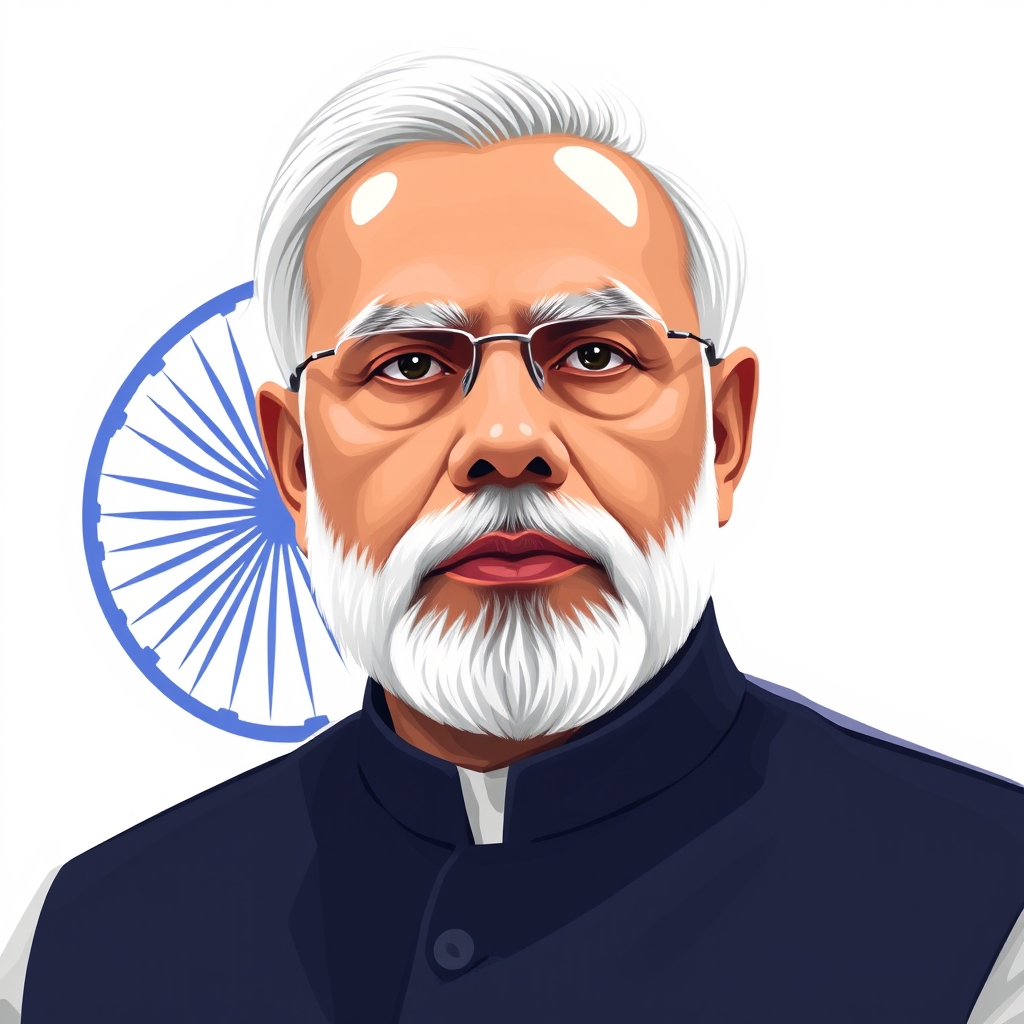
VS
Opposition parties
?
No actors in this side.
No actors in this side.
The Indian government, led by Prime Minister Narendra Modi and the Bharatiya Janata Party (BJP), holds the majority in the Lok Sabha, the lower house of India's parliament.
The opposition parties, including the Indian National Congress (INC) and the Indian National Developmental Inclusive Alliance (INDIA), represent a significant minority in the chamber.
The Leader of the Opposition is the parliamentary chairperson of the largest party not in government, a role that has been filled by the opposition in recent years.
The government and opposition have conflicting interests over policy and governance, with the opposition often challenging the government's agenda and seeking to hold it accountable.
In the 2024 general election, the opposition won 232 seats out of 543, doubling its strength from the previous election, which has intensified the political rivalry.
The ruling party holds 53% of representation, while the opposition holds 47%, making the political landscape closely contested.
The stakes are high, as the opposition's role in a parliamentary system is to struggle for power and provide a check on the government.
The recent monsoon session of Parliament was marked by a standoff over student protests, reflecting the broader tensions between the two sides.
The opposition's comeback in the 2024 election has been seen as a significant development, as it was largely written off ahead of the vote.
*AI-generated summary of publicly available data. This is not an official statement of any party.
*AI-generated summary of publicly available statements and reporting. This is not an official statement of this party.
Supporters of the Indian government argue that parliamentary order and cultural continuity must prevail over disruptive protests, viewing the opposition’s stance as a break from democratic tradition.
Supporters of the Indian government maintain that parliamentary order and cultural continuity must prevail over disruptive protests, viewing the standoff as a defense of institutional stability.
Supporters of Indian government counter that India’s cultural tradition, rooted in dharma and civic duty, prioritizes social harmony over perpetual dissent, viewing student protests as disruptions to the nation’s timeless moral order, not echoes of free speech.
Supporters of the Indian government argue that parliamentary procedure lawfully permits the session's closure, with student protest handling remaining a matter for state authorities under federal legal frameworks.
Supporters of Indian government argue that parliamentary procedure legally requires opposition parties to raise issues through structured debate, not disruptive protests disrupting legislative business.
Supporters of the Indian government counter that parliamentary procedure, not stonewalling, prioritizes legislative order, and that student protests remain protected under Article 19(1)(a) unless they incite violence, as upheld by legal precedent.
Supporters of Indian government argue opposition protests are theater for headlines, not policy, and that Modi's presence signals the state's resolve to outlast disruption.
Supporters of Indian government argue that opposition parties weaponized student unrest to stall Parliament, and that firm handling of protests is a pragmatic shield against disorder, not authoritarianism.
Supporters of the Indian government counter that parliamentary scheduling is a strategic lever, not a silencing tool, and that opposition parties leverage protests to stall legislative momentum, forcing the government to prioritize governance over performative debate.
Supporters of the Indian government argue that upholding parliamentary order is a moral duty, framing the standoff as opposition disruption that stalls progress for millions.
Supporters of the Indian government argue that upholding parliamentary order and national stability is a moral duty, seeing the student protest standoff as a test of lawful governance over disruption.
Supporters of Indian government counter that parliamentary time is a finite public resource, not an entitlement for every protest, and that prioritizing disruptive student voices over legislative duties would betray the moral mandate of elected governance itself.
Supporters of the Indian government argue that student protests disrupt national harmony, and they invoke the scriptural duty of maintaining social order as a moral imperative.
Supporters of the Indian government argue that upholding constitutional order and public safety is a divine duty, citing scripture to justify firm action against protests that disrupt parliamentary sanctity and national harmony.
Supporters of Indian government counter that true dharma requires obedience to lawful authority, as scripture warns against chaos masquerading as righteousness.
*AI-generated summary of publicly available statements and reporting. This is not an official statement of this party.
Supporters of Opposition parties argue that India’s democratic tradition of dissent, from campus movements to Parliament, is being eroded by the government’s authoritarian turn, citing the student protests as a cyclical echo of past struggles for free speech.
Supporters of Opposition parties argue that student protests echo India's historic democratic dissent, from the 1970s JP Movement to anti-CAA rallies, framing today's crackdown as a cyclical threat to constitutional voice.
Supporters of Opposition parties counter that India’s democratic tradition has always embraced dissent, citing past parliamentary struggles for justice as cultural pillars, not disruptions, and argue that continuity without accountability betrays that heritage.
Supporters of Opposition parties argue that student protests are lawful expression, and the government’s parliamentary stonewalling violates procedural rules guaranteeing debate on public dissent.
Supporters of Opposition parties argue Parliament’s legal duty is oversight; the government’s refusal to debate student protests undermines that constitutional role, leaving dissent unheard.
Supporters of Opposition parties counter that parliamentary closure lawfully requires a quorum and debate, which the government bypassed, and that federal law still obligates the Centre to protect civil liberties during protests.
Supporters of Opposition parties argue that the government’s refusal to debate student protests is a power play, not a procedural lapse, using parliamentary control to bury dissent and paint critics as disruptive.
Supporters of Opposition parties argue the government weaponized Parliament to bury student unrest, turning a procedural session into a spectacle of control.
Opposition parties counter that Modi’s resolve is a calculation of electoral arithmetic, not institutional strength, and that protests force concessions before every poll cycle.
Supporters of Opposition parties argue that silencing student voices undermines democracy's moral core, insisting every protest deserves parliamentary hearing as a fundamental right.
Supporters of Opposition parties argue that democratic accountability demands dialogue over student unrest, not dismissal; they hold that peaceful protest voices deserve moral recognition as citizens, not suppression.
Supporters of Opposition parties counter that moral duty lies in defending democratic voice, not silencing dissent—parliamentary order without meaningful debate fails the millions it claims to serve.
Supporters of Opposition parties argue that student protests reflect a sacred duty to uphold dharma, and that the government’s dismissal of dissent disrupts the moral order of society.
Supporters of Opposition parties argue that student protests reflect a moral duty to question authority, grounded in India’s spiritual tradition of dissent, which they see as protecting cultural harmony and youthful conscience.
Supporters of Opposition parties counter that scripture also commands the protection of the voiceless, and that peaceful dissent is a sacred duty of the righteous.
AI-generated summary of publicly available statements and reporting. This is not an official statement of this party.
Supporters of the Indian government argue that parliamentary order and cultural continuity must prevail over disruptive protests, viewing the opposition’s stance as a break from democratic tradition.
Supporters of the Indian government maintain that parliamentary order and cultural continuity must prevail over disruptive protests, viewing the standoff as a defense of institutional stability.
Supporters of Indian government counter that India’s cultural tradition, rooted in dharma and civic duty, prioritizes social harmony over perpetual dissent, viewing student protests as disruptions to the nation’s timeless moral order, not echoes of free speech.
Supporters of the Indian government argue that parliamentary procedure lawfully permits the session's closure, with student protest handling remaining a matter for state authorities under federal legal frameworks.
Supporters of Indian government argue that parliamentary procedure legally requires opposition parties to raise issues through structured debate, not disruptive protests disrupting legislative business.
Supporters of the Indian government counter that parliamentary procedure, not stonewalling, prioritizes legislative order, and that student protests remain protected under Article 19(1)(a) unless they incite violence, as upheld by legal precedent.
Supporters of Indian government argue opposition protests are theater for headlines, not policy, and that Modi's presence signals the state's resolve to outlast disruption.
Supporters of Indian government argue that opposition parties weaponized student unrest to stall Parliament, and that firm handling of protests is a pragmatic shield against disorder, not authoritarianism.
Supporters of the Indian government counter that parliamentary scheduling is a strategic lever, not a silencing tool, and that opposition parties leverage protests to stall legislative momentum, forcing the government to prioritize governance over performative debate.
Supporters of the Indian government argue that upholding parliamentary order is a moral duty, framing the standoff as opposition disruption that stalls progress for millions.
Supporters of the Indian government argue that upholding parliamentary order and national stability is a moral duty, seeing the student protest standoff as a test of lawful governance over disruption.
Supporters of Indian government counter that parliamentary time is a finite public resource, not an entitlement for every protest, and that prioritizing disruptive student voices over legislative duties would betray the moral mandate of elected governance itself.
Supporters of the Indian government argue that student protests disrupt national harmony, and they invoke the scriptural duty of maintaining social order as a moral imperative.
Supporters of the Indian government argue that upholding constitutional order and public safety is a divine duty, citing scripture to justify firm action against protests that disrupt parliamentary sanctity and national harmony.
Supporters of Indian government counter that true dharma requires obedience to lawful authority, as scripture warns against chaos masquerading as righteousness.
Supporters of Opposition parties argue that India’s democratic tradition of dissent, from campus movements to Parliament, is being eroded by the government’s authoritarian turn, citing the student protests as a cyclical echo of past struggles for free speech.
Supporters of Opposition parties argue that student protests echo India's historic democratic dissent, from the 1970s JP Movement to anti-CAA rallies, framing today's crackdown as a cyclical threat to constitutional voice.
Supporters of Opposition parties counter that India’s democratic tradition has always embraced dissent, citing past parliamentary struggles for justice as cultural pillars, not disruptions, and argue that continuity without accountability betrays that heritage.
Supporters of Opposition parties argue that student protests are lawful expression, and the government’s parliamentary stonewalling violates procedural rules guaranteeing debate on public dissent.
Supporters of Opposition parties argue Parliament’s legal duty is oversight; the government’s refusal to debate student protests undermines that constitutional role, leaving dissent unheard.
Supporters of Opposition parties counter that parliamentary closure lawfully requires a quorum and debate, which the government bypassed, and that federal law still obligates the Centre to protect civil liberties during protests.
Supporters of Opposition parties argue that the government’s refusal to debate student protests is a power play, not a procedural lapse, using parliamentary control to bury dissent and paint critics as disruptive.
Supporters of Opposition parties argue the government weaponized Parliament to bury student unrest, turning a procedural session into a spectacle of control.
Opposition parties counter that Modi’s resolve is a calculation of electoral arithmetic, not institutional strength, and that protests force concessions before every poll cycle.
Supporters of Opposition parties argue that silencing student voices undermines democracy's moral core, insisting every protest deserves parliamentary hearing as a fundamental right.
Supporters of Opposition parties argue that democratic accountability demands dialogue over student unrest, not dismissal; they hold that peaceful protest voices deserve moral recognition as citizens, not suppression.
Supporters of Opposition parties counter that moral duty lies in defending democratic voice, not silencing dissent—parliamentary order without meaningful debate fails the millions it claims to serve.
Supporters of Opposition parties argue that student protests reflect a sacred duty to uphold dharma, and that the government’s dismissal of dissent disrupts the moral order of society.
Supporters of Opposition parties argue that student protests reflect a moral duty to question authority, grounded in India’s spiritual tradition of dissent, which they see as protecting cultural harmony and youthful conscience.
Supporters of Opposition parties counter that scripture also commands the protection of the voiceless, and that peaceful dissent is a sacred duty of the righteous.
NPR reported that the ruling party holds 53% of representation in Parliament, while the opposition holds 47%, indicating a closely divided chamber.
India's opposition parties won 232 seats out of 543 in the Lok Sabha, doubling their strength from the previous election, according to PBS reporting.
Turbulent session marked by standoff over student protests