Indian opposition leaders
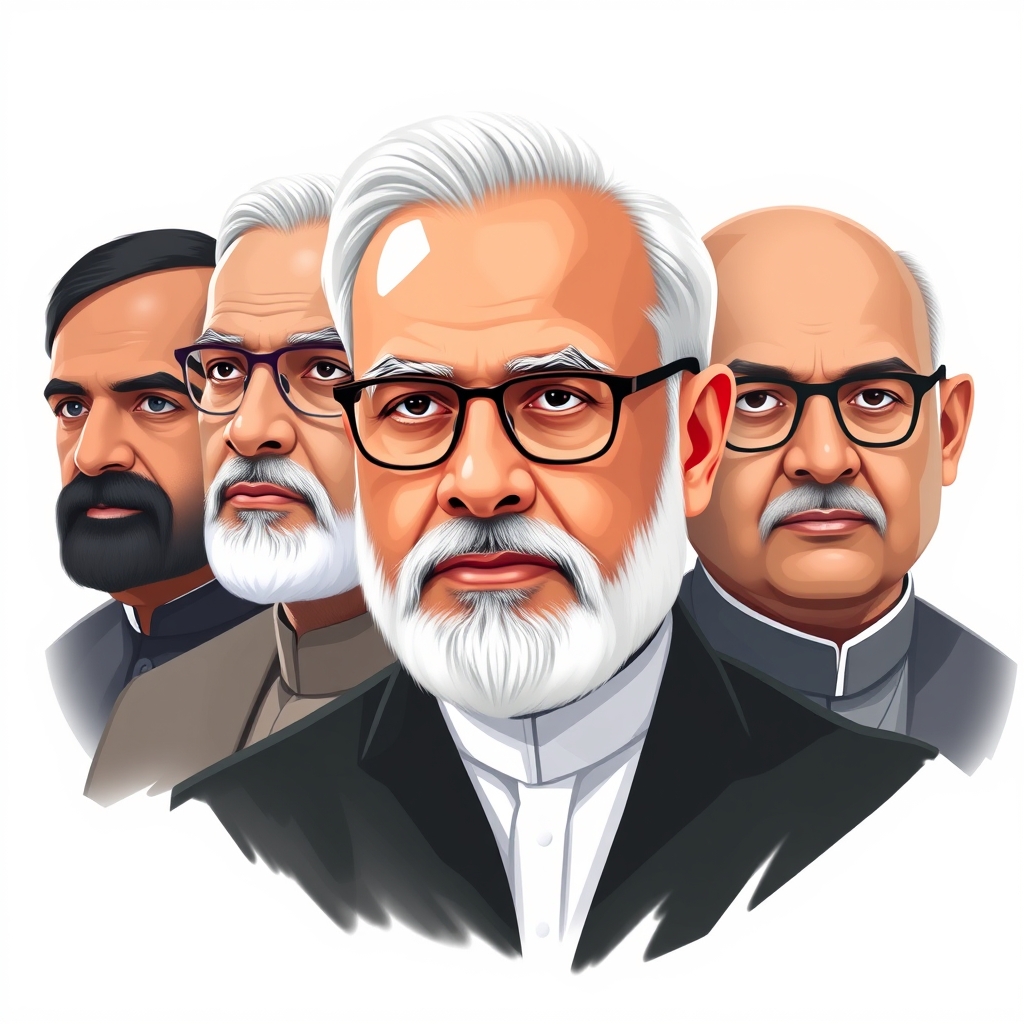
VS
Marco Rubio

US Secretary of State Marco Rubio is visiting Mumbai while skipping New Delhi, prompting opposition leaders in India to complain that the arrangements are humiliating.
The dispute centers on whether the visit's protocol and itinerary represent a diplomatic slight to India.
*AI-generated summary of publicly available data. This is not an official statement of any party.
*AI-generated summary of publicly available statements and reporting. This is not an official statement of this party.
Supporters of Indian opposition leaders argue that skipping New Delhi for Mumbai signals a cultural disrespect for India's seat of national identity and dignity, treating the world's largest democracy as an afterthought.
Supporters of Indian opposition leaders argue that skipping New Delhi for Mumbai signals disrespect for India's cultural and political heart, treating the capital's traditions as secondary in a way that humiliates the nation.
Supporters of Indian opposition leaders counter that Mumbai, as India's commercial and cultural nerve center, carries its own symbolic weight, and they argue that treating a capital visit as the sole measure of respect reflects a borrowed diplomatic hierarchy rather than Indian p.
Supporters of Indian opposition leaders argue that diplomatic protocol carries legal weight under international norms of sovereign equality, and they point to Rubio's Mumbai-only itinerary as evidence that standard state-to-state courtesies were not observed.
Supporters of Indian opposition leaders argue that diplomatic protocol carries legal weight under the Vienna Convention, and they maintain that skipping New Delhi breaches the reciprocal courtesy owed to a sovereign state.
Supporters of Indian opposition leaders counter that diplomatic immunity and protocol are codified under the Vienna Convention, so they argue that skipping a host state on a regional tour raises legitimate legal questions about reciprocity owed to a sovereign partner.
Supporters of Indian opposition leaders argue that Rubio's Mumbai-only stop is a calculated signal of diminished leverage, and that a government unable to command protocol respect has forfeited standing where it matters.
Supporters of Indian opposition leaders argue that Rubio’s Mumbai-only stop is a calculated signal of diminished leverage, and that New Delhi’s silence concedes weakness rather than projecting strength.
Supporters of Indian opposition leaders counter that leverage only works if it forces concessions; a skipped visit costs Rubio nothing while letting him claim pressure without a single deliverable.
Supporters of Indian opposition leaders argue that hosting a US Secretary of State in Mumbai while New Delhi is skipped signals a moral failure to uphold national dignity and equal protocol.
Supporters of Indian opposition leaders argue that hosting a visiting US Secretary of State without reciprocal high-level protocol risks signaling diminished national standing, and they maintain that dignity in diplomacy should not be bartered for convenience.
Supporters of Indian opposition leaders counter that skipping Delhi signals a moral hierarchy of worth, not mere logistics—they argue that when a superpower’s itinerary pointedly avoids the capital, it encodes a judgment about whose leadership merits acknowledgment.
Supporters of Indian opposition leaders argue that hosting a visiting US Secretary of State in Mumbai while skipping New Delhi offends the moral duty of hospitality, holding that a nation dishonors itself before God when it fails to honor guests with proper protocol.
Supporters of Indian opposition leaders frame the protocol slight as a moral failing, arguing that a nation must uphold its dignity and self-respect, and they invoke dharma to claim that disrespect shown to India's seat of government dishonors the nation itself.
Supporters of Indian opposition leaders counter that sovereignty carries a sacred, dharma-bound duty, citing Manusmriti's reverence for the guest as a moral test that routine scheduling cannot excuse.
*AI-generated summary of publicly available statements and reporting. This is not an official statement of this party.
Supporters of Marco Rubio argue that reading a Mumbai-only itinerary as humiliation reflects a status-conscious political culture, noting that diplomatic visits historically follow substantive ties rather than ceremonial capitals.
Supporters of Marco Rubio argue that skipping New Delhi reflects a broader cultural shift in diplomacy, where engagement with India's commercial capital signals respect for its economic dynamism over ceremonial protocol.
Supporters of Marco Rubio counter that Mumbai, home to Bollywood and India's financial heart, reflects a living cultural dynamism rather than dismissal, and they argue engagement with India's commercial capital honors the democracy's modern identity.
Supporters of Marco Rubio argue that itinerary choices are sovereign diplomatic prerogatives, not legal slights, and that no protocol rule obliges a US Secretary of State to include New Delhi in every visit.
Supporters of Marco Rubio maintain that a host nation's itinerary is a sovereign prerogative and that no legal or diplomatic rule requires a Secretary of State to visit a capital.
Supporters of Marco Rubio counter that diplomatic protocol is discretionary, not legally binding, so a Mumbai-only itinerary breaches no obligation; sovereign equality governs states, not the scheduling of a senator's travel.
Supporters of Marco Rubio argue that skipping New Delhi signals leverage, not disrespect: protocol is a bargaining chip, and opposition complaints show the pressure is landing as intended.
Supporters of Marco Rubio argue the Mumbai stop is leverage, not slight: they maintain protocol signals are bargaining chips, and New Delhi’s objections reveal weakness, not injury.
Supporters of Marco Rubio counter that a single Mumbai stop is discipline, not slight: engaging India's commercial engine directly pressures New Delhi through investors rather than ceremony, and they argue standing is measured by outcomes, not protocol gestures.
Supporters of Marco Rubio argue that a diplomatic visit’s itinerary is a matter of scheduling and shared priorities, not a moral verdict on India’s standing, and that reading humiliation into Mumbai-only arrangements politicizes protocol.
Supporters of Marco Rubio argue that protocol choices reflect practical diplomatic priorities rather than disrespect, and they maintain that framing a routine itinerary as humiliation risks undermining the goodwill the visit was meant to build.
Supporters of Marco Rubio counter that protocol choices reflect practical scheduling, not moral standing, and argue that tying national dignity to a single itinerary stop risks reducing diplomacy to symbolism.
Supporters of Marco Rubio argue the visit reflects routine scheduling rather than disrespect, and maintain that India's sovereignty and dignity rest on institutional continuity, not on the protocol of a single foreign itinerary.
Supporters of Marco Rubio argue that diplomacy's sacred duty is peacemaking and honoring hosts, not ritual deference to capitals, and they maintain that the Mumbai visit reflects sober statecraft over symbolic grievance.
Supporters of Marco Rubio counter that honoring a guest is measured by the welcome given, not the city chosen, and that Mumbai's reception satisfied the duty of hospitality; they argue no sacred obligation attaches to a particular capital.
AI-generated summary of publicly available statements and reporting. This is not an official statement of this party.
Supporters of Indian opposition leaders argue that skipping New Delhi for Mumbai signals a cultural disrespect for India's seat of national identity and dignity, treating the world's largest democracy as an afterthought.
Supporters of Indian opposition leaders argue that skipping New Delhi for Mumbai signals disrespect for India's cultural and political heart, treating the capital's traditions as secondary in a way that humiliates the nation.
Supporters of Indian opposition leaders counter that Mumbai, as India's commercial and cultural nerve center, carries its own symbolic weight, and they argue that treating a capital visit as the sole measure of respect reflects a borrowed diplomatic hierarchy rather than Indian p.
Supporters of Indian opposition leaders argue that diplomatic protocol carries legal weight under international norms of sovereign equality, and they point to Rubio's Mumbai-only itinerary as evidence that standard state-to-state courtesies were not observed.
Supporters of Indian opposition leaders argue that diplomatic protocol carries legal weight under the Vienna Convention, and they maintain that skipping New Delhi breaches the reciprocal courtesy owed to a sovereign state.
Supporters of Indian opposition leaders counter that diplomatic immunity and protocol are codified under the Vienna Convention, so they argue that skipping a host state on a regional tour raises legitimate legal questions about reciprocity owed to a sovereign partner.
Supporters of Indian opposition leaders argue that Rubio's Mumbai-only stop is a calculated signal of diminished leverage, and that a government unable to command protocol respect has forfeited standing where it matters.
Supporters of Indian opposition leaders argue that Rubio’s Mumbai-only stop is a calculated signal of diminished leverage, and that New Delhi’s silence concedes weakness rather than projecting strength.
Supporters of Indian opposition leaders counter that leverage only works if it forces concessions; a skipped visit costs Rubio nothing while letting him claim pressure without a single deliverable.
Supporters of Indian opposition leaders argue that hosting a US Secretary of State in Mumbai while New Delhi is skipped signals a moral failure to uphold national dignity and equal protocol.
Supporters of Indian opposition leaders argue that hosting a visiting US Secretary of State without reciprocal high-level protocol risks signaling diminished national standing, and they maintain that dignity in diplomacy should not be bartered for convenience.
Supporters of Indian opposition leaders counter that skipping Delhi signals a moral hierarchy of worth, not mere logistics—they argue that when a superpower’s itinerary pointedly avoids the capital, it encodes a judgment about whose leadership merits acknowledgment.
Supporters of Indian opposition leaders argue that hosting a visiting US Secretary of State in Mumbai while skipping New Delhi offends the moral duty of hospitality, holding that a nation dishonors itself before God when it fails to honor guests with proper protocol.
Supporters of Indian opposition leaders frame the protocol slight as a moral failing, arguing that a nation must uphold its dignity and self-respect, and they invoke dharma to claim that disrespect shown to India's seat of government dishonors the nation itself.
Supporters of Indian opposition leaders counter that sovereignty carries a sacred, dharma-bound duty, citing Manusmriti's reverence for the guest as a moral test that routine scheduling cannot excuse.
Supporters of Marco Rubio argue that reading a Mumbai-only itinerary as humiliation reflects a status-conscious political culture, noting that diplomatic visits historically follow substantive ties rather than ceremonial capitals.
Supporters of Marco Rubio argue that skipping New Delhi reflects a broader cultural shift in diplomacy, where engagement with India's commercial capital signals respect for its economic dynamism over ceremonial protocol.
Supporters of Marco Rubio counter that Mumbai, home to Bollywood and India's financial heart, reflects a living cultural dynamism rather than dismissal, and they argue engagement with India's commercial capital honors the democracy's modern identity.
Supporters of Marco Rubio argue that itinerary choices are sovereign diplomatic prerogatives, not legal slights, and that no protocol rule obliges a US Secretary of State to include New Delhi in every visit.
Supporters of Marco Rubio maintain that a host nation's itinerary is a sovereign prerogative and that no legal or diplomatic rule requires a Secretary of State to visit a capital.
Supporters of Marco Rubio counter that diplomatic protocol is discretionary, not legally binding, so a Mumbai-only itinerary breaches no obligation; sovereign equality governs states, not the scheduling of a senator's travel.
Supporters of Marco Rubio argue that skipping New Delhi signals leverage, not disrespect: protocol is a bargaining chip, and opposition complaints show the pressure is landing as intended.
Supporters of Marco Rubio argue the Mumbai stop is leverage, not slight: they maintain protocol signals are bargaining chips, and New Delhi’s objections reveal weakness, not injury.
Supporters of Marco Rubio counter that a single Mumbai stop is discipline, not slight: engaging India's commercial engine directly pressures New Delhi through investors rather than ceremony, and they argue standing is measured by outcomes, not protocol gestures.
Supporters of Marco Rubio argue that a diplomatic visit’s itinerary is a matter of scheduling and shared priorities, not a moral verdict on India’s standing, and that reading humiliation into Mumbai-only arrangements politicizes protocol.
Supporters of Marco Rubio argue that protocol choices reflect practical diplomatic priorities rather than disrespect, and they maintain that framing a routine itinerary as humiliation risks undermining the goodwill the visit was meant to build.
Supporters of Marco Rubio counter that protocol choices reflect practical scheduling, not moral standing, and argue that tying national dignity to a single itinerary stop risks reducing diplomacy to symbolism.
Supporters of Marco Rubio argue the visit reflects routine scheduling rather than disrespect, and maintain that India's sovereignty and dignity rest on institutional continuity, not on the protocol of a single foreign itinerary.
Supporters of Marco Rubio argue that diplomacy's sacred duty is peacemaking and honoring hosts, not ritual deference to capitals, and they maintain that the Mumbai visit reflects sober statecraft over symbolic grievance.
Supporters of Marco Rubio counter that honoring a guest is measured by the welcome given, not the city chosen, and that Mumbai's reception satisfied the duty of hospitality; they argue no sacred obligation attaches to a particular capital.
US Secretary of State Marco Rubio visits Mumbai while skipping New Delhi, drawing complaints from Indian opposition leaders about humiliating arrangements.