International Criminal Court

VS
Benjamin Netanyahu
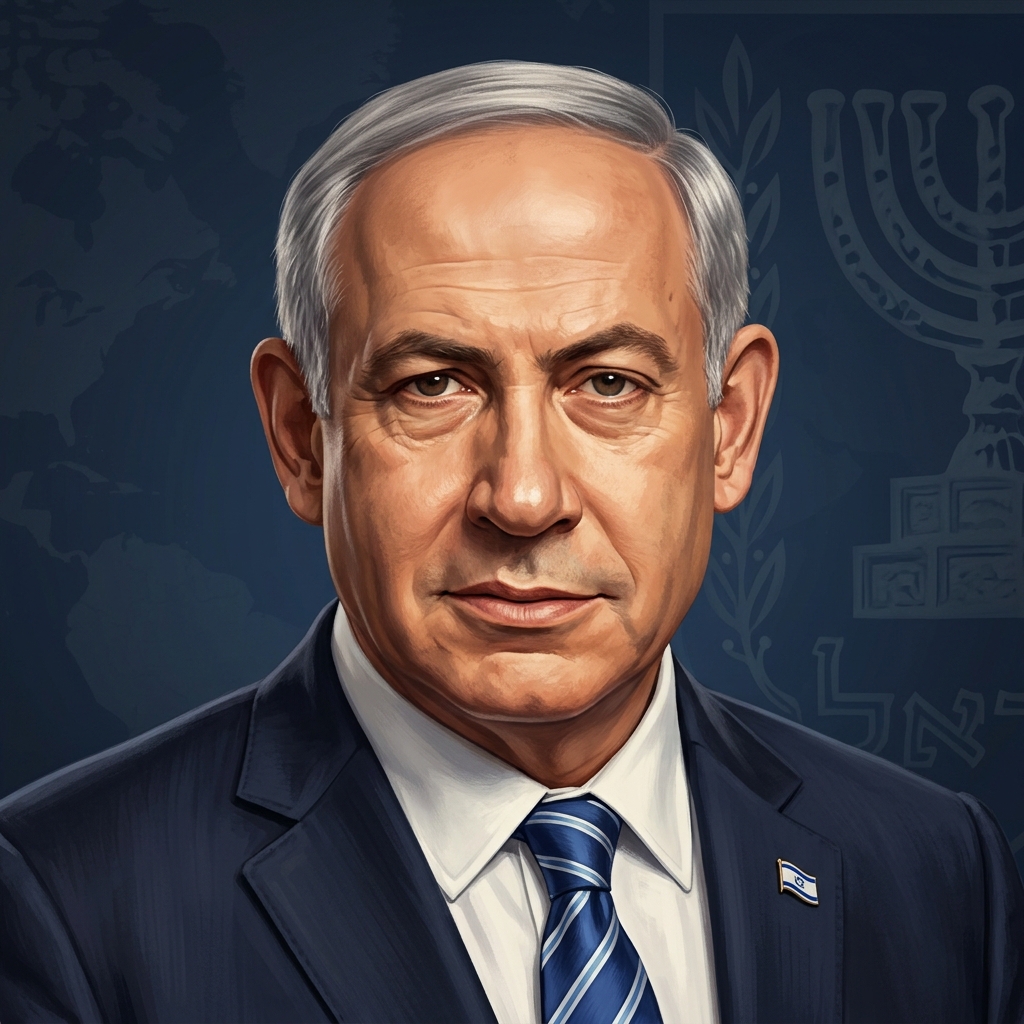
The International Criminal Court (ICC) is an international tribunal that prosecutes individuals for genocide, crimes against humanity, and war crimes.
Benjamin Netanyahu is the Prime Minister of Israel, and the ICC has issued an arrest warrant for him regarding alleged crimes committed in the State of Palestine.
The ICC's Pre-Trial Chamber I issued warrants of arrest for Benjamin Netanyahu and Yoav Gallant on November 21, 2024, for crimes against humanity and war crimes, including starvation as a method of warfare and intentionally directing attacks against the civilian population.
All 125 ICC member states are required to arrest Netanyahu if he enters their territory.
However, Netanyahu has stated that the arrest warrant will not stop him from traveling abroad, and he was not arrested during a trip to the United States to speak at the United Nations, as the United States is not an ICC member state.
This situation highlights the tension between the ICC's mandate to enforce international justice and the practical limitations of its jurisdiction, as well as the political and diplomatic challenges involved in executing arrest warrants against sitting heads of government.
*AI-generated summary of publicly available data. This is not an official statement of any party.
*AI-generated summary of publicly available statements and reporting. This is not an official statement of this party.
Supporters of the International Criminal Court argue that universal justice norms should override national sovereignty, citing the warrant for Netanyahu as proof that no leader stands above international law.
Supporters of the International Criminal Court argue that the warrant reflects a shared global norm that national leaders are not above the law, and they see its non-enforcement as exposing how sovereignty still shields cultural and political identity.
Supporters of the ICC counter that cultural identity and democratic tradition cannot exempt a leader from universal norms, arguing that sovereignty does not shield alleged war crimes from international law.
Supporters of the International Criminal Court argue that the warrant for Netanyahu is a legally binding obligation, and that states failing to arrest him—like the US, which is not a party—undermine the court's authority.
Supporters of the International Criminal Court argue that the warrant for Netanyahu is legally binding on member states, and the failure to arrest him reflects political defiance of international legal obligations, not any defect in the court's authority.
Supporters of the ICC counter that jurisdiction was triggered by Palestine's membership and referral, so the warrant binds all states parties regardless of Israel's non-membership.
Supporters of the ICC argue that the warrant still matters: states comply with international law only when the cost of defiance exceeds the benefit, so the court's leverage lies in pressure, not immediate arrest.
Supporters of the ICC argue the warrant signals that law applies to power, yet its unenforced reach proves jurisdiction depends on states' willingness to arrest—so they press allies to treat the warrant as binding.
Supporters of the ICC counter that warrants already constrained Netanyahu's travel and allies' calculations, proving the court shapes behavior even without enforcement; unenforceability is a claim of convenience, not fact.
Supporters of the International Criminal Court argue that equal justice demands no leader stand above the law, and that failing to arrest Netanyahu at the UN signals that power still shields the accused.
Supporters of the International Criminal Court argue that the warrant reflects a moral commitment to equal accountability, since no leader should stand above the law; they see the failure to arrest Netanyahu as evidence that power still shields the powerful.
Supporters of the International Criminal Court counter that the Rome Statute binds all states equally, so democratic election confers no immunity; in their view, equal accountability is the moral core of international law.
Supporters of the ICC argue that the arrest warrant for Netanyahu reflects a moral and scriptural demand for accountability, maintaining that no leader stands above divine justice or the rule of law.
Supporters of the ICC argue that no leader stands above divine moral law, citing scripture's call for justice, and maintain that unexecuted warrants still affirm accountability before God.
Supporters of the International Criminal Court counter that scripture itself commands impartial justice—"you shall not be partial in judgment"—so no leader's religious heritage exempts him from accountability before the law.
*AI-generated summary of publicly available statements and reporting. This is not an official statement of this party.
Supporters of Benjamin Netanyahu argue the ICC warrant ignores Israel's sovereign legal system and longstanding democratic tradition, treating a duly elected leader as a criminal rather than respecting the nation's own courts.
Supporters of Benjamin Netanyahu argue that the ICC warrant ignores Israel's sovereign legal system and longstanding democratic tradition, which they maintain is the proper forum for such matters, not an international court.
Supporters of Benjamin Netanyahu counter that the ICC's universalist norms clash with Israel's distinct cultural and historical reality, arguing that a people shaped by exile and survival cannot outsource its security judgments to external courts.
Supporters of Benjamin Netanyahu argue that the ICC lacks jurisdiction over Israel, a non-member state, so the warrant is legally void and states are not obligated to enforce it.
Supporters of Benjamin Netanyahu argue that the ICC warrant lacks jurisdiction over Israel, a non-member state, and that nations like the US lawfully declined to enforce it, prioritizing sovereign immunity.
Supporters of Benjamin Netanyahu counter that the ICC's Rome Statute binds only states parties, so non-members like the US bear no legal obligation to arrest him, and they challenge the claim that the warrant itself carries universal binding force.
Supporters of Benjamin Netanyahu argue the ICC warrant is unenforceable against a state that never joined the court, so his UN trip shows power, not justice, decides.
Supporters of Benjamin Netanyahu argue the ICC warrant went unenforced because power, not law, governs: the US shields him, so sovereignty and leverage trump the court's writ.
Supporters of Benjamin Netanyahu counter that the ICC's leverage cuts both ways: defiance by a major power signals that compliance costs more than pressure, eroding the court's deterrent for future targets.
Supporters of Benjamin Netanyahu argue the ICC warrant is a morally illegitimate politicization of international law, insisting a democratically elected leader defending Israel against terrorism should not be equated with criminals by a court they say lacks jurisdiction.
Supporters of Benjamin Netanyahu argue that the ICC warrant was never enforced during his UN visit, showing that even court backers treat the warrant as politically motivated rather than a binding moral duty.
Supporters of Benjamin Netanyahu counter that the ICC's selective pursuit of Israel, while ignoring other conflicts, reveals not equal justice but a moral double standard that singles out the Jewish state.
Supporters of Benjamin Netanyahu argue that Israel's elected leader answers to the sovereign authority of Israel and its religious heritage, not to an international court they view as overreaching.
Supporters of Benjamin Netanyahu argue that Israel's elected leader answers to the sovereign Jewish state and its religious heritage, not to a court they say lacks that authority.
Supporters of Benjamin Netanyahu counter that scripture commands deference to ordained authority, and that a court claiming jurisdiction over Israel presumes a judgment reserved for God alone.
AI-generated summary of publicly available statements and reporting. This is not an official statement of this party.
Supporters of the International Criminal Court argue that universal justice norms should override national sovereignty, citing the warrant for Netanyahu as proof that no leader stands above international law.
Supporters of the International Criminal Court argue that the warrant reflects a shared global norm that national leaders are not above the law, and they see its non-enforcement as exposing how sovereignty still shields cultural and political identity.
Supporters of the ICC counter that cultural identity and democratic tradition cannot exempt a leader from universal norms, arguing that sovereignty does not shield alleged war crimes from international law.
Supporters of the International Criminal Court argue that the warrant for Netanyahu is a legally binding obligation, and that states failing to arrest him—like the US, which is not a party—undermine the court's authority.
Supporters of the International Criminal Court argue that the warrant for Netanyahu is legally binding on member states, and the failure to arrest him reflects political defiance of international legal obligations, not any defect in the court's authority.
Supporters of the ICC counter that jurisdiction was triggered by Palestine's membership and referral, so the warrant binds all states parties regardless of Israel's non-membership.
Supporters of the ICC argue that the warrant still matters: states comply with international law only when the cost of defiance exceeds the benefit, so the court's leverage lies in pressure, not immediate arrest.
Supporters of the ICC argue the warrant signals that law applies to power, yet its unenforced reach proves jurisdiction depends on states' willingness to arrest—so they press allies to treat the warrant as binding.
Supporters of the ICC counter that warrants already constrained Netanyahu's travel and allies' calculations, proving the court shapes behavior even without enforcement; unenforceability is a claim of convenience, not fact.
Supporters of the International Criminal Court argue that equal justice demands no leader stand above the law, and that failing to arrest Netanyahu at the UN signals that power still shields the accused.
Supporters of the International Criminal Court argue that the warrant reflects a moral commitment to equal accountability, since no leader should stand above the law; they see the failure to arrest Netanyahu as evidence that power still shields the powerful.
Supporters of the International Criminal Court counter that the Rome Statute binds all states equally, so democratic election confers no immunity; in their view, equal accountability is the moral core of international law.
Supporters of the ICC argue that the arrest warrant for Netanyahu reflects a moral and scriptural demand for accountability, maintaining that no leader stands above divine justice or the rule of law.
Supporters of the ICC argue that no leader stands above divine moral law, citing scripture's call for justice, and maintain that unexecuted warrants still affirm accountability before God.
Supporters of the International Criminal Court counter that scripture itself commands impartial justice—"you shall not be partial in judgment"—so no leader's religious heritage exempts him from accountability before the law.
Supporters of Benjamin Netanyahu argue the ICC warrant ignores Israel's sovereign legal system and longstanding democratic tradition, treating a duly elected leader as a criminal rather than respecting the nation's own courts.
Supporters of Benjamin Netanyahu argue that the ICC warrant ignores Israel's sovereign legal system and longstanding democratic tradition, which they maintain is the proper forum for such matters, not an international court.
Supporters of Benjamin Netanyahu counter that the ICC's universalist norms clash with Israel's distinct cultural and historical reality, arguing that a people shaped by exile and survival cannot outsource its security judgments to external courts.
Supporters of Benjamin Netanyahu argue that the ICC lacks jurisdiction over Israel, a non-member state, so the warrant is legally void and states are not obligated to enforce it.
Supporters of Benjamin Netanyahu argue that the ICC warrant lacks jurisdiction over Israel, a non-member state, and that nations like the US lawfully declined to enforce it, prioritizing sovereign immunity.
Supporters of Benjamin Netanyahu counter that the ICC's Rome Statute binds only states parties, so non-members like the US bear no legal obligation to arrest him, and they challenge the claim that the warrant itself carries universal binding force.
Supporters of Benjamin Netanyahu argue the ICC warrant is unenforceable against a state that never joined the court, so his UN trip shows power, not justice, decides.
Supporters of Benjamin Netanyahu argue the ICC warrant went unenforced because power, not law, governs: the US shields him, so sovereignty and leverage trump the court's writ.
Supporters of Benjamin Netanyahu counter that the ICC's leverage cuts both ways: defiance by a major power signals that compliance costs more than pressure, eroding the court's deterrent for future targets.
Supporters of Benjamin Netanyahu argue the ICC warrant is a morally illegitimate politicization of international law, insisting a democratically elected leader defending Israel against terrorism should not be equated with criminals by a court they say lacks jurisdiction.
Supporters of Benjamin Netanyahu argue that the ICC warrant was never enforced during his UN visit, showing that even court backers treat the warrant as politically motivated rather than a binding moral duty.
Supporters of Benjamin Netanyahu counter that the ICC's selective pursuit of Israel, while ignoring other conflicts, reveals not equal justice but a moral double standard that singles out the Jewish state.
Supporters of Benjamin Netanyahu argue that Israel's elected leader answers to the sovereign authority of Israel and its religious heritage, not to an international court they view as overreaching.
Supporters of Benjamin Netanyahu argue that Israel's elected leader answers to the sovereign Jewish state and its religious heritage, not to a court they say lacks that authority.
Supporters of Benjamin Netanyahu counter that scripture commands deference to ordained authority, and that a court claiming jurisdiction over Israel presumes a judgment reserved for God alone.
The International Criminal Court issued an arrest warrant for Israeli Prime Minister Benjamin Netanyahu.
The ICC Pre-Trial Chamber I issued warrants of arrest for Israeli Prime Minister Benjamin Netanyahu and Defense Minister Yoav Gallant for crimes against humanity and war crimes, including starvation as a method of warfare and intentionally directing attacks against the civilian population.
The ICC Pre-Trial Chamber I rejected the State of Israel's challenges to the Court's jurisdiction in the Situation in the State of Palestine, clearing the way for the issuance of arrest warrants.