International Criminal Court
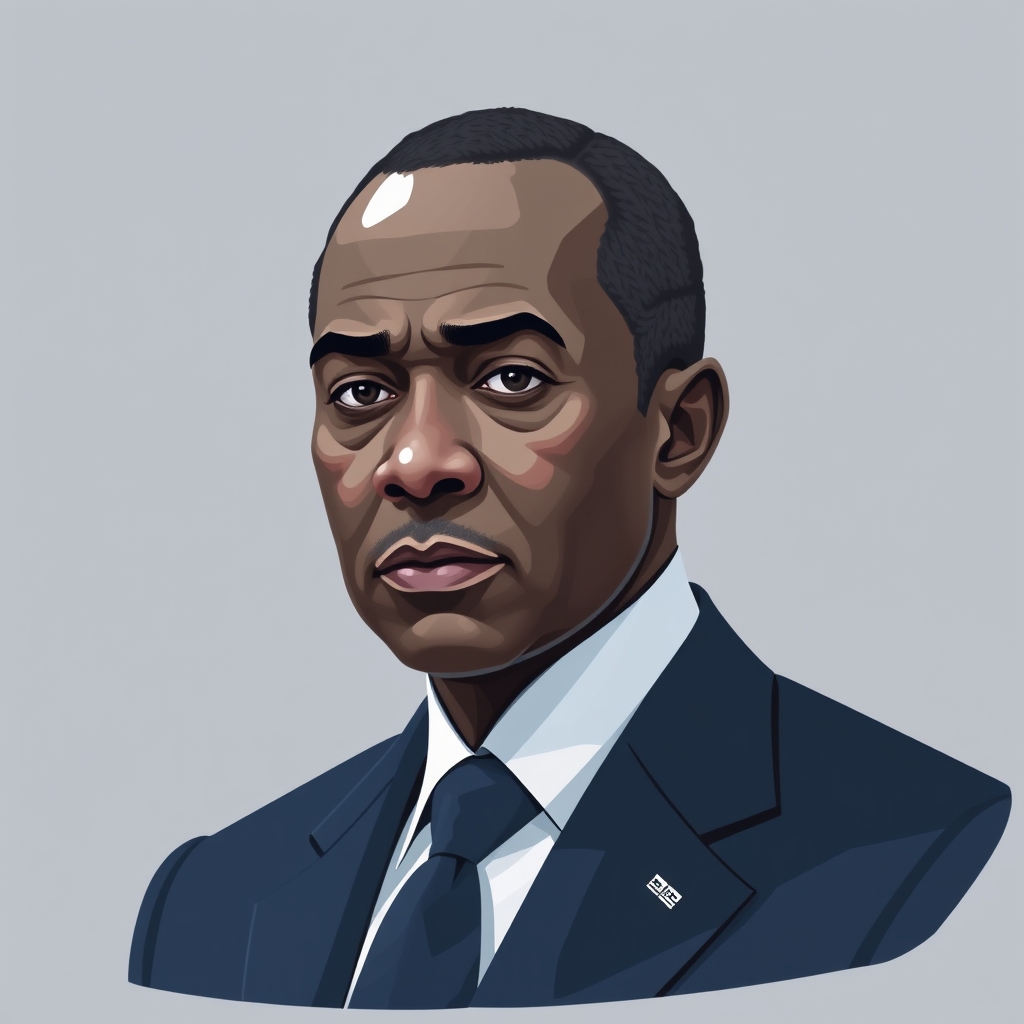
VS
Rodrigo Duterte
?
The International Criminal Court (ICC) is an international tribunal that prosecutes individuals for genocide, crimes against humanity, war crimes, and aggression.
Rodrigo Duterte is the former President of the Philippines, who held office from 2016 to 2022 and is known for his controversial anti-drug campaign.
The ICC has charged Duterte with crimes against humanity related to the Philippine drug war, alleging that thousands of deaths occurred during his presidency.
Duterte was arrested by Philippine authorities and surrendered to the ICC on 12 March 2025.
ICC judges have confirmed all charges against him and committed him to trial, which is scheduled to run from November 30, 2026.
The case raises questions about accountability for state violence and the ICC's jurisdiction, as Duterte's supporters argue that the court is selectively pursuing him and interfering in Philippine sovereignty.
*AI-generated summary of publicly available data. This is not an official statement of any party.
*AI-generated summary of publicly available statements and reporting. This is not an official statement of this party.
Supporters of the International Criminal Court argue that Duterte's landmark appearance marks a cultural shift: no leader, however powerful, stands above the law, and victims' dignity now has a global forum.
Supporters of the International Criminal Court argue that Duterte's appearance affirms a cultural precedent: no leader stands above the law, and societies once resigned to impunity can instead entrust grave atrocities to impartial courts.
Supporters of the International Criminal Court counter that sovereignty has never shielded mass atrocities, noting the Nuremberg precedent held Nazi leaders accountable despite claims of national prerogative.
Supporters of the ICC argue that due process requires judges, not the accused, to decide claims of memory impairment, and that Duterte's in-person appearance affirms the court's jurisdiction over crimes against humanity.
Supporters of the ICC argue that sovereign immunity cannot shield a former head of state from legal accountability when thousands of alleged extrajudicial killings fall within the court's treaty jurisdiction.
Supporters of the International Criminal Court counter that the Rome Statute's Article 127 keeps jurisdiction over crimes committed while the Philippines was still a state party, so the withdrawal does not shield Duterte.
Supporters of the ICC argue that prosecuting Duterte signals to rulers everywhere that sovereignty is no shield for mass killings, since impunity only invites more.
Supporters of the ICC argue that jurisdiction follows power, not consent: Duterte's exit from the Rome Statute cannot shield him, and only enforcement against a former head of state deters future abuses.
Supporters of the ICC counter that jurisdiction attached when the alleged crimes occurred, before withdrawal, so exit cannot retroactively shield conduct already within the court's reach.
Supporters of the International Criminal Court argue that the moral duty to hold leaders accountable for thousands of drug-war killings outweighs claims of poor health, asserting that victims and their families deserve justice.
Supporters of the International Criminal Court argue that accountability for thousands of drug-war deaths is a moral duty, and that appearing before ICC judges affirms no leader stands above justice.
Supporters of the ICC counter that no democratic mandate can excuse crimes against humanity, since moral accountability to victims outweighs the sovereignty of any state.
Supporters of the International Criminal Court argue that the thousands of drug-war deaths demand moral reckoning, invoking scripture that the blood of the innocent cries out for justice.
Supporters of the ICC argue that scripture's call for justice and accountability for the shedding of innocent blood supports holding Duterte to account for the thousands of deaths in his drug war.
Supporters of the International Criminal Court counter that Scriptures like Exodus 20:13 and the Church's consistent teaching on the sanctity of life hold extrajudicial killing to be gravely immoral, so no claim of moral duty can sanctify it.
*AI-generated summary of publicly available statements and reporting. This is not an official statement of this party.
Supporters of Rodrigo Duterte argue the ICC case disregards Philippine sovereignty and cultural identity, insisting only Filipinos may judge a leader they elected to defend their communities.
Supporters of Rodrigo Duterte argue that the ICC case reflects an outside court judging the Philippines' own cultural and political choices, and that only Filipinos have the standing to weigh his drug war legacy.
Supporters of Rodrigo Duterte counter that the ICC reflects a foreign cultural framework imposed on a sovereign nation, and that Filipinos' own traditions of justice and self-rule, not external courts, should define accountability.
Supporters of Rodrigo Duterte argue the ICC lacks jurisdiction since the Philippines withdrew from the Rome Statute, so the court cannot lawfully try him.
Supporters of Rodrigo Duterte argue the ICC lacks jurisdiction since the Philippines withdrew from the Rome Statute, so the court cannot legally try him.
Supporters of Rodrigo Duterte counter that the ICC lacks jurisdiction since the Philippines withdrew from the Rome Statute in 2019, so its judges cannot bind him regardless of any appearance.
Supporters of Rodrigo Duterte argue the ICC lacks jurisdiction since the Philippines exited the Rome Statute, framing the case as foreign interference in national sovereignty rather than legitimate accountability.
Supporters of Rodrigo Duterte argue the ICC is a foreign court asserting power over a sovereign state, and that Duterte answers only to Philippine law and voters, not to outside judges.
Supporters of Rodrigo Duterte counter that the ICC's reach depends on state cooperation, so the court's warning rings hollow; Duterte walked free and kept power, showing enforcement, not rulings, is what actually deters.
Supporters of Rodrigo Duterte argue the ICC lacks moral standing to judge him, since the tribunal overrides a sovereign nation's own justice system and its voters' democratic will.
Supporters of Rodrigo Duterte argue that the ICC lacks moral legitimacy to judge him, since the Philippines withdrew from the court and Filipinos elected him twice to defend their communities from drugs.
Supporters of Rodrigo Duterte counter that a nation's moral duty is to its own citizens' safety, arguing the drug war protected communities and that outsiders lack standing to judge a sovereign people's choices.
Supporters of Rodrigo Duterte argue that his drug war was a moral duty to protect Filipino communities, and that the ICC, lacking jurisdiction over the Philippines, wrongly overrides the nation's faith, sovereignty, and social order.
Supporters of Rodrigo Duterte argue that his drug war upheld a moral duty to protect the innocent, and that the ICC, lacking jurisdiction over the Philippines, wrongly judges a leader whose conscience rests with God, not foreign courts.
Supporters of Rodrigo Duterte counter that scripture also charges the state with protecting the innocent from the drug menace, and that the killings were a lawful act of public safety, not murder.
AI-generated summary of publicly available statements and reporting. This is not an official statement of this party.
Supporters of the International Criminal Court argue that Duterte's landmark appearance marks a cultural shift: no leader, however powerful, stands above the law, and victims' dignity now has a global forum.
Supporters of the International Criminal Court argue that Duterte's appearance affirms a cultural precedent: no leader stands above the law, and societies once resigned to impunity can instead entrust grave atrocities to impartial courts.
Supporters of the International Criminal Court counter that sovereignty has never shielded mass atrocities, noting the Nuremberg precedent held Nazi leaders accountable despite claims of national prerogative.
Supporters of the ICC argue that due process requires judges, not the accused, to decide claims of memory impairment, and that Duterte's in-person appearance affirms the court's jurisdiction over crimes against humanity.
Supporters of the ICC argue that sovereign immunity cannot shield a former head of state from legal accountability when thousands of alleged extrajudicial killings fall within the court's treaty jurisdiction.
Supporters of the International Criminal Court counter that the Rome Statute's Article 127 keeps jurisdiction over crimes committed while the Philippines was still a state party, so the withdrawal does not shield Duterte.
Supporters of the ICC argue that prosecuting Duterte signals to rulers everywhere that sovereignty is no shield for mass killings, since impunity only invites more.
Supporters of the ICC argue that jurisdiction follows power, not consent: Duterte's exit from the Rome Statute cannot shield him, and only enforcement against a former head of state deters future abuses.
Supporters of the ICC counter that jurisdiction attached when the alleged crimes occurred, before withdrawal, so exit cannot retroactively shield conduct already within the court's reach.
Supporters of the International Criminal Court argue that the moral duty to hold leaders accountable for thousands of drug-war killings outweighs claims of poor health, asserting that victims and their families deserve justice.
Supporters of the International Criminal Court argue that accountability for thousands of drug-war deaths is a moral duty, and that appearing before ICC judges affirms no leader stands above justice.
Supporters of the ICC counter that no democratic mandate can excuse crimes against humanity, since moral accountability to victims outweighs the sovereignty of any state.
Supporters of the International Criminal Court argue that the thousands of drug-war deaths demand moral reckoning, invoking scripture that the blood of the innocent cries out for justice.
Supporters of the ICC argue that scripture's call for justice and accountability for the shedding of innocent blood supports holding Duterte to account for the thousands of deaths in his drug war.
Supporters of the International Criminal Court counter that Scriptures like Exodus 20:13 and the Church's consistent teaching on the sanctity of life hold extrajudicial killing to be gravely immoral, so no claim of moral duty can sanctify it.
Supporters of Rodrigo Duterte argue the ICC case disregards Philippine sovereignty and cultural identity, insisting only Filipinos may judge a leader they elected to defend their communities.
Supporters of Rodrigo Duterte argue that the ICC case reflects an outside court judging the Philippines' own cultural and political choices, and that only Filipinos have the standing to weigh his drug war legacy.
Supporters of Rodrigo Duterte counter that the ICC reflects a foreign cultural framework imposed on a sovereign nation, and that Filipinos' own traditions of justice and self-rule, not external courts, should define accountability.
Supporters of Rodrigo Duterte argue the ICC lacks jurisdiction since the Philippines withdrew from the Rome Statute, so the court cannot lawfully try him.
Supporters of Rodrigo Duterte argue the ICC lacks jurisdiction since the Philippines withdrew from the Rome Statute, so the court cannot legally try him.
Supporters of Rodrigo Duterte counter that the ICC lacks jurisdiction since the Philippines withdrew from the Rome Statute in 2019, so its judges cannot bind him regardless of any appearance.
Supporters of Rodrigo Duterte argue the ICC lacks jurisdiction since the Philippines exited the Rome Statute, framing the case as foreign interference in national sovereignty rather than legitimate accountability.
Supporters of Rodrigo Duterte argue the ICC is a foreign court asserting power over a sovereign state, and that Duterte answers only to Philippine law and voters, not to outside judges.
Supporters of Rodrigo Duterte counter that the ICC's reach depends on state cooperation, so the court's warning rings hollow; Duterte walked free and kept power, showing enforcement, not rulings, is what actually deters.
Supporters of Rodrigo Duterte argue the ICC lacks moral standing to judge him, since the tribunal overrides a sovereign nation's own justice system and its voters' democratic will.
Supporters of Rodrigo Duterte argue that the ICC lacks moral legitimacy to judge him, since the Philippines withdrew from the court and Filipinos elected him twice to defend their communities from drugs.
Supporters of Rodrigo Duterte counter that a nation's moral duty is to its own citizens' safety, arguing the drug war protected communities and that outsiders lack standing to judge a sovereign people's choices.
Supporters of Rodrigo Duterte argue that his drug war was a moral duty to protect Filipino communities, and that the ICC, lacking jurisdiction over the Philippines, wrongly overrides the nation's faith, sovereignty, and social order.
Supporters of Rodrigo Duterte argue that his drug war upheld a moral duty to protect the innocent, and that the ICC, lacking jurisdiction over the Philippines, wrongly judges a leader whose conscience rests with God, not foreign courts.
Supporters of Rodrigo Duterte counter that scripture also charges the state with protecting the innocent from the drug menace, and that the killings were a lawful act of public safety, not murder.
The trial of Rodrigo Duterte before the ICC is scheduled to run from November 30, 2026.
Rodrigo Duterte appears in person at the International Criminal Court for the first time.
Former Philippine President Rodrigo Duterte appeared in person at the ICC as judges considered claims of memory impairment and poor health.
The International Criminal Court took custody of former Philippine President Rodrigo Duterte on a warrant accusing him of crimes against humanity.
Rodrigo Duterte was surrendered to the International Criminal Court after being arrested by Philippine authorities.