International diplomats
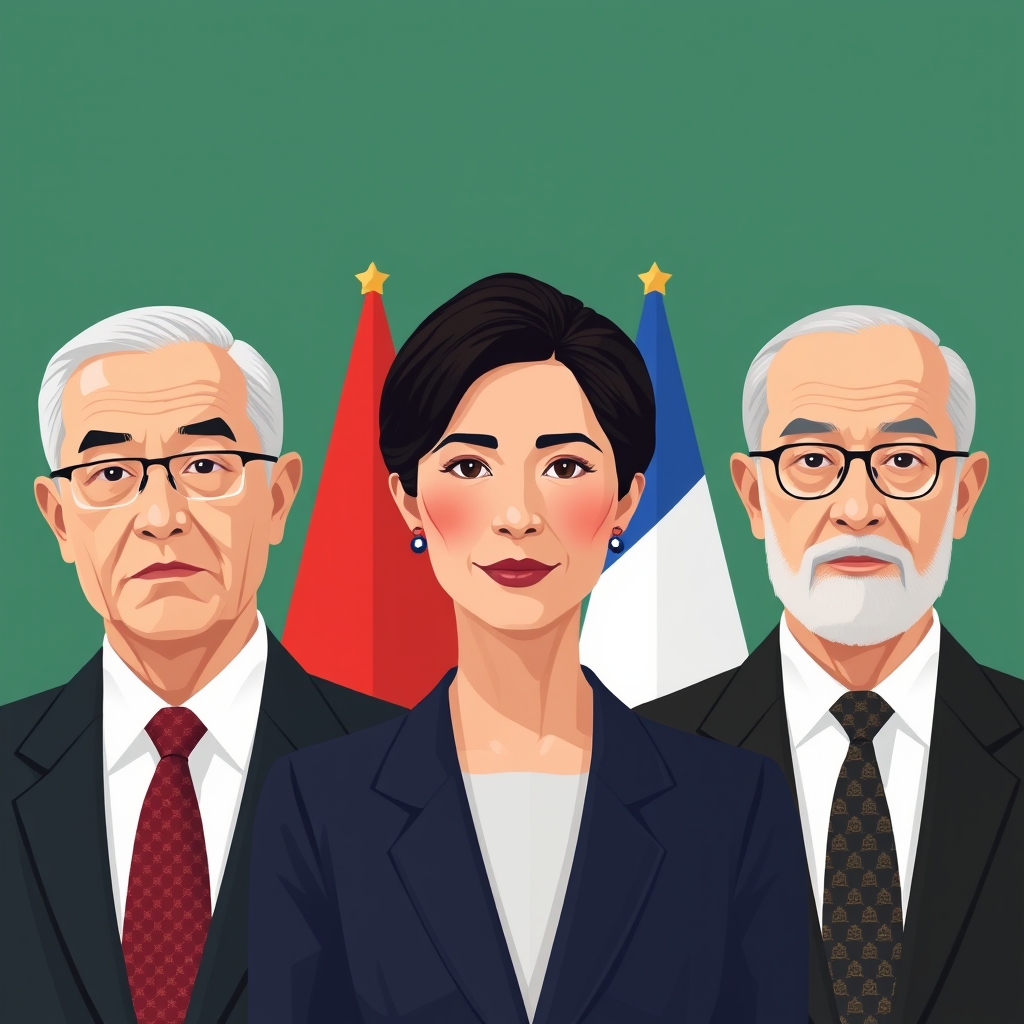
VS
Libyan rival factions

International diplomats represent the global community's efforts to mediate and resolve conflicts, often through negotiation and diplomatic pressure.
Libyan rival factions are the competing political and military groups within Libya that have been engaged in a protracted conflict since the fall of Muammar Gaddafi in 2011, dividing the country into eastern and western spheres of influence.
The conflict between international diplomats and Libyan rival factions stems from the diplomats' attempts to unify Libya's governance and end the political deadlock, while the factions have entrenched positions and competing interests, often exacerbated by foreign weapons and regional power competition.
The factions' resistance to compromise and the influx of external support have made diplomatic intervention challenging, as each side seeks to secure its own advantages.
The stakes are high, as Libya has struggled with conflict and deep political divisions for nearly a decade and a half, with the situation described as the country's worst crisis since the 2011 revolution.
International efforts aim to prevent further deterioration and find a sustainable path to peace, but the factions' readiness for a long conflict and the involvement of global and regional powers complicate these efforts.
*AI-generated summary of publicly available data. This is not an official statement of any party.
*AI-generated summary of publicly available statements and reporting. This is not an official statement of this party.
Supporters of international diplomats argue that Libya’s fractured tribal and regional identities require a unifying, external framework rooted in shared legal tradition, not further fragmentation.
Supporters of international diplomats argue that Libya's stability depends on preserving its unified cultural and legal heritage, which rival factions erode by prioritizing tribal or regional loyalties over shared national identity.
Supporters of International diplomats counter that shared Islamic faith and Mediterranean trade ties have long bound Libyan communities, making unity a cultural restoration, not a foreign imposition.
Supporters of International diplomats argue that legal frameworks, like the Libyan Political Agreement, offer the only lawful path to unify rival factions and restore state authority.
Supporters of International diplomats argue that a UN-brokered legal framework is the only legitimate path to unify Libya, insisting that rival factions must accept binding constitutional terms before any power-sharing agreement.
Supporters of International diplomats counter that UN-backed agreements provide the sole legal basis for Libya’s transitional legitimacy, arguing external oversight preserves, rather than erodes, sovereignty by preventing factional rule from violating international law.
Supporters of International diplomats argue that Libya’s rival factions only respond to leverage, so the real prize is not unity but a durable power-sharing deal brokered by external pressure.
Supporters of International diplomats argue that intervention hinges on leverage, not ideals; Libya’s factions will only yield when power and funding are credibly threatened, making transactional pressure the sole realistic path to unity.
Supporters of International diplomats counter that a signature is leverage, not vanity, and that the rival factions’ armed leverage is precisely what makes a deal binding.
Supporters of International diplomats argue that unity in Libya is a moral duty, as only negotiated compromise can spare citizens further suffering from factional strife.
Supporters of international diplomats argue that unity talks honor Libya's sovereignty by treating all factions as legitimate partners, not puppets.
Supporters of International diplomats counter that moral legitimacy flows from preventing mass atrocity, not from amplifying every factional grievance, as a unified framework alone can halt the bloodshed that local voices cannot survive.
Supporters of International diplomats see their mediation as a sacred duty to heal a fractured land, arguing that scripture calls for peacemakers to be blessed in their pursuit of unity.
Supporters of International diplomats argue that Libya's fractured governance mirrors a broken covenant, and they invoke scripture's call for peacemakers to justify mediation as a sacred duty.
Supporters of International diplomats counter that scripture calls for peacemaking among divided peoples, and that divine law obliges the faithful to seek reconciliation beyond tribal bounds.
*AI-generated summary of publicly available statements and reporting. This is not an official statement of this party.
Supporters of Libyan rival factions argue that foreign-mediated unity talks ignore the deep cultural fractures rooted in decades of tribal and regional loyalty, where compromise is seen as betrayal of ancestral heritage.
Supporters of Libyan rival factions argue that foreign diplomacy repeats colonial-era mistakes, imposing unity on a land where tribal and regional identities have long shaped power.
Supporters of Libyan rival factions counter that external legal frameworks repeat colonial-era impositions, erasing the very tribal councils and regional pacts that have long sustained social order.
Supporters of Libyan rival factions argue that international legal frameworks, such as the UN-backed agreements, impose external sovereignty limits that undermine local autonomy and legitimate self-governance.
Supporters of Libyan rival factions argue that external legal dictates ignore each faction's sovereign right to self-governance, making imposed unity pacts a violation of local autonomy.
Supporters of Libyan rival factions counter that the Libyan Political Agreement lacks legal legitimacy, as it was never ratified by a sovereign national referendum and was imposed under foreign pressure, violating the principle of popular consent that underpins any binding legal.
Supporters of Libyan rival factions argue that international diplomats prize a signature over stability, treating unity as a photo-op while ignoring the armed leverage that keeps each side in power.
Supporters of Libyan rival factions argue that international diplomats ignore the local power calculus, where each faction’s survival hinges on armed leverage, not paper agreements.
Supporters of Libyan rival factions counter that external leverage merely reshuffles spoils, not loyalties; durable deals collapse when the pressure lifts, as each side hoards force for the next round.
Supporters of Libyan rival factions argue that forcing a unified government without addressing local grievances is morally hollow, as lasting peace requires each community's voice, not diplomatic shortcuts.
Supporters of Libyan rival factions argue that external mediation imposes a false moral equivalence, treating armed power and popular legitimacy as interchangeable in the name of stability.
Supporters of Libyan rival factions counter that forced unity under diplomatic pressure masks deeper moral failings, as compromise without justice perpetuates cycles of violence rather than ending them.
Supporters of Libyan rival factions argue that foreign diplomacy cannot impose unity on a land where tribal and religious traditions already define legitimate authority.
Supporters of Libyan rival factions argue that foreign diplomatic blueprints cannot mend a nation whose tribes and towns are bound by faith, not treaties, and that only Libya’s own religious councils can restore rightful order.
Supporters of Libyan rival factions counter that scripture also commands defending one’s homeland and faith, not surrendering to outside mediators who ignore local tribal and religious hierarchies.
AI-generated summary of publicly available statements and reporting. This is not an official statement of this party.
Supporters of international diplomats argue that Libya’s fractured tribal and regional identities require a unifying, external framework rooted in shared legal tradition, not further fragmentation.
Supporters of international diplomats argue that Libya's stability depends on preserving its unified cultural and legal heritage, which rival factions erode by prioritizing tribal or regional loyalties over shared national identity.
Supporters of International diplomats counter that shared Islamic faith and Mediterranean trade ties have long bound Libyan communities, making unity a cultural restoration, not a foreign imposition.
Supporters of International diplomats argue that legal frameworks, like the Libyan Political Agreement, offer the only lawful path to unify rival factions and restore state authority.
Supporters of International diplomats argue that a UN-brokered legal framework is the only legitimate path to unify Libya, insisting that rival factions must accept binding constitutional terms before any power-sharing agreement.
Supporters of International diplomats counter that UN-backed agreements provide the sole legal basis for Libya’s transitional legitimacy, arguing external oversight preserves, rather than erodes, sovereignty by preventing factional rule from violating international law.
Supporters of International diplomats argue that Libya’s rival factions only respond to leverage, so the real prize is not unity but a durable power-sharing deal brokered by external pressure.
Supporters of International diplomats argue that intervention hinges on leverage, not ideals; Libya’s factions will only yield when power and funding are credibly threatened, making transactional pressure the sole realistic path to unity.
Supporters of International diplomats counter that a signature is leverage, not vanity, and that the rival factions’ armed leverage is precisely what makes a deal binding.
Supporters of International diplomats argue that unity in Libya is a moral duty, as only negotiated compromise can spare citizens further suffering from factional strife.
Supporters of international diplomats argue that unity talks honor Libya's sovereignty by treating all factions as legitimate partners, not puppets.
Supporters of International diplomats counter that moral legitimacy flows from preventing mass atrocity, not from amplifying every factional grievance, as a unified framework alone can halt the bloodshed that local voices cannot survive.
Supporters of International diplomats see their mediation as a sacred duty to heal a fractured land, arguing that scripture calls for peacemakers to be blessed in their pursuit of unity.
Supporters of International diplomats argue that Libya's fractured governance mirrors a broken covenant, and they invoke scripture's call for peacemakers to justify mediation as a sacred duty.
Supporters of International diplomats counter that scripture calls for peacemaking among divided peoples, and that divine law obliges the faithful to seek reconciliation beyond tribal bounds.
Supporters of Libyan rival factions argue that foreign-mediated unity talks ignore the deep cultural fractures rooted in decades of tribal and regional loyalty, where compromise is seen as betrayal of ancestral heritage.
Supporters of Libyan rival factions argue that foreign diplomacy repeats colonial-era mistakes, imposing unity on a land where tribal and regional identities have long shaped power.
Supporters of Libyan rival factions counter that external legal frameworks repeat colonial-era impositions, erasing the very tribal councils and regional pacts that have long sustained social order.
Supporters of Libyan rival factions argue that international legal frameworks, such as the UN-backed agreements, impose external sovereignty limits that undermine local autonomy and legitimate self-governance.
Supporters of Libyan rival factions argue that external legal dictates ignore each faction's sovereign right to self-governance, making imposed unity pacts a violation of local autonomy.
Supporters of Libyan rival factions counter that the Libyan Political Agreement lacks legal legitimacy, as it was never ratified by a sovereign national referendum and was imposed under foreign pressure, violating the principle of popular consent that underpins any binding legal.
Supporters of Libyan rival factions argue that international diplomats prize a signature over stability, treating unity as a photo-op while ignoring the armed leverage that keeps each side in power.
Supporters of Libyan rival factions argue that international diplomats ignore the local power calculus, where each faction’s survival hinges on armed leverage, not paper agreements.
Supporters of Libyan rival factions counter that external leverage merely reshuffles spoils, not loyalties; durable deals collapse when the pressure lifts, as each side hoards force for the next round.
Supporters of Libyan rival factions argue that forcing a unified government without addressing local grievances is morally hollow, as lasting peace requires each community's voice, not diplomatic shortcuts.
Supporters of Libyan rival factions argue that external mediation imposes a false moral equivalence, treating armed power and popular legitimacy as interchangeable in the name of stability.
Supporters of Libyan rival factions counter that forced unity under diplomatic pressure masks deeper moral failings, as compromise without justice perpetuates cycles of violence rather than ending them.
Supporters of Libyan rival factions argue that foreign diplomacy cannot impose unity on a land where tribal and religious traditions already define legitimate authority.
Supporters of Libyan rival factions argue that foreign diplomatic blueprints cannot mend a nation whose tribes and towns are bound by faith, not treaties, and that only Libya’s own religious councils can restore rightful order.
Supporters of Libyan rival factions counter that scripture also commands defending one’s homeland and faith, not surrendering to outside mediators who ignore local tribal and religious hierarchies.
Efforts intensify to break political impasse in a divided country.
Al Jazeera's Inside Story program featured a discussion on whether diplomacy can end the conflict in Libya, noting that the country has struggled with conflict and political divisions for nearly a decade and a half.
A report by TRT World examined Libya's role as a major arena of regional and global power competition since the fall of Gaddafi, highlighting the international dimensions of the conflict.
Reuters reported that Libya's combatants were readying for a long conflict, with foreign weapons flooding in, tribesmen closing oil ports, and rival alliances wrangling over resources.
The Carnegie Endowment described the current crisis as Libya's worst in half a decade and potentially since the 2011 revolution, urging swift action to end the conflict.
The fall of Muammar Gaddafi marked the beginning of Libya's transformation into a major arena of regional and global power competition, leading to the current political divisions.