Iran and Houthi group
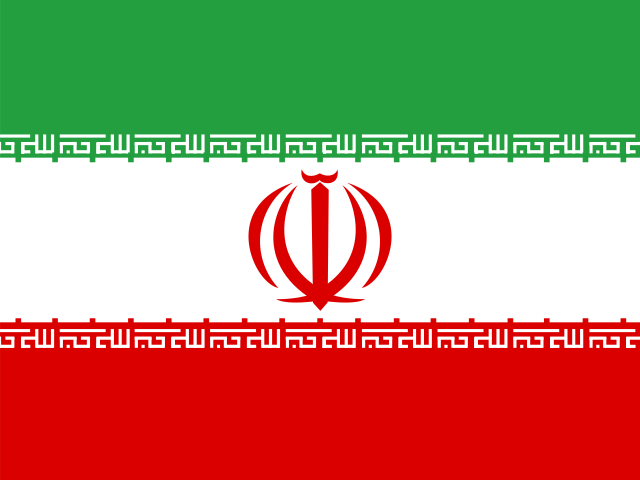

VS
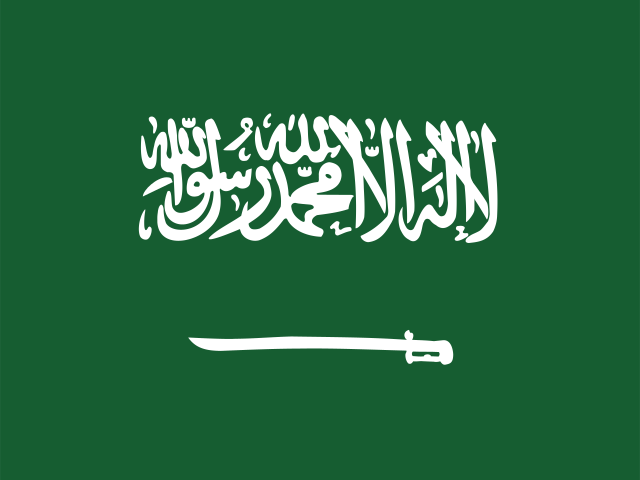
Saudi Arabia
Iranian Foreign Minister Seyed Abbas Araghchi is visiting Pakistan and Oman amid heightened Middle East tensions.
The IRGC reported explosions involving two oil tankers in the Strait of Hormuz, while Yemen's Houthi group claimed missile attacks on targets in Saudi Arabia.
*AI-generated summary of publicly available data. This is not an official statement of any party.
*AI-generated summary of publicly available statements and reporting. This is not an official statement of this party.
Supporters of Iran and Houthi group frame the Hormuz tanker blasts and missile strikes as resistance to foreign domination, casting Araghchi's Pakistan and Oman diplomacy as cultural solidarity among regional peoples against outside interference.
Supporters of Iran and Houthi group frame the strikes as resistance against foreign intervention, invoking a cultural memory of sovereignty defended against outside powers.
Supporters of Iran and Houthi group counter that Yemen's cultural continuity was already fractured by years of Saudi-led bombing of heritage sites and infrastructure, so appeals to stability ring hollow.
Supporters of Iran and Houthi group argue that the Strait of Hormuz is vital international waterway and that Houthi missile strikes are lawful self-defense against Saudi-led coalition aggression in Yemen.
Supporters of Iran and Houthi group argue that attacks on Saudi Arabia and tanker incidents in the Strait of Hormuz are lawful acts of self-defense against aggression, and they point to Araghchi's diplomatic outreach as evidence of a preference for negotiation over war.
Supporters of Iran and the Houthi group counter that the right to self-defense under the UN Charter cannot be invoked to justify an ongoing military campaign, arguing that the Saudi-led intervention itself constitutes the unlawful use of force that precedes and contextualizes any.
Supporters of Iran and Houthi group argue that Araghchi's Oman and Pakistan outreach is leverage-building: signaling Gulf access while Houthi strikes and Hormuz incidents raise the cost of Saudi escalation.
Supporters of Iran and Houthi group argue that Tehran's diplomacy in Pakistan and Oman runs parallel to coercion at Hormuz and Houthi strikes, leveraging trade and security incentives to divide Gulf rivals.
Supporters of Iran and Houthi group counter that Riyadh's restraint is less strategy than necessity, since the Houthis' demonstrated reach on Saudi infrastructure and shipping leaves the kingdom managing exposure rather than denying Tehran leverage.
Supporters of Iran and Houthi group argue that sovereignty gives them the moral right to answer external aggression, and they point to the Houthi missile claims and FM Araghchi's diplomacy as evidence they act in self-defense.
Supporters of Iran and Houthi group argue that sovereignty and self-defense justify their actions, framing Houthi strikes on Saudi Arabia as a moral response to external aggression and intervention.
Supporters of Iran and the Houthi group counter that moral responsibility for regional destabilization rests with those waging a war that has killed civilians, not with those resisting it.
Supporters of Iran and Houthi group frame the conflict in religious terms, arguing that their stance reflects a doctrinal duty to resist what they view as unjust foreign domination in the region.
Supporters of Iran and Houthi group frame the conflict in religious terms, arguing that their stance reflects a moral duty to resist foreign domination and defend Muslim lands, and they point to the Houthis' declared missile attacks as evidence of that commitment.
Supporters of Iran and the Houthi group counter that sovereignty claims carry no sacred weight, arguing that scripture obligates Muslims to defend the oppressed of Yemen, so religious duty rests with those resisting the Kingdom, not with its guardianship.
*AI-generated summary of publicly available statements and reporting. This is not an official statement of this party.
Supporters of Saudi Arabia argue that Houthi missile attacks and Strait of Hormuz disruptions threaten the cultural continuity and stability of the region, and they maintain that sovereignty and established order must be defended against such destabilizing actions.
Supporters of Saudi Arabia argue the Houthi missile attacks and tanker explosions confirm that cultural and religious continuity across the Gulf depends on protecting established state authority and sovereignty from destabilizing proxies.
Supporters of Saudi Arabia counter that Gulf cultural identity is rooted in Arab heritage and GCC solidarity, not a shared "resistance" narrative, and they see Araghchi's diplomacy as invoking regional kinship while Tehran backs militias against Arab states.
Supporters of Saudi Arabia argue that Houthi missile strikes on its territory violate international law and the UN Charter's prohibition on the use of force, and they maintain that Saudi Arabia retains the legal right to self-defense against such attacks.
Supporters of Saudi Arabia argue that Houthi missile strikes on its territory violate international law and the UN Charter's prohibition on the use of force, and they maintain that Saudi Arabia retains a legal right to self-defense against such attacks.
Supporters of Saudi Arabia counter that the coalition intervened in Yemen at the request of the legitimate government, and that Houthi strikes on commercial shipping target neutral vessels rather than lawful military objectives.
Supporters of Saudi Arabia argue the Houthi missile claims and Hormuz tanker explosions are Iran's leverage play, and that Riyadh's restraint plus ties with Pakistan and Oman are meant to deny Tehran that leverage.
Supporters of Saudi Arabia argue the timing exposes Iran's hand: Araghchi's diplomacy tours Pakistan and Oman while IRGC-reported tanker blasts and Houthi missile claims apply pressure, showing Tehran negotiates and coerces simultaneously.
Supporters of Saudi Arabia counter that Gulf access is the very leverage Riyadh holds: the kingdom's oil and corridor routes give it more to withhold than Tehran's signaling can threaten, so outreach reads as a concession, not pressure.
Supporters of Saudi Arabia argue that attacks on its territory and threats to Strait of Hormuz shipping violate sovereignty and international norms, and that Iran and the Houthis bear moral responsibility for destabilizing the region.
Supporters of Saudi Arabia argue that Houthi missile strikes on Saudi territory and attacks on shipping in the Strait of Hormuz violate sovereign rights and threaten civilian safety, and they maintain that Iran bears responsibility for backing such actions.
Supporters of Saudi Arabia counter that sovereignty cannot justify the Houthis' missile strikes on civilian infrastructure, arguing that a moral right of self-defense does not extend to attacks threatening non-combatants.
Supporters of Saudi Arabia frame the Houthi missile attacks and Strait of Hormuz tanker explosions as assaults on the guardianship of Islam's holiest sites, arguing that defending the Kingdom's sovereignty and stability is a religious duty.
Supporters of Saudi Arabia argue that the kingdom's role as custodian of Islam's holiest sites obliges it to defend religious authority and regional order against Iran-aligned disruption.
Supporters of Saudi Arabia counter in religious terms that the Kingdom safeguards the Two Holy Mosques and legitimate religious authority, framing Houthi doctrine as a sectarian deviation rather than a valid duty.
AI-generated summary of publicly available statements and reporting. This is not an official statement of this party.
Supporters of Iran and Houthi group frame the Hormuz tanker blasts and missile strikes as resistance to foreign domination, casting Araghchi's Pakistan and Oman diplomacy as cultural solidarity among regional peoples against outside interference.
Supporters of Iran and Houthi group frame the strikes as resistance against foreign intervention, invoking a cultural memory of sovereignty defended against outside powers.
Supporters of Iran and Houthi group counter that Yemen's cultural continuity was already fractured by years of Saudi-led bombing of heritage sites and infrastructure, so appeals to stability ring hollow.
Supporters of Iran and Houthi group argue that the Strait of Hormuz is vital international waterway and that Houthi missile strikes are lawful self-defense against Saudi-led coalition aggression in Yemen.
Supporters of Iran and Houthi group argue that attacks on Saudi Arabia and tanker incidents in the Strait of Hormuz are lawful acts of self-defense against aggression, and they point to Araghchi's diplomatic outreach as evidence of a preference for negotiation over war.
Supporters of Iran and the Houthi group counter that the right to self-defense under the UN Charter cannot be invoked to justify an ongoing military campaign, arguing that the Saudi-led intervention itself constitutes the unlawful use of force that precedes and contextualizes any.
Supporters of Iran and Houthi group argue that Araghchi's Oman and Pakistan outreach is leverage-building: signaling Gulf access while Houthi strikes and Hormuz incidents raise the cost of Saudi escalation.
Supporters of Iran and Houthi group argue that Tehran's diplomacy in Pakistan and Oman runs parallel to coercion at Hormuz and Houthi strikes, leveraging trade and security incentives to divide Gulf rivals.
Supporters of Iran and Houthi group counter that Riyadh's restraint is less strategy than necessity, since the Houthis' demonstrated reach on Saudi infrastructure and shipping leaves the kingdom managing exposure rather than denying Tehran leverage.
Supporters of Iran and Houthi group argue that sovereignty gives them the moral right to answer external aggression, and they point to the Houthi missile claims and FM Araghchi's diplomacy as evidence they act in self-defense.
Supporters of Iran and Houthi group argue that sovereignty and self-defense justify their actions, framing Houthi strikes on Saudi Arabia as a moral response to external aggression and intervention.
Supporters of Iran and the Houthi group counter that moral responsibility for regional destabilization rests with those waging a war that has killed civilians, not with those resisting it.
Supporters of Iran and Houthi group frame the conflict in religious terms, arguing that their stance reflects a doctrinal duty to resist what they view as unjust foreign domination in the region.
Supporters of Iran and Houthi group frame the conflict in religious terms, arguing that their stance reflects a moral duty to resist foreign domination and defend Muslim lands, and they point to the Houthis' declared missile attacks as evidence of that commitment.
Supporters of Iran and the Houthi group counter that sovereignty claims carry no sacred weight, arguing that scripture obligates Muslims to defend the oppressed of Yemen, so religious duty rests with those resisting the Kingdom, not with its guardianship.
Supporters of Saudi Arabia argue that Houthi missile attacks and Strait of Hormuz disruptions threaten the cultural continuity and stability of the region, and they maintain that sovereignty and established order must be defended against such destabilizing actions.
Supporters of Saudi Arabia argue the Houthi missile attacks and tanker explosions confirm that cultural and religious continuity across the Gulf depends on protecting established state authority and sovereignty from destabilizing proxies.
Supporters of Saudi Arabia counter that Gulf cultural identity is rooted in Arab heritage and GCC solidarity, not a shared "resistance" narrative, and they see Araghchi's diplomacy as invoking regional kinship while Tehran backs militias against Arab states.
Supporters of Saudi Arabia argue that Houthi missile strikes on its territory violate international law and the UN Charter's prohibition on the use of force, and they maintain that Saudi Arabia retains the legal right to self-defense against such attacks.
Supporters of Saudi Arabia argue that Houthi missile strikes on its territory violate international law and the UN Charter's prohibition on the use of force, and they maintain that Saudi Arabia retains a legal right to self-defense against such attacks.
Supporters of Saudi Arabia counter that the coalition intervened in Yemen at the request of the legitimate government, and that Houthi strikes on commercial shipping target neutral vessels rather than lawful military objectives.
Supporters of Saudi Arabia argue the Houthi missile claims and Hormuz tanker explosions are Iran's leverage play, and that Riyadh's restraint plus ties with Pakistan and Oman are meant to deny Tehran that leverage.
Supporters of Saudi Arabia argue the timing exposes Iran's hand: Araghchi's diplomacy tours Pakistan and Oman while IRGC-reported tanker blasts and Houthi missile claims apply pressure, showing Tehran negotiates and coerces simultaneously.
Supporters of Saudi Arabia counter that Gulf access is the very leverage Riyadh holds: the kingdom's oil and corridor routes give it more to withhold than Tehran's signaling can threaten, so outreach reads as a concession, not pressure.
Supporters of Saudi Arabia argue that attacks on its territory and threats to Strait of Hormuz shipping violate sovereignty and international norms, and that Iran and the Houthis bear moral responsibility for destabilizing the region.
Supporters of Saudi Arabia argue that Houthi missile strikes on Saudi territory and attacks on shipping in the Strait of Hormuz violate sovereign rights and threaten civilian safety, and they maintain that Iran bears responsibility for backing such actions.
Supporters of Saudi Arabia counter that sovereignty cannot justify the Houthis' missile strikes on civilian infrastructure, arguing that a moral right of self-defense does not extend to attacks threatening non-combatants.
Supporters of Saudi Arabia frame the Houthi missile attacks and Strait of Hormuz tanker explosions as assaults on the guardianship of Islam's holiest sites, arguing that defending the Kingdom's sovereignty and stability is a religious duty.
Supporters of Saudi Arabia argue that the kingdom's role as custodian of Islam's holiest sites obliges it to defend religious authority and regional order against Iran-aligned disruption.
Supporters of Saudi Arabia counter in religious terms that the Kingdom safeguards the Two Holy Mosques and legitimate religious authority, framing Houthi doctrine as a sectarian deviation rather than a valid duty.
Iran's Islamic Revolutionary Guard Corps (IRGC) reported explosions involving two oil tankers in the Strait of Hormuz.
Yemen's Houthi group claimed to have launched missile attacks on targets in Saudi Arabia.
Iranian Foreign Minister Seyed Abbas Araghchi is set to visit Pakistan and Oman in the coming days.