Iran and Houthis
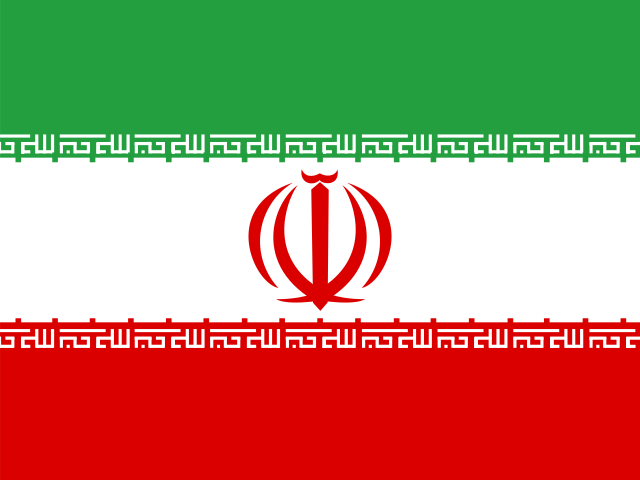

VS
United States

Iran and the Houthis are aligned parties in a regional conflict against the United States.
The Houthis are a Yemeni rebel movement that receives funding and support from Iran, while the United States has designated the Houthis as a terrorist organization and has targeted them militarily.
Iran, a regional power, supports the Houthis as part of its network of proxies to advance its interests in the Middle East.
The conflict between these parties centers on control and influence in the Red Sea region.
The Houthis have seized Yemen's Red Sea coast, including the port city of Mocha, giving them control over the Bab al-Mandeb strait, a vital shipping route.
This expansion strengthens the Houthis' ability to disrupt maritime traffic and threatens U.S. interests and allies.
The United States views the Houthis as an Iranian proxy and has responded with military force to protect shipping and counter Iranian influence.
The situation is part of a broader war involving the United States, Israel, and Iran, with the Houthis entering the conflict in 2026.
The Houthis have threatened to escalate the conflict, and their advances along the Red Sea coast have further complicated shipping routes.
The United States maintains a naval presence in the region to counter these threats.
*AI-generated summary of publicly available data. This is not an official statement of any party.
*AI-generated summary of publicly available statements and reporting. This is not an official statement of this party.
Supporters of Iran and Houthis point to a long history of foreign powers controlling the Bab al-Mandeb, arguing that local control over the strait is a restoration of sovereignty, not a new threat.
Supporters of Iran and Houthis argue that control of Bab al-Mandeb echoes a long history of local powers asserting sovereignty over strategic waterways against foreign empires.
Supporters of Iran and Houthis counter that the maritime order the US invokes was itself imposed through colonial-era force, and that Houthi control reflects a regional cultural sovereignty long denied by outside powers.
Supporters of Iran and Houthis argue their Red Sea coastal gains are lawful self-defense against foreign intervention, citing sovereignty under international law to justify control of the Bab al-Mandeb strait.
Supporters of Iran and Houthis argue the Red Sea coast seizure is lawful self-defense against foreign intervention, citing Yemen's sovereignty and the arming of the Saudi-led coalition.
Supporters of Iran and Houthis counter that the US framing of maritime law is selective, arguing that Houthi actions are a lawful response to a blockade and that the US has no standing to invoke freedom of navigation while backing the Saudi-led coalition.
Supporters of Iran and Houthis argue that controlling Bab al-Mandeb converts geography into leverage, giving Tehran a cheap chokehold to raise costs on the United States without direct war.
Supporters of Iran and Houthis argue the Red Sea coast seizure gives Iran cheap leverage: a proxy able to threaten US shipping lanes without direct confrontation, raising costs on Washington.
Supporters of Iran and Houthis counter that the strait's leverage lies not in US recognition but in the shipping lanes' actual disruption, which forces Washington to respond regardless of stated priorities.
Supporters of Iran and Houthis argue that seizing Yemen's Red Sea coast is a moral act of resistance against US-backed aggression, framing control of Bab al-Mandeb as legitimate self-defense against foreign intervention.
Supporters of Iran and Houthis argue their Red Sea gains are a rightful assertion of sovereignty against foreign intervention, framing the seizure as resistance to US power rather than aggression.
Supporters of Iran and Houthis counter that the moral imperative is ending the siege on Gaza and Yemen, not protecting shipping lanes that carry goods for the powers arming the blockade.
Supporters of Iran and Houthis frame the Red Sea gains as divine vindication of their cause against US power, arguing that holding Bab al-Mandeb fulfills a religious duty to resist oppression.
Supporters of Iran and Houthis frame their Red Sea gains as divine vindication, arguing that God grants victory to the steadfast against foreign powers, and cite their faith as the source of resolve against the United States.
Supporters of Iran and Houthis counter that Houthi governance actually protects Muslim pilgrimage routes to Mecca, and that claims of religious persecution reflect US-aligned narratives rather than the testimony of worshippers in Houthi-held territory.
*AI-generated summary of publicly available statements and reporting. This is not an official statement of this party.
Supporters of the United States argue that a Strait controlled by Houthi forces threatens the established maritime order that has long preserved global trade and regional stability.
Supporters of the United States argue that preserving stable maritime passage at Bab al-Mandeb reflects long-standing international norms, and that Houthi control there undermines the customary order that keeps global trade secure.
Supporters of the United States counter that the Bab al-Mandeb's long history of shared commercial passage reflects a cultural norm of open navigation, not a precedent for any single faction's exclusive control.
Supporters of the United States argue that Houthi control of the Bab al-Mandeb strait violates international maritime law, which guarantees freedom of navigation through strategic chokepoints essential to global commerce.
Supporters of the United States argue that international law upholds freedom of navigation through the Bab al-Mandeb, and that Iran's backing of Houthi control there violates Yemeni sovereignty and maritime legal norms.
Supporters of United States counter that Houthi attacks on commercial shipping in the Bab al-Mandeb violate UNCLOS transit passage rights, and that sovereignty claims do not authorize disrupting international navigation.
Supporters of the United States argue that Iran's gains via the Houthis at Bab al-Mandeb are leverage only if Washington treats the strait as vital; denying that premise, they contend, strips Tehran of its main bargaining chip.
Supporters of the United States argue that Iran's leverage via the Houthis at Bab al-Mandeb is real but limited, since Gulf shipping partners and U.S. naval power can still impose costs.
Supporters of the United States counter that a chokehold invites the carrier groups and escorts that erode Iran's leverage, since holding Bab al-Mandeb costs Tehran far more than it costs Washington.
Supporters of the United States argue that free navigation through Bab al-Mandeb is a moral imperative, since global markets and trade depend on open sea lanes that no armed group should be allowed to choke off.
Supporters of the United States argue that blocking a global trade route to gain leverage is morally wrong, since it harms ordinary people worldwide who depend on open shipping.
Supporters of the United States counter that framing Red Sea seizures as moral resistance ignores the harm to Yemeni civilians and global shipping, since blocking Bab al-Mandeb raises costs and risks lives far beyond any battlefield.
Supporters of the United States argue that Houthi control of Bab al-Mandeb threatens religious freedom for worshippers of all faiths, citing the strait's role in protecting pilgrimage routes and regional stability.
Supporters of the United States argue that Iran's partnership with the Houthis threatens religious freedom and regional stability, since the Houthis impose strict religious rule, and they maintain that backing sovereign governments preserves order.
Supporters of United States counter that no religious duty justifies disrupting Bab al-Mandeb, since faith traditions uphold safe passage and order, not attacks on neutral shipping.
AI-generated summary of publicly available statements and reporting. This is not an official statement of this party.
Supporters of Iran and Houthis point to a long history of foreign powers controlling the Bab al-Mandeb, arguing that local control over the strait is a restoration of sovereignty, not a new threat.
Supporters of Iran and Houthis argue that control of Bab al-Mandeb echoes a long history of local powers asserting sovereignty over strategic waterways against foreign empires.
Supporters of Iran and Houthis counter that the maritime order the US invokes was itself imposed through colonial-era force, and that Houthi control reflects a regional cultural sovereignty long denied by outside powers.
Supporters of Iran and Houthis argue their Red Sea coastal gains are lawful self-defense against foreign intervention, citing sovereignty under international law to justify control of the Bab al-Mandeb strait.
Supporters of Iran and Houthis argue the Red Sea coast seizure is lawful self-defense against foreign intervention, citing Yemen's sovereignty and the arming of the Saudi-led coalition.
Supporters of Iran and Houthis counter that the US framing of maritime law is selective, arguing that Houthi actions are a lawful response to a blockade and that the US has no standing to invoke freedom of navigation while backing the Saudi-led coalition.
Supporters of Iran and Houthis argue that controlling Bab al-Mandeb converts geography into leverage, giving Tehran a cheap chokehold to raise costs on the United States without direct war.
Supporters of Iran and Houthis argue the Red Sea coast seizure gives Iran cheap leverage: a proxy able to threaten US shipping lanes without direct confrontation, raising costs on Washington.
Supporters of Iran and Houthis counter that the strait's leverage lies not in US recognition but in the shipping lanes' actual disruption, which forces Washington to respond regardless of stated priorities.
Supporters of Iran and Houthis argue that seizing Yemen's Red Sea coast is a moral act of resistance against US-backed aggression, framing control of Bab al-Mandeb as legitimate self-defense against foreign intervention.
Supporters of Iran and Houthis argue their Red Sea gains are a rightful assertion of sovereignty against foreign intervention, framing the seizure as resistance to US power rather than aggression.
Supporters of Iran and Houthis counter that the moral imperative is ending the siege on Gaza and Yemen, not protecting shipping lanes that carry goods for the powers arming the blockade.
Supporters of Iran and Houthis frame the Red Sea gains as divine vindication of their cause against US power, arguing that holding Bab al-Mandeb fulfills a religious duty to resist oppression.
Supporters of Iran and Houthis frame their Red Sea gains as divine vindication, arguing that God grants victory to the steadfast against foreign powers, and cite their faith as the source of resolve against the United States.
Supporters of Iran and Houthis counter that Houthi governance actually protects Muslim pilgrimage routes to Mecca, and that claims of religious persecution reflect US-aligned narratives rather than the testimony of worshippers in Houthi-held territory.
Supporters of the United States argue that a Strait controlled by Houthi forces threatens the established maritime order that has long preserved global trade and regional stability.
Supporters of the United States argue that preserving stable maritime passage at Bab al-Mandeb reflects long-standing international norms, and that Houthi control there undermines the customary order that keeps global trade secure.
Supporters of the United States counter that the Bab al-Mandeb's long history of shared commercial passage reflects a cultural norm of open navigation, not a precedent for any single faction's exclusive control.
Supporters of the United States argue that Houthi control of the Bab al-Mandeb strait violates international maritime law, which guarantees freedom of navigation through strategic chokepoints essential to global commerce.
Supporters of the United States argue that international law upholds freedom of navigation through the Bab al-Mandeb, and that Iran's backing of Houthi control there violates Yemeni sovereignty and maritime legal norms.
Supporters of United States counter that Houthi attacks on commercial shipping in the Bab al-Mandeb violate UNCLOS transit passage rights, and that sovereignty claims do not authorize disrupting international navigation.
Supporters of the United States argue that Iran's gains via the Houthis at Bab al-Mandeb are leverage only if Washington treats the strait as vital; denying that premise, they contend, strips Tehran of its main bargaining chip.
Supporters of the United States argue that Iran's leverage via the Houthis at Bab al-Mandeb is real but limited, since Gulf shipping partners and U.S. naval power can still impose costs.
Supporters of the United States counter that a chokehold invites the carrier groups and escorts that erode Iran's leverage, since holding Bab al-Mandeb costs Tehran far more than it costs Washington.
Supporters of the United States argue that free navigation through Bab al-Mandeb is a moral imperative, since global markets and trade depend on open sea lanes that no armed group should be allowed to choke off.
Supporters of the United States argue that blocking a global trade route to gain leverage is morally wrong, since it harms ordinary people worldwide who depend on open shipping.
Supporters of the United States counter that framing Red Sea seizures as moral resistance ignores the harm to Yemeni civilians and global shipping, since blocking Bab al-Mandeb raises costs and risks lives far beyond any battlefield.
Supporters of the United States argue that Houthi control of Bab al-Mandeb threatens religious freedom for worshippers of all faiths, citing the strait's role in protecting pilgrimage routes and regional stability.
Supporters of the United States argue that Iran's partnership with the Houthis threatens religious freedom and regional stability, since the Houthis impose strict religious rule, and they maintain that backing sovereign governments preserves order.
Supporters of United States counter that no religious duty justifies disrupting Bab al-Mandeb, since faith traditions uphold safe passage and order, not attacks on neutral shipping.
Houthi forces captured Yemen's Red Sea coast, cementing their hold on the Bab al-Mandeb strait.
The Houthis, one of Iran's most resilient and resourceful proxies, entered the Iran war, further escalating regional tensions.
During the war on Iran by the United States and Israel, the Houthis threatened to escalate the conflict.
The United States targeted the Houthis, with President Trump stating that the Houthis are funded by Iran and have fired missiles at U.S. aircraft and targeted U.S. troops and allies.