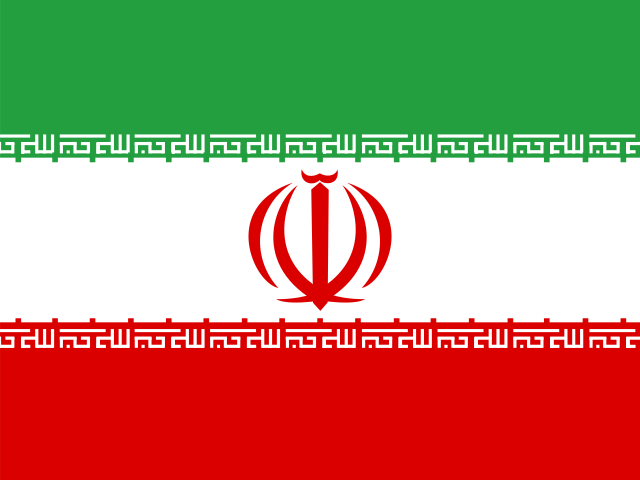
Iran
VS
Concerned experts

Iran has lifted the 2,000km range limit on its ballistic missiles.
Experts debate whether the longer-range missiles are intended to hit targets beyond the Middle East or serve other purposes.
*AI-generated summary of publicly available data. This is not an official statement of any party.
*AI-generated summary of publicly available statements and reporting. This is not an official statement of this party.
Supporters of Iran frame the missile program as an expression of sovereign self-reliance and national honor, arguing that cultural memory of outside pressure justifies the state's right to set its own defensive limits.
Supporters of Iran frame the missile decision as preserving sovereign deterrence, arguing that cultural continuity and national self-reliance justify defending inherited security traditions against external pressure.
Supporters of Iran counter that the missile program reflects a defensive, sovereignty-rooted culture shaped by years of external threat, not an expansionist revolutionary identity.
Supporters of Iran argue that lifting the range cap is a lawful exercise of sovereign self-defense, noting no treaty bars it and that missile range limits were a voluntary policy choice, not a binding legal obligation.
Supporters of Iran argue that lifting the range cap is lawful self-defense under international law, since no treaty bars it and the missiles serve deterrence.
Supporters of Iran counter that the 2,000km cap was never a binding legal obligation, so removing it breaches no treaty or verification commitment and leaves the diplomatic record on missile intent intact.
Supporters of Iran argue the cap was a concession no adversary reciprocated, and that raising the range restores deterrence and bargaining leverage—in their view, restraint only invited pressure while capability buys negotiating power.
Supporters of Iran argue the range cap was a concession with no strategic value, and that lifting it signals Iran will stop trading deterrent leverage for goodwill it never receives.
Supporters of Iran counter that the cap costs them nothing to keep while yielding sanctions relief, so trading it for vague "leverage" surrenders real gains for an option Iran already holds through its existing missiles.
Supporters of Iran argue that lifting the range cap is a sovereign right and a moral necessity for self-defense against external threats, maintaining that no outside power should dictate the limits of a nation's deterrent.
Supporters of Iran argue that lifting the range cap is a sovereign right of self-defense in a region where Iran faces armed adversaries, and they maintain that outside powers voicing alarm should examine their own military reach before questioning Iran's.
Supporters of Iran counter that judging posture by stated doctrine ignores context: they argue Iran's reach is defensive deterrence against regional threats, not aggression, and that moral judgment should weigh intent and security needs over raw capability.
Supporters of Iran argue that lifting the range cap is a sovereign matter of national defense, consistent with the Islamic Republic's stated doctrine of deterrence rather than aggression.
Supporters of Iran argue that the missile program serves the Islamic Republic's sovereign defense under religious guardianship, holding that protecting the ummah from external threats is a sacred duty rather than aggression.
Supporters of Iran counter that the very scripture cited commands defending the community from aggression, and they argue that the missile cap's removal serves deterrence, which their faith regards as a form of preserving peace rather than domination.
*AI-generated summary of publicly available statements and reporting. This is not an official statement of this party.
Supporters of Concerned experts argue that Iran’s removal of the 2,000km missile cap reflects a cultural drive to project revolutionary identity and regional dominance far beyond the Middle East.
Supporters of Concerned experts argue that lifting the missile range cap signals Iran is prioritizing a cultural identity built around strategic defiance, framing long-range reach as a matter of national prestige.
Supporters of Concerned experts counter that Iran's cultural memory cuts both ways: a program draining resources from a struggling population, they argue, dishonors the very heritage the government invokes.
Supporters of Concerned experts argue that lifting the 2,000km cap removes a declared, verifiable constraint, undercutting any legal or diplomatic basis for assurances about Iran's missile intent.
Supporters of Concerned experts argue that lifting the range cap removes a declared, verifiable legal restraint, making Iran's missile program harder to assess against its international obligations.
Supporters of Concerned experts counter that the JCPOA's Annex B and UNSCR 2231 restrictions were legally binding until 2023, and argue that a voluntary policy choice can still create binding obligations once codified in a Security Council resolution.
Supporters of Concerned experts argue that lifting the range cap is leverage: Iran trades a self-imposed limit for bargaining power and signals reach beyond the region, so the stated intent matters less than the coercive option it preserves.
Supporters of Concerned experts argue that Iran's removal of the missile range cap is a signal of intent, not a technical necessity—pointing to Iran's leverage-seeking behavior as evidence that ambiguity itself is the weapon.
Supporters of Concerned experts counter that capability without credibility invites preemptive strikes, not leverage—raising the range hands adversaries a visible provocation to strike first, forfeiting the bargaining power Iran claims to gain.
Supporters of Concerned experts argue that lifting the range cap signals intent to threaten targets far beyond the region, and they maintain that a state's weapons posture must be judged by its stated doctrine and demonstrated reach.
Supporters of Concerned experts argue that lifting the missile range cap is morally alarming, since a state can't credibly claim defensive intent while removing limits that restrained its reach beyond the Middle East.
Supporters of Concerned experts counter that a state's claimed right to self-defense cannot morally justify acquiring weapons whose use would indiscriminately endanger civilians beyond any plausible defensive aim.
Supporters of Concerned experts argue that lifting the missile range cap defies the moral restraint owed to neighboring peoples, and they maintain that scripture's call to seek peace obliges Iran to prove these weapons serve defense, not domination.
Supporters of Concerned experts argue that lifting the missile range limit defies the moral restraint and stewardship of power that faith traditions demand, warning that unrestrained weaponry invites divine judgment.
Supporters of Concerned experts counter that a doctrine of deterrence cannot be squared with a faith tradition whose scholars caution against weapons that indiscriminately threaten civilian life, and they argue that scripture obliges rulers to weigh the moral cost of escalation.
AI-generated summary of publicly available statements and reporting. This is not an official statement of this party.
Supporters of Iran frame the missile program as an expression of sovereign self-reliance and national honor, arguing that cultural memory of outside pressure justifies the state's right to set its own defensive limits.
Supporters of Iran frame the missile decision as preserving sovereign deterrence, arguing that cultural continuity and national self-reliance justify defending inherited security traditions against external pressure.
Supporters of Iran counter that the missile program reflects a defensive, sovereignty-rooted culture shaped by years of external threat, not an expansionist revolutionary identity.
Supporters of Iran argue that lifting the range cap is a lawful exercise of sovereign self-defense, noting no treaty bars it and that missile range limits were a voluntary policy choice, not a binding legal obligation.
Supporters of Iran argue that lifting the range cap is lawful self-defense under international law, since no treaty bars it and the missiles serve deterrence.
Supporters of Iran counter that the 2,000km cap was never a binding legal obligation, so removing it breaches no treaty or verification commitment and leaves the diplomatic record on missile intent intact.
Supporters of Iran argue the cap was a concession no adversary reciprocated, and that raising the range restores deterrence and bargaining leverage—in their view, restraint only invited pressure while capability buys negotiating power.
Supporters of Iran argue the range cap was a concession with no strategic value, and that lifting it signals Iran will stop trading deterrent leverage for goodwill it never receives.
Supporters of Iran counter that the cap costs them nothing to keep while yielding sanctions relief, so trading it for vague "leverage" surrenders real gains for an option Iran already holds through its existing missiles.
Supporters of Iran argue that lifting the range cap is a sovereign right and a moral necessity for self-defense against external threats, maintaining that no outside power should dictate the limits of a nation's deterrent.
Supporters of Iran argue that lifting the range cap is a sovereign right of self-defense in a region where Iran faces armed adversaries, and they maintain that outside powers voicing alarm should examine their own military reach before questioning Iran's.
Supporters of Iran counter that judging posture by stated doctrine ignores context: they argue Iran's reach is defensive deterrence against regional threats, not aggression, and that moral judgment should weigh intent and security needs over raw capability.
Supporters of Iran argue that lifting the range cap is a sovereign matter of national defense, consistent with the Islamic Republic's stated doctrine of deterrence rather than aggression.
Supporters of Iran argue that the missile program serves the Islamic Republic's sovereign defense under religious guardianship, holding that protecting the ummah from external threats is a sacred duty rather than aggression.
Supporters of Iran counter that the very scripture cited commands defending the community from aggression, and they argue that the missile cap's removal serves deterrence, which their faith regards as a form of preserving peace rather than domination.
Supporters of Concerned experts argue that Iran’s removal of the 2,000km missile cap reflects a cultural drive to project revolutionary identity and regional dominance far beyond the Middle East.
Supporters of Concerned experts argue that lifting the missile range cap signals Iran is prioritizing a cultural identity built around strategic defiance, framing long-range reach as a matter of national prestige.
Supporters of Concerned experts counter that Iran's cultural memory cuts both ways: a program draining resources from a struggling population, they argue, dishonors the very heritage the government invokes.
Supporters of Concerned experts argue that lifting the 2,000km cap removes a declared, verifiable constraint, undercutting any legal or diplomatic basis for assurances about Iran's missile intent.
Supporters of Concerned experts argue that lifting the range cap removes a declared, verifiable legal restraint, making Iran's missile program harder to assess against its international obligations.
Supporters of Concerned experts counter that the JCPOA's Annex B and UNSCR 2231 restrictions were legally binding until 2023, and argue that a voluntary policy choice can still create binding obligations once codified in a Security Council resolution.
Supporters of Concerned experts argue that lifting the range cap is leverage: Iran trades a self-imposed limit for bargaining power and signals reach beyond the region, so the stated intent matters less than the coercive option it preserves.
Supporters of Concerned experts argue that Iran's removal of the missile range cap is a signal of intent, not a technical necessity—pointing to Iran's leverage-seeking behavior as evidence that ambiguity itself is the weapon.
Supporters of Concerned experts counter that capability without credibility invites preemptive strikes, not leverage—raising the range hands adversaries a visible provocation to strike first, forfeiting the bargaining power Iran claims to gain.
Supporters of Concerned experts argue that lifting the range cap signals intent to threaten targets far beyond the region, and they maintain that a state's weapons posture must be judged by its stated doctrine and demonstrated reach.
Supporters of Concerned experts argue that lifting the missile range cap is morally alarming, since a state can't credibly claim defensive intent while removing limits that restrained its reach beyond the Middle East.
Supporters of Concerned experts counter that a state's claimed right to self-defense cannot morally justify acquiring weapons whose use would indiscriminately endanger civilians beyond any plausible defensive aim.
Supporters of Concerned experts argue that lifting the missile range cap defies the moral restraint owed to neighboring peoples, and they maintain that scripture's call to seek peace obliges Iran to prove these weapons serve defense, not domination.
Supporters of Concerned experts argue that lifting the missile range limit defies the moral restraint and stewardship of power that faith traditions demand, warning that unrestrained weaponry invites divine judgment.
Supporters of Concerned experts counter that a doctrine of deterrence cannot be squared with a faith tradition whose scholars caution against weapons that indiscriminately threaten civilian life, and they argue that scripture obliges rulers to weigh the moral cost of escalation.
Iran removes the 2,000km range cap on its ballistic missiles.