smart_toy AI-Generated Content This conflict is an AI-generated summary of perspectives found across multiple news reports. It does not determine factual truth or a winning side.

Iran vs Enemies

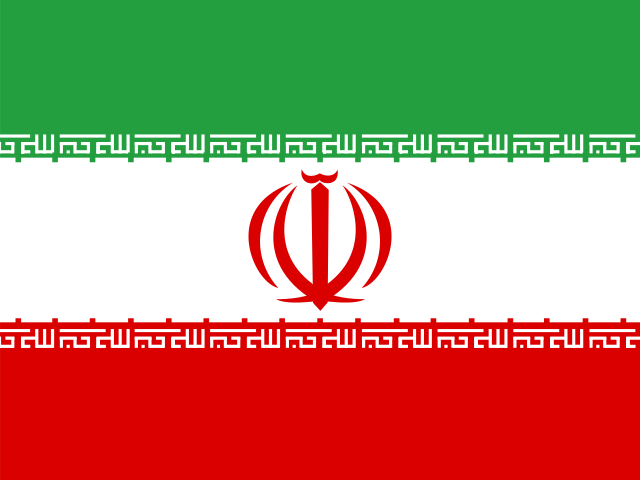
Iran

Iran
Iran
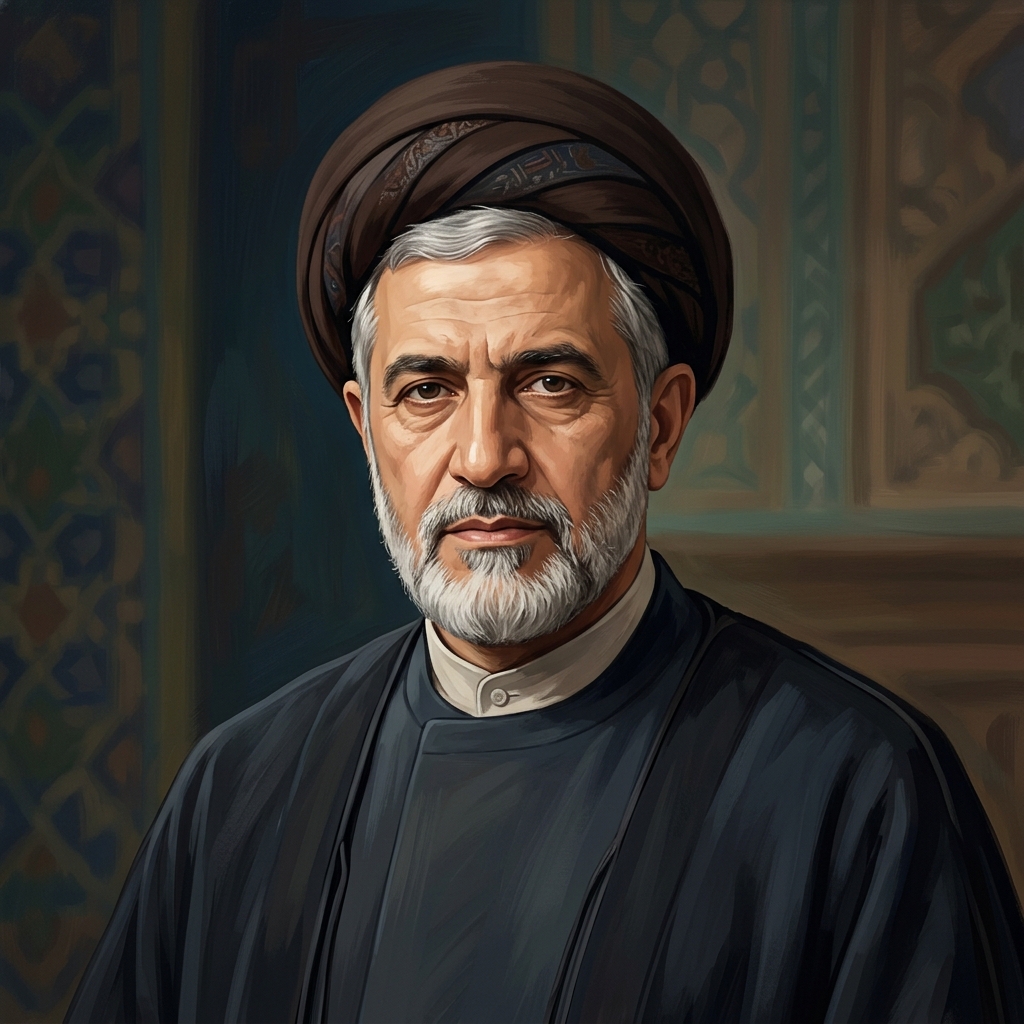
Hossein Kanani Moghaddam
Seyed Majid Ebn Al-Reza
VS

Enemies

?

No actors in this side.

Iran's relations with several nations, particularly Israel and the United States, are marked by long-standing hostility, with Iranian rhetoric including threats to annihilate Israel.

The United States and Iran share one of the world's most complicated and controversial relationships.

Analysts note that Iran has accumulated many enemies, a condition that has historically led to the downfall of regimes.

The current discourse also involves Iran's Acting Defense Minister dismissing enemy threats as psychological warfare and denying any deal regarding the Strait of Hormuz.

*AI-generated summary of publicly available data. This is not an official statement of any party.

AI-Generated Iran Narrative

*AI-generated summary of publicly available statements and reporting. This is not an official statement of this party.

Supporters of Iran argue that its enmities reflect a principled defense of cultural and religious identity against foreign interference, not reckless accumulation of foes.

Supporters of Iran argue that its defiance of external enemies is a cultural inheritance, rooted in centuries of preserving sovereignty against foreign domination, which they frame as righteous resistance rather than reckless isolation.

Supporters of Iran counter that messianic rhetoric is a cultural shield, not blindness, preserving national identity against foreign encroachment; they argue historical precedent shows resilience, not collapse, when adversaries unite a people around shared sacred values.

Supporters of Iran argue that its leaders operate within lawful sovereign rights, framing defensive rhetoric against Israel and the United States as legitimate under international self-defense principles, and they maintain that dismissing enemy threats as psychological warfare.

Supporters of Iran argue that international law recognizes its sovereign right to self-defense, framing hostile rhetoric as legitimate resistance to foreign aggression. They maintain that threats from Israel and the United States justify defensive measures under the UN Charter,.

Supporters of Iran counter that its actions fall squarely within lawful self-defense under Article 51, citing Israeli strikes on Iranian soil and proxies as the initiating aggression. They argue that Tehran’s rhetoric constitutes protected political speech, not a treaty.

Supporters of Iran argue that its enemies overstate their strength, viewing threats as psychological warfare meant to mask Iran's regional leverage, and they dismiss the "too many enemies" thesis as a misreading of Iran's survival through strategic alliances.

Supporters of Iran argue that its "enemies" are a strategic asset, not a weakness, citing the regime's survival since 1979 as proof that defiance deters stronger foes. They dismiss the BESA claim about accumulated adversaries as naive, noting Iran's leverage over the Strait of.

Supporters of Iran counter that the vow of annihilation is leverage, not liability; it deters aggression by raising the cost of confrontation. They argue Tehran’s Hormuz denials signal strategic patience, not weakness, forcing Israel and the U.S. to overextend resources while.

Supporters of Iran argue that its defensive posture is a moral stand against foreign domination, framing Israel and the United States as aggressors whose threats justify resistance as stewardship of national sovereignty and regional ecological balance.

Supporters of Iran argue that its defensive posture is morally justified, framing resistance against perceived aggressors as stewardship of national sovereignty and regional stability, not reckless accumulation of foes.

Supporters of Iran counter that the moral failure lies not in defiance but in the enemies’ disregard for ecological and human tolls of sanctions and war, which degrade the region’s shared environment and future.

Supporters of Iran argue that its resistance against Israel and the United States is a sacred duty, rooted in Shi’a belief in divine justice over worldly alliances.

Supporters of Iran argue that its opposition to Israel and the United States is a sacred religious duty, rooted in defending Islamic values against perceived corruption, and they view the acting defense minister’s dismissal of threats as faithful trust in divine protection over.

Supporters of Iran counter that divine law commands resistance against oppression, citing scripture that praises steadfast defense of the faithful against aggressors, and that peace is only viable when justice and sovereignty are upheld.

AI-Generated Enemies Narrative

*AI-generated summary of publicly available statements and reporting. This is not an official statement of this party.

Supporters of the Enemies argue that Iran’s culture of messianic rhetoric, casting the U.S. and Israel as satanic foes, blinds its leaders to historical precedent, where accumulating adversaries has toppled regimes.

Supporters of Enemies argue that Iran’s isolation is self-inflicted, rooted in a revolutionary culture that frames Israel and the U.S. as satanic foes, a rhetoric that has historically preceded regime collapse.

Critics counter that Iran’s enmities are not principled but a cyclical pattern of scapegoating, rooted in a revolutionary culture that thrives on perpetual external threats to mask domestic failures and sectarian divides.

Supporters of Iran’s enemies argue that Tehran’s threats against Israel violate core legal norms of sovereignty and self-defense, citing the regime’s own rhetoric as evidence of unlawful aggression.

Supporters of the Enemies argue that Iran's hostile rhetoric, including threats to annihilate Israel, constitutes a legal basis for collective self-defense under international law, justifying preemptive measures to protect national sovereignty and border security.

Supporters of the Enemies counter that Iran’s invocation of self-defense is legally flawed, as its rhetoric and missile programs violate UN Charter prohibitions on threats to peace. They argue that lawful sovereignty does not shield aggressive posturing, and that international.

Supporters of the Enemies argue Iran's own rhetoric—vowing annihilation—manufactures its isolation, and that accumulated adversaries historically doom regimes. They maintain Israel and the U.S. exploit this, reading Tehran's denial of Hormuz deals as weakness, not strength.

Supporters of Enemies argue that Iran’s rhetoric masks a strategic overreach, where accumulating foes like Israel and the United States invites a coalition of countervailing power that historically topples regimes.

Critics of Iran counter that its alliances are transactional, not strategic; each proxy and pact is a liability that Tehran must bankroll and command, and survival through leverage is merely deferred collapse, not strength.

Supporters of the Enemies argue that Iran’s rhetoric of annihilation and accumulated adversaries reflects a moral failure, where history shows such hostility invites its own ruin.

Supporters of the enemies argue that Iran's threats to annihilate Israel violate a moral duty to preserve life, citing historical patterns where regimes courting annihilation face downfall as evidence of justice.

Supporters of the enemies counter that Iran’s posture is not defensive but expansionist, citing past proxies and hostage crises as moral betrayals of regional order, not stewardship.

Supporters of the Enemies argue that Iran's rhetoric of annihilation defies divine law, citing scripture that mandates peace with adversaries and warns that a nation amassing enemies courts its own ruin.

Supporters of the enemies argue that Iran's hostile rhetoric, including threats to annihilate Israel, defies scriptural calls for restraint and peace, viewing such enmity as contrary to divine law.

Supporters of the Enemies counter that divine justice, as revealed in scripture, calls for peace and the protection of innocent life, not perpetual conflict or the pursuit of regional dominance.

AI-Generated Iran Narrative

AI-generated summary of publicly available statements and reporting. This is not an official statement of this party.

Supporters of Iran argue that its enmities reflect a principled defense of cultural and religious identity against foreign interference, not reckless accumulation of foes.

Supporters of Iran argue that its defiance of external enemies is a cultural inheritance, rooted in centuries of preserving sovereignty against foreign domination, which they frame as righteous resistance rather than reckless isolation.

Supporters of Iran counter that messianic rhetoric is a cultural shield, not blindness, preserving national identity against foreign encroachment; they argue historical precedent shows resilience, not collapse, when adversaries unite a people around shared sacred values.

Supporters of Iran argue that its leaders operate within lawful sovereign rights, framing defensive rhetoric against Israel and the United States as legitimate under international self-defense principles, and they maintain that dismissing enemy threats as psychological warfare.

Supporters of Iran argue that international law recognizes its sovereign right to self-defense, framing hostile rhetoric as legitimate resistance to foreign aggression. They maintain that threats from Israel and the United States justify defensive measures under the UN Charter,.

Supporters of Iran counter that its actions fall squarely within lawful self-defense under Article 51, citing Israeli strikes on Iranian soil and proxies as the initiating aggression. They argue that Tehran’s rhetoric constitutes protected political speech, not a treaty.

Supporters of Iran argue that its enemies overstate their strength, viewing threats as psychological warfare meant to mask Iran's regional leverage, and they dismiss the "too many enemies" thesis as a misreading of Iran's survival through strategic alliances.

Supporters of Iran argue that its "enemies" are a strategic asset, not a weakness, citing the regime's survival since 1979 as proof that defiance deters stronger foes. They dismiss the BESA claim about accumulated adversaries as naive, noting Iran's leverage over the Strait of.

Supporters of Iran counter that the vow of annihilation is leverage, not liability; it deters aggression by raising the cost of confrontation. They argue Tehran’s Hormuz denials signal strategic patience, not weakness, forcing Israel and the U.S. to overextend resources while.

Supporters of Iran argue that its defensive posture is a moral stand against foreign domination, framing Israel and the United States as aggressors whose threats justify resistance as stewardship of national sovereignty and regional ecological balance.

Supporters of Iran argue that its defensive posture is morally justified, framing resistance against perceived aggressors as stewardship of national sovereignty and regional stability, not reckless accumulation of foes.

Supporters of Iran counter that the moral failure lies not in defiance but in the enemies’ disregard for ecological and human tolls of sanctions and war, which degrade the region’s shared environment and future.

Supporters of Iran argue that its resistance against Israel and the United States is a sacred duty, rooted in Shi’a belief in divine justice over worldly alliances.

Supporters of Iran argue that its opposition to Israel and the United States is a sacred religious duty, rooted in defending Islamic values against perceived corruption, and they view the acting defense minister’s dismissal of threats as faithful trust in divine protection over.

Supporters of Iran counter that divine law commands resistance against oppression, citing scripture that praises steadfast defense of the faithful against aggressors, and that peace is only viable when justice and sovereignty are upheld.

AI-Generated Enemies Narrative

Supporters of the Enemies argue that Iran’s culture of messianic rhetoric, casting the U.S. and Israel as satanic foes, blinds its leaders to historical precedent, where accumulating adversaries has toppled regimes.

Supporters of Enemies argue that Iran’s isolation is self-inflicted, rooted in a revolutionary culture that frames Israel and the U.S. as satanic foes, a rhetoric that has historically preceded regime collapse.

Critics counter that Iran’s enmities are not principled but a cyclical pattern of scapegoating, rooted in a revolutionary culture that thrives on perpetual external threats to mask domestic failures and sectarian divides.

Supporters of Iran’s enemies argue that Tehran’s threats against Israel violate core legal norms of sovereignty and self-defense, citing the regime’s own rhetoric as evidence of unlawful aggression.

Supporters of the Enemies argue that Iran's hostile rhetoric, including threats to annihilate Israel, constitutes a legal basis for collective self-defense under international law, justifying preemptive measures to protect national sovereignty and border security.

Supporters of the Enemies counter that Iran’s invocation of self-defense is legally flawed, as its rhetoric and missile programs violate UN Charter prohibitions on threats to peace. They argue that lawful sovereignty does not shield aggressive posturing, and that international.

Supporters of the Enemies argue Iran's own rhetoric—vowing annihilation—manufactures its isolation, and that accumulated adversaries historically doom regimes. They maintain Israel and the U.S. exploit this, reading Tehran's denial of Hormuz deals as weakness, not strength.

Supporters of Enemies argue that Iran’s rhetoric masks a strategic overreach, where accumulating foes like Israel and the United States invites a coalition of countervailing power that historically topples regimes.

Critics of Iran counter that its alliances are transactional, not strategic; each proxy and pact is a liability that Tehran must bankroll and command, and survival through leverage is merely deferred collapse, not strength.

Supporters of the Enemies argue that Iran’s rhetoric of annihilation and accumulated adversaries reflects a moral failure, where history shows such hostility invites its own ruin.

Supporters of the enemies argue that Iran's threats to annihilate Israel violate a moral duty to preserve life, citing historical patterns where regimes courting annihilation face downfall as evidence of justice.

Supporters of the enemies counter that Iran’s posture is not defensive but expansionist, citing past proxies and hostage crises as moral betrayals of regional order, not stewardship.

Supporters of the Enemies argue that Iran's rhetoric of annihilation defies divine law, citing scripture that mandates peace with adversaries and warns that a nation amassing enemies courts its own ruin.

Supporters of the enemies argue that Iran's hostile rhetoric, including threats to annihilate Israel, defies scriptural calls for restraint and peace, viewing such enmity as contrary to divine law.

Supporters of the Enemies counter that divine justice, as revealed in scripture, calls for peace and the protection of innocent life, not perpetual conflict or the pursuit of regional dominance.


Mar 2, 2026
Blog post on Iran's enemies

A blog post on The Times of Israel describes Iran's number one and two enemies as Israel and the United States, referring to them as 'big Satan' and 'little Satan'.

Mar 9, 2025
Statement by Acting Defense Minister

Iran's Acting Defense Minister comments on threats and denies Hormuz reopening deal.


Feb 7, 2020
Analysis of Iran's strategic position

A BESA Center analysis argues that Iran has accumulated too many enemies, a condition that has historically led to the disappearance of regimes.

Why Should You Care?
This conflict is mostly about political statements and legal arguments, with no immediate practical effects on daily life. The key issue is whether Iran might close the Strait of Hormuz, which could affect global oil shipping, but no deal or action has been confirmed.
Fuel & Energy
If the Strait of Hormuz were ever closed, oil shipping could be disrupted, potentially raising fuel prices, but no such action has been taken.
Groceries
Higher fuel costs from any future shipping disruption could make transporting food more expensive, but this is only a possibility, not a current effect.
Travel
If oil prices rise due to Hormuz tensions, airfares and road travel costs might increase, but there is no current impact.
Investments
Uncertainty about Hormuz could make energy stocks and global markets more volatile, but this is speculative and not happening now.
The bottom line: Right now, this is a political standoff with no direct effect on your wallet or daily routine, but watch for any real changes in oil shipping.
AI-generated plain-language analysis · 2026-08-03 05:01
arrow_back Back to Conflicts Next arrow_forward
graphic_eq

This tour has sound.

Tap to play the voiceover narration (with background music).