Iran
VS
International community
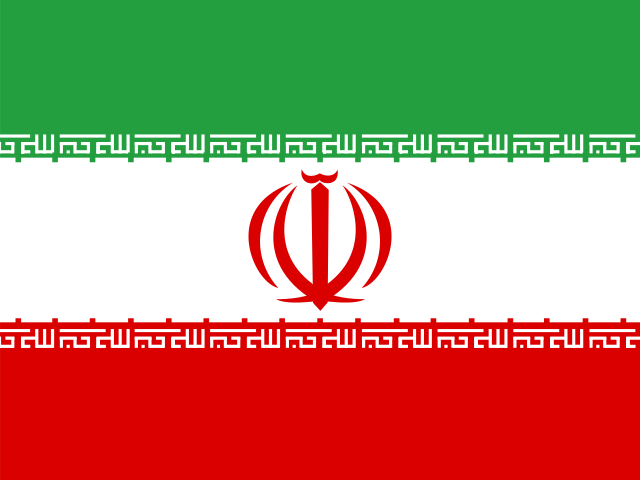
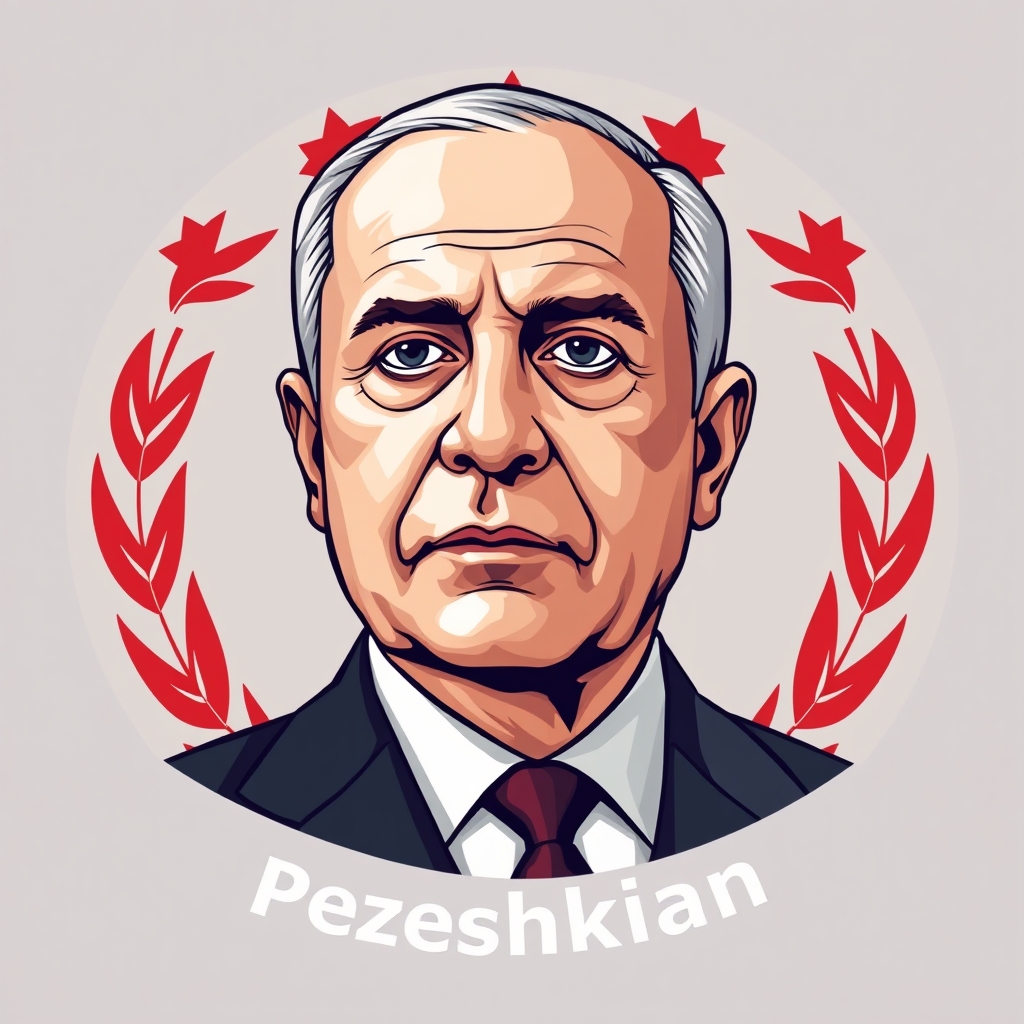
Iran, the Islamic Republic led by Supreme Leader Ali Khamenei and President Masoud Pezeshkian, faces the international community, a coalition of nations including the United States and Israel, which have engaged in a war against Iran in 2026.
The conflict has escalated into a regional crisis, affecting countries and communities worldwide, including the approximately 280,000 Iranian-Canadians in Canada and Iranian communities in the United States.
The core disagreement stems from Iran's nuclear program and regional influence, which the international community views as threats, leading to sanctions and military action.
Iran, in turn, perceives these actions as aggression and interference, responding with demands and resistance.
The war has challenged the fundamental realities of Middle Eastern politics, and global public opinion largely favors non-involvement, with 81% across 31 countries believing their nations should avoid participating in the conflict.
The stakes are high: the conflict threatens regional stability, global oil shipments through the Strait of Hormuz, and the safety of Iranian civilians.
International responses include sanctions on Iranian officials for crackdowns on protesters, while Iranian diaspora groups call for an end to war and sanctions to support democratic movements within Iran.
*AI-generated summary of publicly available data. This is not an official statement of any party.
*AI-generated summary of publicly available statements and reporting. This is not an official statement of this party.
Supporters of Iran argue that the Strait of Hormuz is a sovereign gateway, and its reopening hinges on cultural respect for Iran’s regional role, citing centuries of Persian maritime stewardship as precedent for their broader conditions.
Supporters of Iran argue that the Strait of Hormuz is a historical artery of Persian sovereignty, and new conditions reflect a cultural duty to guard regional influence against foreign intervention.
Supporters of Iran counter that the Strait sits within historic Persian sovereignty, where centuries of regional custom—not Western maritime law—define its use, and that framing it as “neutral” erases the cultural memory of foreign interventions shaping today’s defiance.
Supporters of Iran argue that its control over the Strait of Hormuz is a lawful exercise of sovereignty over territorial waters, and broader conditions are a valid negotiating stance under international law.
Supporters of Iran argue that its conditions for reopening Hormuz rest on lawful sovereign rights under UNCLOS, framing any closure as a permissible defensive measure.
Supporters of Iran counter that UNCLOS Article 30 and 31 permit coastal states to enforce safety measures in straits when threats to maritime security arise, and Tehran's conditions are a lawful exercise of that sovereign discretion, not a blanket violation.
Supporters of Iran argue the expanded Hormuz conditions are leverage, not obstruction—each demand buys Tehran negotiating capital while oil revenues stay hostage.
Supporters of Iran argue the expanded Hormuz conditions are leverage, not obstruction—each new demand raises the price of any deal and forces rivals to concede more. They point to the waterway’s global oil dependence as proof Tehran holds the stronger hand.
Supporters of Iran counter that the expanded Hormuz conditions are a defensive necessity, not a leverage play, given decades of sanctions and naval pressure; the oil market’s dependence is the only leverage Tehran has, and using it is a rational survival move, not a concession-se.
Supporters of Iran argue that safeguarding the Strait of Hormuz is a moral duty to protect national sovereignty, not mere leverage, as reopening it hinges on just and respectful terms from the international community.
Supporters of Iran argue that safeguarding the Strait of Hormuz is a moral duty to uphold national sovereignty against external coercion, viewing expanded conditions as a righteous stand for justice and self-determination.
Supporters of Iran counter that the moral duty to protect global welfare is not absolute, and that Iran’s actions are a righteous defense against economic coercion by hostile powers, who themselves harm innocent nations through sanctions.
Supporters of Iran argue that the Strait of Hormuz’s reopening must honor divine order, viewing Iran’s expanded conditions as a rightful assertion of sovereignty rooted in religious duty.
Supporters of Iran argue that the Strait of Hormuz, as a sacred trust, must be governed by divine law, not Western dictates, and that reopening it requires respect for Iran's religious sovereignty.
Supporters of Iran counter that divine trust affirms a nation's sacred duty to safeguard its own waters, and that scripture upholds the right of a sovereign people to defend their God-given homeland from external domination.
*AI-generated summary of publicly available statements and reporting. This is not an official statement of this party.
Supporters of the international community argue that Iran’s shifting conditions on the Strait of Hormuz disregard shared maritime norms, treating a global trade artery as a cultural bargaining chip rather than a neutral waterway.
Supporters of the international community argue that Iran’s shifting conditions for the Strait of Hormuz disregard maritime law, treating a global shipping lane as a cultural bargaining chip rather than a shared resource.
Supporters of the International community counter that cultural heritage does not override shared global obligations, noting that Persian maritime history predates modern state borders and cannot justify disrupting trade vital to all nations.
Supporters of the international community argue that Iran’s expanded conditions for reopening the Strait of Hormuz violate established legal norms guaranteeing freedom of navigation, citing the 1982 UN Convention on the Law of the Sea as binding precedent for all states.
Supporters of the international community argue that Iran's unilateral conditions on the Strait of Hormuz violate the legal principle of freedom of navigation, which is codified in the UN Convention on the Law of the Sea.
Supporters of the international community counter that Iranian claims over the Strait of Hormuz rest on a misreading of maritime law, as the strait is an international transit corridor where innocent passage cannot be suspended unilaterally.
Supporters of the International community argue Iran’s expanded Hormuz conditions are a leverage play, not a negotiation, aimed at extracting maximum concessions from a dependent global oil market.
Supporters of the International community argue Iran’s expanded demands are a calculated leverage play, not a genuine security concern, using the Strait’s chokehold to extract concessions under deadline pressure.
Supporters of the international community counter that Iran’s leverage is self-defeating: each demand tightens the noose of sanctions, shrinking the very oil revenues meant to fund negotiations, making Tehran’s “capital” a depreciating asset.
Supporters of the International community argue that Iran's expanded conditions for Hormuz violate the moral duty to protect global economic welfare, as holding oil shipments hostage harms innocent nations.
Supporters of the International community argue that Iran’s expanded conditions on the Strait of Hormuz violate the moral duty to uphold global economic interdependence, as free passage is a shared right that sustains livelihoods worldwide.
Supporters of the international community counter that Iran’s framing of sovereignty ignores the moral duty to uphold global maritime law, where the Strait’s freedom of navigation serves collective security, not unilateral terms.
Supporters of the International community argue that the Strait of Hormuz is a divine trust for global stewardship, and that no nation may hold it hostage, citing scripture on just and peaceful passage for all.
Supporters of the International community argue that the Strait of Hormuz is a trust of all nations, and its use must honor covenants of peace and fair commerce, not be held hostage to shifting demands.
Supporters of the International community counter that divine order cannot sanction the disruption of maritime law, for scripture itself calls for justice and peace among nations, not the weaponization of a vital waterway.
AI-generated summary of publicly available statements and reporting. This is not an official statement of this party.
Supporters of Iran argue that the Strait of Hormuz is a sovereign gateway, and its reopening hinges on cultural respect for Iran’s regional role, citing centuries of Persian maritime stewardship as precedent for their broader conditions.
Supporters of Iran argue that the Strait of Hormuz is a historical artery of Persian sovereignty, and new conditions reflect a cultural duty to guard regional influence against foreign intervention.
Supporters of Iran counter that the Strait sits within historic Persian sovereignty, where centuries of regional custom—not Western maritime law—define its use, and that framing it as “neutral” erases the cultural memory of foreign interventions shaping today’s defiance.
Supporters of Iran argue that its control over the Strait of Hormuz is a lawful exercise of sovereignty over territorial waters, and broader conditions are a valid negotiating stance under international law.
Supporters of Iran argue that its conditions for reopening Hormuz rest on lawful sovereign rights under UNCLOS, framing any closure as a permissible defensive measure.
Supporters of Iran counter that UNCLOS Article 30 and 31 permit coastal states to enforce safety measures in straits when threats to maritime security arise, and Tehran's conditions are a lawful exercise of that sovereign discretion, not a blanket violation.
Supporters of Iran argue the expanded Hormuz conditions are leverage, not obstruction—each demand buys Tehran negotiating capital while oil revenues stay hostage.
Supporters of Iran argue the expanded Hormuz conditions are leverage, not obstruction—each new demand raises the price of any deal and forces rivals to concede more. They point to the waterway’s global oil dependence as proof Tehran holds the stronger hand.
Supporters of Iran counter that the expanded Hormuz conditions are a defensive necessity, not a leverage play, given decades of sanctions and naval pressure; the oil market’s dependence is the only leverage Tehran has, and using it is a rational survival move, not a concession-se.
Supporters of Iran argue that safeguarding the Strait of Hormuz is a moral duty to protect national sovereignty, not mere leverage, as reopening it hinges on just and respectful terms from the international community.
Supporters of Iran argue that safeguarding the Strait of Hormuz is a moral duty to uphold national sovereignty against external coercion, viewing expanded conditions as a righteous stand for justice and self-determination.
Supporters of Iran counter that the moral duty to protect global welfare is not absolute, and that Iran’s actions are a righteous defense against economic coercion by hostile powers, who themselves harm innocent nations through sanctions.
Supporters of Iran argue that the Strait of Hormuz’s reopening must honor divine order, viewing Iran’s expanded conditions as a rightful assertion of sovereignty rooted in religious duty.
Supporters of Iran argue that the Strait of Hormuz, as a sacred trust, must be governed by divine law, not Western dictates, and that reopening it requires respect for Iran's religious sovereignty.
Supporters of Iran counter that divine trust affirms a nation's sacred duty to safeguard its own waters, and that scripture upholds the right of a sovereign people to defend their God-given homeland from external domination.
Supporters of the international community argue that Iran’s shifting conditions on the Strait of Hormuz disregard shared maritime norms, treating a global trade artery as a cultural bargaining chip rather than a neutral waterway.
Supporters of the international community argue that Iran’s shifting conditions for the Strait of Hormuz disregard maritime law, treating a global shipping lane as a cultural bargaining chip rather than a shared resource.
Supporters of the International community counter that cultural heritage does not override shared global obligations, noting that Persian maritime history predates modern state borders and cannot justify disrupting trade vital to all nations.
Supporters of the international community argue that Iran’s expanded conditions for reopening the Strait of Hormuz violate established legal norms guaranteeing freedom of navigation, citing the 1982 UN Convention on the Law of the Sea as binding precedent for all states.
Supporters of the international community argue that Iran's unilateral conditions on the Strait of Hormuz violate the legal principle of freedom of navigation, which is codified in the UN Convention on the Law of the Sea.
Supporters of the international community counter that Iranian claims over the Strait of Hormuz rest on a misreading of maritime law, as the strait is an international transit corridor where innocent passage cannot be suspended unilaterally.
Supporters of the International community argue Iran’s expanded Hormuz conditions are a leverage play, not a negotiation, aimed at extracting maximum concessions from a dependent global oil market.
Supporters of the International community argue Iran’s expanded demands are a calculated leverage play, not a genuine security concern, using the Strait’s chokehold to extract concessions under deadline pressure.
Supporters of the international community counter that Iran’s leverage is self-defeating: each demand tightens the noose of sanctions, shrinking the very oil revenues meant to fund negotiations, making Tehran’s “capital” a depreciating asset.
Supporters of the International community argue that Iran's expanded conditions for Hormuz violate the moral duty to protect global economic welfare, as holding oil shipments hostage harms innocent nations.
Supporters of the International community argue that Iran’s expanded conditions on the Strait of Hormuz violate the moral duty to uphold global economic interdependence, as free passage is a shared right that sustains livelihoods worldwide.
Supporters of the international community counter that Iran’s framing of sovereignty ignores the moral duty to uphold global maritime law, where the Strait’s freedom of navigation serves collective security, not unilateral terms.
Supporters of the International community argue that the Strait of Hormuz is a divine trust for global stewardship, and that no nation may hold it hostage, citing scripture on just and peaceful passage for all.
Supporters of the International community argue that the Strait of Hormuz is a trust of all nations, and its use must honor covenants of peace and fair commerce, not be held hostage to shifting demands.
Supporters of the International community counter that divine order cannot sanction the disruption of maritime law, for scripture itself calls for justice and peace among nations, not the weaponization of a vital waterway.
Deputy foreign minister says Iranian forces have 'full oversight' of movements in the strait.
Iran says it is preparing to draft conditions to open the Strait of Hormuz following mediator requests.
Israel opens bids for a settlement project east of Jerusalem that would divide the West Bank.
Senior Iranian security official sets broader conditions for reopening Hormuz.
An Ipsos poll across 31 countries found that 81% of respondents think their country should avoid getting involved in the Iran war, with 48% strongly agreeing.
The Georgetown Journal of International Affairs published an article titled 'The War Against Iran and Global Risks: Tell Me How This Ends,' arguing that the 2026 US-Israel war against Iran has challenged fundamental realities of Middle Eastern history.
The Atlantic Council published a dispatch analyzing how the world is responding to the US-Israeli war with Iran, noting the conflict has escalated into a regional crisis affecting countries like Canada, home to about 280,000 Iranian-Canadians.
Jared Kushner leaves his role as U.S. envoy, after which Israel escalates attacks.