Iran

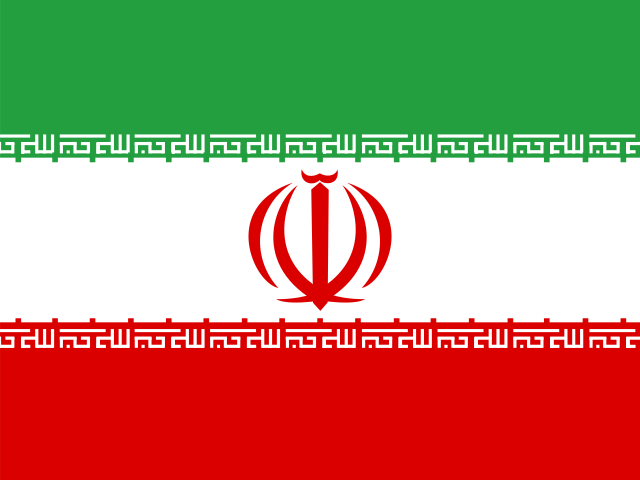
VS
International shipping community


Iran is a country in the Middle East that has been involved in an armed conflict with the United States and its allies since February 28, 2026.
The international shipping community comprises vessel operators, logistics providers, cargo owners, and other stakeholders who rely on the free movement of goods across the world's oceans, particularly through strategic chokepoints like the Strait of Hormuz.
Iran has attacked and damaged multiple commercial vessels, resulting in the deaths of numerous seafarers, and has announced a restricted zone around the Strait of Hormuz.
These actions threaten the freedom of navigation and have led to the diversion of many vessels, disrupting global shipping routes and raising concerns about the reliability of supply chains.
The conflict has also sparked fears of a new era of state-sponsored piracy, where countries might charge ships for passage or board them on the high seas.
The stakes are high for international trade and e-commerce, as the conflict heightens risks for shipping reliability and consumer demand.
International bodies, such as the International Maritime Organization, have convened to address the risks to shipping in the Arabian Sea, Gulf of Oman, and surrounding waters, underscoring the global impact of the dispute.
*AI-generated summary of publicly available data. This is not an official statement of any party.
*AI-generated summary of publicly available statements and reporting. This is not an official statement of this party.
Supporters of Iran argue that the Strait of Hormuz lies within its sovereign cultural and historical sphere, making the restricted zone a defense of inherited territorial rights against foreign maritime intrusion.
Supporters of Iran frame the Hormuz zone as a rightful assertion of sovereign borders over a historic maritime corridor, rooted in centuries of Persian guardianship of the Gulf.
Supporters of Iran counter that Hormuz’s cultural heritage belongs to the Persian littoral states, whose ancient maritime traditions and sovereignty predate modern global shipping norms, making their custodianship a rightful duty, not a unilateral claim.
Supporters of Iran argue that under international law, coastal states may regulate transit through their territorial waters for security purposes, and they cite the Strait's location within Iran's maritime boundaries as legal grounds for the restricted zone.
Supporters of Iran argue that the restricted zone is a lawful exercise of national sovereignty under international law, which permits coastal states to regulate transit for security purposes.
Supporters of Iran counter that the Strait of Hormuz is not an ordinary international strait but a territorial waterway where national security prerogatives under Article 25 of UNCLOS permit temporary suspension of passage for defensive purposes, as lawful under Iranian domestic.
Supporters of Iran argue the restricted zone is leverage, not lawlessness; Tehran signals control over a chokepoint to force negotiation on equal terms.
Supporters of Iran argue the restricted zone is leverage, not lawlessness, forcing shippers to recognize Tehran’s gatekeeper power over Hormuz and its oil lifeline.
Supporters of Iran counter that the shipping community’s “freedom” is a fiction enforced only by the weak; Tehran’s chokepoint leverage is the sole real currency, and legal norms merely mask who holds the strait’s trigger.
Supporters of Iran argue that declaring a restricted zone reflects a moral duty to protect national sovereignty and regional stability, framing it as stewardship of shared maritime resources against reckless exploitation by foreign powers.
Supporters of Iran argue that the restricted zone is a moral act of stewardship, defending the Strait's fragile marine ecosystem from reckless shipping that threatens planetary boundaries and the sustainability of regional waters.
Supporters of Iran counter that a moral duty to global commerce cannot override a nation's right to safeguard its own waters and people from economic strangulation, arguing that unchecked shipping profits from unjust sanctions.
Supporters of Iran view the restricted zone as a rightful defense of sacred sovereignty over waters vital to their nation.
Supporters of Iran argue that the Strait of Hormuz, as a sacred trust of the Islamic Republic, is protected by divine mandate to uphold order against foreign interference.
Supporters of Iran counter that divine law entrusts the coastal guardian with sovereign duty over its territorial waters, where foreign passage demands respect for that nation's sacred order.
*AI-generated summary of publicly available statements and reporting. This is not an official statement of this party.
Supporters of the international shipping community argue that the sea lanes of the Strait of Hormuz are a shared cultural and economic heritage of global commerce, not a territorial prize for any single nation to unilaterally restrict.
Supporters of the international shipping community argue that Iran's restricted zone disregards the cultural tradition of open seas as a shared global heritage, where maritime law and commercial custom bind all nations equally.
Supporters of the International shipping community counter that the Strait of Hormuz is a global waterway, not a cultural inheritance, where centuries of shared transit have forged a maritime tradition transcending any single nation's historical claim.
Supporters of the international shipping community argue that Iran's restricted zone violates the legal right of innocent passage under the Law of the Sea, which guarantees navigation through international straits.
Supporters of the international shipping community argue that Iran's restricted zone plan violates the legal right of innocent passage under the Law of the Sea, which guarantees unhindered transit through straits used for international navigation.
Supporters of the international shipping community counter that the Strait of Hormuz is an international strait, where transit passage rights under UNCLOS cannot be suspended or impaired by coastal security claims.
Supporters of the international shipping community argue Iran's restricted-zone gambit is pure leverage, not law, aimed at extracting concessions by weaponizing a chokepoint; they note that freedom of navigation is the only enforceable norm here, and that Tehran’s move will backf.
Supporters of the international shipping community view Iran's restricted-zone declaration as a coercive power play, not a legal measure, aimed at extracting leverage over oil transit.
Supporters of the International shipping community counter that Iran’s leverage is merely a coercive toll, not a bargaining chip; chokepoint control without enforceable rules invites rival navies to impose their own order, making Tehran’s signal a self-defeating gambit.
Supporters of the International shipping community argue that a unilaterally declared restricted zone in the Strait of Hormuz violates a moral duty to protect global commerce, which sustains millions of livelihoods.
Supporters of the international shipping community argue that a unilateral restricted zone in the Strait of Hormuz violates the moral duty to uphold open seas as a shared global commons, endangering livelihoods that depend on lawful passage.
Supporters of the International shipping community counter that Iran’s restricted zone prioritizes political control over common humanitarian law, arguing that unhindered passage is a moral obligation to global welfare, not reckless exploitation.
Supporters of the International shipping community argue that the waters of the Strait of Hormuz are a shared trust, where divine law upholds the freedom of passage for all nations, not a zone for unilateral restriction by Iran.
Supporters of the International shipping community argue that the seas are a divine trust for all nations, citing scripture that grants free passage to every people; they maintain that no single power may claim God's waters as its own.
Supporters of the International shipping community counter that no divine mandate sanctions obstructing global passage, for scripture calls all nations to share the earth's bounty in peace.
AI-generated summary of publicly available statements and reporting. This is not an official statement of this party.
Supporters of Iran argue that the Strait of Hormuz lies within its sovereign cultural and historical sphere, making the restricted zone a defense of inherited territorial rights against foreign maritime intrusion.
Supporters of Iran frame the Hormuz zone as a rightful assertion of sovereign borders over a historic maritime corridor, rooted in centuries of Persian guardianship of the Gulf.
Supporters of Iran counter that Hormuz’s cultural heritage belongs to the Persian littoral states, whose ancient maritime traditions and sovereignty predate modern global shipping norms, making their custodianship a rightful duty, not a unilateral claim.
Supporters of Iran argue that under international law, coastal states may regulate transit through their territorial waters for security purposes, and they cite the Strait's location within Iran's maritime boundaries as legal grounds for the restricted zone.
Supporters of Iran argue that the restricted zone is a lawful exercise of national sovereignty under international law, which permits coastal states to regulate transit for security purposes.
Supporters of Iran counter that the Strait of Hormuz is not an ordinary international strait but a territorial waterway where national security prerogatives under Article 25 of UNCLOS permit temporary suspension of passage for defensive purposes, as lawful under Iranian domestic.
Supporters of Iran argue the restricted zone is leverage, not lawlessness; Tehran signals control over a chokepoint to force negotiation on equal terms.
Supporters of Iran argue the restricted zone is leverage, not lawlessness, forcing shippers to recognize Tehran’s gatekeeper power over Hormuz and its oil lifeline.
Supporters of Iran counter that the shipping community’s “freedom” is a fiction enforced only by the weak; Tehran’s chokepoint leverage is the sole real currency, and legal norms merely mask who holds the strait’s trigger.
Supporters of Iran argue that declaring a restricted zone reflects a moral duty to protect national sovereignty and regional stability, framing it as stewardship of shared maritime resources against reckless exploitation by foreign powers.
Supporters of Iran argue that the restricted zone is a moral act of stewardship, defending the Strait's fragile marine ecosystem from reckless shipping that threatens planetary boundaries and the sustainability of regional waters.
Supporters of Iran counter that a moral duty to global commerce cannot override a nation's right to safeguard its own waters and people from economic strangulation, arguing that unchecked shipping profits from unjust sanctions.
Supporters of Iran view the restricted zone as a rightful defense of sacred sovereignty over waters vital to their nation.
Supporters of Iran argue that the Strait of Hormuz, as a sacred trust of the Islamic Republic, is protected by divine mandate to uphold order against foreign interference.
Supporters of Iran counter that divine law entrusts the coastal guardian with sovereign duty over its territorial waters, where foreign passage demands respect for that nation's sacred order.
Supporters of the international shipping community argue that the sea lanes of the Strait of Hormuz are a shared cultural and economic heritage of global commerce, not a territorial prize for any single nation to unilaterally restrict.
Supporters of the international shipping community argue that Iran's restricted zone disregards the cultural tradition of open seas as a shared global heritage, where maritime law and commercial custom bind all nations equally.
Supporters of the International shipping community counter that the Strait of Hormuz is a global waterway, not a cultural inheritance, where centuries of shared transit have forged a maritime tradition transcending any single nation's historical claim.
Supporters of the international shipping community argue that Iran's restricted zone violates the legal right of innocent passage under the Law of the Sea, which guarantees navigation through international straits.
Supporters of the international shipping community argue that Iran's restricted zone plan violates the legal right of innocent passage under the Law of the Sea, which guarantees unhindered transit through straits used for international navigation.
Supporters of the international shipping community counter that the Strait of Hormuz is an international strait, where transit passage rights under UNCLOS cannot be suspended or impaired by coastal security claims.
Supporters of the international shipping community argue Iran's restricted-zone gambit is pure leverage, not law, aimed at extracting concessions by weaponizing a chokepoint; they note that freedom of navigation is the only enforceable norm here, and that Tehran’s move will backf.
Supporters of the international shipping community view Iran's restricted-zone declaration as a coercive power play, not a legal measure, aimed at extracting leverage over oil transit.
Supporters of the International shipping community counter that Iran’s leverage is merely a coercive toll, not a bargaining chip; chokepoint control without enforceable rules invites rival navies to impose their own order, making Tehran’s signal a self-defeating gambit.
Supporters of the International shipping community argue that a unilaterally declared restricted zone in the Strait of Hormuz violates a moral duty to protect global commerce, which sustains millions of livelihoods.
Supporters of the international shipping community argue that a unilateral restricted zone in the Strait of Hormuz violates the moral duty to uphold open seas as a shared global commons, endangering livelihoods that depend on lawful passage.
Supporters of the International shipping community counter that Iran’s restricted zone prioritizes political control over common humanitarian law, arguing that unhindered passage is a moral obligation to global welfare, not reckless exploitation.
Supporters of the International shipping community argue that the waters of the Strait of Hormuz are a shared trust, where divine law upholds the freedom of passage for all nations, not a zone for unilateral restriction by Iran.
Supporters of the International shipping community argue that the seas are a divine trust for all nations, citing scripture that grants free passage to every people; they maintain that no single power may claim God's waters as its own.
Supporters of the International shipping community counter that no divine mandate sanctions obstructing global passage, for scripture calls all nations to share the earth's bounty in peace.
Iran's IRGC navy targeted at least seven 'violating' oil tankers in the Strait of Hormuz over five days.
Iran to announce a restricted zone outside the Strait of Hormuz in the coming days.
Iran's security chief Mohsen Rezaei says Tehran will announce a restricted zone around the Strait of Hormuz.
Iran to announce a 'restricted zone' outside the Strait of Hormuz in the coming days.
Commentators express fears of a new era of state-sponsored piracy, with countries charging ships for passage or boarding ships on the high seas.
Iran has attacked and damaged multiple commercial vessels, resulting in the deaths of numerous seafarers and the diversion of many other vessels.
The International Maritime Organization held a session in London on risks to shipping in the Arabian Sea, Gulf of Oman, and surrounding waters.
A US-led attack on Iran heightens near-term risk for e-commerce, threatening shipping reliability and consumer demand.
Armed conflict with Iran commenced on February 28, 2026, according to a legal analysis by Benesch Law.