Iran
VS
Nuclear dispute stakeholders
?
No actors in this side.
No actors in this side.
Iran is a country whose nuclear program has been the subject of international concern and diplomacy for decades.
The "nuclear dispute stakeholders" are the external parties involved in that dispute, including the EU-3 (France, Germany, and the United Kingdom), the six world powers that negotiated with Iran (Germany, France, the United Kingdom, Russia, China, and the United States), the United Nations Security Council, and Russia as a mediator and supporter.
The two sides have conflicting interests over Iran's nuclear program.
The stakeholders have raised concerns that the program could enable Iranian nuclear weapons, leading the UN Security Council to impose sanctions on Iran's nuclear program, while Iran has engaged in negotiations with the EU-3 and later the six world powers over the issue.
These negotiations produced the Joint Comprehensive Plan of Action (JCPOA), a landmark accord reached between Iran and several world powers.
The dispute has also involved Russia, whose position toward the Iranian nuclear program has been reflected in its official responses to strikes against Iran in June 2025.
More recently, negotiations have been complicated by issues beyond the nuclear file, with multiple issues needing resolution beyond Iran's nuclear program.
*AI-generated summary of publicly available data. This is not an official statement of any party.
*AI-generated summary of publicly available statements and reporting. This is not an official statement of this party.
Supporters of Iran argue that their nation's nuclear program reflects a sovereign cultural heritage of scientific achievement, and that dialogue at the UN offers a path to preserve national dignity without abandoning inherited traditions.
Supporters of Iran argue that nuclear talks are a matter of national dignity, not concession, and that dialogue at the UN preserves Iran's cultural sovereignty and standing while honoring its longstanding insistence on peaceful nuclear rights.
Supporters of Iran counter that sovereignty claims ring hollow while the West dictates terms, and they cite Pezeshkian's outreach as proof of good faith met only with sanctions, not reciprocity.
Supporters of Iran argue that the nuclear dispute must be resolved through law and equal sovereignty, not coercion, and cite Pezeshkian's UN openness to talks as proof of good faith.
Supporters of Iran argue that nuclear talks are legitimate only if they respect its NPT rights and sovereignty, treating enrichment as a legal entitlement rather than a concession.
Supporters of Iran counter that the NPT's Article IV guarantees peaceful enrichment rights, so talks must address Western breaches of that bargain, not just Iran's safeguards duties.
Supporters of Iran argue that Pezeshkian's talk of talks is leverage, not concession: engaging at the UN buys relief from pressure and time, while conceding nothing until sanctions visibly ease.
Supporters of Iran argue Pezeshkian's UN outreach is leverage, not concession: talking buys sanctions relief and time while keeping enrichment capacity intact, since bargaining chips matter more than goodwill.
Supporters of Iran counter that leverage cuts both ways: Tehran's enrichment is the only asset that forces Washington to negotiate at all, so Pezeshkian's offer costs nothing while sanctions pressure fractures Europe.
Supporters of Iran argue that open dialogue at the UN is a moral duty, and that sovereignty and peaceful nuclear rights deserve equal respect among nations.
Supporters of Iran argue that Pezeshkian's UN openness to nuclear talks reflects a moral commitment to diplomacy over confrontation, insisting dialogue respecting sovereignty, not coercion, is the only legitimate path to peace.
Supporters of Iran counter that the moral duty runs the other way: a state facing existential threats has the right to defend its people, and outsiders invoking ecological concerns while imposing sanctions shift responsibility away from those whose coercion created the crisis.
Supporters of Iran point to Pezeshkian's UN opening as evidence that religious authority in Tehran still favors negotiated settlement over confrontation, upholding inherited clerical guidance that permits dialogue when it preserves the nation's dignity.
Supporters of Iran argue that the nuclear program is a sovereign and religiously legitimate right, and that talks at the UN General Assembly reflect a willingness to resolve disputes through dialogue rather than coercion.
Supporters of Iran counter that Shi'a religious authority and its holy sites in Najaf and Karbala have survived centuries under Muslim rulers, so the threat to shrines comes from outside powers, not Iran's deterrent.
*AI-generated summary of publicly available statements and reporting. This is not an official statement of this party.
Supporters of the Nuclear dispute stakeholders argue that Iran's nuclear program is a sovereign cultural right, and they point to Pezeshkian's UN outreach as proof of good faith.
Supporters of the nuclear dispute stakeholders argue that Iran's cultural memory of foreign intervention makes its distrust of Western pressure historically grounded, so Pezeshkian's UN openness should be read as continuity, not surrender.
Supporters of the Nuclear dispute stakeholders counter that Iran's nuclear heritage claim is a modern nationalist construct, since the program began under the Shah with Western backing, not from inherited tradition.
Supporters of the nuclear dispute stakeholders argue that Iran's NPT obligations and IAEA safeguards agreements are legally binding, so any talks must center on verified compliance and access for inspectors, not political gestures.
Supporters of the Nuclear dispute stakeholders argue that Iran's nuclear program must remain subject to binding international legal obligations and IAEA safeguards, and that any talks must uphold those universal rules.
Supporters of the Nuclear dispute stakeholders counter that IAEA Board resolutions and UN Security Council demands bind all NPT parties equally, so Iran's sovereignty claim cannot override verified compliance obligations.
Supporters of the nuclear-dispute stakeholders argue that Pezeshkian's talk offer is leverage-seeking theater: Tehran needs sanctions relief, so it feigns openness while keeping enrichment, betting the West blinks first.
Supporters of the nuclear dispute stakeholders argue Iran's talks offer is leverage theater: sanctions relief is the only currency that moves Tehran, so they maintain pressure until concessions are verifiable.
Supporters of the Nuclear dispute stakeholders counter that Iran's talks-for-time play has already been read: demands now include snapback-proof limits, so engagement yields no relief without verified steps first.
Supporters of the nuclear dispute stakeholders argue that Iran's diplomatic opening carries a moral duty to protect ecological systems, since unchecked nuclear escalation threatens the environmental security of the region.
Supporters of the Nuclear dispute stakeholders argue that Pezeshkian's openness to talks carries a moral duty to protect ecosystems from nuclear escalation, urging diplomacy over confrontation.
Supporters of Nuclear dispute stakeholders counter that a moral duty to dialogue is hollow if it shields a program whose risks fall on future generations and regional ecosystems, so stewardship must outweigh sovereignty claims.
Supporters of the nuclear dispute stakeholders argue that a nuclear-armed Iran would threaten the region, citing the need to protect religious minorities and holy sites; they see talks as a moral duty.
Supporters of the nuclear dispute stakeholders argue that Iran's enrichment program defies the divine order of stewardship, and that scripture obliges nations to pursue peace through verifiable disarmament rather than threats.
Supporters of the Nuclear dispute stakeholders counter that Khamenei, as the ultimate religious authority, has repeatedly declared nuclear arms forbidden and any negotiation must preserve clerical red lines, so a presidential speech cannot override the Supreme Leader's binding gu.
AI-generated summary of publicly available statements and reporting. This is not an official statement of this party.
Supporters of Iran argue that their nation's nuclear program reflects a sovereign cultural heritage of scientific achievement, and that dialogue at the UN offers a path to preserve national dignity without abandoning inherited traditions.
Supporters of Iran argue that nuclear talks are a matter of national dignity, not concession, and that dialogue at the UN preserves Iran's cultural sovereignty and standing while honoring its longstanding insistence on peaceful nuclear rights.
Supporters of Iran counter that sovereignty claims ring hollow while the West dictates terms, and they cite Pezeshkian's outreach as proof of good faith met only with sanctions, not reciprocity.
Supporters of Iran argue that the nuclear dispute must be resolved through law and equal sovereignty, not coercion, and cite Pezeshkian's UN openness to talks as proof of good faith.
Supporters of Iran argue that nuclear talks are legitimate only if they respect its NPT rights and sovereignty, treating enrichment as a legal entitlement rather than a concession.
Supporters of Iran counter that the NPT's Article IV guarantees peaceful enrichment rights, so talks must address Western breaches of that bargain, not just Iran's safeguards duties.
Supporters of Iran argue that Pezeshkian's talk of talks is leverage, not concession: engaging at the UN buys relief from pressure and time, while conceding nothing until sanctions visibly ease.
Supporters of Iran argue Pezeshkian's UN outreach is leverage, not concession: talking buys sanctions relief and time while keeping enrichment capacity intact, since bargaining chips matter more than goodwill.
Supporters of Iran counter that leverage cuts both ways: Tehran's enrichment is the only asset that forces Washington to negotiate at all, so Pezeshkian's offer costs nothing while sanctions pressure fractures Europe.
Supporters of Iran argue that open dialogue at the UN is a moral duty, and that sovereignty and peaceful nuclear rights deserve equal respect among nations.
Supporters of Iran argue that Pezeshkian's UN openness to nuclear talks reflects a moral commitment to diplomacy over confrontation, insisting dialogue respecting sovereignty, not coercion, is the only legitimate path to peace.
Supporters of Iran counter that the moral duty runs the other way: a state facing existential threats has the right to defend its people, and outsiders invoking ecological concerns while imposing sanctions shift responsibility away from those whose coercion created the crisis.
Supporters of Iran point to Pezeshkian's UN opening as evidence that religious authority in Tehran still favors negotiated settlement over confrontation, upholding inherited clerical guidance that permits dialogue when it preserves the nation's dignity.
Supporters of Iran argue that the nuclear program is a sovereign and religiously legitimate right, and that talks at the UN General Assembly reflect a willingness to resolve disputes through dialogue rather than coercion.
Supporters of Iran counter that Shi'a religious authority and its holy sites in Najaf and Karbala have survived centuries under Muslim rulers, so the threat to shrines comes from outside powers, not Iran's deterrent.
Supporters of the Nuclear dispute stakeholders argue that Iran's nuclear program is a sovereign cultural right, and they point to Pezeshkian's UN outreach as proof of good faith.
Supporters of the nuclear dispute stakeholders argue that Iran's cultural memory of foreign intervention makes its distrust of Western pressure historically grounded, so Pezeshkian's UN openness should be read as continuity, not surrender.
Supporters of the Nuclear dispute stakeholders counter that Iran's nuclear heritage claim is a modern nationalist construct, since the program began under the Shah with Western backing, not from inherited tradition.
Supporters of the nuclear dispute stakeholders argue that Iran's NPT obligations and IAEA safeguards agreements are legally binding, so any talks must center on verified compliance and access for inspectors, not political gestures.
Supporters of the Nuclear dispute stakeholders argue that Iran's nuclear program must remain subject to binding international legal obligations and IAEA safeguards, and that any talks must uphold those universal rules.
Supporters of the Nuclear dispute stakeholders counter that IAEA Board resolutions and UN Security Council demands bind all NPT parties equally, so Iran's sovereignty claim cannot override verified compliance obligations.
Supporters of the nuclear-dispute stakeholders argue that Pezeshkian's talk offer is leverage-seeking theater: Tehran needs sanctions relief, so it feigns openness while keeping enrichment, betting the West blinks first.
Supporters of the nuclear dispute stakeholders argue Iran's talks offer is leverage theater: sanctions relief is the only currency that moves Tehran, so they maintain pressure until concessions are verifiable.
Supporters of the Nuclear dispute stakeholders counter that Iran's talks-for-time play has already been read: demands now include snapback-proof limits, so engagement yields no relief without verified steps first.
Supporters of the nuclear dispute stakeholders argue that Iran's diplomatic opening carries a moral duty to protect ecological systems, since unchecked nuclear escalation threatens the environmental security of the region.
Supporters of the Nuclear dispute stakeholders argue that Pezeshkian's openness to talks carries a moral duty to protect ecosystems from nuclear escalation, urging diplomacy over confrontation.
Supporters of Nuclear dispute stakeholders counter that a moral duty to dialogue is hollow if it shields a program whose risks fall on future generations and regional ecosystems, so stewardship must outweigh sovereignty claims.
Supporters of the nuclear dispute stakeholders argue that a nuclear-armed Iran would threaten the region, citing the need to protect religious minorities and holy sites; they see talks as a moral duty.
Supporters of the nuclear dispute stakeholders argue that Iran's enrichment program defies the divine order of stewardship, and that scripture obliges nations to pursue peace through verifiable disarmament rather than threats.
Supporters of the Nuclear dispute stakeholders counter that Khamenei, as the ultimate religious authority, has repeatedly declared nuclear arms forbidden and any negotiation must preserve clerical red lines, so a presidential speech cannot override the Supreme Leader's binding gu.
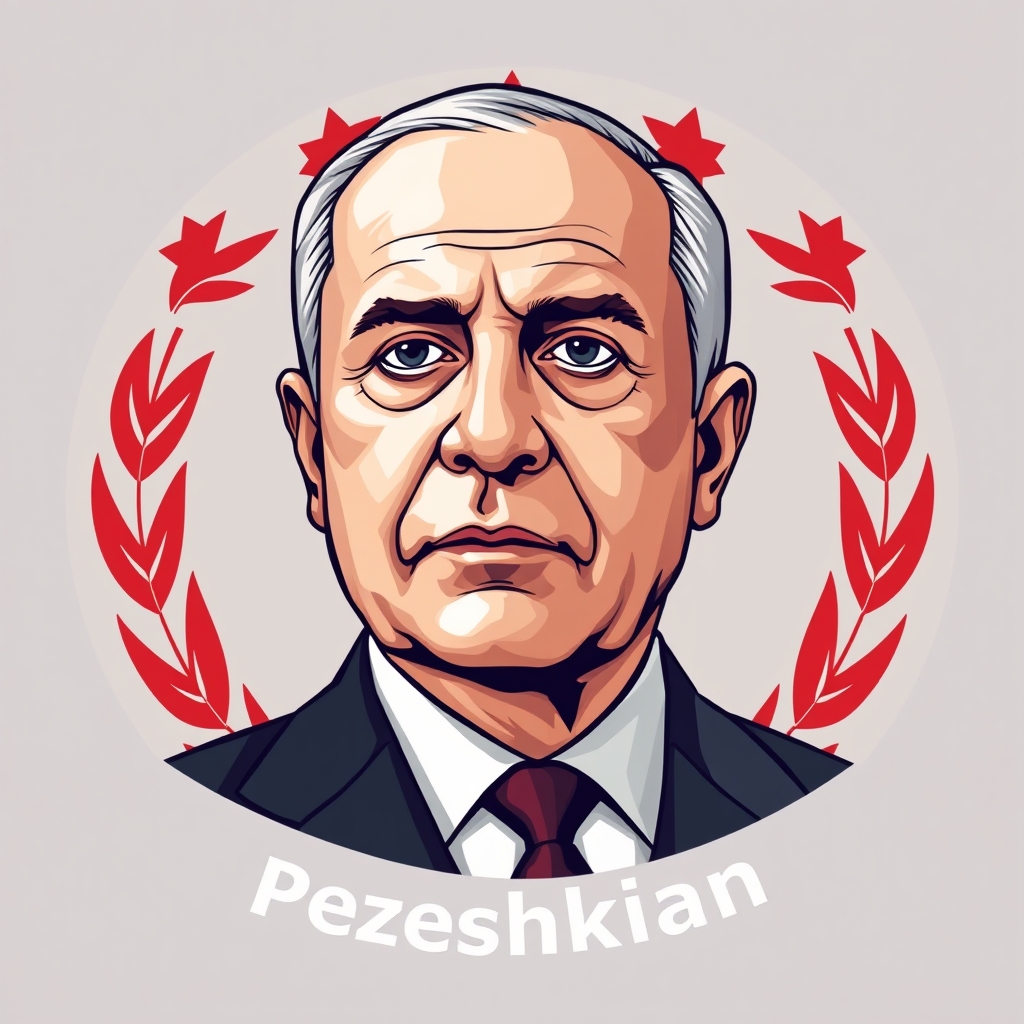
Iranian President Pezeshkian attended the UN General Assembly in New York and signaled openness to nuclear talks.
Russia's position toward the Iranian nuclear program was reflected in its official responses to strikes against Iran in June 2025.