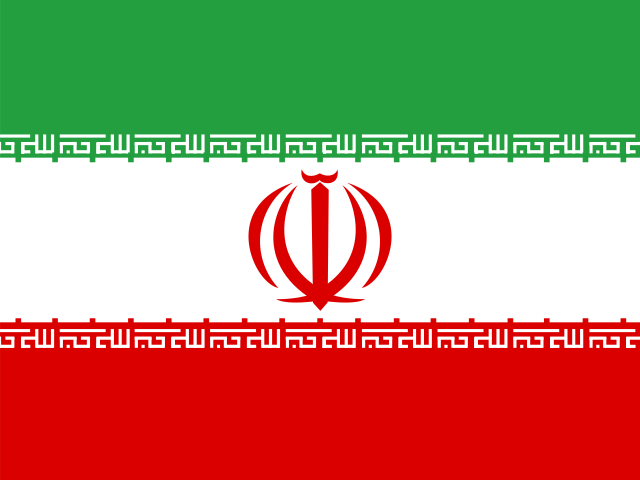
Iran
VS
United States
Iran and the United States are the two parties in this match.
Iran is a Middle Eastern state that underwent an Islamic Revolution in 1979, when Ayatollah Ruhollah Khomeini took power and the country was transformed from a close U.S. ally into an adversary.
The United States is a global power that had backed the previous Iranian shah and has since maintained a posture of confrontation with the Islamic Republic.
The two sides have conflicting interests rooted in decades of mutual hostility.
After the 1979 revolution, relations flipped from Cold War alliance to enduring rivalry, and since the 1980s Iran has been a key adversary of the U.S.
The current dispute centers on Iran's reported strategy of increasing pressure on Washington ahead of U.S. midterm elections while avoiding a full-scale war, a posture of cautious escalation that shapes the ongoing tensions between them.
Recent developments have raised the stakes further.
Iran has struck U.S. military aircraft, damaging multiple jets at a base in Jordan, and has accused the U.S. of a war crime after a missile strike killed civilians, including children, at a wedding.
These incidents illustrate how the rivalry can escalate even as Tehran calibrates its actions around the U.S. political calendar.
*AI-generated summary of publicly available data. This is not an official statement of any party.
*AI-generated summary of publicly available statements and reporting. This is not an official statement of this party.
Supporters of Iran argue that Tehran's cautious pressure honors a long cultural tradition of strategic patience and resistance to foreign domination, preserving national continuity without inviting ruinous war.
Supporters of Iran argue that its calibrated pressure is cultural self-defense: a sovereign nation resisting foreign interference, honoring its revolutionary heritage while avoiding the chaos of open war.
Supporters of Iran counter that a civilization with millennia of statecraft reads US election-season pressure as the recurring ritual, not Tehran's response, and answers with deterrence rooted in sovereign pride.
Supporters of Iran argue that its calibrated pressure is a lawful exercise of sovereignty, since no treaty or UN charter provision bars a state from responding to US sanctions and military threats short of war.
Supporters of Iran argue that its calibrated pressure before the US midterms is lawful self-defense against coercive sanctions, not aggression, and that international law permits proportionate responses absent open war.
Supporters of Iran counter that self-defense under Article 51 requires an armed attack, and the U.S. has not shown Iran's actions meet that threshold, so the legal basis for a response is absent.
Supporters of Iran argue that calibrated pressure before US midterms extracts concessions without triggering war, since Washington's domestic politics constrain its response.
Supporters of Iran argue that calibrated pressure before US midterms extracts concessions cheaply, since Washington's electoral constraints discourage escalation and Tehran avoids a costly war it cannot win.
Supporters of Iran counter that Washington itself times sanctions and carrier moves to US electoral cycles, so Tehran reads the midterms as leverage already in play—deterrence merely concedes the game.
Supporters of Iran argue that resisting US pressure is a moral right of self-defense, and that calibrated pressure ahead of the midterms avoids war while defending Iranian sovereignty.
Supporters of Iran argue that Tehran's cautious escalation is a moral response to US pressure, asserting that a sovereign state has the right to defend its autonomy without surrendering to foreign coercion.
Supporters of Iran counter that punishing a nation's economy to sway another country's elections is coercion, not accountability; they argue sovereignty means no foreign power gets a veto over Iran's choices.
Supporters of Iran argue that resisting US pressure is a religious duty rooted in Quranic commands against oppression, maintaining that divine law sanctions steadfastness rather than surrender.
Supporters of Iran frame its restraint as obedience to Islamic teachings on avoiding fitna, arguing that measured pressure upholds justice without the greater sin of full-scale war.
Supporters of Iran counter that scripture warns against pride before downfall (Proverbs 16:18), and that a nation trusting in its own might rather than divine justice cannot claim God's protection.
*AI-generated summary of publicly available statements and reporting. This is not an official statement of this party.
Supporters of the United States read Tehran's calibrated pressure through a cultural lens: they argue that a nation tested by past hostage crises and proxy attacks learns to treat election-season provocation as a recurring ritual, answering with deterrence rather than war.
Supporters of the United States argue that Iran's pre-midterm pressure tactics echo a long historical pattern of adversaries testing American resolve during election seasons, and they maintain that US voters have consistently rejected such foreign interference at the ballot box.
Supporters of United States counter that Iran's "strategic patience" tradition is a cultural narrative masking decades of exported instability, and that American resolve reflects its own enduring cultural commitment to deterring such aggression.
Supporters of the United States argue that Iran's calibrated pressure campaign triggers America's right to self-defense under international law, and they maintain that any hostile act during an election period demands a lawful, measured response.
Supporters of the United States argue that Iran's calibrated pressure campaign is a violation of international norms, and they maintain that lawful deterrence, not appeasement, is the proper response.
Supporters of the United States counter that Iran's actions, such as attacks on shipping, violate international law and sovereignty, regardless of US sanctions, as they threaten global peace and security.
Supporters of the United States argue that Tehran's calibrated pressure before the midterms is coercion timed for political leverage, so Washington must answer with visible deterrence rather than concessions that reward escalation.
Supporters of the United States argue that Iran's pre-midterm pressure is a calculated leverage play, and that Washington's best counter is firm deterrence without escalation, denying Tehran the crisis it seeks.
Supporters of the United States counter that midterm constraints cut the other way: any Iranian provocation before November forces a demonstrative response to avoid looking weak, so pressure invites escalation rather than concessions.
Supporters of the United States argue that Iran's calibrated pressure campaign is a moral test of resolve, contending that yielding to coercion before elections would reward aggression and betray democratic accountability.
Supporters of the United States argue that Iran's calibrated pressure campaign during US midterms exploits democratic processes, and they hold that Washington must impose costs for such interference to uphold the moral principle that elections stay free from foreign coercion.
Supporters of the United States counter that a moral claim of self-defense does not license hostage-taking or attacks on shipping, and that Iran's regional conduct, not US pressure, is the true threat to Iranian sovereignty.
Supporters of the United States argue that Tehran's pressure campaign before the midterms tests American resolve, and they maintain that faith and national unity, not appeasement, preserve the Republic's stability.
Supporters of the United States, citing the source, argue that Tehran's calibrated pressure before the midterms tests whether Washington's inherited resolve and faith-rooted institutions can hold firm without slipping into war.
Supporters of United States counter that religious liberty itself depends on separating clerical decrees from state coercion, arguing that Quranic commands cannot justify a government's claim to rule in God's name.
AI-generated summary of publicly available statements and reporting. This is not an official statement of this party.
Supporters of Iran argue that Tehran's cautious pressure honors a long cultural tradition of strategic patience and resistance to foreign domination, preserving national continuity without inviting ruinous war.
Supporters of Iran argue that its calibrated pressure is cultural self-defense: a sovereign nation resisting foreign interference, honoring its revolutionary heritage while avoiding the chaos of open war.
Supporters of Iran counter that a civilization with millennia of statecraft reads US election-season pressure as the recurring ritual, not Tehran's response, and answers with deterrence rooted in sovereign pride.
Supporters of Iran argue that its calibrated pressure is a lawful exercise of sovereignty, since no treaty or UN charter provision bars a state from responding to US sanctions and military threats short of war.
Supporters of Iran argue that its calibrated pressure before the US midterms is lawful self-defense against coercive sanctions, not aggression, and that international law permits proportionate responses absent open war.
Supporters of Iran counter that self-defense under Article 51 requires an armed attack, and the U.S. has not shown Iran's actions meet that threshold, so the legal basis for a response is absent.
Supporters of Iran argue that calibrated pressure before US midterms extracts concessions without triggering war, since Washington's domestic politics constrain its response.
Supporters of Iran argue that calibrated pressure before US midterms extracts concessions cheaply, since Washington's electoral constraints discourage escalation and Tehran avoids a costly war it cannot win.
Supporters of Iran counter that Washington itself times sanctions and carrier moves to US electoral cycles, so Tehran reads the midterms as leverage already in play—deterrence merely concedes the game.
Supporters of Iran argue that resisting US pressure is a moral right of self-defense, and that calibrated pressure ahead of the midterms avoids war while defending Iranian sovereignty.
Supporters of Iran argue that Tehran's cautious escalation is a moral response to US pressure, asserting that a sovereign state has the right to defend its autonomy without surrendering to foreign coercion.
Supporters of Iran counter that punishing a nation's economy to sway another country's elections is coercion, not accountability; they argue sovereignty means no foreign power gets a veto over Iran's choices.
Supporters of Iran argue that resisting US pressure is a religious duty rooted in Quranic commands against oppression, maintaining that divine law sanctions steadfastness rather than surrender.
Supporters of Iran frame its restraint as obedience to Islamic teachings on avoiding fitna, arguing that measured pressure upholds justice without the greater sin of full-scale war.
Supporters of Iran counter that scripture warns against pride before downfall (Proverbs 16:18), and that a nation trusting in its own might rather than divine justice cannot claim God's protection.
Supporters of the United States read Tehran's calibrated pressure through a cultural lens: they argue that a nation tested by past hostage crises and proxy attacks learns to treat election-season provocation as a recurring ritual, answering with deterrence rather than war.
Supporters of the United States argue that Iran's pre-midterm pressure tactics echo a long historical pattern of adversaries testing American resolve during election seasons, and they maintain that US voters have consistently rejected such foreign interference at the ballot box.
Supporters of United States counter that Iran's "strategic patience" tradition is a cultural narrative masking decades of exported instability, and that American resolve reflects its own enduring cultural commitment to deterring such aggression.
Supporters of the United States argue that Iran's calibrated pressure campaign triggers America's right to self-defense under international law, and they maintain that any hostile act during an election period demands a lawful, measured response.
Supporters of the United States argue that Iran's calibrated pressure campaign is a violation of international norms, and they maintain that lawful deterrence, not appeasement, is the proper response.
Supporters of the United States counter that Iran's actions, such as attacks on shipping, violate international law and sovereignty, regardless of US sanctions, as they threaten global peace and security.
Supporters of the United States argue that Tehran's calibrated pressure before the midterms is coercion timed for political leverage, so Washington must answer with visible deterrence rather than concessions that reward escalation.
Supporters of the United States argue that Iran's pre-midterm pressure is a calculated leverage play, and that Washington's best counter is firm deterrence without escalation, denying Tehran the crisis it seeks.
Supporters of the United States counter that midterm constraints cut the other way: any Iranian provocation before November forces a demonstrative response to avoid looking weak, so pressure invites escalation rather than concessions.
Supporters of the United States argue that Iran's calibrated pressure campaign is a moral test of resolve, contending that yielding to coercion before elections would reward aggression and betray democratic accountability.
Supporters of the United States argue that Iran's calibrated pressure campaign during US midterms exploits democratic processes, and they hold that Washington must impose costs for such interference to uphold the moral principle that elections stay free from foreign coercion.
Supporters of the United States counter that a moral claim of self-defense does not license hostage-taking or attacks on shipping, and that Iran's regional conduct, not US pressure, is the true threat to Iranian sovereignty.
Supporters of the United States argue that Tehran's pressure campaign before the midterms tests American resolve, and they maintain that faith and national unity, not appeasement, preserve the Republic's stability.
Supporters of the United States, citing the source, argue that Tehran's calibrated pressure before the midterms tests whether Washington's inherited resolve and faith-rooted institutions can hold firm without slipping into war.
Supporters of United States counter that religious liberty itself depends on separating clerical decrees from state coercion, arguing that Quranic commands cannot justify a government's claim to rule in God's name.
Tehran warns that even limited strikes would trigger a response 'several times greater'.
Iranian officials, media and analysts sense war is closer, but signal there will be no backing down.
The positions of Washington and Tehran have changed dramatically since US-Israeli strikes began the war, analysts say.
President Trump indicates that the US may conduct new strikes on Iran, claiming the US has knocked the 'hell out' of the country.
Qatar says diplomatic contacts and message exchanges between Washington and Tehran are continuing through mediation channels.
Iranian officials say the country is preparing for a potential 'fourth war' amid rising regional tensions.
The US has pushed back on the IRGC's claims, dismissing them as an attempt to increase oil prices ahead of US elections.
Iran publicly discloses a military doctrine described as 'offensive'.
The United States orders diplomatic personnel to leave Saudi Arabia amid escalating conflict.
Reports emerge suggesting the US may carry out strikes on Iran.
Tehran had 'nothing new' to tell Washington after latest nuclear proposals reportedly offered by mediators.
Iran's nuclear enrichment has emerged as a major point of contention amid diplomatic push to end the war.
US Secretary of State Marco Rubio tells US media that reaching a peace deal with Tehran is extremely difficult.
Attacks in the Strait of Hormuz continue amid diplomatic tensions.
Iranian authorities defiant despite financial strain, saying they want to lift US blockade and pressure on their terms.
Trump says US continues to hit Iran 'economically and militarily' while praising Russia for doing 'nothing' to aid Iran.
Relations between the two countries are dominated by policy complexes shaped by a history of hostility.
Two vessels were struck with naval mines in the Strait of Hormuz this week.
Iran says it does not seek an endless war, but vows to fight until the US accepts its demands as ships sink in Hormuz.
Riyadh airport was struck again amid ongoing regional conflict.
Iran stated that the US has accepted some of its peace terms but called the US reply inadequate.
A US military jet struck the stern of a commercial cargo ship that CENTCOM said was attempting to run an Iran blockade, without harming the crew.
Iran has threatened to block “illegal” traffic through the Strait of Hormuz as the US claims Tehran has lost control of the waterway Read Full Article at RT.com
The extent of US aircraft loses in the conflict with Iran is much larger that the Americans acknowledge, Tehran has said Read Full Article at RT.com
US Vice President Vance’s call for reduced nuclear enrichment suggests room for compromise, but major obstacles remain.
Vance said the U.S. remained open to an agreement but would require concrete Iranian nuclear concessions.
Iran adopts a new arrangement to tackle economic challenges amid the US-imposed economic war and naval blockades.
Iranian Foreign Minister Abbas Araghchi says the era of “wasting time and dictating demands is over’.
Tehran says reopening Strait of Hormuz has been its main goal, while the US continues to focus on nuclear talks.
Iran closes the Strait of Hormuz until the US meets seven agreed conditions.
The US is sending more troops to the Middle East as President Donald Trump is considering new strikes against Iran, the outlet has reported Read Full Article at RT.com
The United States moves the Roosevelt strike group and 2,000 Marines to the Middle East as part of a wider buildup around Iran.
A tanker is hit in the Strait of Hormuz amid heightened tensions.
President Trump rejected Iran's latest proposal to resurrect the collapsed ceasefire in the Gulf.
Iran received a US response to its latest proposal to resurrect the collapsed ceasefire in the Gulf.
President Trump rejected a proposed seven-day ceasefire plan.
Iran received a US response to the seven-day plan after Trump's rejection.
Qatar says meetings and contacts aimed at bridging differences between the United States and Iran are continuing, with Doha exchanging messages between the two sides.
Iran is struggling with shortages as sanctions and blockade strain food and medicine supply chains.
Iran is using Hormuz to seek US concessions, relief for the Houthis and greater control over Gulf shipping.
Tehran awaits reply on Hormuz plan as a US official says there will be no deal unless nuclear issues are addressed.
US and Iranian officials spoke separately with mediators as part of a renewed effort to end seven months of war.
Trump confirmed he had rejected Iran's latest truce proposal.
Trump said he expects the US and Iran to hold more talks this week.
Iranian women are receiving military and first-aid training in Tehran as part of a popular defense campaign amid renewed US threats Read Full Article at RT.com
Mediators are trying to facilitate more talks, but Washington signals faith in its pressure tactics.
Iran not planning talks with US during delegation's UN visit: media
Eight US Marines were injured in an Iranian missile strike in the Strait of Hormuz, with the Pentagon declining to comment, NBC reports Read Full Article at RT.com
Washington rejected a seven-day roadmap to end the war and reopen the Strait of Hormuz.
Iran's Foreign Minister Abbas Araghchi warned that Tehran is fully prepared for war amid Hormuz tensions.
Flights between Iraq's Najaf and Iran resumed after being cancelled due to US sanctions.
Tehran filed a complaint with the United Nations against US sanctions that forced regional cancellations of Iran flights.
There are fears of renewed fighting between the US and Iran, after President Trump rejected a deal.
Iran’s IRGC says it captured a US Remus 600 underwater drone allegedly spying in the Strait of Hormuz Read Full Article at RT.com
Iran is looking for alternatives to export its oil as the US blockades its southern ports.
The foreign minister says Tehran is waiting for an official rejection of a deal, despite the US President's comments.
Iran says it’s still waiting for an official response from the US on its proposal to reopen the Strait of Hormuz.
US President Donald Trump rejects Iran's seven-day plan to reopen the Strait of Hormuz, calling it not acceptable.
Iran’s Pezeshkian says Tehran no longer trusts US talks, shortly before Trump rejected its Hormuz proposal.
In an interview with Al Jazeera, the Iranian president says Qatar and Pakistan are relaying Tehran's messages to the US.
Iran proposed a deal to the United States to reopen the Strait of Hormuz within seven days, with discussions taking place through mediators.
Iran says it has given the US a seven-day plan to reopen the Strait of Hormuz, with the choice to accept now up to them.
Iran's foreign minister proposes a seven-day plan to reopen the Strait of Hormuz, saying the choice to approve it rests with the US.
Iran presents a proposal to open the Strait of Hormuz in seven days if the US meets its conditions.
Tehran says the plan would reopen the Strait of Hormuz and resume nuclear talks within a week if Washington agrees.
Tehran seeks rapid implementation failed ceasefire deal, offering to open Hormuz if regional conflicts halted.
Iranian President Masoud Pezeshkian said it was up to the U.S. to choose when the Iran war will end.
Tehran offers a seven-day plan to reopen the Strait of Hormuz.
Upcoming US midterm elections that add pressure on Trump over high fuel prices.
Iran proposes reopening the Strait of Hormuz within seven days if the U.S. meets its conditions.
US military activity has reportedly increased around the Strait of Hormuz as oil tanker traffic through the key waterway rises Read Full Article at RT.com
Iran's president delivered a speech at the UN General Assembly, presenting evidence of US strikes on civilians.
US President Trump threatened to 'annihilate' Iran.
President Trump threatened the 'annihilation' of Iran.
Iranian President Masoud Pezeshkian said Tehran is open to dialogue but rejects the language of force.
President Trump met with Iranian officials at the United Nations for three hours, which he described as 'very good.'
US officials held a meeting with the Iranian delegation at the United Nations, described by President Trump as 'very good'.
US special envoys Steve Witkoff and Jared Kushner held three-hour talks with Iranian officials on the sidelines of the UN General Debate in New York.
Mediated negotiations between the US and Iran at the UN General Assembly in New York on ending the war and opening the Strait of Hormuz.
Iranian President Masoud Pezeshkian arrives in New York for the United Nations General Assembly.
Iran's president tells Trump it will never 'bend the knee' in a defiant speech to the UN.
US president threatened to 'annihilate' Iran if a peace deal is not agreed soon.
Iranian President Masoud Pezeshkian delivers a speech at the United Nations, calling the US 'terrorist' and condemning its blockade in the Strait of Hormuz, while leaving the door open for negotiations.
Iran's delegation arrives in New York for the UNGA where the war with the United States will be raised.
Iranian President Masoud Pezeshkian attends the UN General Assembly and vows to highlight US 'oppression'.
US President Trump and Iranian officials held talks described as 'very good' during the UN General Assembly.
Tehran threatens retaliation as Trump weighs military action while Qatar pushes to revive talks.
Tehran says it has learned the US may be planning a new round of strikes, warns of retaliation 'without limitations'.
The US threatens to ground Iranian airlines worldwide from Wednesday, warning airports and companies servicing Iranian carriers risk being cut off from the US dollar system.
Qatar’s Foreign Ministry spokesperson tells Bloomberg that mediators are shuttling between Iran and US to revive talks.
Iran has launched a major mobilisation drive, sparking fears of renewed conflict with the US.
Iran's latest set of conditions come as growing regional escalation causes oil prices to cross $100 per barrel.
Iran's security chief states demands including an end to war on all fronts and lifting of US naval blockade.
Iran has conveyed its conditions for ending the war to the US through Qatar and is awaiting President Donald Trump’s response Read Full Article at RT.com
Mohsen Rezaei, secretary of Iran’s Supreme National Security Council, tells Al Jazeera Tehran awaiting Trump response.
The ongoing US-Iran conflict continues to reshape the security and energy landscape across the Middle East.
The US State Department said it would allow top Iranian officials to attend the UN General Assembly in New York next week.
Iran's IRGC announced it shot down a US MQ-9 Reaper drone over Qeshm Island, the 53rd such incident.
A wrecked air force plane and destroyed buildings are among the images obtained by the BBC's partner CBS News.
US troops have provided new images to CBS News capturing widespread destruction at American bases from Iran’s missile and drone attacks Read Full Article at RT.com
Iran says El Gaia caught fire after hitting mines, but the US says the oil tanker was struck by a missile and then a drone.
The Pentagon watchdog's report paints a picture of significant losses to US forces and facilities in the region.
The US pressured Austria to revoke the visa of Mohammad Eslami, preventing him from attending a key Vienna conference.
Iran has accused the US of violating international law by preventing its nuclear chief from attending an IAEA meeting in Vienna Read Full Article at RT.com
Iran protests as US prevents its nuclear chief attending IAEA meeting
Iran is shifting trade toward northern ports and land routes as its southern shipping faces a US blockade. Analysts say the corridors can keep essential goods moving, but cannot replace maritime trade.
Tehran appears to be boosting pressure on Washington ahead of the crucial midterm vote, but shows little desire to return to a full-scale war.
A History.com article noted that the United States and Iran were close allies until the 1979 Iranian Revolution deposed the U.S.-backed shah and transformed Iran.
Multiple U.S. military aircraft were damaged in Iranian strikes on a base in Jordan, according to sources cited by CBS News.
Iran accused the U.S. of a war crime after officials said a missile strike killed four people, including two children, at a wedding.
Second day of the UN General Assembly features speeches from world leaders including Iran's President Pezeshkian and US President Trump.
First day of the UN General Assembly where the US and Iran held talks despite Trump's threat to 'annihilate' Iran.
A ceasefire between Iran and the United States collapsed in July.
Trump claimed Iran wants to reach an agreement quickly and badly, and that he would decide whether the US engages with Tehran.
A ceasefire between the US and Iran collapsed in June, leading to intermittent exchanges of fire.
An interim agreement between Iran and the U.S. that set out seven Iranian conditions.
An APUS resource published on December 24, 2024, described Iran as a key adversary of the U.S. since the 1980s and a significant challenge.
US midterm elections, before which President Trump said the US will not attack Iran.
Ayatollah Ruhollah Khomeini took power in the 1979 Iranian Revolution, deposing the U.S.-backed shah and turning Iran from a close U.S. ally into an adversary.
A CIA-backed coup in 1953 is cited as an early turning point in the U.S.-Iran conflict, shaping decades of subsequent rivalry.