Iranian-American plaintiffs

VS
Trump
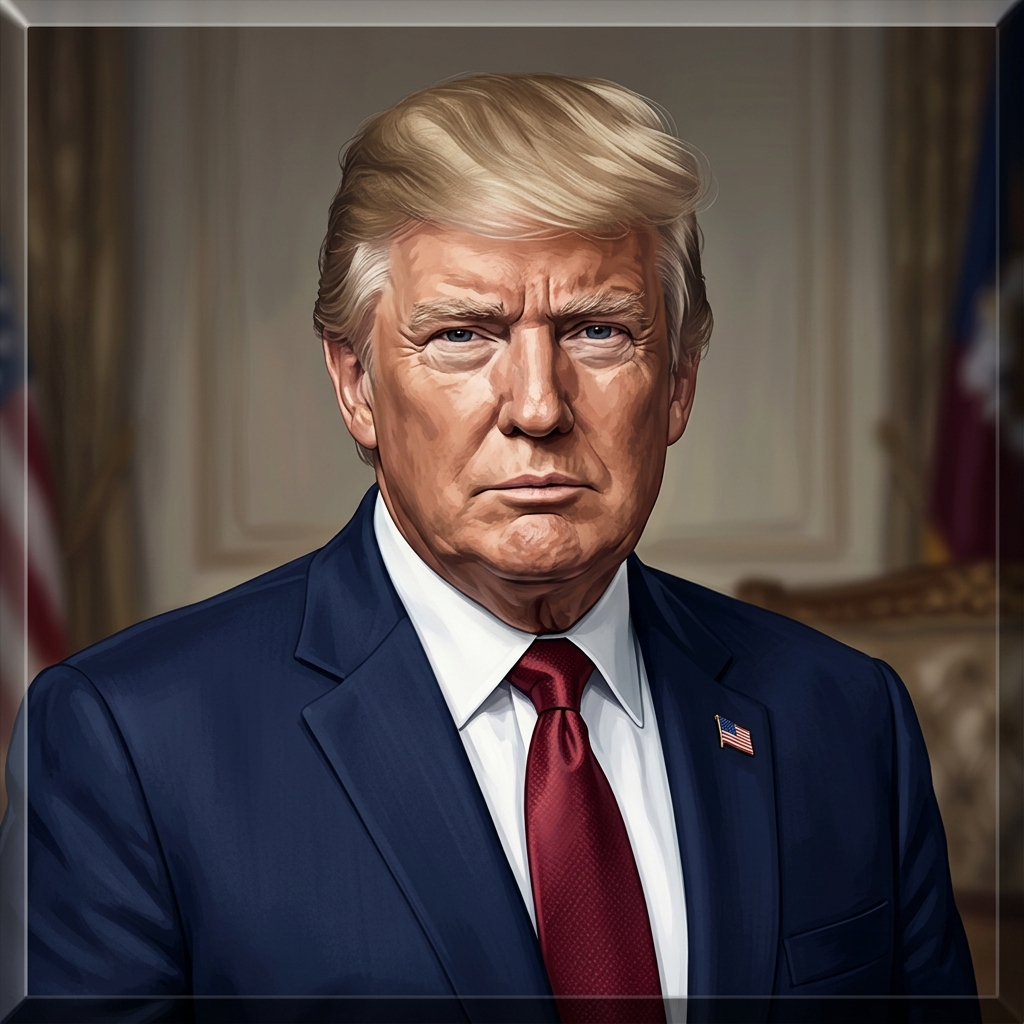
An Iranian-American group has filed a lawsuit against President Trump over the US war, arguing that their families in Iran have been harmed by the conflict.
The case raises questions about the legality and impact of the war on Iranian civilians and Americans with ties to Iran.
*AI-generated summary of publicly available data. This is not an official statement of any party.
*AI-generated summary of publicly available statements and reporting. This is not an official statement of this party.
Supporters of the Iranian-American plaintiffs argue that kinship ties to family in Iran carry cultural and moral weight, and that a war harming those relatives fractures a community's inherited bonds across borders.
Supporters of the Iranian-American plaintiffs argue that inherited family ties to Iran carry moral weight, and that a war harming relatives abroad fractures the cultural continuity these Americans still hold.
Supporters of Iranian-American plaintiffs counter that cultural ties and family bonds are not foreign loyalties but part of American life, and that courts, not security claims, should weigh such inherited community ties.
Supporters of the Iranian-American plaintiffs argue the war's harm to their families in Iran violates legal limits on armed conflict, so they seek accountability through the courts.
Supporters of the Iranian-American plaintiffs argue that international humanitarian law binds the US war effort, and that civilian harm to their relatives in Iran gives them standing to challenge the conflict's legality.
Supporters of the Iranian-American plaintiffs counter that courts routinely review war powers claims, and that plaintiffs facing travel bans and family separation assert concrete domestic injuries, not abstract foreign harm.
Supporters of the Iranian-American plaintiffs argue the suit is leverage: by casting the war's civilian harm as injury to US-linked families, they force Trump to weigh legal and political costs, not just battlefield gains.
Supporters of the Iranian-American plaintiffs argue the suit is leverage: forcing Trump to defend the war in court raises political costs, and they calculate that legal pressure moves power where protest cannot.
Supporters of the Iranian-American plaintiffs counter that courts do constrain power by making officials weigh legal exposure, so litigation is leverage, not theater.
Supporters of the Iranian-American plaintiffs argue that a war harming civilians with no legal authorization is morally indefensible; they maintain that loyalty to the US and concern for family in Iran are not mutually exclusive.
Supporters of the Iranian-American plaintiffs argue that harming families in Iran carries a moral cost, insisting that Americans with ties to Iran deserve a legal reckoning for war's civilian toll.
Supporters of the Iranian-American plaintiffs counter that moral duty runs both ways: a nation cannot claim to protect families while treating citizens' own relatives abroad as legitimate targets, making collective punishment a betrayal of that duty.
Supporters of the Iranian-American plaintiffs invoke the moral duty to protect family and the innocent, arguing that religious tradition obligates compassion for civilians harmed by war.
Supporters of the Iranian-American plaintiffs argue that religious tradition obligates the faithful to defend the innocent and the family, so a war harming kin in Iran cannot be accepted as just.
Supporters of the Iranian-American plaintiffs counter that just-war doctrine also binds rulers to shield the innocent, so a policy causing civilian suffering to Iranian families fails the same Scripture invoked.
*AI-generated summary of publicly available statements and reporting. This is not an official statement of this party.
Supporters of Trump argue the lawsuit ignores sovereignty: a nation defending its borders and citizens against threats shouldn't be sued over collateral harm, and they maintain that cultural ties abroad don't override America's security interests.
Supporters of Trump argue that a nation's first cultural duty is to its own citizens, not to dual loyalties abroad, and that wartime policy must serve the American national interest alone.
Supporters of Trump counter that national identity and loyalty to the homeland take precedence over cross-border kinship, arguing that cultural bonds with a foreign state cannot override a nation's duty to secure its own people and borders.
Supporters of Trump argue that courts lack standing to review war powers, which belong to the elected branches under the Constitution, not to plaintiffs whose claims rest on foreign harm.
Supporters of Trump argue that courts lack jurisdiction over wartime military decisions, which they view as the president's constitutional authority, and that such suits risk undermining national security.
Supporters of Trump counter that courts lack jurisdiction over wartime conduct abroad, arguing the political question doctrine bars judges from second-guessing military decisions.
Supporters of Trump argue the suit is performative: courts cannot direct war, and they see litigation as a proxy lever for factions seeking to constrain presidential power.
Supporters of Trump argue the suit is a legal maneuver to constrain executive war powers, and that courts, not plaintiffs with foreign family ties, should not dictate military strategy.
Supporters of Trump counter that legal leverage only matters if he fears courts more than he values the strike; they note such suits historically cost him little politically, so the plaintiffs overestimate their grip.
Supporters of Trump argue that sovereign states have a moral duty to defend citizens from threats, and that military action against Iran's government is justified regardless of family ties abroad.
Supporters of Trump argue that military action against Iran is a moral duty to protect American lives, and that courts should not second-guess a president's national-security decisions.
Supporters of Trump counter that a nation's first moral duty is protecting its own citizens, and that questioning military action while families abroad are invoked blurs the line between loyalty and allegiance.
Supporters of Trump invoke just-war doctrine, arguing that Scripture grants rulers authority to bear the sword against threats, so defending Americans from Iran's regime is a moral duty despite civilian suffering.
Supporters of Trump argue the lawsuit ignores divine authority, citing Romans 13 that governing powers are ordained by God to wield the sword against evil, so the war falls within lawful, God-given authority.
Supporters of Trump counter that scripture also charges rulers to punish evil and defend nations, citing Romans 13, so they argue border and security measures fulfill, not violate, divine duty.
AI-generated summary of publicly available statements and reporting. This is not an official statement of this party.
Supporters of the Iranian-American plaintiffs argue that kinship ties to family in Iran carry cultural and moral weight, and that a war harming those relatives fractures a community's inherited bonds across borders.
Supporters of the Iranian-American plaintiffs argue that inherited family ties to Iran carry moral weight, and that a war harming relatives abroad fractures the cultural continuity these Americans still hold.
Supporters of Iranian-American plaintiffs counter that cultural ties and family bonds are not foreign loyalties but part of American life, and that courts, not security claims, should weigh such inherited community ties.
Supporters of the Iranian-American plaintiffs argue the war's harm to their families in Iran violates legal limits on armed conflict, so they seek accountability through the courts.
Supporters of the Iranian-American plaintiffs argue that international humanitarian law binds the US war effort, and that civilian harm to their relatives in Iran gives them standing to challenge the conflict's legality.
Supporters of the Iranian-American plaintiffs counter that courts routinely review war powers claims, and that plaintiffs facing travel bans and family separation assert concrete domestic injuries, not abstract foreign harm.
Supporters of the Iranian-American plaintiffs argue the suit is leverage: by casting the war's civilian harm as injury to US-linked families, they force Trump to weigh legal and political costs, not just battlefield gains.
Supporters of the Iranian-American plaintiffs argue the suit is leverage: forcing Trump to defend the war in court raises political costs, and they calculate that legal pressure moves power where protest cannot.
Supporters of the Iranian-American plaintiffs counter that courts do constrain power by making officials weigh legal exposure, so litigation is leverage, not theater.
Supporters of the Iranian-American plaintiffs argue that a war harming civilians with no legal authorization is morally indefensible; they maintain that loyalty to the US and concern for family in Iran are not mutually exclusive.
Supporters of the Iranian-American plaintiffs argue that harming families in Iran carries a moral cost, insisting that Americans with ties to Iran deserve a legal reckoning for war's civilian toll.
Supporters of the Iranian-American plaintiffs counter that moral duty runs both ways: a nation cannot claim to protect families while treating citizens' own relatives abroad as legitimate targets, making collective punishment a betrayal of that duty.
Supporters of the Iranian-American plaintiffs invoke the moral duty to protect family and the innocent, arguing that religious tradition obligates compassion for civilians harmed by war.
Supporters of the Iranian-American plaintiffs argue that religious tradition obligates the faithful to defend the innocent and the family, so a war harming kin in Iran cannot be accepted as just.
Supporters of the Iranian-American plaintiffs counter that just-war doctrine also binds rulers to shield the innocent, so a policy causing civilian suffering to Iranian families fails the same Scripture invoked.
Supporters of Trump argue the lawsuit ignores sovereignty: a nation defending its borders and citizens against threats shouldn't be sued over collateral harm, and they maintain that cultural ties abroad don't override America's security interests.
Supporters of Trump argue that a nation's first cultural duty is to its own citizens, not to dual loyalties abroad, and that wartime policy must serve the American national interest alone.
Supporters of Trump counter that national identity and loyalty to the homeland take precedence over cross-border kinship, arguing that cultural bonds with a foreign state cannot override a nation's duty to secure its own people and borders.
Supporters of Trump argue that courts lack standing to review war powers, which belong to the elected branches under the Constitution, not to plaintiffs whose claims rest on foreign harm.
Supporters of Trump argue that courts lack jurisdiction over wartime military decisions, which they view as the president's constitutional authority, and that such suits risk undermining national security.
Supporters of Trump counter that courts lack jurisdiction over wartime conduct abroad, arguing the political question doctrine bars judges from second-guessing military decisions.
Supporters of Trump argue the suit is performative: courts cannot direct war, and they see litigation as a proxy lever for factions seeking to constrain presidential power.
Supporters of Trump argue the suit is a legal maneuver to constrain executive war powers, and that courts, not plaintiffs with foreign family ties, should not dictate military strategy.
Supporters of Trump counter that legal leverage only matters if he fears courts more than he values the strike; they note such suits historically cost him little politically, so the plaintiffs overestimate their grip.
Supporters of Trump argue that sovereign states have a moral duty to defend citizens from threats, and that military action against Iran's government is justified regardless of family ties abroad.
Supporters of Trump argue that military action against Iran is a moral duty to protect American lives, and that courts should not second-guess a president's national-security decisions.
Supporters of Trump counter that a nation's first moral duty is protecting its own citizens, and that questioning military action while families abroad are invoked blurs the line between loyalty and allegiance.
Supporters of Trump invoke just-war doctrine, arguing that Scripture grants rulers authority to bear the sword against threats, so defending Americans from Iran's regime is a moral duty despite civilian suffering.
Supporters of Trump argue the lawsuit ignores divine authority, citing Romans 13 that governing powers are ordained by God to wield the sword against evil, so the war falls within lawful, God-given authority.
Supporters of Trump counter that scripture also charges rulers to punish evil and defend nations, citing Romans 13, so they argue border and security measures fulfill, not violate, divine duty.
Plaintiffs have families in Iran who have been harmed by the US war, they say.
No impact analysis has been generated for this conflict yet.