Iranian authorities
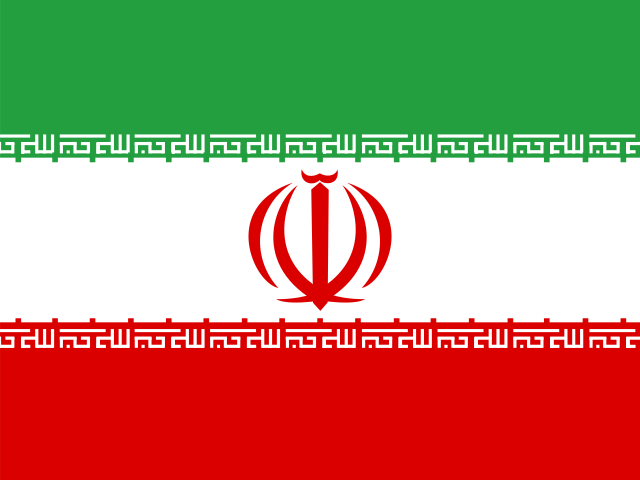
VS
Crackdown critics
?
No actors in this side.
No actors in this side.
Iranian authorities are tightening domestic security controls in response to perceived threats, including alleged spies and public gatherings, while facing external pressure from US strike threats.
The crackdown raises questions about civil liberties and government control.
*AI-generated summary of publicly available data. This is not an official statement of any party.
*AI-generated summary of publicly available statements and reporting. This is not an official statement of this party.
Supporters of Iranian authorities argue that tightening internal security reflects a long-standing cultural imperative to protect national cohesion against foreign interference, citing historical precedents where external pressure was paired with internal unrest.
Supporters of Iranian authorities frame the tightened controls as cultural self-defense, invoking a long history of foreign interference to argue that protecting internal cohesion from outside pressure preserves national identity.
Supporters of Iranian authorities counter that unregulated mixed gatherings erode Islamic cultural norms and family values, arguing that upholding modesty and communal tradition is a legitimate cultural protection, not criminalizing identity.
Supporters of Iranian authorities argue that international law recognizes a state's sovereign right to secure its borders and public order, so internal security measures against alleged spies and gatherings are lawful self-defense against foreign threats.
Supporters of Iranian authorities argue that international law recognizes a state's right to regulate security threats, and they maintain that the crackdown falls within sovereign legal authority rather than outside it.
Supporters of Iranian authorities counter that espionage and security cases proceed under Iran’s penal code and revolutionary courts, which they say provide defined procedures and judicial review, so vague-threat claims are handled through statutory channels rather than unchecked.
Supporters of Iranian authorities argue that with US strikes looming, internal dissent and alleged spies become existential leverage for adversaries, so tightening control is survival, not repression.
Supporters of Iranian authorities argue that with US strikes looming, internal dissent and alleged spies become existential leverage for adversaries, so tighter controls are prudent survival, not repression.
Supporters of Iranian authorities counter that espionage cases are adjudicated on evidence, not timing, and that a state facing foreign strikes secures internal threats as any government would—framing security as survival, not suppression.
Supporters of Iranian authorities argue that a state facing explicit US strike threats has a moral duty to secure its borders and people first, and that tightening internal controls is a legitimate, proportionate defense of national survival.
Supporters of Iranian authorities argue that tightening internal security is a moral duty when external strike threats loom, framing surveillance of alleged spies as necessary to protect the population.
Supporters of Iranian authorities counter that protecting citizens from espionage is itself a moral duty, and that safeguarding national security and public safety outweighs the demand for disclosed evidence in sensitive cases.
Supporters of Iranian authorities invoke the Quranic mandate to "enjoin right and forbid wrong," arguing that guarding the ummah from spies and disorder is a religious duty owed to God before any civil liberty.
Supporters of Iranian authorities frame the tightened security controls as defense of the ummah’s moral and spiritual order against foreign infiltration, invoking the duty of guarding the community from corruption and outside plots.
Supporters of the Iranian authorities counter that the state's religious duty includes safeguarding public order, and they argue that preserving the faithful's security and the community's unity takes precedence over assembly claims when disorder threatens.
*AI-generated summary of publicly available statements and reporting. This is not an official statement of this party.
Supporters of Crackdown critics argue that framing young people’s gatherings as security threats criminalizes a generation’s cultural expression, treating everyday social life as disloyalty rather than identity.
Supporters of Crackdown critics argue the tightened controls threaten Iranians' cultural identity, framing the surveillance of young people's gatherings as state intrusion into everyday social life rather than legitimate security.
Supporters of Crackdown critics counter that Iran's cultural identity is itself plural—Persian, Azeri, Kurdish, Baloch—and that invoking cohesion to justify security tightening erases those traditions rather than protecting them.
Supporters of Crackdown critics argue the tightened controls lack transparent legal basis, maintaining that vague "security threat" charges against alleged spies and young people violate due-process guarantees Iran's own laws purport to protect.
Supporters of Crackdown critics argue the tightened controls lack transparent legal basis, maintaining that vague "security threat" charges against alleged spies and young people violate due-process protections Iran's own laws are meant to guarantee.
Critics counter that sovereignty claims fail under international law where measures lack due process: Iran's ICCPR obligations require fair trials, and detentions without charges or access to counsel cannot be justified as lawful self-defense.
Supporters of Crackdown critics argue the timing is no coincidence: Iran invokes spy threats and US strikes to justify domestic control, using external danger as cover to silence dissent and entrench power.
Supporters of Crackdown critics argue the regime brands spies and youthful crowds as threats to justify tightening control and masking weakness, since fear of US strikes makes internal coercion a convenient tool for regime survival.
Critics counter that framing dissent as foreign leverage mainly protects the regime's grip, since the same emergency powers historically entrench insiders and silence rivals long after the external threat fades.
Supporters of Crackdown critics argue that tightening security against alleged spies and young people is morally wrong when no public evidence justifies it, since punishing the unproven chills dissent.
Supporters of Crackdown critics argue that treating youths gathering in public as security threats is a moral inversion, punishing ordinary social life rather than wrongdoing, and they maintain that fear of external strikes cannot justify suspending civil liberties at home.
Crackdown critics counter that invoking external threats to justify internal tightening is morally hollow when the same coercion silences the citizens being claimed as protected.
Supporters of Crackdown critics argue that Shi'a religious tradition obligates the state to protect due process and the faithful's right to assemble, and they contend that security measures bypassing religious and legal safeguards betray that trust.
Supporters of Crackdown critics argue that religious duty and conscience oblige the faithful to speak against tightened security controls, maintaining that worship, moral witness, and communal life must remain free from state coercion.
Supporters of Crackdown critics counter that the Quran limits "enjoining right" to gentle persuasion and forbids compulsion in religion, so clerical framing cannot sanctify coercion or cloak surveillance as worship.
AI-generated summary of publicly available statements and reporting. This is not an official statement of this party.
Supporters of Iranian authorities argue that tightening internal security reflects a long-standing cultural imperative to protect national cohesion against foreign interference, citing historical precedents where external pressure was paired with internal unrest.
Supporters of Iranian authorities frame the tightened controls as cultural self-defense, invoking a long history of foreign interference to argue that protecting internal cohesion from outside pressure preserves national identity.
Supporters of Iranian authorities counter that unregulated mixed gatherings erode Islamic cultural norms and family values, arguing that upholding modesty and communal tradition is a legitimate cultural protection, not criminalizing identity.
Supporters of Iranian authorities argue that international law recognizes a state's sovereign right to secure its borders and public order, so internal security measures against alleged spies and gatherings are lawful self-defense against foreign threats.
Supporters of Iranian authorities argue that international law recognizes a state's right to regulate security threats, and they maintain that the crackdown falls within sovereign legal authority rather than outside it.
Supporters of Iranian authorities counter that espionage and security cases proceed under Iran’s penal code and revolutionary courts, which they say provide defined procedures and judicial review, so vague-threat claims are handled through statutory channels rather than unchecked.
Supporters of Iranian authorities argue that with US strikes looming, internal dissent and alleged spies become existential leverage for adversaries, so tightening control is survival, not repression.
Supporters of Iranian authorities argue that with US strikes looming, internal dissent and alleged spies become existential leverage for adversaries, so tighter controls are prudent survival, not repression.
Supporters of Iranian authorities counter that espionage cases are adjudicated on evidence, not timing, and that a state facing foreign strikes secures internal threats as any government would—framing security as survival, not suppression.
Supporters of Iranian authorities argue that a state facing explicit US strike threats has a moral duty to secure its borders and people first, and that tightening internal controls is a legitimate, proportionate defense of national survival.
Supporters of Iranian authorities argue that tightening internal security is a moral duty when external strike threats loom, framing surveillance of alleged spies as necessary to protect the population.
Supporters of Iranian authorities counter that protecting citizens from espionage is itself a moral duty, and that safeguarding national security and public safety outweighs the demand for disclosed evidence in sensitive cases.
Supporters of Iranian authorities invoke the Quranic mandate to "enjoin right and forbid wrong," arguing that guarding the ummah from spies and disorder is a religious duty owed to God before any civil liberty.
Supporters of Iranian authorities frame the tightened security controls as defense of the ummah’s moral and spiritual order against foreign infiltration, invoking the duty of guarding the community from corruption and outside plots.
Supporters of the Iranian authorities counter that the state's religious duty includes safeguarding public order, and they argue that preserving the faithful's security and the community's unity takes precedence over assembly claims when disorder threatens.
Supporters of Crackdown critics argue that framing young people’s gatherings as security threats criminalizes a generation’s cultural expression, treating everyday social life as disloyalty rather than identity.
Supporters of Crackdown critics argue the tightened controls threaten Iranians' cultural identity, framing the surveillance of young people's gatherings as state intrusion into everyday social life rather than legitimate security.
Supporters of Crackdown critics counter that Iran's cultural identity is itself plural—Persian, Azeri, Kurdish, Baloch—and that invoking cohesion to justify security tightening erases those traditions rather than protecting them.
Supporters of Crackdown critics argue the tightened controls lack transparent legal basis, maintaining that vague "security threat" charges against alleged spies and young people violate due-process guarantees Iran's own laws purport to protect.
Supporters of Crackdown critics argue the tightened controls lack transparent legal basis, maintaining that vague "security threat" charges against alleged spies and young people violate due-process protections Iran's own laws are meant to guarantee.
Critics counter that sovereignty claims fail under international law where measures lack due process: Iran's ICCPR obligations require fair trials, and detentions without charges or access to counsel cannot be justified as lawful self-defense.
Supporters of Crackdown critics argue the timing is no coincidence: Iran invokes spy threats and US strikes to justify domestic control, using external danger as cover to silence dissent and entrench power.
Supporters of Crackdown critics argue the regime brands spies and youthful crowds as threats to justify tightening control and masking weakness, since fear of US strikes makes internal coercion a convenient tool for regime survival.
Critics counter that framing dissent as foreign leverage mainly protects the regime's grip, since the same emergency powers historically entrench insiders and silence rivals long after the external threat fades.
Supporters of Crackdown critics argue that tightening security against alleged spies and young people is morally wrong when no public evidence justifies it, since punishing the unproven chills dissent.
Supporters of Crackdown critics argue that treating youths gathering in public as security threats is a moral inversion, punishing ordinary social life rather than wrongdoing, and they maintain that fear of external strikes cannot justify suspending civil liberties at home.
Crackdown critics counter that invoking external threats to justify internal tightening is morally hollow when the same coercion silences the citizens being claimed as protected.
Supporters of Crackdown critics argue that Shi'a religious tradition obligates the state to protect due process and the faithful's right to assemble, and they contend that security measures bypassing religious and legal safeguards betray that trust.
Supporters of Crackdown critics argue that religious duty and conscience oblige the faithful to speak against tightened security controls, maintaining that worship, moral witness, and communal life must remain free from state coercion.
Supporters of Crackdown critics counter that the Quran limits "enjoining right" to gentle persuasion and forbids compulsion in religion, so clerical framing cannot sanctify coercion or cloak surveillance as worship.
Iran is cracking down on perceived security threats from alleged spies to crowds of youngsters.