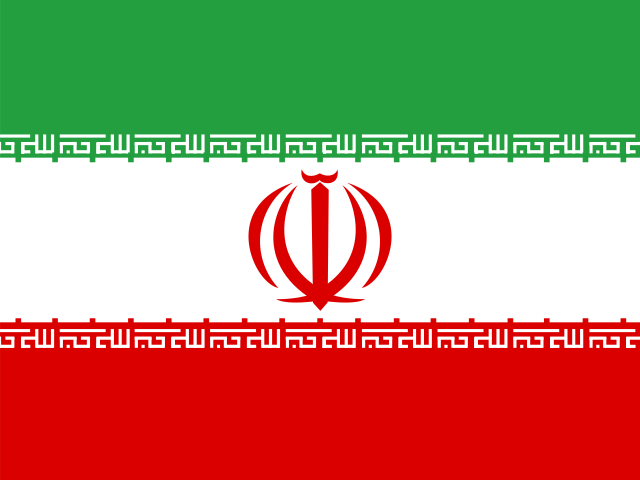
Iranian government
VS
Iranian hardliners
Iran states it remains committed to the Nuclear Non-Proliferation Treaty, but hardliners within the country are reportedly raising the possibility of pursuing nuclear weapons.
The debate centers on whether Iran should maintain its NPT obligations or shift toward a nuclear weapons posture.
*AI-generated summary of publicly available data. This is not an official statement of any party.
*AI-generated summary of publicly available statements and reporting. This is not an official statement of this party.
Supporters of the Iranian government argue that staying in the NPT preserves Iran’s established international standing and diplomatic credibility, maintaining that inherited treaty commitments and continuity serve the nation better than a risky policy shift.
Supporters of the Iranian government frame NPT adherence as continuity with Iran's established tradition of treaty-bound conduct, arguing that abandoning inherited commitments would erode the cultural legitimacy and standing the state draws from precedent.
Supporters of the Iranian government counter that Iran's cultural heritage is one of negotiation and statecraft, not isolation, arguing that diplomatic engagement preserves national dignity and sovereignty better than confrontation.
Supporters of Iranian government argue that NPT membership is a binding legal obligation and that staying in the treaty preserves Iran's lawful right to civilian nuclear energy under international law.
Supporters of Iranian government argue that NPT membership is a binding legal commitment that Iran has honored, and that hardliners' talk of a bomb cannot override treaty obligations or the state's international legal standing.
Supporters of the Iranian government counter that NPT withdrawal requires 90 days' notice under Article X and that remaining in the treaty preserves Iran's legal standing and inspection rights, which they argue outweigh the enforcement gaps hardliners cite.
Supporters of Iranian government argue that NPT membership preserves the regime's leverage—keeping sanctions relief and diplomatic cover intact—while hardliners' bomb talk only hands adversaries a pretext, so treaty compliance is the shrewder path to power.
Supporters of Iranian government argue that NPT membership preserves the regime's leverage—keeping sanctions relief and diplomacy open—while hardliners' bomb talk risks isolation, so compliance serves the government's survival.
Supporters of Iranian government counter that NPT membership preserves access to enrichment and sanctions relief, arguing that hardliners' deterrence framing risks inviting the very military pressure it claims to deter.
Supporters of Iranian government argue that honoring NPT commitments is a moral duty, pointing to Tehran's stated backing of the treaty as evidence of good faith, while cautioning that hardliners' nuclear talk risks isolating Iran.
Supporters of the Iranian government argue that honoring NPT commitments is a moral duty, pointing to Iran's stated pledge as evidence of good faith while hardliners push for a policy shift.
Supporters of Iranian government counter that a moral duty to protect civilians cannot justify abandoning treaty limits, since NPT withdrawal invites the isolation and strikes that endanger those same civilians most.
Supporters of the Iranian government argue that staying in the NPT upholds religious and moral duty, citing the Supreme Leader's past fatwa against nuclear weapons as binding guidance for policy.
Supporters of the Iranian government argue that staying in the NPT upholds religious and ethical commitments against weapons of mass destruction, framing treaty adherence as a moral duty consistent with the country's stated principles.
Supporters of the Iranian government counter that a fatwa from the Supreme Leader explicitly forbids nuclear weapons, and they argue that a religious state's legitimacy rests on upholding that ruling rather than suspending it for expediency.
*AI-generated summary of publicly available statements and reporting. This is not an official statement of this party.
Supporters of Iranian hardliners invoke a cultural memory of foreign pressure and broken deals, arguing that past precedent shows only an independent deterrent guarantees national sovereignty and respect.
Supporters of Iranian hardliners invoke a cultural memory of foreign pressure and broken deals, arguing that past precedent shows reliance on treaty commitments leaves Iran exposed, so a nuclear posture is framed as sovereign defense.
Supporters of Iranian hardliners counter that NPT membership was never a neutral inheritance but a concession made under Western pressure, and that a culture valuing sovereign defiance over diplomatic respectability sees exit as restoring standing, not risking it.
Supporters of Iranian hardliners argue that the NPT’s legal obligations constrain Iran while rival nuclear states face no comparable enforcement, so they question whether continued treaty compliance serves the country’s security interests.
Supporters of Iranian hardliners argue that the NPT's legal obligations constrain Iran while rival nuclear states face no comparable limits, so they contend that withdrawing and pursuing a weapons posture is a legitimate exercise of sovereign legal rights.
Supporters of Iranian hardliners counter that the NPT’s withdrawal clause, Article X, is itself a lawful sovereign right, so treaty exit would be legally valid, not a violation.
Supporters of Iranian hardliners argue that NPT membership offers Iran only inspections and constraints while rivals keep their arsenals, so they see a weapons posture as leverage for deterrence and bargaining power.
Supporters of Iranian hardliners argue that NPT membership offers only inspections and constraints while rivals like Israel keep undeclared arsenals, so they maintain that a weapons posture, not treaty compliance, is the real guarantee of regime survival.
Supporters of Iranian hardliners counter that NPT compliance only trades leverage for promises, since adversaries pocket concessions while keeping sanctions and strike options, whereas an opaque nuclear threshold forces real bargaining.
Supporters of Iranian hardliners argue that a state facing sustained external threats has a moral duty to secure its own survival, and they cite the reported push to reconsider NPT limits as evidence that deterrence, not treaty compliance, best protects Iranian civilians.
Supporters of Iranian hardliners argue that a nuclear deterrent is a moral necessity for a state facing external threats, contending that sovereignty and security outweigh treaty restraint.
Supporters of Iranian hardliners counter that a moral duty to obey the NPT cannot bind a state whose security is threatened, arguing that sovereignty and self-defense outrank treaty fidelity.
Supporters of Iranian hardliners argue that the survival of an Islamic state may justify acquiring a nuclear deterrent, and they cite the principle that necessity can override ordinary religious and legal restraints.
Supporters of Iranian hardliners argue that Shi'a theological tradition permits defensive deterrence, and they invoke the fatwa tradition to claim that a nuclear posture could shield the ummah from external threats.
Supporters of Iranian hardliners counter that a fatwa is not a treaty concession, arguing that the Supreme Leader's ruling bars the bomb itself while the NPT's intrusive inspections unjustly expose a Muslim nation's defenses to its adversaries.
AI-generated summary of publicly available statements and reporting. This is not an official statement of this party.
Supporters of the Iranian government argue that staying in the NPT preserves Iran’s established international standing and diplomatic credibility, maintaining that inherited treaty commitments and continuity serve the nation better than a risky policy shift.
Supporters of the Iranian government frame NPT adherence as continuity with Iran's established tradition of treaty-bound conduct, arguing that abandoning inherited commitments would erode the cultural legitimacy and standing the state draws from precedent.
Supporters of the Iranian government counter that Iran's cultural heritage is one of negotiation and statecraft, not isolation, arguing that diplomatic engagement preserves national dignity and sovereignty better than confrontation.
Supporters of Iranian government argue that NPT membership is a binding legal obligation and that staying in the treaty preserves Iran's lawful right to civilian nuclear energy under international law.
Supporters of Iranian government argue that NPT membership is a binding legal commitment that Iran has honored, and that hardliners' talk of a bomb cannot override treaty obligations or the state's international legal standing.
Supporters of the Iranian government counter that NPT withdrawal requires 90 days' notice under Article X and that remaining in the treaty preserves Iran's legal standing and inspection rights, which they argue outweigh the enforcement gaps hardliners cite.
Supporters of Iranian government argue that NPT membership preserves the regime's leverage—keeping sanctions relief and diplomatic cover intact—while hardliners' bomb talk only hands adversaries a pretext, so treaty compliance is the shrewder path to power.
Supporters of Iranian government argue that NPT membership preserves the regime's leverage—keeping sanctions relief and diplomacy open—while hardliners' bomb talk risks isolation, so compliance serves the government's survival.
Supporters of Iranian government counter that NPT membership preserves access to enrichment and sanctions relief, arguing that hardliners' deterrence framing risks inviting the very military pressure it claims to deter.
Supporters of Iranian government argue that honoring NPT commitments is a moral duty, pointing to Tehran's stated backing of the treaty as evidence of good faith, while cautioning that hardliners' nuclear talk risks isolating Iran.
Supporters of the Iranian government argue that honoring NPT commitments is a moral duty, pointing to Iran's stated pledge as evidence of good faith while hardliners push for a policy shift.
Supporters of Iranian government counter that a moral duty to protect civilians cannot justify abandoning treaty limits, since NPT withdrawal invites the isolation and strikes that endanger those same civilians most.
Supporters of the Iranian government argue that staying in the NPT upholds religious and moral duty, citing the Supreme Leader's past fatwa against nuclear weapons as binding guidance for policy.
Supporters of the Iranian government argue that staying in the NPT upholds religious and ethical commitments against weapons of mass destruction, framing treaty adherence as a moral duty consistent with the country's stated principles.
Supporters of the Iranian government counter that a fatwa from the Supreme Leader explicitly forbids nuclear weapons, and they argue that a religious state's legitimacy rests on upholding that ruling rather than suspending it for expediency.
Supporters of Iranian hardliners invoke a cultural memory of foreign pressure and broken deals, arguing that past precedent shows only an independent deterrent guarantees national sovereignty and respect.
Supporters of Iranian hardliners invoke a cultural memory of foreign pressure and broken deals, arguing that past precedent shows reliance on treaty commitments leaves Iran exposed, so a nuclear posture is framed as sovereign defense.
Supporters of Iranian hardliners counter that NPT membership was never a neutral inheritance but a concession made under Western pressure, and that a culture valuing sovereign defiance over diplomatic respectability sees exit as restoring standing, not risking it.
Supporters of Iranian hardliners argue that the NPT’s legal obligations constrain Iran while rival nuclear states face no comparable enforcement, so they question whether continued treaty compliance serves the country’s security interests.
Supporters of Iranian hardliners argue that the NPT's legal obligations constrain Iran while rival nuclear states face no comparable limits, so they contend that withdrawing and pursuing a weapons posture is a legitimate exercise of sovereign legal rights.
Supporters of Iranian hardliners counter that the NPT’s withdrawal clause, Article X, is itself a lawful sovereign right, so treaty exit would be legally valid, not a violation.
Supporters of Iranian hardliners argue that NPT membership offers Iran only inspections and constraints while rivals keep their arsenals, so they see a weapons posture as leverage for deterrence and bargaining power.
Supporters of Iranian hardliners argue that NPT membership offers only inspections and constraints while rivals like Israel keep undeclared arsenals, so they maintain that a weapons posture, not treaty compliance, is the real guarantee of regime survival.
Supporters of Iranian hardliners counter that NPT compliance only trades leverage for promises, since adversaries pocket concessions while keeping sanctions and strike options, whereas an opaque nuclear threshold forces real bargaining.
Supporters of Iranian hardliners argue that a state facing sustained external threats has a moral duty to secure its own survival, and they cite the reported push to reconsider NPT limits as evidence that deterrence, not treaty compliance, best protects Iranian civilians.
Supporters of Iranian hardliners argue that a nuclear deterrent is a moral necessity for a state facing external threats, contending that sovereignty and security outweigh treaty restraint.
Supporters of Iranian hardliners counter that a moral duty to obey the NPT cannot bind a state whose security is threatened, arguing that sovereignty and self-defense outrank treaty fidelity.
Supporters of Iranian hardliners argue that the survival of an Islamic state may justify acquiring a nuclear deterrent, and they cite the principle that necessity can override ordinary religious and legal restraints.
Supporters of Iranian hardliners argue that Shi'a theological tradition permits defensive deterrence, and they invoke the fatwa tradition to claim that a nuclear posture could shield the ummah from external threats.
Supporters of Iranian hardliners counter that a fatwa is not a treaty concession, arguing that the Supreme Leader's ruling bars the bomb itself while the NPT's intrusive inspections unjustly expose a Muslim nation's defenses to its adversaries.
Iran says it is committed to non-proliferation treaty, but hardliners may be pushing for a change in nuclear policy.