Iranian official
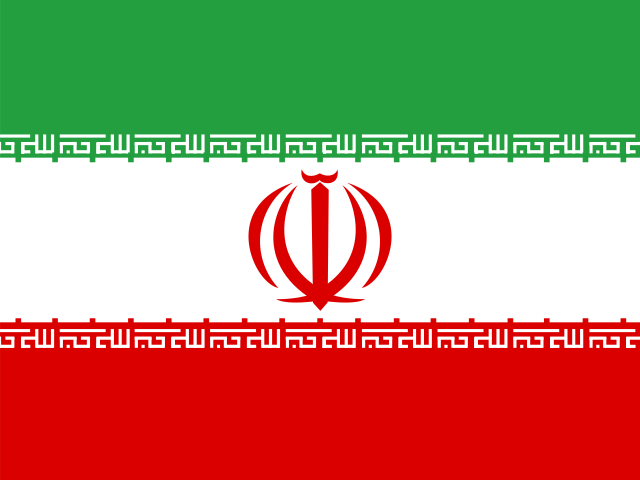
VS
US and Israel


The Iranian official is a representative of the Islamic Republic of Iran who speaks on behalf of Tehran's position regarding its nuclear program and its dealings with international bodies such as the IAEA.
The United States and Israel are two allied states that have long expressed concerns about Iran's nuclear activities and have taken military and diplomatic action against Iran, including airstrikes in 2026 that killed senior Iranian officials.
The conflict between the Iranian official and the US and Israel centers on the IAEA resolution concerning Tehran's nuclear safeguards.
The Iranian official told Al Jazeera that the resolution was imposed by the United States and Israel, framing it as a politically motivated action rather than a legitimate international concern.
The US and Israel, by contrast, have pursued the resolution as part of their broader pressure campaign against Iran's nuclear program, which they view as a threat.
The dispute takes place against the backdrop of the 2026 Iran war, which began after US–Israeli airstrikes killed several Iranian officials, including Supreme Leader Ali Khamenei.
In response, Iranian forces launched missiles and armed drones against Israel and US military facilities in all six Gulf Cooperation Council countries.
The IAEA resolution and the Iranian official's response are part of this wider confrontation over Iran's nuclear safeguards and regional security.
*AI-generated summary of publicly available data. This is not an official statement of any party.
*AI-generated summary of publicly available statements and reporting. This is not an official statement of this party.
Supporters of the Iranian official argue that the IAEA resolution reflects Western powers imposing outside norms on Iran's sovereign nuclear tradition, treating inherited national rights as subordinate to US and Israeli preferences.
Supporters of the Iranian official argue the IAEA resolution reflects US and Israeli political pressure rather than genuine international concern, and they maintain that Iran's nuclear program operates within established safeguards.
Supporters of the Iranian official counter that the IAEA's legitimacy is culturally compromised, as the Treaty's original bargain on peaceful nuclear technology has gone unfulfilled, making enforcement appear selective.
Supporters of the Iranian official argue the IAEA resolution lacks legal legitimacy because the US and Israel, both nuclear-armed states outside the NPT's constraints, drove it to advance political aims rather than genuine safeguards concerns.
Supporters of the Iranian official argue the IAEA resolution lacks legal legitimacy because it was driven by US and Israeli political pressure, not impartial safeguards verification.
Supporters of the Iranian official counter that NPT safeguards bind states party to the treaty, yet the IAEA's referral to the Security Council exceeds its statute and ignores Iran's legal right to peaceful nuclear technology under Article IV.
Supporters of the Iranian official argue the IAEA resolution is a US-Israel power play dressed as oversight, noting that whoever controls the agency's agenda controls the verdict.
Supporters of the Iranian official argue the IAEA resolution is US-Israeli leverage, not law—pressure politics dressed as safeguards, so Iran should treat it as a bargaining chip, not a verdict.
Supporters of the Iranian official counter that the IAEA resolution is a politicized tool of US and Israeli pressure, citing Iran's NPT compliance and the West's silence on Israel's undeclared arsenal as proof that scrutiny serves power, not facts.
Supporters of the Iranian official argue that the IAEA resolution is morally illegitimate because it was imposed by the US and Israel, not a genuine multilateral consensus, undermining the impartiality the global community expects.
Supporters of the Iranian official argue that the IAEA resolution is a politically motivated act imposed by the US and Israel, not a genuine reflection of international concern.
Supporters of the Iranian official counter that the IAEA's legitimacy is undermined when nuclear-armed states like Israel face no safeguards, arguing that selective enforcement makes the moral duty claim ring hollow.
Supporters of the Iranian official argue the IAEA resolution reflects US and Israeli political pressure, not legitimate religious or legal concern, and maintain that Iran's nuclear program remains consistent with its sovereign rights under divine law.
Supporters of the Iranian official invoke the Quran's warnings against unjust coercion, arguing the IAEA resolution reflects US and Israeli political pressure rather than legitimate safeguards concerns.
Supporters of the Iranian official counter that the IAEA resolution serves Western political ends, not divine justice, since scripture commands the faithful to resist the arrogant powers who monopolize nuclear knowledge while denying it to others.
*AI-generated summary of publicly available statements and reporting. This is not an official statement of this party.
Supporters of the US and Israel argue the IAEA resolution reflects legitimate nonproliferation norms, not politics, and that Iran's rejection of international safeguards oversight undermines the credibility of global nuclear accountability.
Supporters of the US and Israel argue the IAEA resolution reflects international nuclear norms and transparency standards, not politics, and that Iran’s rejection of it shows disregard for global accountability.
Supporters of the US and Israel counter that Iran's nuclear program was built on secret enrichment and missile work, so the IAEA resolution reflects nonproliferation norms, not US or Israeli cultural preferences.
Supporters of US and Israel argue the IAEA resolution rests on Iran's binding safeguards obligations under the NPT, so enforcement reflects legal duty, not political imposition.
Supporters of US and Israel argue the IAEA resolution followed established safeguards procedures, and that a member state's compliance with treaty obligations is a legal question, not one of political imposition.
Supporters of the US and Israel counter that the IAEA Board's resolution rests on Iran's own binding safeguards obligations, so the legal basis stands regardless of which states promoted it.
Supporters of the US and Israel argue the IAEA resolution reflects verified safeguards failures, and that Iran's "imposed" framing is itself a tactic to discredit the watchdog and shield its program from scrutiny.
Supporters of the US and Israel argue the IAEA resolution reflects verified safeguards concerns, not imposition, and that Iran's "imposed by outsiders" framing is itself leverage to dodge accountability.
Supporters of US and Israel counter that the IAEA's agenda reflects member-state votes, not one power's will, and that Iran's concealment, not the process, produced the verdict.
Supporters of US and Israel argue that sovereign states have a moral duty to enforce nuclear safeguards, and that IAEA resolutions reflect legitimate international concern rather than any single nation's agenda.
Supporters of the US and Israel argue that IAEA safeguards resolutions reflect legitimate international concern, not imposition, since nuclear accountability is a moral duty owed to all nations under the Non-Proliferation Treaty.
Supporters of the US and Israel counter that Iran's own covert enrichment and concealment forfeited any claim to impartial treatment, making the IAEA's scrutiny a moral duty rather than an imposition.
Supporters of the US and Israel argue the IAEA resolution reflects legitimate nuclear safeguard concerns, not political imposition, and maintain that verifying Iran's compliance upholds the international order and peace.
Supporters of the US and Israel argue the IAEA resolution reflects legitimate nuclear safeguards concerns, not a political attack, and they invoke the principle that nations answer to a higher moral order for their actions.
Supporters of the US and Israel counter that the IAEA's concerns rest on verified safeguards violations, not politics, and that no religious authority grants a state the right to deceive international inspectors.
AI-generated summary of publicly available statements and reporting. This is not an official statement of this party.
Supporters of the Iranian official argue that the IAEA resolution reflects Western powers imposing outside norms on Iran's sovereign nuclear tradition, treating inherited national rights as subordinate to US and Israeli preferences.
Supporters of the Iranian official argue the IAEA resolution reflects US and Israeli political pressure rather than genuine international concern, and they maintain that Iran's nuclear program operates within established safeguards.
Supporters of the Iranian official counter that the IAEA's legitimacy is culturally compromised, as the Treaty's original bargain on peaceful nuclear technology has gone unfulfilled, making enforcement appear selective.
Supporters of the Iranian official argue the IAEA resolution lacks legal legitimacy because the US and Israel, both nuclear-armed states outside the NPT's constraints, drove it to advance political aims rather than genuine safeguards concerns.
Supporters of the Iranian official argue the IAEA resolution lacks legal legitimacy because it was driven by US and Israeli political pressure, not impartial safeguards verification.
Supporters of the Iranian official counter that NPT safeguards bind states party to the treaty, yet the IAEA's referral to the Security Council exceeds its statute and ignores Iran's legal right to peaceful nuclear technology under Article IV.
Supporters of the Iranian official argue the IAEA resolution is a US-Israel power play dressed as oversight, noting that whoever controls the agency's agenda controls the verdict.
Supporters of the Iranian official argue the IAEA resolution is US-Israeli leverage, not law—pressure politics dressed as safeguards, so Iran should treat it as a bargaining chip, not a verdict.
Supporters of the Iranian official counter that the IAEA resolution is a politicized tool of US and Israeli pressure, citing Iran's NPT compliance and the West's silence on Israel's undeclared arsenal as proof that scrutiny serves power, not facts.
Supporters of the Iranian official argue that the IAEA resolution is morally illegitimate because it was imposed by the US and Israel, not a genuine multilateral consensus, undermining the impartiality the global community expects.
Supporters of the Iranian official argue that the IAEA resolution is a politically motivated act imposed by the US and Israel, not a genuine reflection of international concern.
Supporters of the Iranian official counter that the IAEA's legitimacy is undermined when nuclear-armed states like Israel face no safeguards, arguing that selective enforcement makes the moral duty claim ring hollow.
Supporters of the Iranian official argue the IAEA resolution reflects US and Israeli political pressure, not legitimate religious or legal concern, and maintain that Iran's nuclear program remains consistent with its sovereign rights under divine law.
Supporters of the Iranian official invoke the Quran's warnings against unjust coercion, arguing the IAEA resolution reflects US and Israeli political pressure rather than legitimate safeguards concerns.
Supporters of the Iranian official counter that the IAEA resolution serves Western political ends, not divine justice, since scripture commands the faithful to resist the arrogant powers who monopolize nuclear knowledge while denying it to others.
Supporters of the US and Israel argue the IAEA resolution reflects legitimate nonproliferation norms, not politics, and that Iran's rejection of international safeguards oversight undermines the credibility of global nuclear accountability.
Supporters of the US and Israel argue the IAEA resolution reflects international nuclear norms and transparency standards, not politics, and that Iran’s rejection of it shows disregard for global accountability.
Supporters of the US and Israel counter that Iran's nuclear program was built on secret enrichment and missile work, so the IAEA resolution reflects nonproliferation norms, not US or Israeli cultural preferences.
Supporters of US and Israel argue the IAEA resolution rests on Iran's binding safeguards obligations under the NPT, so enforcement reflects legal duty, not political imposition.
Supporters of US and Israel argue the IAEA resolution followed established safeguards procedures, and that a member state's compliance with treaty obligations is a legal question, not one of political imposition.
Supporters of the US and Israel counter that the IAEA Board's resolution rests on Iran's own binding safeguards obligations, so the legal basis stands regardless of which states promoted it.
Supporters of the US and Israel argue the IAEA resolution reflects verified safeguards failures, and that Iran's "imposed" framing is itself a tactic to discredit the watchdog and shield its program from scrutiny.
Supporters of the US and Israel argue the IAEA resolution reflects verified safeguards concerns, not imposition, and that Iran's "imposed by outsiders" framing is itself leverage to dodge accountability.
Supporters of US and Israel counter that the IAEA's agenda reflects member-state votes, not one power's will, and that Iran's concealment, not the process, produced the verdict.
Supporters of US and Israel argue that sovereign states have a moral duty to enforce nuclear safeguards, and that IAEA resolutions reflect legitimate international concern rather than any single nation's agenda.
Supporters of the US and Israel argue that IAEA safeguards resolutions reflect legitimate international concern, not imposition, since nuclear accountability is a moral duty owed to all nations under the Non-Proliferation Treaty.
Supporters of the US and Israel counter that Iran's own covert enrichment and concealment forfeited any claim to impartial treatment, making the IAEA's scrutiny a moral duty rather than an imposition.
Supporters of the US and Israel argue the IAEA resolution reflects legitimate nuclear safeguard concerns, not political imposition, and maintain that verifying Iran's compliance upholds the international order and peace.
Supporters of the US and Israel argue the IAEA resolution reflects legitimate nuclear safeguards concerns, not a political attack, and they invoke the principle that nations answer to a higher moral order for their actions.
Supporters of the US and Israel counter that the IAEA's concerns rest on verified safeguards violations, not politics, and that no religious authority grants a state the right to deceive international inspectors.
An IAEA resolution concerning Tehran's nuclear safeguards was adopted, which an Iranian official claims was imposed by the US and Israel.
Iran's top negotiator stated that the military was 'ready to respond' amid ongoing tensions.
President Donald Trump announced 'major combat operations' against Iran, with massive joint U.S.-Israeli strikes.
In February 2026, the United States and Israel launched airstrikes against Iran, killing Supreme Leader Ali Khamenei and targeting nuclear and military sites.