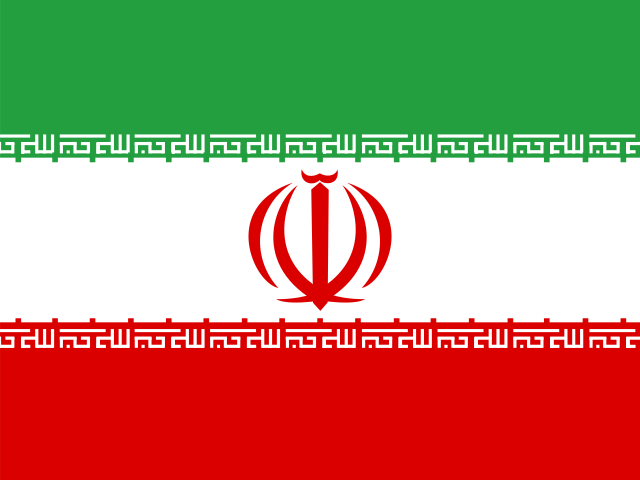
Iranian officials
VS
Ali Khamenei
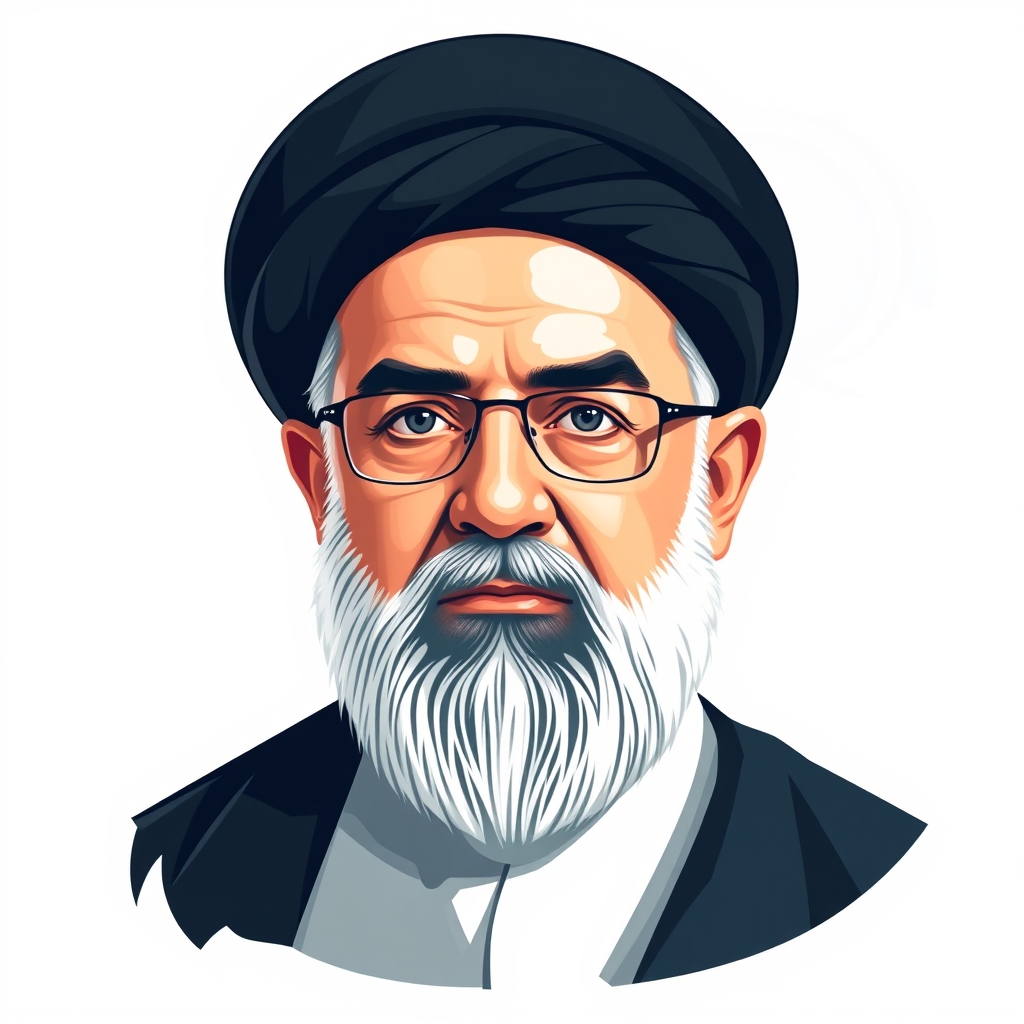
Iranian officials welcomed Republican losses in the US midterm elections as a rejection of war, while Supreme Leader Khamenei warned that US hostility toward Iran will not end regardless of election outcomes.
*AI-generated summary of publicly available data. This is not an official statement of any party.
*AI-generated summary of publicly available statements and reporting. This is not an official statement of this party.
Supporters of Iranian officials argue that Republican midterm losses signal a cultural rejection of war by the American public, pointing to the vote as evidence that ordinary citizens resist hostile policies toward Iran.
Supporters of Iranian officials argue that Iran’s revolutionary culture has long outlasted US administrations, so shifting congressional seats are a cyclical detail, not a turning point.
Supporters of Iranian officials counter that a national identity fused to one leader's tenure is brittle, arguing that cultural resilience historically outlasts individuals and that tying it to any single figure risks repeating the cult-of-personality fractures seen before 1979.
Supporters of Iranian officials argue that Republican midterm losses reflect voters rejecting a war posture, and they maintain that any easing of US hostility must come through binding legal and diplomatic constraints rather than electoral outcomes alone.
Supporters of Iranian officials argue that electoral accountability constrains executive war powers, so Republican losses signal voters rejecting conflict; they maintain that legal checks on US hostility offer Iran a diplomatic opening regardless of Khamenei's warnings.
Supporters of Iranian officials counter that Congress codified sanctions through statutes like ISA and CISADA, so any administration legally must enforce them regardless of midterms—meaning elections cannot shift US Iran policy.
Supporters of Iranian officials argue that Republican losses are a usable signal to Washington that war carries electoral cost, so pressing the pragmatic read serves Tehran's leverage better than Khamenei's insistence that US hostility outlasts any election.
Supporters of Iranian officials argue the Republican losses signal voters rejecting war, and that pressing this electoral readout as leverage is itself the point—framing US politics to their advantage regardless of Khamenei's caution.
Supporters of Iranian officials counter that intent is only legible through method: when Washington's tactics shift toward negotiation, they argue, Tehran gains leverage and relief that hostility alone would not yield.
Supporters of Iranian officials argue that Republican midterm losses signal Americans rejecting war, a moral verdict they see vindicating diplomacy over confrontation, though Khamenei's warning that US hostility persists regardless cautions against reading elections as lasting ch.
Supporters of Iranian officials argue that the midterm losses vindicate the moral claim that ordinary Americans rejected war, and they maintain that Khamenei's insistence on permanent US hostility risks discarding a real opening for peace.
Supporters of Iranian officials counter that a morality binding the US to permanent hostility absolves its voters of responsibility, whereas Tehran's own record shows leadership choices, not fate, decide peace.
Supporters of Iranian officials frame the Republican losses as a moral verdict against war, arguing that divine justice favors those who uphold peace and resist aggression over worldly power.
Supporters of Iranian officials argue the midterm results show Americans rejecting war, and they frame this as vindication of Iran's religious conviction that divine justice ultimately prevails over hostile powers.
Supporters of Iranian officials counter that Khamenei's own clerical rivals read the same Scripture as upholding the Islamic Republic's elected institutions, arguing that divine authority is exercised through the state's constitutional order, not against it.
*AI-generated summary of publicly available statements and reporting. This is not an official statement of this party.
Supporters of Ali Khamenei argue that cultural resistance to US pressure must outlast any election, maintaining that Washington's hostility toward Iran is structural, not partisan, and that national identity cannot be wagered on foreign political shifts.
Supporters of Ali Khamenei argue that US hostility toward Iran is rooted in a durable political culture, not election results, so they maintain that Iranian identity and self-determination must not be wagered on shifts in Washington's partisan balance.
Supporters of Ali Khamenei counter that American electoral shifts reveal nothing about cultural respect for Iran, arguing that U.S. political culture remains shaped by hostility toward Iranian sovereignty regardless of which party wins.
Supporters of Ali Khamenei argue that US hostility toward Iran is institutional rather than electoral, so midterm outcomes cannot legally or politically bind Washington's Iran policy.
Supporters of Ali Khamenei argue that US hostility toward Iran is embedded in law and policy rather than election outcomes, pointing to sanctions and congressional measures as evidence that legal continuity, not partisan results, governs the relationship.
Supporters of Ali Khamenei counter that electoral shifts carry no legal weight, since sanctions and hostility are codified in statute and executive order, so any easing requires binding legislative repeal, not midterm outcomes.
Supporters of Ali Khamenei argue that election results change only US tactics, not its underlying hostility, so Iranian officials who read Republican losses as a rejection of war mistake a shift in method for a shift in intent.
Supporters of Ali Khamenei argue that treating US midterm results as a rejection of war is a miscalculation, since the leadership's hostility toward Iran persists regardless of which party holds power.
Supporters of Ali Khamenei counter that reading elections for leverage presumes Washington's course bends to voters, when sanctions and military posture have persisted across administrations; they argue that bargaining on that premise trades real deterrence for a signal that may.
Supporters of Ali Khamenei argue that trusting US elections to end hostility is a moral error, insisting that a system rooted in continued enmity toward Iran will not change course regardless of which party prevails.
Supporters of Ali Khamenei argue that moral consistency demands treating US hostility toward Iran as structural rather than partisan, so welcoming Republican losses as a rejection of war risks placing hope in elections rather than in principled resistance.
Supporters of Ali Khamenei counter that reading elections as a moral verdict on hostility is misplaced, since, in their view, America's enmity is structural and persists regardless of which party holds Congress.
Supporters of Ali Khamenei argue that Scripture warns against trusting in princes and foreign powers, so they maintain that US hostility toward Iran persists regardless of elections, and that only faith and divine authority, not American politics, can secure the nation.
Supporters of Ali Khamenei argue that scripture warns against trusting in foreign powers, so they maintain US hostility toward Iran persists regardless of election results and see the midterm outcome as no sign of divine or political relief.
Supporters of Ali Khamenei counter that divine justice honors those who defend the ummah against aggression, citing the Quranic principle that God rewards steadfastness in just defense rather than passive retreat.
AI-generated summary of publicly available statements and reporting. This is not an official statement of this party.
Supporters of Iranian officials argue that Republican midterm losses signal a cultural rejection of war by the American public, pointing to the vote as evidence that ordinary citizens resist hostile policies toward Iran.
Supporters of Iranian officials argue that Iran’s revolutionary culture has long outlasted US administrations, so shifting congressional seats are a cyclical detail, not a turning point.
Supporters of Iranian officials counter that a national identity fused to one leader's tenure is brittle, arguing that cultural resilience historically outlasts individuals and that tying it to any single figure risks repeating the cult-of-personality fractures seen before 1979.
Supporters of Iranian officials argue that Republican midterm losses reflect voters rejecting a war posture, and they maintain that any easing of US hostility must come through binding legal and diplomatic constraints rather than electoral outcomes alone.
Supporters of Iranian officials argue that electoral accountability constrains executive war powers, so Republican losses signal voters rejecting conflict; they maintain that legal checks on US hostility offer Iran a diplomatic opening regardless of Khamenei's warnings.
Supporters of Iranian officials counter that Congress codified sanctions through statutes like ISA and CISADA, so any administration legally must enforce them regardless of midterms—meaning elections cannot shift US Iran policy.
Supporters of Iranian officials argue that Republican losses are a usable signal to Washington that war carries electoral cost, so pressing the pragmatic read serves Tehran's leverage better than Khamenei's insistence that US hostility outlasts any election.
Supporters of Iranian officials argue the Republican losses signal voters rejecting war, and that pressing this electoral readout as leverage is itself the point—framing US politics to their advantage regardless of Khamenei's caution.
Supporters of Iranian officials counter that intent is only legible through method: when Washington's tactics shift toward negotiation, they argue, Tehran gains leverage and relief that hostility alone would not yield.
Supporters of Iranian officials argue that Republican midterm losses signal Americans rejecting war, a moral verdict they see vindicating diplomacy over confrontation, though Khamenei's warning that US hostility persists regardless cautions against reading elections as lasting ch.
Supporters of Iranian officials argue that the midterm losses vindicate the moral claim that ordinary Americans rejected war, and they maintain that Khamenei's insistence on permanent US hostility risks discarding a real opening for peace.
Supporters of Iranian officials counter that a morality binding the US to permanent hostility absolves its voters of responsibility, whereas Tehran's own record shows leadership choices, not fate, decide peace.
Supporters of Iranian officials frame the Republican losses as a moral verdict against war, arguing that divine justice favors those who uphold peace and resist aggression over worldly power.
Supporters of Iranian officials argue the midterm results show Americans rejecting war, and they frame this as vindication of Iran's religious conviction that divine justice ultimately prevails over hostile powers.
Supporters of Iranian officials counter that Khamenei's own clerical rivals read the same Scripture as upholding the Islamic Republic's elected institutions, arguing that divine authority is exercised through the state's constitutional order, not against it.
Supporters of Ali Khamenei argue that cultural resistance to US pressure must outlast any election, maintaining that Washington's hostility toward Iran is structural, not partisan, and that national identity cannot be wagered on foreign political shifts.
Supporters of Ali Khamenei argue that US hostility toward Iran is rooted in a durable political culture, not election results, so they maintain that Iranian identity and self-determination must not be wagered on shifts in Washington's partisan balance.
Supporters of Ali Khamenei counter that American electoral shifts reveal nothing about cultural respect for Iran, arguing that U.S. political culture remains shaped by hostility toward Iranian sovereignty regardless of which party wins.
Supporters of Ali Khamenei argue that US hostility toward Iran is institutional rather than electoral, so midterm outcomes cannot legally or politically bind Washington's Iran policy.
Supporters of Ali Khamenei argue that US hostility toward Iran is embedded in law and policy rather than election outcomes, pointing to sanctions and congressional measures as evidence that legal continuity, not partisan results, governs the relationship.
Supporters of Ali Khamenei counter that electoral shifts carry no legal weight, since sanctions and hostility are codified in statute and executive order, so any easing requires binding legislative repeal, not midterm outcomes.
Supporters of Ali Khamenei argue that election results change only US tactics, not its underlying hostility, so Iranian officials who read Republican losses as a rejection of war mistake a shift in method for a shift in intent.
Supporters of Ali Khamenei argue that treating US midterm results as a rejection of war is a miscalculation, since the leadership's hostility toward Iran persists regardless of which party holds power.
Supporters of Ali Khamenei counter that reading elections for leverage presumes Washington's course bends to voters, when sanctions and military posture have persisted across administrations; they argue that bargaining on that premise trades real deterrence for a signal that may.
Supporters of Ali Khamenei argue that trusting US elections to end hostility is a moral error, insisting that a system rooted in continued enmity toward Iran will not change course regardless of which party prevails.
Supporters of Ali Khamenei argue that moral consistency demands treating US hostility toward Iran as structural rather than partisan, so welcoming Republican losses as a rejection of war risks placing hope in elections rather than in principled resistance.
Supporters of Ali Khamenei counter that reading elections as a moral verdict on hostility is misplaced, since, in their view, America's enmity is structural and persists regardless of which party holds Congress.
Supporters of Ali Khamenei argue that Scripture warns against trusting in princes and foreign powers, so they maintain that US hostility toward Iran persists regardless of elections, and that only faith and divine authority, not American politics, can secure the nation.
Supporters of Ali Khamenei argue that scripture warns against trusting in foreign powers, so they maintain US hostility toward Iran persists regardless of election results and see the midterm outcome as no sign of divine or political relief.
Supporters of Ali Khamenei counter that divine justice honors those who defend the ummah against aggression, citing the Quranic principle that God rewards steadfastness in just defense rather than passive retreat.