Iranian President Pezeshkian
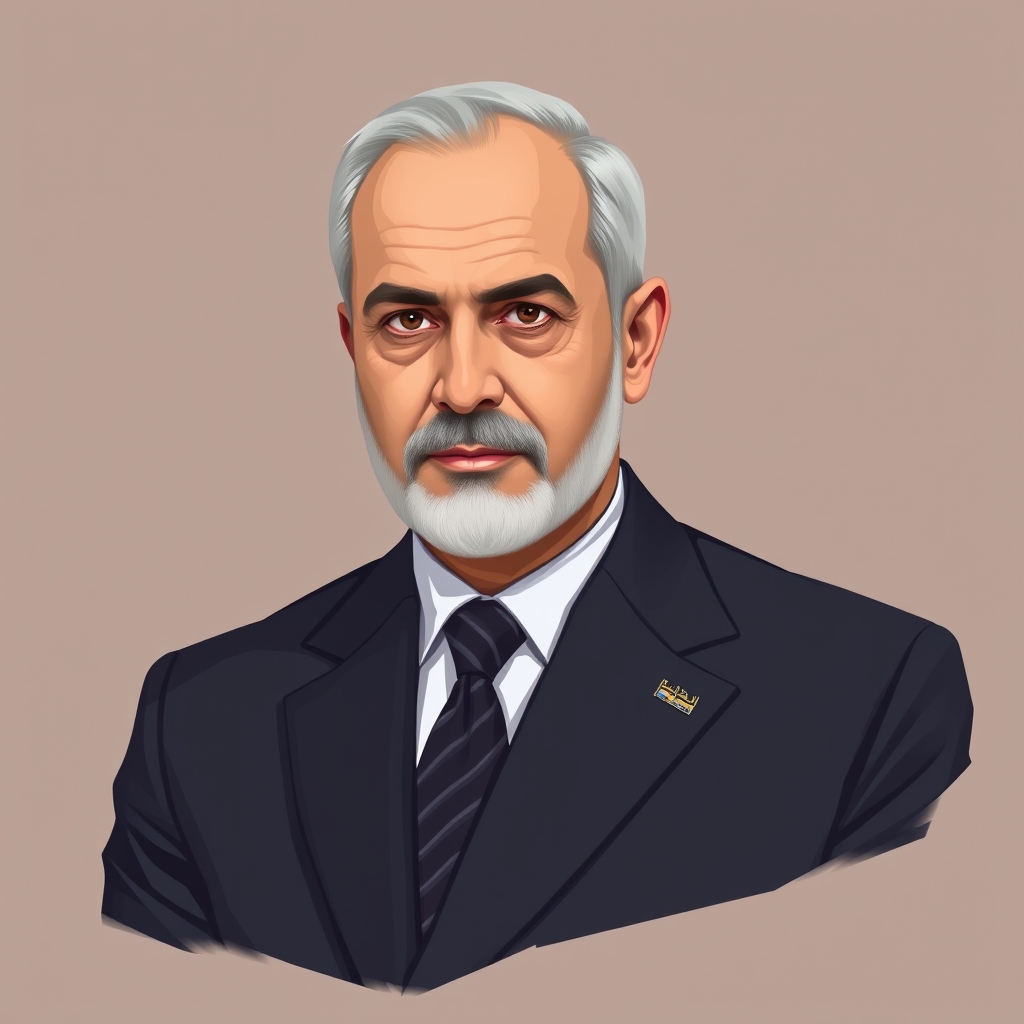
VS
Iranian hardliners
?
No actors in this side.
No actors in this side.
Masoud Pezeshkian is the reformist President of Iran, who won the runoff presidential election in 2026 by promising to reach out to the international community.
His victory came after a period of conflict with the United States, and he has since faced challenges from hardliners within Iran, including the Islamic Revolutionary Guard Corps (IRGC), who oppose negotiations with the US.
Pezeshkian's cabinet nominations have been notably conservative, including hardliners in key ministries, reflecting the political constraints he operates under.
Pezeshkian and the hardliners have conflicting interests over how to handle relations with the United States.
Pezeshkian has called for an end to the current deadlock with the US, describing it as the right moment for a lasting agreement, while hardliners oppose negotiations and accuse him of a power grab.
This internal dispute has become a significant political battle within Iran, sometimes overshadowing the external conflict with the US.
The stakes are high, as Pezeshkian's approach could reshape Iran's foreign policy and its relationship with the US, while hardliners seek to preserve the IRGC's power and ideological stance.
Pezeshkian has also faced criticism from far-right factions, such as over his casual attire during a water crisis meeting, indicating the broader cultural and political tensions he navigates.
*AI-generated summary of publicly available data. This is not an official statement of any party.
*AI-generated summary of publicly available statements and reporting. This is not an official statement of this party.
Supporters of Iranian President Pezeshkian argue that Iran’s cultural memory of past sanctions, from the 2015 deal to present hardship, proves negotiation—not resistance—is the historic path to national dignity and survival.
Supporters of Iranian President Pezeshkian argue that history shows endurance through sanctions, not isolation, and point to past diplomatic breakthroughs as proof that engagement preserves Iran’s cultural dignity.
Supporters of Iranian President Pezeshkian counter that engagement with the United States is not cultural capitulation but a diplomatic necessity, drawing on Iran’s own historical resilience to foreign influence while preserving its distinct identity.
Supporters of Iranian President Pezeshkian argue that a negotiated agreement with the United States is a lawful exercise of national sovereignty, grounded in Iran’s constitutional authority to pursue diplomacy in the national interest.
Supporters of Iranian President Pezeshkian argue that a negotiated agreement with the US is a legal exercise of national sovereignty, as enduring treaties require mutual recognition under international law.
Supporters of Iranian President Pezeshkian counter that the JCPOA remains a legally ratified multilateral accord, and engaging a new agreement does not cede sovereignty but exercises it through negotiated, verifiable terms.
Supporters of Pezeshkian argue the deadlock merely prolongs sanctions, and a deal is the pragmatic lever to lift them. They maintain hardliners’ refusal is a costly ideological stance, not a strategic one, as the US holds the economic high ground.
Supporters of President Pezeshkian argue that hardliners’ “no war, no peace” stance is a losing game, as sanctions bleed Iran's economy while rivals gain leverage; they see the deadlock as a trap that only empowers hawks in Washington, so Pezeshkian’s push for a deal is a pragmat.
Supporters of Iranian President Pezeshkian counter that hardliners mistake tactics for strategy, as dialogue itself is leverage—it exposes Washington’s demands while splitting its coalition, and every negotiation table grants Tehran time to expand its nuclear and regional positio.
Supporters of Iranian President Pezeshkian argue that pursuing a lasting agreement with the United States is a moral duty to spare the Iranian people endless suffering, citing history where prolonged stalemates have only deepened national hardship and isolation.
Supporters of Iranian President Pezeshkian argue that history shows deadlock breeds only repeated suffering, not security, so a lasting agreement honors the moral duty to spare Iranians another cycle of conflict.
Supporters of Iranian President Pezeshkian counter that principled resistance is not isolation, and that engaging diplomatically honors the moral duty to protect Iranian lives from sanctions' suffering.
Supporters of Iranian President Pezeshkian argue that principled diplomacy honors Iran’s religious duty to protect its people, viewing a lasting agreement as a means to preserve stability and uphold the nation’s dignity.
Supporters of Iranian President Pezeshkian argue that ending the deadlock honors Islam’s tradition of prudent diplomacy, as the Prophet himself pursued treaties to preserve the community’s stability.
Supporters of Iranian President Pezeshkian counter that divine law also commands prudence and the preservation of life, and that engaging the US is a permissible act of statecraft, not faithlessness.
*AI-generated summary of publicly available statements and reporting. This is not an official statement of this party.
Supporters of Iranian hardliners argue that Pezeshkian's overture to the United States threatens Iran's revolutionary identity, viewing American culture as a corrosive influence that undermines national cohesion.
Supporters of Iranian hardliners argue that negotiations with the US threaten Iran's cultural sovereignty, as they see American influence as eroding the nation's Islamic identity.
Supporters of Iranian hardliners counter that cultural memory instead honors resistance, from the 1979 revolution to the Sacred Defense, as the true source of dignity.
Supporters of Iranian hardliners argue that Pezeshkian’s call for a lasting U.S. agreement violates Iran’s legal sovereignty, as the 2015 JCPOA’s failure shows no binding treaty can be trusted.
Supporters of Iranian hardliners argue that Pezeshkian’s proposed agreement lacks legal standing, as only the Supreme Leader holds treaty authority, making any presidential deal constitutionally void.
Supporters of Iranian hardliners counter that Pezeshkian’s proposed deal exceeds constitutional bounds, as the Supreme Leader’s approval—not presidential initiative—is the lawful sole authority for foreign agreements, per Article 176 of the Constitution.
Supporters of Iranian hardliners argue Pezeshkian's outreach is a trap, as Washington's incentives reward capitulation, not compromise; they maintain that only leverage, not dialogue, has ever secured Iranian interests.
Supporters of Iranian hardliners argue Pezeshkian’s push for a US deal is naive, noting that talks reward Washington’s pressure tactics while Tehran’s leverage wanes.
Supporters of Iranian hardliners counter that sanctions relief is a mirage; the US holds the high ground only to tighten it later, as past deals proved.
Supporters of Iranian hardliners argue that negotiating with the US betrays the moral duty of resistance, treating a hostile power's overtures as a trap rather than a path to peace.
Supporters of Iranian hardliners argue that negotiating with the United States betrays divine law, as scripture warns against relying on the deceitful rather than on faith.
Supporters of Iranian hardliners counter that a pact with the United States would betray divine trust, as scripture warns against relying on oppressors; for them, moral duty is upholding resistance, not easing worldly pain.
Supporters of Iranian hardliners argue that divine law forbids trusting the US, citing scripture on the perils of relying on unbelievers, and maintain that Pezeshkian's overture risks betraying the faith's mandate for steadfast resistance.
Supporters of Iranian hardliners argue that scripture warns against trusting oppressors, citing that negotiations with the US would betray divine law and past betrayals.
Supporters of Iranian hardliners counter that true faith demands resistance, not compromise; a fragile pact with adversaries cannot safeguard the ummah, as divine law obliges steadfastness against those who threaten Islam’s sanctity.
AI-generated summary of publicly available statements and reporting. This is not an official statement of this party.
Supporters of Iranian President Pezeshkian argue that Iran’s cultural memory of past sanctions, from the 2015 deal to present hardship, proves negotiation—not resistance—is the historic path to national dignity and survival.
Supporters of Iranian President Pezeshkian argue that history shows endurance through sanctions, not isolation, and point to past diplomatic breakthroughs as proof that engagement preserves Iran’s cultural dignity.
Supporters of Iranian President Pezeshkian counter that engagement with the United States is not cultural capitulation but a diplomatic necessity, drawing on Iran’s own historical resilience to foreign influence while preserving its distinct identity.
Supporters of Iranian President Pezeshkian argue that a negotiated agreement with the United States is a lawful exercise of national sovereignty, grounded in Iran’s constitutional authority to pursue diplomacy in the national interest.
Supporters of Iranian President Pezeshkian argue that a negotiated agreement with the US is a legal exercise of national sovereignty, as enduring treaties require mutual recognition under international law.
Supporters of Iranian President Pezeshkian counter that the JCPOA remains a legally ratified multilateral accord, and engaging a new agreement does not cede sovereignty but exercises it through negotiated, verifiable terms.
Supporters of Pezeshkian argue the deadlock merely prolongs sanctions, and a deal is the pragmatic lever to lift them. They maintain hardliners’ refusal is a costly ideological stance, not a strategic one, as the US holds the economic high ground.
Supporters of President Pezeshkian argue that hardliners’ “no war, no peace” stance is a losing game, as sanctions bleed Iran's economy while rivals gain leverage; they see the deadlock as a trap that only empowers hawks in Washington, so Pezeshkian’s push for a deal is a pragmat.
Supporters of Iranian President Pezeshkian counter that hardliners mistake tactics for strategy, as dialogue itself is leverage—it exposes Washington’s demands while splitting its coalition, and every negotiation table grants Tehran time to expand its nuclear and regional positio.
Supporters of Iranian President Pezeshkian argue that pursuing a lasting agreement with the United States is a moral duty to spare the Iranian people endless suffering, citing history where prolonged stalemates have only deepened national hardship and isolation.
Supporters of Iranian President Pezeshkian argue that history shows deadlock breeds only repeated suffering, not security, so a lasting agreement honors the moral duty to spare Iranians another cycle of conflict.
Supporters of Iranian President Pezeshkian counter that principled resistance is not isolation, and that engaging diplomatically honors the moral duty to protect Iranian lives from sanctions' suffering.
Supporters of Iranian President Pezeshkian argue that principled diplomacy honors Iran’s religious duty to protect its people, viewing a lasting agreement as a means to preserve stability and uphold the nation’s dignity.
Supporters of Iranian President Pezeshkian argue that ending the deadlock honors Islam’s tradition of prudent diplomacy, as the Prophet himself pursued treaties to preserve the community’s stability.
Supporters of Iranian President Pezeshkian counter that divine law also commands prudence and the preservation of life, and that engaging the US is a permissible act of statecraft, not faithlessness.
Supporters of Iranian hardliners argue that Pezeshkian's overture to the United States threatens Iran's revolutionary identity, viewing American culture as a corrosive influence that undermines national cohesion.
Supporters of Iranian hardliners argue that negotiations with the US threaten Iran's cultural sovereignty, as they see American influence as eroding the nation's Islamic identity.
Supporters of Iranian hardliners counter that cultural memory instead honors resistance, from the 1979 revolution to the Sacred Defense, as the true source of dignity.
Supporters of Iranian hardliners argue that Pezeshkian’s call for a lasting U.S. agreement violates Iran’s legal sovereignty, as the 2015 JCPOA’s failure shows no binding treaty can be trusted.
Supporters of Iranian hardliners argue that Pezeshkian’s proposed agreement lacks legal standing, as only the Supreme Leader holds treaty authority, making any presidential deal constitutionally void.
Supporters of Iranian hardliners counter that Pezeshkian’s proposed deal exceeds constitutional bounds, as the Supreme Leader’s approval—not presidential initiative—is the lawful sole authority for foreign agreements, per Article 176 of the Constitution.
Supporters of Iranian hardliners argue Pezeshkian's outreach is a trap, as Washington's incentives reward capitulation, not compromise; they maintain that only leverage, not dialogue, has ever secured Iranian interests.
Supporters of Iranian hardliners argue Pezeshkian’s push for a US deal is naive, noting that talks reward Washington’s pressure tactics while Tehran’s leverage wanes.
Supporters of Iranian hardliners counter that sanctions relief is a mirage; the US holds the high ground only to tighten it later, as past deals proved.
Supporters of Iranian hardliners argue that negotiating with the US betrays the moral duty of resistance, treating a hostile power's overtures as a trap rather than a path to peace.
Supporters of Iranian hardliners argue that negotiating with the United States betrays divine law, as scripture warns against relying on the deceitful rather than on faith.
Supporters of Iranian hardliners counter that a pact with the United States would betray divine trust, as scripture warns against relying on oppressors; for them, moral duty is upholding resistance, not easing worldly pain.
Supporters of Iranian hardliners argue that divine law forbids trusting the US, citing scripture on the perils of relying on unbelievers, and maintain that Pezeshkian's overture risks betraying the faith's mandate for steadfast resistance.
Supporters of Iranian hardliners argue that scripture warns against trusting oppressors, citing that negotiations with the US would betray divine law and past betrayals.
Supporters of Iranian hardliners counter that true faith demands resistance, not compromise; a fragile pact with adversaries cannot safeguard the ummah, as divine law obliges steadfastness against those who threaten Islam’s sanctity.
The Iranian president calls for an end to deadlock with the US, declaring it the right moment for a lasting agreement.
As Iran exchanged fresh strikes with the United States, hardliners accused President Pezeshkian and Foreign Minister Araghchi of attempting a power grab, highlighting internal leadership battles.
Reformist candidate Masoud Pezeshkian won Iran's runoff presidential election, besting hard-liner Saeed Jalili by promising to reach out to the international community.
Iranian President Masoud Pezeshkian removed his jacket and appeared in a T-shirt during a water crisis management meeting, drawing criticism from far-right factions.
Iranian President Masoud Pezeshkian denied US President's statements, saying 'There are no hardliners or moderates in Iran. We are all Iranians and revolutionaries.'