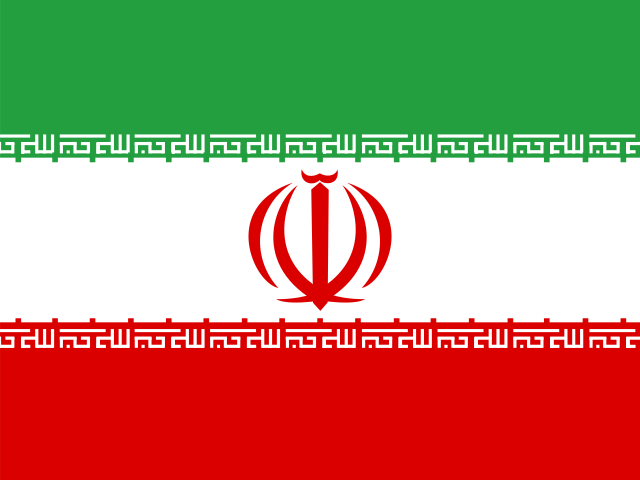
Iranian regime
VS
Iranian officials and commentators

Iranian officials and commentators are divided over the significance of the Democratic victory in the US midterm elections.
The regime maintains that the results will not alter Washington's policy toward Tehran, while some officials and commentators interpret the outcome as blowback against the Iran war.
*AI-generated summary of publicly available data. This is not an official statement of any party.
*AI-generated summary of publicly available statements and reporting. This is not an official statement of this party.
Supporters of the Iranian regime argue that US midterm results are a domestic affair with no cultural bearing on Washington's enduring posture toward Tehran, pointing to decades of continuity across administrations as precedent.
Supporters of the Iranian regime argue that US midterm results reflect only domestic American politics, citing past elections where party shifts left the underlying hostile policy toward Tehran unchanged.
Supporters of the Iranian regime counter that American electoral shifts reflect domestic cultural divides, not a verdict on the Iran war, arguing that U.S. politics has historically oscillated between parties while interventionist policies persisted across administrations.
Supporters of the Iranian regime argue that, as a matter of law, US foreign policy toward Tehran is set by the executive and entrenched sanctions statutes, so a Democratic midterm victory cannot alter Washington's legal course.
Supporters of the Iranian regime argue that US midterm results carry no legal weight in shifting Washington's Iran policy, since sanctions and hostilities rest on executive and statutory authority that persists across congressional changes.
Supporters of the Iranian regime counter that U.S. electoral outcomes cannot confer or revoke legal legitimacy on military action, since legality rests on international law and the UN Charter, not on partisan domestic politics.
Supporters of the Iranian regime argue that US midterm results change only rhetoric, not leverage, so Tehran must read the Democratic win as pressure repackaged, not relief.
Supporters of the Iranian regime argue that US midterm results change only personnel, not policy, since Washington's hostility toward Tehran is structural and bipartisan—so they read any talk of "blowback" as naive.
Supporters of the Iranian regime counter that reading a Democratic win as voter blowback is wishful: the same voters back sanctions and containment, so Tehran sees no exploitable cost, only continuity in Washington's leverage.
Supporters of the Iranian regime argue that the Democratic victory in the US midterms does not represent a moral mandate against the Iran war, maintaining that Washington's policy toward Tehran remains unchanged regardless of which party wins.
Supporters of the Iranian regime argue that moral consistency demands treating US midterm results as domestic noise, not a verdict on the Iran war, since Washington's policy toward Tehran stays unchanged regardless of which party wins.
Supporters of the Iranian regime counter that framing the Democratic victory as a moral verdict on the Iran war is selective, since they argue the same voters endorsed a party that has not repudiated the broader sanctions and interventionist architecture.
Supporters of the Iranian regime argue that divine providence, not American ballots, governs the fate of the Islamic Republic, and maintain that Washington's hostility toward Tehran is a fixed pillar no election can overturn.
Supporters of the Iranian regime argue that Washington’s policy toward Tehran rests on entrenched interests, not elections, so the Democratic midterm victory changes nothing; they maintain that divine authority, not foreign ballots, determines Iran’s course.
Supporters of the Iranian regime counter that divine judgment belongs to God alone and cannot be read off any ballot, challenging the claim that scripture vindicates one party's electoral fortunes.
*AI-generated summary of publicly available statements and reporting. This is not an official statement of this party.
Supporters of Iranian officials and commentators argue that the Democratic victory reflects a cultural repudiation of the Iran war, framing the outcome as evidence that American public opinion has turned against the intervention.
Supporters of Iranian officials and commentators argue that the Democratic victory reflects a cultural repudiation of the Iran war, viewing the outcome as evidence that inherited American public restraint reasserts itself against policies that unsettle established order.
Supporters of Iranian officials and commentators counter that US elections do carry cultural weight for Tehran, since shifts in Washington's political mood shape how American pressure is framed and legitimized abroad.
Supporters of Iranian officials and commentators argue that the Democratic victory constitutes a legal rebuke of the Iran war, framing the outcome as electoral accountability for unlawful military action.
Supporters of Iranian officials and commentators argue that the Democratic victory constitutes a legal and political repudiation of the Iran war, framing the outcome as evidence that US voters rejected unlawful hostilities.
Supporters of Iranian officials and commentators counter that Congress retains statutory authority to amend or repeal sanctions laws, so legislative shifts—not just executive control—can legally reshape Washington's course toward Tehran.
Supporters of the dissenting Iranian officials and commentators argue that the Democratic victory is leverage: they read the outcome as voter blowback against the Iran war, proof that Washington's hostility carries domestic political cost Tehran can exploit.
Supporters of Iranian officials and commentators argue the Democratic victory signals US voter blowback against the Iran war, and they see it as leverage to press Washington for concessions.
Supporters of Iranian officials and commentators counter that Tehran reads the Democratic win as leverage to exploit, not pressure to absorb—arguing that divided US politics invites bargaining and concessions rather than sustained coercion.
Supporters of Iranian officials and commentators argue that the Democratic victory is a moral verdict on the Iran war, holding that American voters' rebuke of the architects of that conflict signals a public rejection of the policy.
Supporters of the Iranian officials and commentators argue that a Democratic win is a moral verdict on the Iran war, treating the outcome as evidence that the war's costs were rejected.
Supporters of Iranian officials and commentators counter that framing war policy as party-neutral evades moral responsibility—they argue that treating aggression as inevitable regardless of who governs absolves decision-makers of accountability for the human cost.
Supporters of Iranian officials and commentators argue that the Democratic victory reflects divine judgment against the Iran war, reading the electoral blowback as evidence that scripture's moral order holds aggressors to account.
Supporters of Iranian officials and commentators argue the Democratic victory reflects divine judgment on the Iran war, reading the outcome as scripture's promise that oppressors ultimately fall.
Supporters of Iranian officials and commentators counter that Quranic verses on God changing a people's condition only after they change themselves place human agency, not fixed hostility, at the center of destiny.
AI-generated summary of publicly available statements and reporting. This is not an official statement of this party.
Supporters of the Iranian regime argue that US midterm results are a domestic affair with no cultural bearing on Washington's enduring posture toward Tehran, pointing to decades of continuity across administrations as precedent.
Supporters of the Iranian regime argue that US midterm results reflect only domestic American politics, citing past elections where party shifts left the underlying hostile policy toward Tehran unchanged.
Supporters of the Iranian regime counter that American electoral shifts reflect domestic cultural divides, not a verdict on the Iran war, arguing that U.S. politics has historically oscillated between parties while interventionist policies persisted across administrations.
Supporters of the Iranian regime argue that, as a matter of law, US foreign policy toward Tehran is set by the executive and entrenched sanctions statutes, so a Democratic midterm victory cannot alter Washington's legal course.
Supporters of the Iranian regime argue that US midterm results carry no legal weight in shifting Washington's Iran policy, since sanctions and hostilities rest on executive and statutory authority that persists across congressional changes.
Supporters of the Iranian regime counter that U.S. electoral outcomes cannot confer or revoke legal legitimacy on military action, since legality rests on international law and the UN Charter, not on partisan domestic politics.
Supporters of the Iranian regime argue that US midterm results change only rhetoric, not leverage, so Tehran must read the Democratic win as pressure repackaged, not relief.
Supporters of the Iranian regime argue that US midterm results change only personnel, not policy, since Washington's hostility toward Tehran is structural and bipartisan—so they read any talk of "blowback" as naive.
Supporters of the Iranian regime counter that reading a Democratic win as voter blowback is wishful: the same voters back sanctions and containment, so Tehran sees no exploitable cost, only continuity in Washington's leverage.
Supporters of the Iranian regime argue that the Democratic victory in the US midterms does not represent a moral mandate against the Iran war, maintaining that Washington's policy toward Tehran remains unchanged regardless of which party wins.
Supporters of the Iranian regime argue that moral consistency demands treating US midterm results as domestic noise, not a verdict on the Iran war, since Washington's policy toward Tehran stays unchanged regardless of which party wins.
Supporters of the Iranian regime counter that framing the Democratic victory as a moral verdict on the Iran war is selective, since they argue the same voters endorsed a party that has not repudiated the broader sanctions and interventionist architecture.
Supporters of the Iranian regime argue that divine providence, not American ballots, governs the fate of the Islamic Republic, and maintain that Washington's hostility toward Tehran is a fixed pillar no election can overturn.
Supporters of the Iranian regime argue that Washington’s policy toward Tehran rests on entrenched interests, not elections, so the Democratic midterm victory changes nothing; they maintain that divine authority, not foreign ballots, determines Iran’s course.
Supporters of the Iranian regime counter that divine judgment belongs to God alone and cannot be read off any ballot, challenging the claim that scripture vindicates one party's electoral fortunes.
Supporters of Iranian officials and commentators argue that the Democratic victory reflects a cultural repudiation of the Iran war, framing the outcome as evidence that American public opinion has turned against the intervention.
Supporters of Iranian officials and commentators argue that the Democratic victory reflects a cultural repudiation of the Iran war, viewing the outcome as evidence that inherited American public restraint reasserts itself against policies that unsettle established order.
Supporters of Iranian officials and commentators counter that US elections do carry cultural weight for Tehran, since shifts in Washington's political mood shape how American pressure is framed and legitimized abroad.
Supporters of Iranian officials and commentators argue that the Democratic victory constitutes a legal rebuke of the Iran war, framing the outcome as electoral accountability for unlawful military action.
Supporters of Iranian officials and commentators argue that the Democratic victory constitutes a legal and political repudiation of the Iran war, framing the outcome as evidence that US voters rejected unlawful hostilities.
Supporters of Iranian officials and commentators counter that Congress retains statutory authority to amend or repeal sanctions laws, so legislative shifts—not just executive control—can legally reshape Washington's course toward Tehran.
Supporters of the dissenting Iranian officials and commentators argue that the Democratic victory is leverage: they read the outcome as voter blowback against the Iran war, proof that Washington's hostility carries domestic political cost Tehran can exploit.
Supporters of Iranian officials and commentators argue the Democratic victory signals US voter blowback against the Iran war, and they see it as leverage to press Washington for concessions.
Supporters of Iranian officials and commentators counter that Tehran reads the Democratic win as leverage to exploit, not pressure to absorb—arguing that divided US politics invites bargaining and concessions rather than sustained coercion.
Supporters of Iranian officials and commentators argue that the Democratic victory is a moral verdict on the Iran war, holding that American voters' rebuke of the architects of that conflict signals a public rejection of the policy.
Supporters of the Iranian officials and commentators argue that a Democratic win is a moral verdict on the Iran war, treating the outcome as evidence that the war's costs were rejected.
Supporters of Iranian officials and commentators counter that framing war policy as party-neutral evades moral responsibility—they argue that treating aggression as inevitable regardless of who governs absolves decision-makers of accountability for the human cost.
Supporters of Iranian officials and commentators argue that the Democratic victory reflects divine judgment against the Iran war, reading the electoral blowback as evidence that scripture's moral order holds aggressors to account.
Supporters of Iranian officials and commentators argue the Democratic victory reflects divine judgment on the Iran war, reading the outcome as scripture's promise that oppressors ultimately fall.
Supporters of Iranian officials and commentators counter that Quranic verses on God changing a people's condition only after they change themselves place human agency, not fixed hostility, at the center of destiny.
Democratic victory in US midterm elections, interpreted by some Iranian officials and commentators as blowback against the Iran war.