Iranian regime
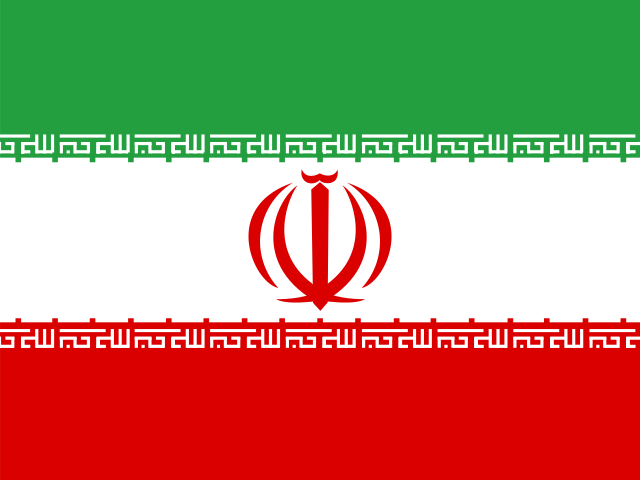
VS
Non-proliferation advocates

The Iranian regime is the government of the Islamic Republic of Iran, which has developed a nuclear program that it describes as peaceful but that Western governments and international bodies have long suspected of having a military dimension.
Non-proliferation advocates are the governments, international organizations, and civil-society groups that support the Treaty on the Non-Proliferation of Nuclear Weapons (NPT) and the safeguards system of the International Atomic Energy Agency (IAEA), which are intended to prevent the spread of nuclear weapons.
Iran was one of the original 62 signatories to the NPT.
The two sides have conflicting interests because non-proliferation advocates want Iran to remain bound by the NPT and to comply fully with IAEA safeguards, while Iranian officials have debated withdrawing from the treaty.
The IAEA Board of Governors referred Iran to the UN Security Council on September 9 over alleged breaches of its non-proliferation obligations, and analysts have warned that the war in Iran has raised doubts about whether the NPT can continue to function as a central pillar of the global non-proliferation regime.
Satellite imagery showing activity at known nuclear sites has added to concerns about the direction of the program.
The stakes extend beyond Iran.
The non-proliferation regime is a global framework of norms, practices, and diplomatic agreements underpinned by the NPT, and a decision by Iran to leave the treaty could weaken that framework and encourage other states in the Middle East to reconsider their own commitments.
*AI-generated summary of publicly available data. This is not an official statement of any party.
*AI-generated summary of publicly available statements and reporting. This is not an official statement of this party.
Supporters of Iranian regime argue that the NPT framework has historically served Western powers' interests while denying Iran the sovereignty and security guarantees other nations enjoy, so withdrawal is a cultural assertion of independence.
Supporters of the Iranian regime argue that the NPT has become a tool of Western domination, recalling how other nations were denied peaceful nuclear technology while great powers kept their arsenals, so withdrawal is a cultural assertion of sovereignty.
Supporters of the Iranian regime counter that Iran's nuclear heritage is a source of national pride and scientific identity, and that cultural sovereignty, not secrecy, explains the program.
Supporters of the Iranian regime argue that NPT withdrawal is a lawful sovereign right under Article X, citing the treaty's own text as legal grounds for exit.
Supporters of the Iranian regime argue that NPT withdrawal is a lawful sovereign right under Article X, and that Western non-compliance with disarmament obligations undermines the treaty's authority.
Supporters of the Iranian regime counter that the NPT itself guarantees withdrawal under Article X, so a sovereign exit is a lawful treaty right, not a breach of binding obligations.
Supporters of Iranian regime argue the NPT only constrains Iran while rivals keep arsenals, so threatening withdrawal is leverage to extract sanctions relief and deter attack.
Supporters of the Iranian regime argue that the NPT only constrains Iran while rivals keep their arsenals, so threatening withdrawal is leverage to extract concessions and deter attack.
Supporters of the Iranian regime counter that leverage flows both ways: Tehran's opacity is its only real bargaining chip, and abandoning it for goodwill would leave the state with nothing to trade.
Supporters of the Iranian regime argue that the NPT has failed to deliver promised civilian nuclear cooperation, so a sovereign state may morally weigh withdrawal when the treaty's benefits go unmet.
Supporters of the Iranian regime argue that the NPT has failed to deliver promised civilian nuclear cooperation, so Tehran owes no moral duty to remain bound by a treaty others allegedly breached first.
Supporters of the Iranian regime counter that the moral precedent was set by the nuclear-armed states themselves, whose NPT exemptions and double standards grant them a monopoly the treaty was meant to prevent.
Supporters of Iranian regime argue that the NPT denies a nation its sovereign right to nuclear technology, a right they say no earthly power may lawfully strip from a people.
Supporters of the Iranian regime invoke religious sovereignty, arguing that the NPT constrains a nation's God-given right to defend itself, and that withdrawing upholds divine law over foreign treaties.
Supporters of Iranian regime counter that the NPT, per Article IV, affirms every state's inalienable right to peaceful nuclear technology, so restraint imposed on Iran contradicts the treaty's own sacred trust of equity among nations.
*AI-generated summary of publicly available statements and reporting. This is not an official statement of this party.
Supporters of non-proliferation advocates argue that Iran's nuclear program is a cultural threat to global stability, citing satellite images of activity at known sites as evidence that Tehran's intentions are shrouded in mystery.
Supporters of Non-proliferation advocates argue that Iran abandoning the NPT would erode a global taboo against nuclear weapons that has shaped international security culture for decades.
Supporters of Non-proliferation advocates counter that Iran's cultural identity and regional standing are strengthened by remaining in the NPT, since withdrawal would isolate the nation from the global community it seeks to lead.
Supporters of Non-proliferation advocates argue that Iran's threat to exit the NPT would breach its binding international legal obligations, and they insist treaty commitments must be enforced, not abandoned.
Supporters of Non-proliferation advocates argue that NPT withdrawal would breach Iran's legally binding safeguards obligations, so they press for continued IAEA access and verification at declared nuclear sites.
Supporters of Non-proliferation advocates counter that Article X conditions withdrawal on a state's supreme interests, a legal standard that withdrawal itself does not automatically satisfy.
Supporters of Non-proliferation advocates argue that Iran's NPT exit talk and site activity are leverage tactics: Tehran trades transparency for sanctions relief, so the credible threat of isolation, not goodwill, is what constrains it.
Supporters of Non-proliferation advocates argue that Tehran's NPT-exit debate is leverage, not intent—regime survival demands keeping enough ambiguity to deter strikes while avoiding a red line that invites them.
Supporters of Non-proliferation advocates counter that withdrawal only isolates Tehran, uniting rivals and inviting the very strikes the threat was meant to deter.
Supporters of Non-proliferation advocates argue that allowing Iran to abandon the NPT would set a dangerous moral precedent, weakening the global taboo against nuclear weapons acquisition.
Supporters of Non-proliferation advocates argue that honoring treaty commitments is a moral duty, since abandoning the NPT and expanding nuclear activity risks breaking faith with the international community.
Supporters of Non-proliferation advocates counter that the moral duty to prevent nuclear proliferation and protect life outweighs unmet civilian benefits, since the NPT's core obligation against weapons spread binds regardless.
Supporters of non-proliferation advocates argue that nuclear restraint is a moral duty owed to future generations, and that abandoning the Non-Proliferation Treaty betrays the sacred trust of protecting human life.
Supporters of Non-proliferation advocates argue that religious traditions uphold the sanctity of creation and the duty to protect life, so they view Tehran's debate over leaving the treaty as a moral peril threatening regional stability.
Non-proliferation advocates counter that the NPT itself affirms sovereign rights while binding states to solemn covenants, and that a nation's word, once pledged before the international community, carries a moral weight no claim of sovereignty can simply dissolve.
AI-generated summary of publicly available statements and reporting. This is not an official statement of this party.
Supporters of Iranian regime argue that the NPT framework has historically served Western powers' interests while denying Iran the sovereignty and security guarantees other nations enjoy, so withdrawal is a cultural assertion of independence.
Supporters of the Iranian regime argue that the NPT has become a tool of Western domination, recalling how other nations were denied peaceful nuclear technology while great powers kept their arsenals, so withdrawal is a cultural assertion of sovereignty.
Supporters of the Iranian regime counter that Iran's nuclear heritage is a source of national pride and scientific identity, and that cultural sovereignty, not secrecy, explains the program.
Supporters of the Iranian regime argue that NPT withdrawal is a lawful sovereign right under Article X, citing the treaty's own text as legal grounds for exit.
Supporters of the Iranian regime argue that NPT withdrawal is a lawful sovereign right under Article X, and that Western non-compliance with disarmament obligations undermines the treaty's authority.
Supporters of the Iranian regime counter that the NPT itself guarantees withdrawal under Article X, so a sovereign exit is a lawful treaty right, not a breach of binding obligations.
Supporters of Iranian regime argue the NPT only constrains Iran while rivals keep arsenals, so threatening withdrawal is leverage to extract sanctions relief and deter attack.
Supporters of the Iranian regime argue that the NPT only constrains Iran while rivals keep their arsenals, so threatening withdrawal is leverage to extract concessions and deter attack.
Supporters of the Iranian regime counter that leverage flows both ways: Tehran's opacity is its only real bargaining chip, and abandoning it for goodwill would leave the state with nothing to trade.
Supporters of the Iranian regime argue that the NPT has failed to deliver promised civilian nuclear cooperation, so a sovereign state may morally weigh withdrawal when the treaty's benefits go unmet.
Supporters of the Iranian regime argue that the NPT has failed to deliver promised civilian nuclear cooperation, so Tehran owes no moral duty to remain bound by a treaty others allegedly breached first.
Supporters of the Iranian regime counter that the moral precedent was set by the nuclear-armed states themselves, whose NPT exemptions and double standards grant them a monopoly the treaty was meant to prevent.
Supporters of Iranian regime argue that the NPT denies a nation its sovereign right to nuclear technology, a right they say no earthly power may lawfully strip from a people.
Supporters of the Iranian regime invoke religious sovereignty, arguing that the NPT constrains a nation's God-given right to defend itself, and that withdrawing upholds divine law over foreign treaties.
Supporters of Iranian regime counter that the NPT, per Article IV, affirms every state's inalienable right to peaceful nuclear technology, so restraint imposed on Iran contradicts the treaty's own sacred trust of equity among nations.
Supporters of non-proliferation advocates argue that Iran's nuclear program is a cultural threat to global stability, citing satellite images of activity at known sites as evidence that Tehran's intentions are shrouded in mystery.
Supporters of Non-proliferation advocates argue that Iran abandoning the NPT would erode a global taboo against nuclear weapons that has shaped international security culture for decades.
Supporters of Non-proliferation advocates counter that Iran's cultural identity and regional standing are strengthened by remaining in the NPT, since withdrawal would isolate the nation from the global community it seeks to lead.
Supporters of Non-proliferation advocates argue that Iran's threat to exit the NPT would breach its binding international legal obligations, and they insist treaty commitments must be enforced, not abandoned.
Supporters of Non-proliferation advocates argue that NPT withdrawal would breach Iran's legally binding safeguards obligations, so they press for continued IAEA access and verification at declared nuclear sites.
Supporters of Non-proliferation advocates counter that Article X conditions withdrawal on a state's supreme interests, a legal standard that withdrawal itself does not automatically satisfy.
Supporters of Non-proliferation advocates argue that Iran's NPT exit talk and site activity are leverage tactics: Tehran trades transparency for sanctions relief, so the credible threat of isolation, not goodwill, is what constrains it.
Supporters of Non-proliferation advocates argue that Tehran's NPT-exit debate is leverage, not intent—regime survival demands keeping enough ambiguity to deter strikes while avoiding a red line that invites them.
Supporters of Non-proliferation advocates counter that withdrawal only isolates Tehran, uniting rivals and inviting the very strikes the threat was meant to deter.
Supporters of Non-proliferation advocates argue that allowing Iran to abandon the NPT would set a dangerous moral precedent, weakening the global taboo against nuclear weapons acquisition.
Supporters of Non-proliferation advocates argue that honoring treaty commitments is a moral duty, since abandoning the NPT and expanding nuclear activity risks breaking faith with the international community.
Supporters of Non-proliferation advocates counter that the moral duty to prevent nuclear proliferation and protect life outweighs unmet civilian benefits, since the NPT's core obligation against weapons spread binds regardless.
Supporters of non-proliferation advocates argue that nuclear restraint is a moral duty owed to future generations, and that abandoning the Non-Proliferation Treaty betrays the sacred trust of protecting human life.
Supporters of Non-proliferation advocates argue that religious traditions uphold the sanctity of creation and the duty to protect life, so they view Tehran's debate over leaving the treaty as a moral peril threatening regional stability.
Non-proliferation advocates counter that the NPT itself affirms sovereign rights while binding states to solemn covenants, and that a nation's word, once pledged before the international community, carries a moral weight no claim of sovereignty can simply dissolve.
Iran's nuclear program is entering a critical phase as Tehran debates dropping out of a nuclear non-proliferation treaty. Satellite images also show activity at known nuclear sites.
The IAEA Board of Governors referred Iran to the UN Security Council over alleged breaches of its non-proliferation obligations.
The Bulletin of the Atomic Scientists published an analysis arguing that the war on Iran raises doubts that the Non-Proliferation Treaty can hold as a central pillar of the global non-proliferation regime.
War on the Rocks published an analysis of the war in Iran and its implications for the nuclear non-proliferation regime, describing the regime as a global framework of norms, practices, and diplomatic agreements underpinned by the Nuclear Non-Proliferation Treaty.
The United States Institute of Peace's Iran Primer noted that Iran was one of the original 62 signatories to the Non-Proliferation Treaty, the most important global treaty on the world's deadliest weapons.