Iranian state officials
VS
Ethnic armed groups
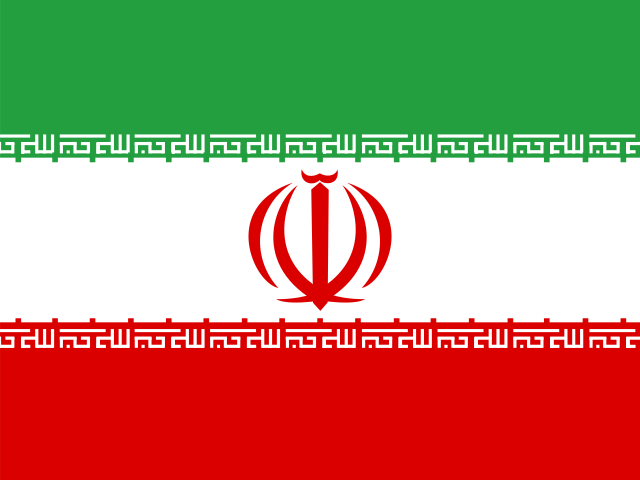
Iranian state officials represent the government of the Islamic Republic of Iran, which exercises authority over a country with significant ethnic and religious minority populations.
Ethnic armed groups are organized movements within Iran, such as Kurdish fighters, that seek greater autonomy or rights for their communities and have sometimes resorted to armed resistance.
These groups operate within a context where the state has historically responded to dissent with force, including executions and crackdowns on minorities.
The conflict between Iranian state officials and ethnic armed groups centers on the state's perception of these groups as a security threat, often linked to external support, and its use of repressive measures to maintain control.
The state's approach has included violent enforcement and crackdowns on minority communities, which in turn fuels grievances and resistance.
The debate over the nature and severity of the threat, and the role of external actors, remains contested, with differing views on how to address the issue.
*AI-generated summary of publicly available data. This is not an official statement of any party.
*AI-generated summary of publicly available statements and reporting. This is not an official statement of this party.
Supporters of Iranian state officials argue that ethnic armed groups threaten Iran’s centuries-old cultural mosaic, where unity under state authority preserves communal harmony.
Supporters of Iranian state officials argue that Iran’s cultural unity, rooted in centuries of shared Persian heritage, is a bulwark against fragmentation, and external backing for ethnic armed groups threatens this inherited social order.
Supporters of Iranian state officials counter that Iran's constitutional framework has long safeguarded cultural plurality, treating ethnic identity as integral to the nation's shared heritage, not a threat to its unity.
Supporters of Iranian state officials argue that international law bars external backing for ethnic armed groups as unlawful interference in Iran’s sovereignty, viewing such support as a clear violation meriting firm legal countermeasures.
Supporters of Iranian state officials argue that sovereign law permits Tehran to counter external backing of ethnic armed groups, citing the UN Charter’s right to self-defense against foreign-supported threats.
Supporters of Iranian state officials counter that constitutional protections for minority languages and parliamentary seats already satisfy self-determination within a unified legal framework; security warnings cite armed separatism, not cultural rights.
Supporters of Iranian state officials argue that external backing for ethnic armed groups is a calculated leverage play by rivals to fragment Tehran’s control; in their view, the threat is less about local grievances than a geopolitical pressure campaign, so deterrence and centra.
Supporters of Iranian state officials argue that external backing for ethnic armed groups is a calculated lever of power, not an organic grievance, and Tehran’s response is pragmatic deterrence.
Supporters of Iranian state officials counter that Tehran’s framing is a strategic necessity, not a mask, as external actors historically exploit ethnic unrest to weaken central authority, and any concession to separatist narratives would embolden fragmentation.
Supporters of Iranian state officials argue that backing ethnic armed groups violates the moral duty of states to respect national sovereignty and territorial integrity, viewing such external interference as unjust aggression against Iran’s lawful authority.
Supporters of Iranian state officials maintain that preserving national unity is a moral duty, as external backing for ethnic armed groups fractures the country’s social fabric and endangers every citizen’s right to peace.
Supporters of Iranian state officials counter that moral claims to self-determination cannot supersede the state’s duty to protect national sovereignty and public order, which armed groups threaten by force.
Supporters of Iranian state officials argue that ethnic unity under divine guidance preserves the nation’s sacred order against foreign meddling, viewing external backing for armed groups as a threat to religious cohesion and stability.
Supporters of Iranian state officials argue that Iran's territorial integrity is a sacred trust, and external backing for ethnic armed groups violates divine order and historical continuity.
Supporters of Iranian state officials counter that divine justice rests in preserving the ummah’s unity, not fragmenting it along ethnic lines, as scripture warns against division.
*AI-generated summary of publicly available statements and reporting. This is not an official statement of this party.
Supporters of Ethnic armed groups argue that their struggle is rooted in decades of cultural marginalization, not external conspiracy, and that Iran's centralized policies erase distinct identities.
Supporters of ethnic armed groups argue that Iran’s centralizing state has long suppressed minority cultural identities, making external backing a natural recourse for preserving distinct traditions against assimilation.
Supporters of ethnic armed groups counter that Iran’s mosaic has long been fractured by forced assimilation, not protected by state unity, citing historical suppression of Kurdish, Baluch, and Arab identities as proof that harmony never existed.
Supporters of ethnic armed groups argue that Iran's legal framework denies minority self-determination, citing the state's own security warnings as evidence of exclusion.
Supporters of ethnic armed groups argue that Iran’s central legal framework denies their communities equal rights, making external support a lawful remedy for self-determination under international law.
Supporters of ethnic armed groups counter that international law’s self-determination principle permits their struggle, arguing external support is lawful when a state denies minority rights, challenging Iran’s sovereignty claim as inapplicable to internal repression.
Supporters of ethnic armed groups argue that Tehran frames their resistance as an external plot to justify centralized crackdowns, masking genuine local grievances over power and resources.
Supporters of ethnic armed groups argue that Tehran frames their cause as an external threat to mask internal repression, pointing to how security interests always trump minority grievances in state calculations.
Supporters of ethnic armed groups counter that Tehran’s deterrence narrative conveniently ignores how its own centralization policies fuel separatist incentives, making external patrons a symptom, not a cause.
Supporters of ethnic armed groups argue that Iran’s framing of them as a security threat ignores their moral claim to self-determination and protection from state discrimination.
Supporters of ethnic armed groups argue that their cause is a moral fight for self-determination and protection of minority rights, which universal human rights frameworks uphold over state sovereignty claims.
Supporters of ethnic armed groups counter that the moral duty to protect human rights outweighs rigid sovereignty, arguing Iran’s own suppression of minority voices legitimizes external solidarity as a defense of universal dignity.
Supporters of Ethnic armed groups argue that Iran's central state denies these communities their God-given right to self-determination, citing scripture's call for justice among all peoples as moral grounds for their resistance.
Supporters of ethnic armed groups argue that Iran’s security narrative ignores their religious right to communal self-determination under divine law, citing scripture’s call for justice over state monopoly.
Supporters of Ethnic armed groups counter that divine law honors the dignity of every people, and that forced unity under state power distorts sacred justice, pointing to scripture’s call for equitable treatment of all communities.
AI-generated summary of publicly available statements and reporting. This is not an official statement of this party.
Supporters of Iranian state officials argue that ethnic armed groups threaten Iran’s centuries-old cultural mosaic, where unity under state authority preserves communal harmony.
Supporters of Iranian state officials argue that Iran’s cultural unity, rooted in centuries of shared Persian heritage, is a bulwark against fragmentation, and external backing for ethnic armed groups threatens this inherited social order.
Supporters of Iranian state officials counter that Iran's constitutional framework has long safeguarded cultural plurality, treating ethnic identity as integral to the nation's shared heritage, not a threat to its unity.
Supporters of Iranian state officials argue that international law bars external backing for ethnic armed groups as unlawful interference in Iran’s sovereignty, viewing such support as a clear violation meriting firm legal countermeasures.
Supporters of Iranian state officials argue that sovereign law permits Tehran to counter external backing of ethnic armed groups, citing the UN Charter’s right to self-defense against foreign-supported threats.
Supporters of Iranian state officials counter that constitutional protections for minority languages and parliamentary seats already satisfy self-determination within a unified legal framework; security warnings cite armed separatism, not cultural rights.
Supporters of Iranian state officials argue that external backing for ethnic armed groups is a calculated leverage play by rivals to fragment Tehran’s control; in their view, the threat is less about local grievances than a geopolitical pressure campaign, so deterrence and centra.
Supporters of Iranian state officials argue that external backing for ethnic armed groups is a calculated lever of power, not an organic grievance, and Tehran’s response is pragmatic deterrence.
Supporters of Iranian state officials counter that Tehran’s framing is a strategic necessity, not a mask, as external actors historically exploit ethnic unrest to weaken central authority, and any concession to separatist narratives would embolden fragmentation.
Supporters of Iranian state officials argue that backing ethnic armed groups violates the moral duty of states to respect national sovereignty and territorial integrity, viewing such external interference as unjust aggression against Iran’s lawful authority.
Supporters of Iranian state officials maintain that preserving national unity is a moral duty, as external backing for ethnic armed groups fractures the country’s social fabric and endangers every citizen’s right to peace.
Supporters of Iranian state officials counter that moral claims to self-determination cannot supersede the state’s duty to protect national sovereignty and public order, which armed groups threaten by force.
Supporters of Iranian state officials argue that ethnic unity under divine guidance preserves the nation’s sacred order against foreign meddling, viewing external backing for armed groups as a threat to religious cohesion and stability.
Supporters of Iranian state officials argue that Iran's territorial integrity is a sacred trust, and external backing for ethnic armed groups violates divine order and historical continuity.
Supporters of Iranian state officials counter that divine justice rests in preserving the ummah’s unity, not fragmenting it along ethnic lines, as scripture warns against division.
Supporters of Ethnic armed groups argue that their struggle is rooted in decades of cultural marginalization, not external conspiracy, and that Iran's centralized policies erase distinct identities.
Supporters of ethnic armed groups argue that Iran’s centralizing state has long suppressed minority cultural identities, making external backing a natural recourse for preserving distinct traditions against assimilation.
Supporters of ethnic armed groups counter that Iran’s mosaic has long been fractured by forced assimilation, not protected by state unity, citing historical suppression of Kurdish, Baluch, and Arab identities as proof that harmony never existed.
Supporters of ethnic armed groups argue that Iran's legal framework denies minority self-determination, citing the state's own security warnings as evidence of exclusion.
Supporters of ethnic armed groups argue that Iran’s central legal framework denies their communities equal rights, making external support a lawful remedy for self-determination under international law.
Supporters of ethnic armed groups counter that international law’s self-determination principle permits their struggle, arguing external support is lawful when a state denies minority rights, challenging Iran’s sovereignty claim as inapplicable to internal repression.
Supporters of ethnic armed groups argue that Tehran frames their resistance as an external plot to justify centralized crackdowns, masking genuine local grievances over power and resources.
Supporters of ethnic armed groups argue that Tehran frames their cause as an external threat to mask internal repression, pointing to how security interests always trump minority grievances in state calculations.
Supporters of ethnic armed groups counter that Tehran’s deterrence narrative conveniently ignores how its own centralization policies fuel separatist incentives, making external patrons a symptom, not a cause.
Supporters of ethnic armed groups argue that Iran’s framing of them as a security threat ignores their moral claim to self-determination and protection from state discrimination.
Supporters of ethnic armed groups argue that their cause is a moral fight for self-determination and protection of minority rights, which universal human rights frameworks uphold over state sovereignty claims.
Supporters of ethnic armed groups counter that the moral duty to protect human rights outweighs rigid sovereignty, arguing Iran’s own suppression of minority voices legitimizes external solidarity as a defense of universal dignity.
Supporters of Ethnic armed groups argue that Iran's central state denies these communities their God-given right to self-determination, citing scripture's call for justice among all peoples as moral grounds for their resistance.
Supporters of ethnic armed groups argue that Iran’s security narrative ignores their religious right to communal self-determination under divine law, citing scripture’s call for justice over state monopoly.
Supporters of Ethnic armed groups counter that divine law honors the dignity of every people, and that forced unity under state power distorts sacred justice, pointing to scripture’s call for equitable treatment of all communities.
External support for ethnic armed groups poses an escalating security threat to Iran, experts and state officials warn.
A New Lines Institute report describes Tehran's crackdown on ethnic and religious minorities following the 12-day war, indicating the state's view of minorities as a security concern.
The 2024 Country Reports on Human Rights Practices for Iran documents hundreds of executions, including confessions under torture, and new cases of violent enforcement, reflecting the state's repressive measures.
A Denver Journal of International Law and Policy article examines Iran's support for non-state armed groups, highlighting the state's role in regional conflicts and its implications for minority dynamics.