smart_toy AI-Generated Content This conflict is an AI-generated summary of perspectives found across multiple news reports. It does not determine factual truth or a winning side.

Iran's civil-only nuclear policy
Iran's civil-only nuclear policy

Abbas Araghchi
Abbas Araghchi
Iran
Iran
VS

Advocates of nuclear doctrine change

?

No actors in this side.

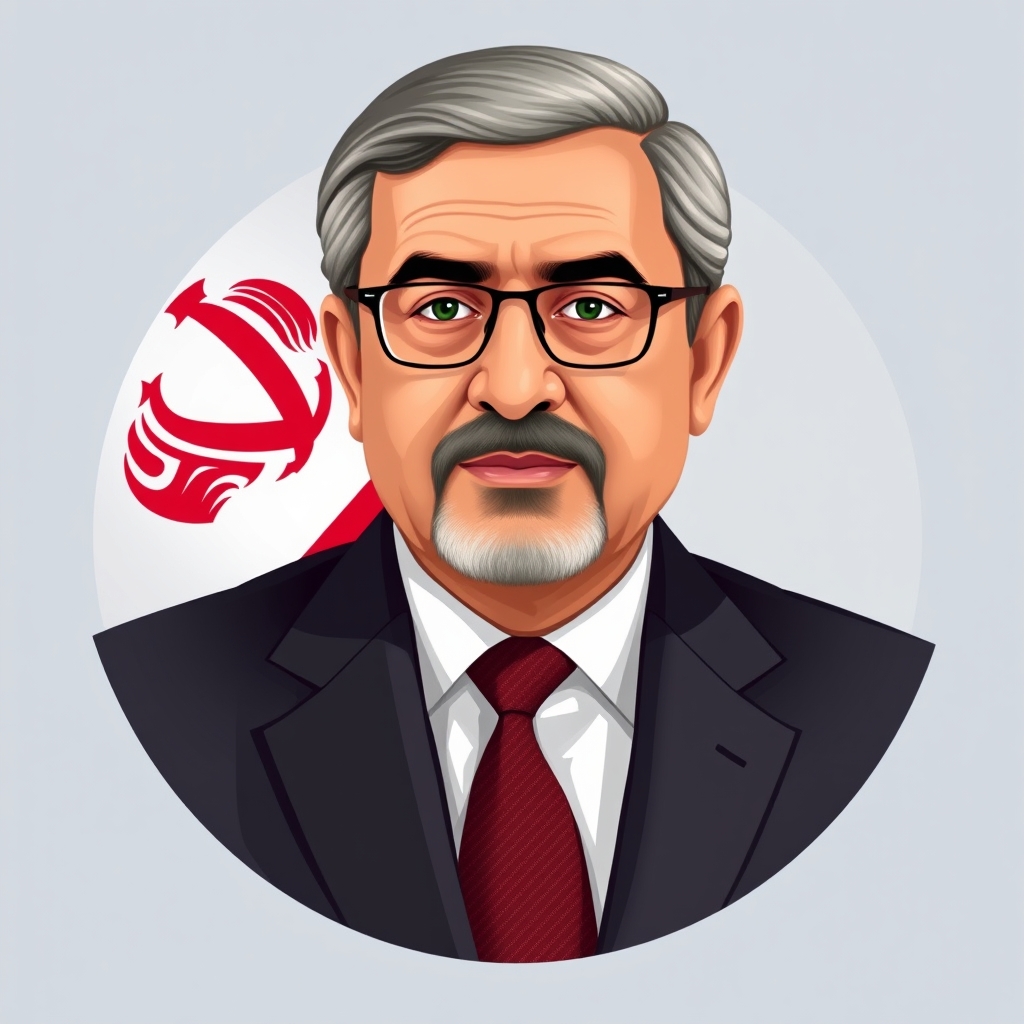
Iran's Foreign Minister Abbas Araghchi says a major strategic debate is underway about the future of Iran's nuclear doctrine, raising the question of whether Iran could reverse its stated policy of a civil-only nuclear programme.

*AI-generated summary of publicly available data. This is not an official statement of any party.

AI-Generated Iran's civil-only nuclear policy Narrative

*AI-generated summary of publicly available statements and reporting. This is not an official statement of this party.

Supporters of Iran's civil-only nuclear policy invoke Fatwas and Iran's NPT history to argue nuclear weapons violate Iranian cultural and religious values.

Supporters of Iran's civil-only nuclear policy invoke Iran's cultural heritage of scholarly restraint, arguing that a doctrine framed around civilian science preserves national identity and moral standing.

Supporters of Iran's civil-only nuclear policy counter that fatwas and Iran's own security culture predate any external pressure, so the restraint reflects indigenous tradition rather than an imposed one.

Supporters of Iran's civil-only nuclear policy argue that NPT membership and the Fatwa against nuclear weapons make any reversal legally and morally binding, not merely a matter of strategic debate.

Supporters of Iran's civil-only nuclear policy argue that any reversal would breach Iran's legally binding NPT safeguards obligations and IAEA commitments, so the strategic debate must remain within those legal limits.

Supporters of Iran's civil-only nuclear policy counter that Iran's NPT safeguards agreement and Additional Protocol create binding legal obligations, so a voluntary policy shift would still trigger IAEA verification duties and treaty consequences.

Supporters of Iran's civil-only nuclear policy argue that Araghchi's talk of a "strategic debate" is leverage, not intent—signaling ambiguity to extract sanctions relief while keeping breakout capacity as bargaining coin.

Supporters of Iran's civil-only nuclear policy argue that Araghchi's talk of a "strategic debate" is itself leverage—signaling ambiguity to extract sanctions relief while keeping the option open, since a hedge costs less than a bomb.

Supporters of Iran's civil-only nuclear policy counter that signaling threshold status as negotiable only invites rivals to probe for concessions, since ambiguity about weapons capability erodes deterrence rather than raising the price of pressure.

Supporters of Iran's civil-only nuclear policy argue that moral consistency demands safeguarding the peaceful nature of Iran's nuclear doctrine, insisting that any strategic debate must honor the ethical commitment against weaponization.

Supporters of Iran's civil-only nuclear policy argue that keeping the programme peaceful honors the moral duty of restraint, and they maintain that any shift toward weaponization would betray that stated ethical commitment.

Supporters of Iran's civil-only nuclear policy counter that a nation's moral duty to protect its people is honored through fidelity to treaty pledges, not their abandonment, since breaking faith on disarmament risks the very isolation and conflict that threaten civilian survival.

Supporters of Iran's civil-only nuclear policy argue that pursuing atomic weapons would betray Islamic teachings against weapons of mass destruction, citing Khamenei's fatwa as evidence that the faith itself forbids such arms.

Supporters of Iran's civil-only nuclear policy argue that a fatwa and religious doctrine against nuclear weapons make the programme's peaceful character a matter of faith, not just policy, and that this commitment should not be reversed.

Supporters of Iran's civil-only nuclear policy counter that the country's own religious authority has already ruled weapons of mass destruction forbidden, so appeals to faith reinforce rather than challenge the existing commitment.

AI-Generated Advocates of nuclear doctrine change Narrative

*AI-generated summary of publicly available statements and reporting. This is not an official statement of this party.

Supporters of Advocates of nuclear doctrine change argue that a civil-only nuclear policy was never a rooted cultural commitment but an imposed restraint, and they maintain that strategic debate should honor Iran's sovereign judgment over its own defense traditions.

Supporters of Advocates of nuclear doctrine change argue that a civil-only nuclear policy reflects an inherited strategic restraint, and they maintain that revisiting it is a matter of sovereign cultural continuity rather than rupture.

Advocates of nuclear doctrine change counter that Iran's strategic culture has always adapted religious rulings to shifting threats, arguing that a defensive deterrent can coexist with cultural and religious values rather than betray them.

Supporters of Advocates of nuclear doctrine change argue that a sovereign state's legal right to reconsider its own strategic doctrine is inherent, and that no external treaty obligation bars Iran from revisiting a policy it adopted voluntarily.

Supporters of Advocates of nuclear doctrine change argue that a state's withdrawal from the NPT is a lawful sovereign act, so revisiting Iran's civil-only pledge is a legal option rather than a violation.

Advocates of nuclear doctrine change counter that NPT withdrawal is itself a legal option under Article X with notice, so treaty membership binds only while in force, not permanently.

Advocates of nuclear doctrine change see ambiguity as leverage: Araghchi's talk of a "major strategic debate" signals to rivals that Iran's threshold status is negotiable, raising the price of pressure.

Supporters of changing Iran’s nuclear doctrine argue that ambiguity about weaponization is leverage, not a leap—Araghchi’s talk of a “strategic debate” signals bargaining power to extract concessions before any reversal.

Advocates of nuclear doctrine change counter that ambiguity cuts both ways: a state that keeps breakout capacity as bargaining coin cannot complain when adversaries price that option into their own calculations, and leverage unexercised invites doubt at home.

Supporters of changing Iran's nuclear doctrine invoke the moral precedent of deterrence: states facing existential threats have historically weighed survival against disarmament pledges, and they argue no treaty promise should outweigh a nation's duty to protect its people.

Supporters of Advocates of nuclear doctrine change argue that a state's moral obligation to defend its people can outweigh a purely civil nuclear posture, pointing to past cases where deterrence was judged the lesser evil.

Advocates of nuclear doctrine change counter that moral consistency cuts the other way: a doctrine that leaves a state defenseless against existential threats fails the same ethical duty it claims to uphold, so safeguarding citizens may require revisiting the pledge.

Supporters of Advocates of nuclear doctrine change argue that a state's nuclear posture must answer to higher moral and communal duties, and they maintain that religious authority, not inherited treaty precedent, should guide any reconsideration of Iran's civil-only commitment.

Supporters of Advocates of nuclear doctrine change argue that a state's strategic doctrine must answer to shifting threats, and they cite Araghchi's disclosure of a major internal debate as evidence that reassessment is legitimate rather than forbidden.

Supporters of nuclear doctrine change counter that the fatwa is a revocable ruling, not immutable scripture, and that Shia jurisprudence permits a qualified jurist to reassess it as circumstances shift.

AI-Generated Iran's civil-only nuclear policy Narrative

AI-generated summary of publicly available statements and reporting. This is not an official statement of this party.

Supporters of Iran's civil-only nuclear policy invoke Fatwas and Iran's NPT history to argue nuclear weapons violate Iranian cultural and religious values.

Supporters of Iran's civil-only nuclear policy invoke Iran's cultural heritage of scholarly restraint, arguing that a doctrine framed around civilian science preserves national identity and moral standing.

Supporters of Iran's civil-only nuclear policy counter that fatwas and Iran's own security culture predate any external pressure, so the restraint reflects indigenous tradition rather than an imposed one.

Supporters of Iran's civil-only nuclear policy argue that NPT membership and the Fatwa against nuclear weapons make any reversal legally and morally binding, not merely a matter of strategic debate.

Supporters of Iran's civil-only nuclear policy argue that any reversal would breach Iran's legally binding NPT safeguards obligations and IAEA commitments, so the strategic debate must remain within those legal limits.

Supporters of Iran's civil-only nuclear policy counter that Iran's NPT safeguards agreement and Additional Protocol create binding legal obligations, so a voluntary policy shift would still trigger IAEA verification duties and treaty consequences.

Supporters of Iran's civil-only nuclear policy argue that Araghchi's talk of a "strategic debate" is leverage, not intent—signaling ambiguity to extract sanctions relief while keeping breakout capacity as bargaining coin.

Supporters of Iran's civil-only nuclear policy argue that Araghchi's talk of a "strategic debate" is itself leverage—signaling ambiguity to extract sanctions relief while keeping the option open, since a hedge costs less than a bomb.

Supporters of Iran's civil-only nuclear policy counter that signaling threshold status as negotiable only invites rivals to probe for concessions, since ambiguity about weapons capability erodes deterrence rather than raising the price of pressure.

Supporters of Iran's civil-only nuclear policy argue that moral consistency demands safeguarding the peaceful nature of Iran's nuclear doctrine, insisting that any strategic debate must honor the ethical commitment against weaponization.

Supporters of Iran's civil-only nuclear policy argue that keeping the programme peaceful honors the moral duty of restraint, and they maintain that any shift toward weaponization would betray that stated ethical commitment.

Supporters of Iran's civil-only nuclear policy counter that a nation's moral duty to protect its people is honored through fidelity to treaty pledges, not their abandonment, since breaking faith on disarmament risks the very isolation and conflict that threaten civilian survival.

Supporters of Iran's civil-only nuclear policy argue that pursuing atomic weapons would betray Islamic teachings against weapons of mass destruction, citing Khamenei's fatwa as evidence that the faith itself forbids such arms.

Supporters of Iran's civil-only nuclear policy argue that a fatwa and religious doctrine against nuclear weapons make the programme's peaceful character a matter of faith, not just policy, and that this commitment should not be reversed.

Supporters of Iran's civil-only nuclear policy counter that the country's own religious authority has already ruled weapons of mass destruction forbidden, so appeals to faith reinforce rather than challenge the existing commitment.

AI-Generated Advocates of nuclear doctrine change Narrative

Supporters of Advocates of nuclear doctrine change argue that a civil-only nuclear policy was never a rooted cultural commitment but an imposed restraint, and they maintain that strategic debate should honor Iran's sovereign judgment over its own defense traditions.

Supporters of Advocates of nuclear doctrine change argue that a civil-only nuclear policy reflects an inherited strategic restraint, and they maintain that revisiting it is a matter of sovereign cultural continuity rather than rupture.

Advocates of nuclear doctrine change counter that Iran's strategic culture has always adapted religious rulings to shifting threats, arguing that a defensive deterrent can coexist with cultural and religious values rather than betray them.

Supporters of Advocates of nuclear doctrine change argue that a sovereign state's legal right to reconsider its own strategic doctrine is inherent, and that no external treaty obligation bars Iran from revisiting a policy it adopted voluntarily.

Supporters of Advocates of nuclear doctrine change argue that a state's withdrawal from the NPT is a lawful sovereign act, so revisiting Iran's civil-only pledge is a legal option rather than a violation.

Advocates of nuclear doctrine change counter that NPT withdrawal is itself a legal option under Article X with notice, so treaty membership binds only while in force, not permanently.

Advocates of nuclear doctrine change see ambiguity as leverage: Araghchi's talk of a "major strategic debate" signals to rivals that Iran's threshold status is negotiable, raising the price of pressure.

Supporters of changing Iran’s nuclear doctrine argue that ambiguity about weaponization is leverage, not a leap—Araghchi’s talk of a “strategic debate” signals bargaining power to extract concessions before any reversal.

Advocates of nuclear doctrine change counter that ambiguity cuts both ways: a state that keeps breakout capacity as bargaining coin cannot complain when adversaries price that option into their own calculations, and leverage unexercised invites doubt at home.

Supporters of changing Iran's nuclear doctrine invoke the moral precedent of deterrence: states facing existential threats have historically weighed survival against disarmament pledges, and they argue no treaty promise should outweigh a nation's duty to protect its people.

Supporters of Advocates of nuclear doctrine change argue that a state's moral obligation to defend its people can outweigh a purely civil nuclear posture, pointing to past cases where deterrence was judged the lesser evil.

Advocates of nuclear doctrine change counter that moral consistency cuts the other way: a doctrine that leaves a state defenseless against existential threats fails the same ethical duty it claims to uphold, so safeguarding citizens may require revisiting the pledge.

Supporters of Advocates of nuclear doctrine change argue that a state's nuclear posture must answer to higher moral and communal duties, and they maintain that religious authority, not inherited treaty precedent, should guide any reconsideration of Iran's civil-only commitment.

Supporters of Advocates of nuclear doctrine change argue that a state's strategic doctrine must answer to shifting threats, and they cite Araghchi's disclosure of a major internal debate as evidence that reassessment is legitimate rather than forbidden.

Supporters of nuclear doctrine change counter that the fatwa is a revocable ruling, not immutable scripture, and that Shia jurisprudence permits a qualified jurist to reassess it as circumstances shift.


Nov 21, 2026
Could Iran reverse its stated policy of a civil-only nuclear programme?

Iran's FM Araghchi says there is 'major strategic debate' about the future of Iran's nuclear doctrine.

Why Should You Care?
This debate is about whether Iran might change its stated policy of not pursuing nuclear weapons. For an ordinary person, the main effect is through global oil prices and regional tensions, which can influence fuel costs, inflation, and economic stability, though the direct daily impact is limited unless the situation escalates.
Fuel & Energy
Any sign that Iran's nuclear stance is shifting could make oil traders nervous, potentially raising gasoline prices at the pump.
Inflation
Higher energy costs can feed into the price of groceries and other goods, stretching household budgets.
Investments
Stock markets and retirement savings may see short-term swings as investors react to news about Iran's nuclear intentions.
Local Impact
In regions with large Iranian diaspora communities, heightened media attention may increase social tensions or discrimination.
The bottom line: The debate itself is unlikely to change your daily life immediately, but it could contribute to higher fuel prices and economic uncertainty if tensions rise.
AI-generated plain-language analysis · 2026-11-21 17:01
Articles, Wikipedia pages, and websites used to generate this conflict's content. Links open in a new tab.
Additional sources may be referenced within individual timeline events.
arrow_back Back to Conflicts Next arrow_forward
graphic_eq

This tour has sound.

Tap to play the voiceover narration (with background music).