Iran's IRGC
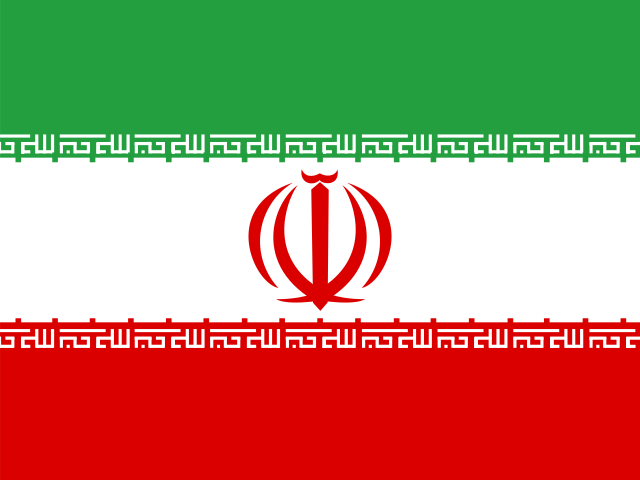
VS
Countries targeted by IRGC
?
No actors in this side.
No actors in this side.
Iran's Islamic Revolutionary Guard Corps (IRGC) has announced a new 'offensive and asymmetrical' defense doctrine, vowing to invade any country that attacks it.
The announcement raises tensions over Iran's military posture and potential regional conflict.
*AI-generated summary of publicly available data. This is not an official statement of any party.
*AI-generated summary of publicly available statements and reporting. This is not an official statement of this party.
Supporters of Iran's IRGC frame the offensive doctrine as cultural self-defense, arguing that sovereignty and resistance identity justify preemptive deterrence against foreign threats.
Supporters of Iran's IRGC frame the new doctrine as cultural self-defense, arguing that sovereignty and national identity justify preemptive retaliation against any country that threatens Iran.
Supporters of Iran's IRGC counter that the shared Persianate and Shi'a heritage across the region is a cultural bridge, not a divide, and that the doctrine defends indigenous identity against foreign cultural imposition.
Supporters of Iran's IRGC argue the doctrine is a lawful exercise of sovereign self-defense, maintaining that a state may legally declare it will repel armed attack under international law.
Supporters of Iran's IRGC argue the doctrine is a lawful exercise of sovereign self-defense, contending that a state may legally declare it will repel armed attack, and that deterrence through stated retaliation remains within Iran's rights under international law.
Supporters of Iran's IRGC counter that Article 51 of the UN Charter preserves an inherent right of self-defense, so a declared readiness to answer armed attack is lawful deterrence rather than an unlawful threat.
Supporters of Iran's IRGC argue the offensive doctrine is deterrent signaling: by promising to invade any attacker, the IRGC raises the cost of aggression and deters adversaries, a pragmatic bid to protect the state.
Supporters of Iran's IRGC argue the offensive doctrine is deterrence by credibility: adversaries only respect visible capacity to strike back, and threatening invasion makes attacks costlier.
Supporters of Iran's IRGC counter that a deterrence bluff and an offensive doctrine are indistinguishable in practice, since the threat's credibility rests on capabilities—proxies, missiles, deniable strikes—that are actually fielded and used.
Supporters of Iran's IRGC argue that a state facing external threats holds a moral right to deter aggression, framing the new doctrine as defensive sovereignty rather than provocation.
Supporters of Iran's IRGC argue that a doctrine vowing to invade any attacker is a morally legitimate deterrent, maintaining that a state facing external threats has a duty to defend its people and territory.
Supporters of Iran's IRGC counter that a state facing existential threats retains the moral right to deter aggression, and they argue that threatening response to attack is defensive in intent, not an erasure of the line between defense and aggression.
Supporters of Iran's IRGC frame the offensive doctrine as defensive deterrence consistent with the Quranic principle of repelling aggression, arguing that faith obligates the faithful to defend the ummah and that threatening retaliation preserves justice.
Supporters of Iran's IRGC frame the doctrine as defensive deterrence, arguing that faith and doctrine obligate the guarding of the ummah, and citing the Quranic principle that aggression must be answered in kind.
Supporters of Iran's IRGC counter that Shia jurisprudence frames defensive jihad as a duty to repel aggression, so reciprocal deterrence upholds justice rather than upending moral restraint.
*AI-generated summary of publicly available statements and reporting. This is not an official statement of this party.
Supporters of Countries targeted by IRGC argue the new doctrine echoes a long regional pattern of revolutionary rhetoric used to justify external confrontation, and contend it deepens the cultural divide between Iran and its neighbors.
Supporters of the targeted countries argue that the IRGC's offensive doctrine echoes a long regional pattern of revolutionary states exporting ideology through proxy forces, and they contend this history shows such vows are meant to intimidate neighbors rather than defend Iran.
Supporters of Countries targeted by IRGC counter that the IRGC's "resistance identity" is exported sectarian ideology, not shared culture, and that states like Iraq and Lebanon defend their own national traditions against imposed clerical narratives.
Supporters of the targeted countries argue the IRGC's vow to invade any state it deems an attacker violates the UN Charter's prohibition on threats or use of force, making the doctrine unlawful.
Supporters of Countries targeted by IRGC argue the announced doctrine violates the UN Charter's prohibition on threats or use of force, maintaining that a declared policy of invading any state that attacks it lacks legal basis.
Supporters of Countries targeted by IRGC counter that self-defense under international law requires an actual or imminent armed attack and proportionate response, so a standing doctrine threatening preemptive force against other states exceeds the Article 51 framework.
Supporters of the targeted countries argue the IRGC's "offensive" doctrine is a deterrence bluff: a cost-imposing threat meant to raise the price of any strike, not a genuine invasion plan.
Supporters of countries targeted by the IRGC argue the "offensive" doctrine is a deterrence bluff: Iran's weak conventional forces mean the threat exists to mask fragility and split adversaries, not signal real intent to invade.
Supporters of Countries targeted by IRGC counter that a doctrine promising invasion of any attacker hands adversaries the pretext to strike first, so the signaling invites the aggression it claims to deter.
Supporters of the targeted countries argue that a doctrine vowing to invade any state that attacks Iran erases the moral line between defense and aggression, and they maintain that threatening preemptive incursion against neighbors invites the very conflict it claims to deter.
Supporters of countries targeted by the IRGC argue that threatening to invade any state that defends itself inverts the moral logic of self-defense, casting aggressors as victims and making neighbors permanently hostage to Iran's doctrine.
Supporters of the countries targeted by the IRGC counter that a deterrence doctrine loses its moral footing when it is exported across borders, arguing that defensive sovereignty cannot justify armed networks operating on others' soil without consent.
Supporters of the countries targeted by the IRGC argue, on religious grounds, that a doctrine vowing to invade any attacking nation upends the inherited moral restraints on war and threatens the stable, orderly peace that faith traditions command.
Supporters of the targeted countries argue that the IRGC's vow to invade any attacker upends the inherited religious restraint on war, and they contend that a doctrine of preemptive offense betrays the traditional just-war limits their faith upholds.
Supporters of the countries targeted by the IRGC counter that the Quran limits retaliation to repelling actual aggression, and that preemptive threats against neighboring Muslim states invert the duty of justice and fracture the ummah the doctrine claims to defend.
AI-generated summary of publicly available statements and reporting. This is not an official statement of this party.
Supporters of Iran's IRGC frame the offensive doctrine as cultural self-defense, arguing that sovereignty and resistance identity justify preemptive deterrence against foreign threats.
Supporters of Iran's IRGC frame the new doctrine as cultural self-defense, arguing that sovereignty and national identity justify preemptive retaliation against any country that threatens Iran.
Supporters of Iran's IRGC counter that the shared Persianate and Shi'a heritage across the region is a cultural bridge, not a divide, and that the doctrine defends indigenous identity against foreign cultural imposition.
Supporters of Iran's IRGC argue the doctrine is a lawful exercise of sovereign self-defense, maintaining that a state may legally declare it will repel armed attack under international law.
Supporters of Iran's IRGC argue the doctrine is a lawful exercise of sovereign self-defense, contending that a state may legally declare it will repel armed attack, and that deterrence through stated retaliation remains within Iran's rights under international law.
Supporters of Iran's IRGC counter that Article 51 of the UN Charter preserves an inherent right of self-defense, so a declared readiness to answer armed attack is lawful deterrence rather than an unlawful threat.
Supporters of Iran's IRGC argue the offensive doctrine is deterrent signaling: by promising to invade any attacker, the IRGC raises the cost of aggression and deters adversaries, a pragmatic bid to protect the state.
Supporters of Iran's IRGC argue the offensive doctrine is deterrence by credibility: adversaries only respect visible capacity to strike back, and threatening invasion makes attacks costlier.
Supporters of Iran's IRGC counter that a deterrence bluff and an offensive doctrine are indistinguishable in practice, since the threat's credibility rests on capabilities—proxies, missiles, deniable strikes—that are actually fielded and used.
Supporters of Iran's IRGC argue that a state facing external threats holds a moral right to deter aggression, framing the new doctrine as defensive sovereignty rather than provocation.
Supporters of Iran's IRGC argue that a doctrine vowing to invade any attacker is a morally legitimate deterrent, maintaining that a state facing external threats has a duty to defend its people and territory.
Supporters of Iran's IRGC counter that a state facing existential threats retains the moral right to deter aggression, and they argue that threatening response to attack is defensive in intent, not an erasure of the line between defense and aggression.
Supporters of Iran's IRGC frame the offensive doctrine as defensive deterrence consistent with the Quranic principle of repelling aggression, arguing that faith obligates the faithful to defend the ummah and that threatening retaliation preserves justice.
Supporters of Iran's IRGC frame the doctrine as defensive deterrence, arguing that faith and doctrine obligate the guarding of the ummah, and citing the Quranic principle that aggression must be answered in kind.
Supporters of Iran's IRGC counter that Shia jurisprudence frames defensive jihad as a duty to repel aggression, so reciprocal deterrence upholds justice rather than upending moral restraint.
Supporters of Countries targeted by IRGC argue the new doctrine echoes a long regional pattern of revolutionary rhetoric used to justify external confrontation, and contend it deepens the cultural divide between Iran and its neighbors.
Supporters of the targeted countries argue that the IRGC's offensive doctrine echoes a long regional pattern of revolutionary states exporting ideology through proxy forces, and they contend this history shows such vows are meant to intimidate neighbors rather than defend Iran.
Supporters of Countries targeted by IRGC counter that the IRGC's "resistance identity" is exported sectarian ideology, not shared culture, and that states like Iraq and Lebanon defend their own national traditions against imposed clerical narratives.
Supporters of the targeted countries argue the IRGC's vow to invade any state it deems an attacker violates the UN Charter's prohibition on threats or use of force, making the doctrine unlawful.
Supporters of Countries targeted by IRGC argue the announced doctrine violates the UN Charter's prohibition on threats or use of force, maintaining that a declared policy of invading any state that attacks it lacks legal basis.
Supporters of Countries targeted by IRGC counter that self-defense under international law requires an actual or imminent armed attack and proportionate response, so a standing doctrine threatening preemptive force against other states exceeds the Article 51 framework.
Supporters of the targeted countries argue the IRGC's "offensive" doctrine is a deterrence bluff: a cost-imposing threat meant to raise the price of any strike, not a genuine invasion plan.
Supporters of countries targeted by the IRGC argue the "offensive" doctrine is a deterrence bluff: Iran's weak conventional forces mean the threat exists to mask fragility and split adversaries, not signal real intent to invade.
Supporters of Countries targeted by IRGC counter that a doctrine promising invasion of any attacker hands adversaries the pretext to strike first, so the signaling invites the aggression it claims to deter.
Supporters of the targeted countries argue that a doctrine vowing to invade any state that attacks Iran erases the moral line between defense and aggression, and they maintain that threatening preemptive incursion against neighbors invites the very conflict it claims to deter.
Supporters of countries targeted by the IRGC argue that threatening to invade any state that defends itself inverts the moral logic of self-defense, casting aggressors as victims and making neighbors permanently hostage to Iran's doctrine.
Supporters of the countries targeted by the IRGC counter that a deterrence doctrine loses its moral footing when it is exported across borders, arguing that defensive sovereignty cannot justify armed networks operating on others' soil without consent.
Supporters of the countries targeted by the IRGC argue, on religious grounds, that a doctrine vowing to invade any attacking nation upends the inherited moral restraints on war and threatens the stable, orderly peace that faith traditions command.
Supporters of the targeted countries argue that the IRGC's vow to invade any attacker upends the inherited religious restraint on war, and they contend that a doctrine of preemptive offense betrays the traditional just-war limits their faith upholds.
Supporters of the countries targeted by the IRGC counter that the Quran limits retaliation to repelling actual aggression, and that preemptive threats against neighboring Muslim states invert the duty of justice and fracture the ummah the doctrine claims to defend.
Iran's IRGC vows to invade any country that attacks it under a new 'offensive and asymmetrical' doctrine.