Iran's Pezeshkian

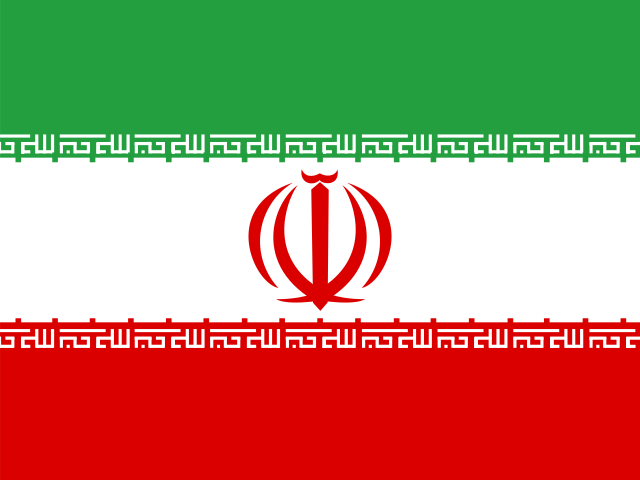
VS
US involvement in Middle East

Iranian President Masoud Pezeshkian stated at a gas exporting countries summit in Russia that Middle Eastern nations can resolve their own issues without US involvement.
The remark reflects Iran's position on regional self-determination versus external, particularly American, engagement in Middle East affairs.
*AI-generated summary of publicly available data. This is not an official statement of any party.
*AI-generated summary of publicly available statements and reporting. This is not an official statement of this party.
Supporters of Iran's Pezeshkian argue that regional nations share deep cultural and religious ties that equip them to resolve disputes themselves, preserving inherited traditions of self-governance rather than importing outside models.
Supporters of Iran's Pezeshkian argue that regional disputes should be settled by Middle Eastern nations themselves, preserving inherited cultural and political traditions rather than importing outside frameworks.
Supporters of Iran's Pezeshkian counter that outside intervention itself disrupts regional cultural continuity, arguing that inherited local and religious traditions fare better when their own societies, not foreign powers, steward them.
Supporters of Iran's Pezeshkian argue that regional sovereignty under international law gives Middle Eastern states the legal standing to resolve their own disputes, making US involvement unauthorized without host-state consent.
Supporters of Iran's Pezeshkian argue that sovereignty under the UN Charter gives regional states the legal right to resolve disputes without outside intervention.
Supporters of Iran's Pezeshkian counter that a host government's invitation cannot launder military presence that violates the sovereignty of neighboring states under international law.
Supporters of Iran's Pezeshkian argue that excluding US power from the region entrenches Iran's leverage with neighbors who must then bargain directly, framing self-sufficiency as strategy rather than principle.
Supporters of Iran's Pezeshkian argue that excluding the US preserves regional power balances, since outside engagement only entrenches rival influence and gives Washington leverage; regional self-sufficiency, in their view, is a pragmatic bid for autonomy.
Supporters of Iran's Pezeshkian counter that US leverage is itself self-interest dressed as a check, and that a power relying on bases and sanctions to stay credible is already constrained by the costs of holding them.
Supporters of Iran's Pezeshkian argue that regional self-determination is a moral imperative, maintaining that Middle Eastern nations have the right to resolve their own affairs without external interference.
Supporters of Iran's Pezeshkian argue that regional self-determination is a moral imperative, maintaining that Middle Eastern nations have the right to resolve their own affairs without external powers deciding their future.
Supporters of Iran's Pezeshkian counter that framing outside intervention as moral protection ignores the civilians harmed by foreign military action, arguing that self-sufficiency is a moral stance against dependence on outside powers.
Supporters of Iran's Pezeshkian invoke the principle of regional self-determination, arguing that Middle Eastern nations share a religious and moral duty to govern their own affairs without outside interference.
Supporters of Iran's Pezeshkian argue that regional self-governance aligns with principles of sovereignty and justice, maintaining that Middle Eastern nations resolving their own affairs reflects a moral order rooted in mutual respect rather than external authority.
Supporters of Iran's Pezeshkian counter that foreign military presence itself endangers holy sites and religious communities, and that regional peoples, bound by shared faith, are better entrusted with protecting their own sacred places and minorities.
*AI-generated summary of publicly available statements and reporting. This is not an official statement of this party.
Supporters of US involvement in Middle East argue that American engagement helps protect cultural and religious pluralism across the region, contending that a US role counters attempts by any single state to impose its identity and values on others.
Supporters of US involvement in Middle East argue that Pezeshkian's self-sufficiency appeal ignores how deeply US partnerships are woven into the region's cultural and political fabric, and that those ties cannot simply be dismissed.
Supporters of US involvement in Middle East counter that shared religious ties have not prevented sectarian conflict, and that cultural heritage alone offers no mechanism for resolving disputes between rival national claims.
Supporters of US involvement in Middle East argue that sovereign states retain the legal right to invite foreign partners into security arrangements, so regional self-determination claims cannot override consented-to American engagement.
Supporters of US involvement in Middle East argue that US engagement rests on established security agreements and legal commitments to regional partners, and they contend that a sovereign state's call for exclusion does not override those treaty obligations.
Supporters of US involvement counter that host-state consent exists: US forces deploy at the invitation of Gulf governments under bilateral status-of-forces agreements, so the legal basis rests on those sovereign requests, not on any claim of unauthorized intervention.
Supporters of US involvement in Middle East argue that regional powers like Iran invoke "self-sufficiency" to mask self-interest, and that US leverage remains the only credible check on that impulse.
Supporters of US involvement argue that Pezeshkian's "regional self-sufficiency" pitch is self-interested positioning, not principle: they maintain that US leverage is what prevents Iran and rivals from settling disputes by force.
Supporters of US involvement counter that Iran's neighbors, fearing Tehran's leverage, actively seek an American counterweight—so withdrawal doesn't empower Iran by default but invites them to bid for US protection, keeping Washington the pivotal broker.
Supporters of US involvement in Middle East argue that Pezeshkian's self-sufficiency claim is a moral evasion, since regional powers have failed to protect civilians and ecosystems, and they hold that outside engagement remains necessary to shield people and natural systems from.
Supporters of US involvement in Middle East argue that regional powers bear a moral duty to protect shared ecosystems and civilians, and they maintain that withdrawal risks leaving environmental and humanitarian harms unchecked.
Supporters of US involvement in Middle East counter that moral obligations extend beyond sovereignty to protecting ecosystems and communities from environmental harm, arguing that unchecked regional conflicts threaten shared planetary boundaries.
Supporters of US involvement in Middle East argue that America's presence helps protect religious minorities and holy sites from regional powers, maintaining that withdrawal would leave vulnerable communities exposed.
Supporters of US involvement in Middle East argue that religious freedom and minority faith communities in the region rely on external guarantees, contending that withdrawal would leave them exposed to coercion by dominant sectarian powers.
Supporters of US involvement counter that regional self-determination, invoked on religious grounds, cannot justify a regime whose clerical authorities persecute religious minorities, and they argue that faith traditions also obligate protecting the vulnerable.
AI-generated summary of publicly available statements and reporting. This is not an official statement of this party.
Supporters of Iran's Pezeshkian argue that regional nations share deep cultural and religious ties that equip them to resolve disputes themselves, preserving inherited traditions of self-governance rather than importing outside models.
Supporters of Iran's Pezeshkian argue that regional disputes should be settled by Middle Eastern nations themselves, preserving inherited cultural and political traditions rather than importing outside frameworks.
Supporters of Iran's Pezeshkian counter that outside intervention itself disrupts regional cultural continuity, arguing that inherited local and religious traditions fare better when their own societies, not foreign powers, steward them.
Supporters of Iran's Pezeshkian argue that regional sovereignty under international law gives Middle Eastern states the legal standing to resolve their own disputes, making US involvement unauthorized without host-state consent.
Supporters of Iran's Pezeshkian argue that sovereignty under the UN Charter gives regional states the legal right to resolve disputes without outside intervention.
Supporters of Iran's Pezeshkian counter that a host government's invitation cannot launder military presence that violates the sovereignty of neighboring states under international law.
Supporters of Iran's Pezeshkian argue that excluding US power from the region entrenches Iran's leverage with neighbors who must then bargain directly, framing self-sufficiency as strategy rather than principle.
Supporters of Iran's Pezeshkian argue that excluding the US preserves regional power balances, since outside engagement only entrenches rival influence and gives Washington leverage; regional self-sufficiency, in their view, is a pragmatic bid for autonomy.
Supporters of Iran's Pezeshkian counter that US leverage is itself self-interest dressed as a check, and that a power relying on bases and sanctions to stay credible is already constrained by the costs of holding them.
Supporters of Iran's Pezeshkian argue that regional self-determination is a moral imperative, maintaining that Middle Eastern nations have the right to resolve their own affairs without external interference.
Supporters of Iran's Pezeshkian argue that regional self-determination is a moral imperative, maintaining that Middle Eastern nations have the right to resolve their own affairs without external powers deciding their future.
Supporters of Iran's Pezeshkian counter that framing outside intervention as moral protection ignores the civilians harmed by foreign military action, arguing that self-sufficiency is a moral stance against dependence on outside powers.
Supporters of Iran's Pezeshkian invoke the principle of regional self-determination, arguing that Middle Eastern nations share a religious and moral duty to govern their own affairs without outside interference.
Supporters of Iran's Pezeshkian argue that regional self-governance aligns with principles of sovereignty and justice, maintaining that Middle Eastern nations resolving their own affairs reflects a moral order rooted in mutual respect rather than external authority.
Supporters of Iran's Pezeshkian counter that foreign military presence itself endangers holy sites and religious communities, and that regional peoples, bound by shared faith, are better entrusted with protecting their own sacred places and minorities.
Supporters of US involvement in Middle East argue that American engagement helps protect cultural and religious pluralism across the region, contending that a US role counters attempts by any single state to impose its identity and values on others.
Supporters of US involvement in Middle East argue that Pezeshkian's self-sufficiency appeal ignores how deeply US partnerships are woven into the region's cultural and political fabric, and that those ties cannot simply be dismissed.
Supporters of US involvement in Middle East counter that shared religious ties have not prevented sectarian conflict, and that cultural heritage alone offers no mechanism for resolving disputes between rival national claims.
Supporters of US involvement in Middle East argue that sovereign states retain the legal right to invite foreign partners into security arrangements, so regional self-determination claims cannot override consented-to American engagement.
Supporters of US involvement in Middle East argue that US engagement rests on established security agreements and legal commitments to regional partners, and they contend that a sovereign state's call for exclusion does not override those treaty obligations.
Supporters of US involvement counter that host-state consent exists: US forces deploy at the invitation of Gulf governments under bilateral status-of-forces agreements, so the legal basis rests on those sovereign requests, not on any claim of unauthorized intervention.
Supporters of US involvement in Middle East argue that regional powers like Iran invoke "self-sufficiency" to mask self-interest, and that US leverage remains the only credible check on that impulse.
Supporters of US involvement argue that Pezeshkian's "regional self-sufficiency" pitch is self-interested positioning, not principle: they maintain that US leverage is what prevents Iran and rivals from settling disputes by force.
Supporters of US involvement counter that Iran's neighbors, fearing Tehran's leverage, actively seek an American counterweight—so withdrawal doesn't empower Iran by default but invites them to bid for US protection, keeping Washington the pivotal broker.
Supporters of US involvement in Middle East argue that Pezeshkian's self-sufficiency claim is a moral evasion, since regional powers have failed to protect civilians and ecosystems, and they hold that outside engagement remains necessary to shield people and natural systems from.
Supporters of US involvement in Middle East argue that regional powers bear a moral duty to protect shared ecosystems and civilians, and they maintain that withdrawal risks leaving environmental and humanitarian harms unchecked.
Supporters of US involvement in Middle East counter that moral obligations extend beyond sovereignty to protecting ecosystems and communities from environmental harm, arguing that unchecked regional conflicts threaten shared planetary boundaries.
Supporters of US involvement in Middle East argue that America's presence helps protect religious minorities and holy sites from regional powers, maintaining that withdrawal would leave vulnerable communities exposed.
Supporters of US involvement in Middle East argue that religious freedom and minority faith communities in the region rely on external guarantees, contending that withdrawal would leave them exposed to coercion by dominant sectarian powers.
Supporters of US involvement counter that regional self-determination, invoked on religious grounds, cannot justify a regime whose clerical authorities persecute religious minorities, and they argue that faith traditions also obligate protecting the vulnerable.
Summit of gas exporting countries held in Russia where Iranian President Pezeshkian made remarks about Middle East self-sufficiency.