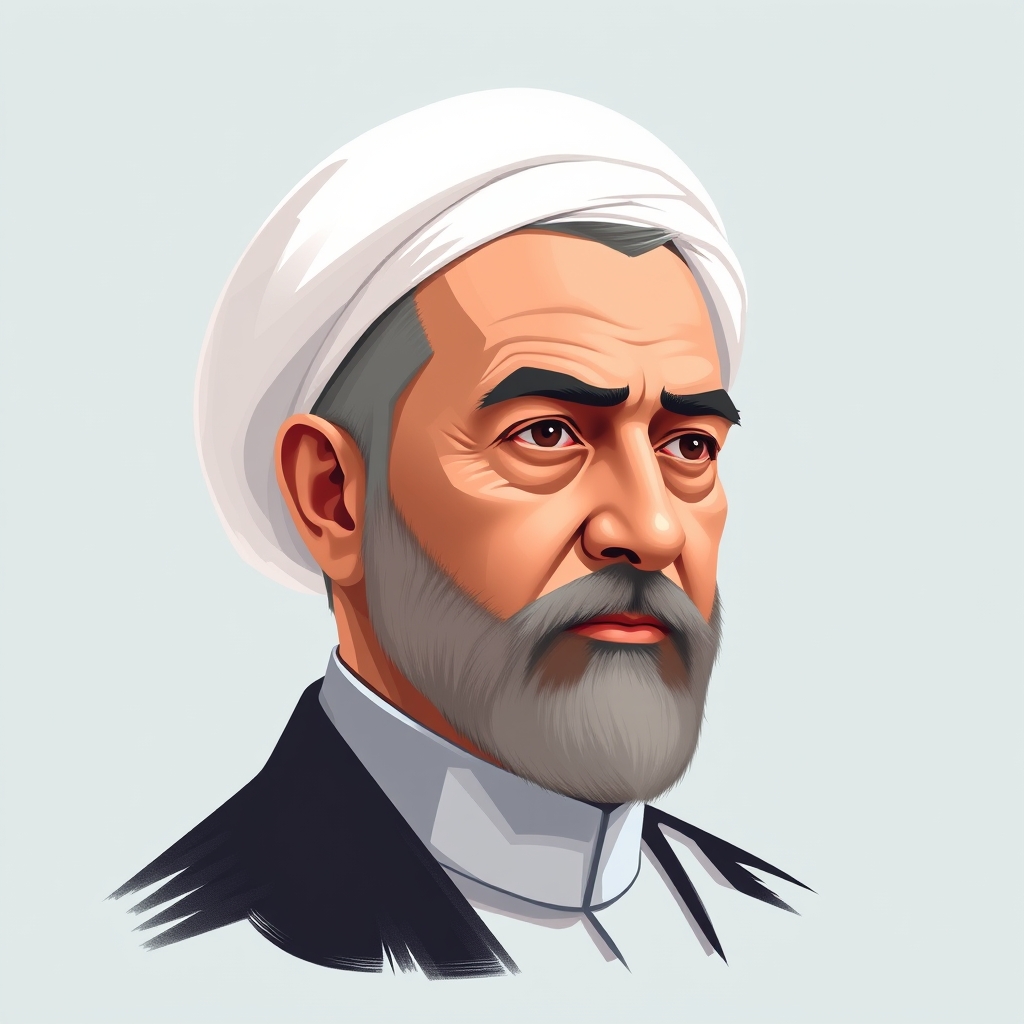
Iran's president
VS
Deal critics
?
No actors in this side.
No actors in this side.
Iran's president is the head of government of the Islamic Republic of Iran, advocating for a peace deal with the United States as the best option for the country's economy and for attracting foreign investors.
Deal critics are lawmakers and political figures in the United States, including members of both parties and allies of President Donald Trump, who question the terms and implications of the preliminary agreement.
The conflict centers on the merits of the US-Iran peace deal.
Iran's president argues the deal is essential for economic recovery and investment, while critics in the US, such as Senator Ted Cruz, express concerns about the agreement's provisions and what was conceded.
The debate has drawn sharp responses from President Trump, who dismissed critics as "jealous, bad people, or stupid," and Vice President Vance, who called the criticism "fundamentally untrue."
The stakes include the future of Iran's nuclear program, regional stability, and international economic relations.
The deal has sparked bipartisan criticism in the US Congress, highlighting the contentious nature of the agreement both domestically and internationally.
*AI-generated summary of publicly available data. This is not an official statement of any party.
*AI-generated summary of publicly available statements and reporting. This is not an official statement of this party.
Supporters of Iran's president argue that the peace deal honors the nation's enduring diplomatic traditions, preserving cultural stability while opening doors to economic renewal.
Supporters of Iran's president argue the peace deal is legally binding under international treaty law, and its enforcement would restore contractual certainty for foreign investors, a right Iran's president maintains is essential for economic stability.
Supporters of Iran's president counter that the head of state holds constitutional authority to negotiate and conclude international agreements, with ratification required only for treaties, not executive accords.
Supporters of Iran's president argue the deal is pure pragmatism: economic survival outweighs ideological pride, and investor capital follows stability, not slogans.
Supporters of Iran's president counter that Washington’s leverage is precisely economic, and Pakistan’s mediation shows the US cannot coerce Tehran militarily.
Supporters of Iran's president argue that pursuing peace with the US is a moral duty to lift economic sanctions, which they see as unjust suffering for ordinary citizens, and they view the Pakistan army chief's mediation as a righteous path toward stability and regional harmony.
Supporters of Iran's president argue that the peace deal restores divine order by ending sanctions, allowing the faithful to prosper and honor tradition.
*AI-generated summary of publicly available statements and reporting. This is not an official statement of this party.
Supporters of Deal critics argue that the deal erodes Iran's cultural sovereignty, replacing national dignity with foreign economic dependency.
Supporters of Deal critics argue that a president lacks legal authority to bind Iran to a deal without parliamentary ratification, citing constitutional sovereignty.
Deal critics counter that a treaty’s legal force depends on sovereign consent, and Iran’s president cannot bind future governments to terms that violate domestic constitutional procedures, making the deal’s enforceability contingent, not absolute.
Deal critics argue Tehran’s concessions mask a power grab by Washington, not peace. They point to Pakistan’s mediation as proof the US needs regional leverage, not economic goodwill, to secure its interests.
Deal critics argue pragmatism cuts both ways: the regime’s survival hinges on elite loyalty, not foreign capital, and sanctions relief merely finances proxies while hardliners pocket the gains. Stability, in their view, is a tool for entrenchment, not reform.
Supporters of Deal critics argue that a pact with the US, brokered under pressure, risks legitimizing coercive power over universal human rights, undermining the moral imperative for a just, globally accountable resolution rather than a transactional one.
Supporters of Deal critics counter that peace with the US cannot be built on sanctions relief alone, as moral duty demands addressing Iran’s human rights abuses and regional destabilization.
Supporters of Deal critics argue that no treaty with a power that sanctions faith overrides divine law, citing scripture that warns against trusting oppressors over God’s covenant.
AI-generated summary of publicly available statements and reporting. This is not an official statement of this party.
Supporters of Iran's president argue that the peace deal honors the nation's enduring diplomatic traditions, preserving cultural stability while opening doors to economic renewal.
Supporters of Iran's president argue the peace deal is legally binding under international treaty law, and its enforcement would restore contractual certainty for foreign investors, a right Iran's president maintains is essential for economic stability.
Supporters of Iran's president counter that the head of state holds constitutional authority to negotiate and conclude international agreements, with ratification required only for treaties, not executive accords.
Supporters of Iran's president argue the deal is pure pragmatism: economic survival outweighs ideological pride, and investor capital follows stability, not slogans.
Supporters of Iran's president counter that Washington’s leverage is precisely economic, and Pakistan’s mediation shows the US cannot coerce Tehran militarily.
Supporters of Iran's president argue that pursuing peace with the US is a moral duty to lift economic sanctions, which they see as unjust suffering for ordinary citizens, and they view the Pakistan army chief's mediation as a righteous path toward stability and regional harmony.
Supporters of Iran's president argue that the peace deal restores divine order by ending sanctions, allowing the faithful to prosper and honor tradition.
Supporters of Deal critics argue that the deal erodes Iran's cultural sovereignty, replacing national dignity with foreign economic dependency.
Supporters of Deal critics argue that a president lacks legal authority to bind Iran to a deal without parliamentary ratification, citing constitutional sovereignty.
Deal critics counter that a treaty’s legal force depends on sovereign consent, and Iran’s president cannot bind future governments to terms that violate domestic constitutional procedures, making the deal’s enforceability contingent, not absolute.
Deal critics argue Tehran’s concessions mask a power grab by Washington, not peace. They point to Pakistan’s mediation as proof the US needs regional leverage, not economic goodwill, to secure its interests.
Deal critics argue pragmatism cuts both ways: the regime’s survival hinges on elite loyalty, not foreign capital, and sanctions relief merely finances proxies while hardliners pocket the gains. Stability, in their view, is a tool for entrenchment, not reform.
Supporters of Deal critics argue that a pact with the US, brokered under pressure, risks legitimizing coercive power over universal human rights, undermining the moral imperative for a just, globally accountable resolution rather than a transactional one.
Supporters of Deal critics counter that peace with the US cannot be built on sanctions relief alone, as moral duty demands addressing Iran’s human rights abuses and regional destabilization.
Supporters of Deal critics argue that no treaty with a power that sanctions faith overrides divine law, citing scripture that warns against trusting oppressors over God’s covenant.
President Trump dismissed critics of the Iran deal as 'jealous, bad people, or stupid,' defending the agreement and its benefits.
Vice President Vance responded to criticism of the preliminary Iran deal from both parties, calling it 'fundamentally untrue' and taking swipes at members.
Senator Ted Cruz, a Trump ally, told reporters on Capitol Hill that he thinks the Iran deal is problematic, adding to bipartisan criticism.
Pakistan's top army official will visit Tehran to mediate a resolution.