Iran's Revolutionary Guard
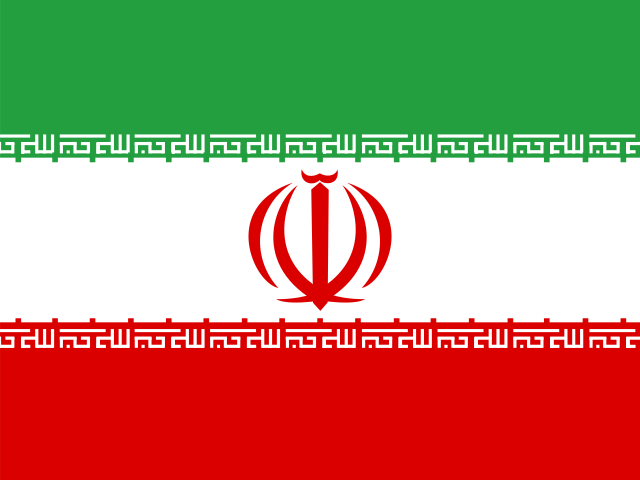
VS
US Navy

The Islamic Revolutionary Guard Corps Navy (IRGCN) is the naval branch of Iran's Islamic Revolutionary Guard Corps, a military force separate from Iran's regular army that operates in the Persian Gulf and surrounding waters.
The United States Navy is the maritime service of the U.S. armed forces, which maintains a continuous presence in the region, including the Strait of Hormuz, a narrow chokepoint through which a large share of the world's oil passes.
The two forces have conflicting interests over control and freedom of movement in the Strait of Hormuz and nearby waters.
Iran's Revolutionary Guard has targeted U.S.
Navy warships with ballistic missiles and announced a new restricted maritime zone in the Arabian Sea and Gulf of Oman, while the U.S. military has responded by destroying IRGC oil tankers.
These actions have raised concerns about the safety of Gulf energy supplies and have been linked to oil prices reaching $100.
The current dispute is part of a longer history of naval confrontation between Iran and the United States, including the 1988 Operation Praying Mantis, in which an Iranian frigate was lost and 45 crew members were killed.
More recently, Iran's Revolutionary Guard claimed it struck and captured a US-operated surface drone near the Strait of Hormuz, an incident that highlights the ongoing tensions in the strategic waterway.
*AI-generated summary of publicly available data. This is not an official statement of any party.
*AI-generated summary of publicly available statements and reporting. This is not an official statement of this party.
Supporters of Iran’s Revolutionary Guard frame the drone’s capture as defense of sovereign waters and cultural honor, arguing that inherited vigilance in the Strait of Hormuz justifies resisting foreign presence.
Supporters of Iran's Revolutionary Guard frame the drone's capture as defense of sovereign waters, arguing that inherited cultural traditions of resistance against foreign presence in the Strait of Hormuz justify protecting the homeland's boundaries.
Supporters of Iran's Revolutionary Guard counter that the Strait of Hormuz is the nation's cultural and territorial heartland, where inherited sovereignty traditions predate modern maritime law, so foreign patrols are seen as a cultural intrusion, not a neutral norm.
Supporters of Iran's Revolutionary Guard argue the capture was lawful under maritime sovereignty, asserting Iran may seize unmanned vessels in its territorial waters.
Supporters of Iran's Revolutionary Guard argue the capture was lawful, citing sovereign rights under maritime law to seize unmanned vessels inside contested waters near the Strait of Hormuz.
Supporters of Iran's Revolutionary Guard counter that the vessel was operating in Iran's territorial waters, and that under UNCLOS a coastal state may enforce its laws there, disputing the US Navy's claim of a high-seas location.
Supporters of Iran's Revolutionary Guard argue the drone's capture in the Strait of Hormuz is calculated leverage, not aggression, pressing Iran's claim to control the waterway it deems vital.
Supporters of Iran's Revolutionary Guard argue the drone seizure was calculated leverage: control of the Strait of Hormuz forces Washington to weigh escalation costs, proving resolve without open war.
Supporters of Iran's Revolutionary Guard counter that Tehran reads US restraint as weakness, so the seizure was leverage to test what Washington would trade, not a signal needing a US show of force.
Supporters of Iran's Revolutionary Guard argue that seizing the drone was a legitimate defense of Iranian sovereignty, since international law grants coastal states rights in the Strait of Hormuz and no UN mandate authorized the US vessel's presence there.
Supporters of Iran's Revolutionary Guard argue that seizing the drone was a lawful defense of Iran's sovereignty in its own waters, and that the Strait of Hormuz falls under Iran's jurisdiction.
Supporters of Iran's Revolutionary Guard counter that the US Navy's claim to uphold freedom of navigation is undermined by its own history of seizing vessels and imposing unilateral sanctions, so the moral authority to judge such actions is not the US's alone.
Supporters of Iran's Revolutionary Guard frame the seizure as defense of sacred sovereignty, arguing that guarding the Strait of Hormuz is a religious duty and that US presence there violates the order God entrusted to the region.
Supporters of Iran's Revolutionary Guard frame the seizure as defense of sacred sovereignty, arguing that guarding the Strait of Hormuz is a religious duty to protect the homeland from foreign intrusion.
Supporters of Iran's Revolutionary Guard counter that the Strait of Hormuz falls within Iran's sovereign waters, and that a religious duty to defend the ummah's territory outweighs foreign claims of naval freedom.
*AI-generated summary of publicly available statements and reporting. This is not an official statement of this party.
Supporters of the US Navy argue that freedom of navigation in the Strait of Hormuz reflects a cultural commitment to open seas and lawful passage, and they maintain that seizing a US-operated drone undermines those shared maritime norms.
Supporters of the US Navy argue that freedom of navigation in the Strait of Hormuz reflects a cultural commitment to open seas, and that Iran's seizure of the drone challenges that principle.
Supporters of the US Navy counter that freedom of navigation in the Strait of Hormuz reflects a shared maritime heritage binding many nations, so no single state's cultural vigilance claim can override that common tradition.
Supporters of the US Navy argue that Iran's seizure of a US-operated sail drone in international waters breached maritime law, including UNCLOS freedoms of navigation, and demand its immediate return.
Supporters of the US Navy argue that seizing a US-operated vessel in international waters violates the law of the sea and navigational freedoms, which they maintain the Strait of Hormuz's transit regime protects.
Supporters of the US Navy counter that the unmanned vessel was operating in international waters, and that Iran's claim of territorial sovereignty fails because the seizure violated customary maritime law and the freedom of navigation.
Supporters of the US Navy argue that Iran's seizure of the drone was a calculated test of American resolve, and that only a firm, visible military response will deter further provocations in the Strait of Hormuz.
Supporters of the US Navy argue the drone’s seizure was a calculated Iranian test of American resolve, and that only visible retaliatory force—not diplomacy—deters further grabs in the Strait.
Supporters of the US Navy counter that Iran's claim to control Hormuz is hollow: the Guard seized the drone only because it could, not because law or power sustains it. Leverage that depends on US restraint, they argue, dissolves the moment Washington stops exercising it.
Supporters of the US Navy argue that seizing an uncrewed vessel in international waters violates maritime law and the freedom of navigation, which they say the US has a moral duty to uphold.
Supporters of the US Navy argue that Iran's seizure of a US-operated surface drone in international waters violates maritime law and norms of safe navigation, calling it an unlawful provocation.
Supporters of the US Navy counter that no sovereignty claim justifies seizing another state's property by force; they argue lawful maritime conduct, not unilateral seizure, upholds order in shared waters.
Supporters of the US Navy argue that maritime order reflects a moral duty to protect innocent passage, and they invoke just-cause traditions to defend freedom of navigation in the Strait of Hormuz.
Supporters of the US Navy frame the Strait of Hormuz as a divinely entrusted passage, arguing that scripture's call to peaceful commerce and safe passage justifies America's defense of lawful navigation there.
Supporters of the US Navy counter that no scripture grants any nation exclusive religious dominion over international waters, and that the Strait's free passage reflects a moral order binding on all peoples, not one state's sacred claim.
AI-generated summary of publicly available statements and reporting. This is not an official statement of this party.
Supporters of Iran’s Revolutionary Guard frame the drone’s capture as defense of sovereign waters and cultural honor, arguing that inherited vigilance in the Strait of Hormuz justifies resisting foreign presence.
Supporters of Iran's Revolutionary Guard frame the drone's capture as defense of sovereign waters, arguing that inherited cultural traditions of resistance against foreign presence in the Strait of Hormuz justify protecting the homeland's boundaries.
Supporters of Iran's Revolutionary Guard counter that the Strait of Hormuz is the nation's cultural and territorial heartland, where inherited sovereignty traditions predate modern maritime law, so foreign patrols are seen as a cultural intrusion, not a neutral norm.
Supporters of Iran's Revolutionary Guard argue the capture was lawful under maritime sovereignty, asserting Iran may seize unmanned vessels in its territorial waters.
Supporters of Iran's Revolutionary Guard argue the capture was lawful, citing sovereign rights under maritime law to seize unmanned vessels inside contested waters near the Strait of Hormuz.
Supporters of Iran's Revolutionary Guard counter that the vessel was operating in Iran's territorial waters, and that under UNCLOS a coastal state may enforce its laws there, disputing the US Navy's claim of a high-seas location.
Supporters of Iran's Revolutionary Guard argue the drone's capture in the Strait of Hormuz is calculated leverage, not aggression, pressing Iran's claim to control the waterway it deems vital.
Supporters of Iran's Revolutionary Guard argue the drone seizure was calculated leverage: control of the Strait of Hormuz forces Washington to weigh escalation costs, proving resolve without open war.
Supporters of Iran's Revolutionary Guard counter that Tehran reads US restraint as weakness, so the seizure was leverage to test what Washington would trade, not a signal needing a US show of force.
Supporters of Iran's Revolutionary Guard argue that seizing the drone was a legitimate defense of Iranian sovereignty, since international law grants coastal states rights in the Strait of Hormuz and no UN mandate authorized the US vessel's presence there.
Supporters of Iran's Revolutionary Guard argue that seizing the drone was a lawful defense of Iran's sovereignty in its own waters, and that the Strait of Hormuz falls under Iran's jurisdiction.
Supporters of Iran's Revolutionary Guard counter that the US Navy's claim to uphold freedom of navigation is undermined by its own history of seizing vessels and imposing unilateral sanctions, so the moral authority to judge such actions is not the US's alone.
Supporters of Iran's Revolutionary Guard frame the seizure as defense of sacred sovereignty, arguing that guarding the Strait of Hormuz is a religious duty and that US presence there violates the order God entrusted to the region.
Supporters of Iran's Revolutionary Guard frame the seizure as defense of sacred sovereignty, arguing that guarding the Strait of Hormuz is a religious duty to protect the homeland from foreign intrusion.
Supporters of Iran's Revolutionary Guard counter that the Strait of Hormuz falls within Iran's sovereign waters, and that a religious duty to defend the ummah's territory outweighs foreign claims of naval freedom.
Supporters of the US Navy argue that freedom of navigation in the Strait of Hormuz reflects a cultural commitment to open seas and lawful passage, and they maintain that seizing a US-operated drone undermines those shared maritime norms.
Supporters of the US Navy argue that freedom of navigation in the Strait of Hormuz reflects a cultural commitment to open seas, and that Iran's seizure of the drone challenges that principle.
Supporters of the US Navy counter that freedom of navigation in the Strait of Hormuz reflects a shared maritime heritage binding many nations, so no single state's cultural vigilance claim can override that common tradition.
Supporters of the US Navy argue that Iran's seizure of a US-operated sail drone in international waters breached maritime law, including UNCLOS freedoms of navigation, and demand its immediate return.
Supporters of the US Navy argue that seizing a US-operated vessel in international waters violates the law of the sea and navigational freedoms, which they maintain the Strait of Hormuz's transit regime protects.
Supporters of the US Navy counter that the unmanned vessel was operating in international waters, and that Iran's claim of territorial sovereignty fails because the seizure violated customary maritime law and the freedom of navigation.
Supporters of the US Navy argue that Iran's seizure of the drone was a calculated test of American resolve, and that only a firm, visible military response will deter further provocations in the Strait of Hormuz.
Supporters of the US Navy argue the drone’s seizure was a calculated Iranian test of American resolve, and that only visible retaliatory force—not diplomacy—deters further grabs in the Strait.
Supporters of the US Navy counter that Iran's claim to control Hormuz is hollow: the Guard seized the drone only because it could, not because law or power sustains it. Leverage that depends on US restraint, they argue, dissolves the moment Washington stops exercising it.
Supporters of the US Navy argue that seizing an uncrewed vessel in international waters violates maritime law and the freedom of navigation, which they say the US has a moral duty to uphold.
Supporters of the US Navy argue that Iran's seizure of a US-operated surface drone in international waters violates maritime law and norms of safe navigation, calling it an unlawful provocation.
Supporters of the US Navy counter that no sovereignty claim justifies seizing another state's property by force; they argue lawful maritime conduct, not unilateral seizure, upholds order in shared waters.
Supporters of the US Navy argue that maritime order reflects a moral duty to protect innocent passage, and they invoke just-cause traditions to defend freedom of navigation in the Strait of Hormuz.
Supporters of the US Navy frame the Strait of Hormuz as a divinely entrusted passage, arguing that scripture's call to peaceful commerce and safe passage justifies America's defense of lawful navigation there.
Supporters of the US Navy counter that no scripture grants any nation exclusive religious dominion over international waters, and that the Strait's free passage reflects a moral order binding on all peoples, not one state's sacred claim.
Iran's Revolutionary Guard navy struck and captured a US-operated surface drone at the entrance of the Strait of Hormuz.
The Islamic Revolutionary Guard Corps launched ballistic missiles toward two U.S. Navy warships patrolling regional waters, with no American casualties reported.
After Iran targeted two U.S. Navy warships, U.S. Central Command destroyed three IRGC oil tankers.
The Islamic Revolutionary Guard Corps targeted a U.S. Navy warship with ballistic missiles twice over the past two days.
After Iran targeted another American warship, the United States destroyed five IRGC tankers.
The Islamic Revolutionary Guard Corps claimed it targeted two U.S. Navy Arleigh Burke-class guided-missile destroyers.
Iran's Islamic Revolutionary Guard Corps announced a new restricted maritime zone in the Arabian Sea and Gulf of Oman.
Oil prices reached $100 as the US-Iran conflict threatened Gulf energy supplies.
A naval battle between Iran and the United States resulted in the loss of one Iranian frigate and 45 crew members killed, as well as one gunboat.